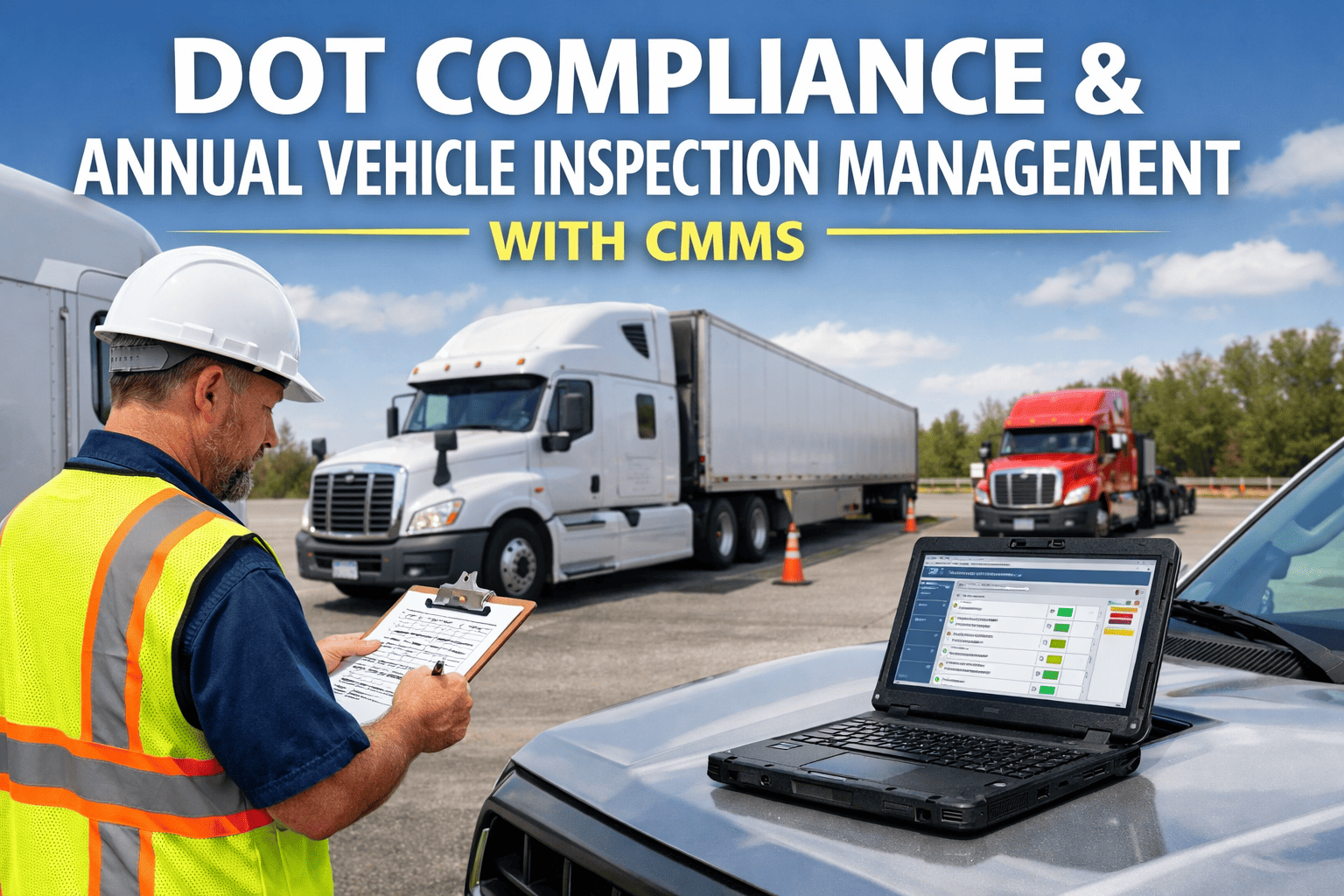
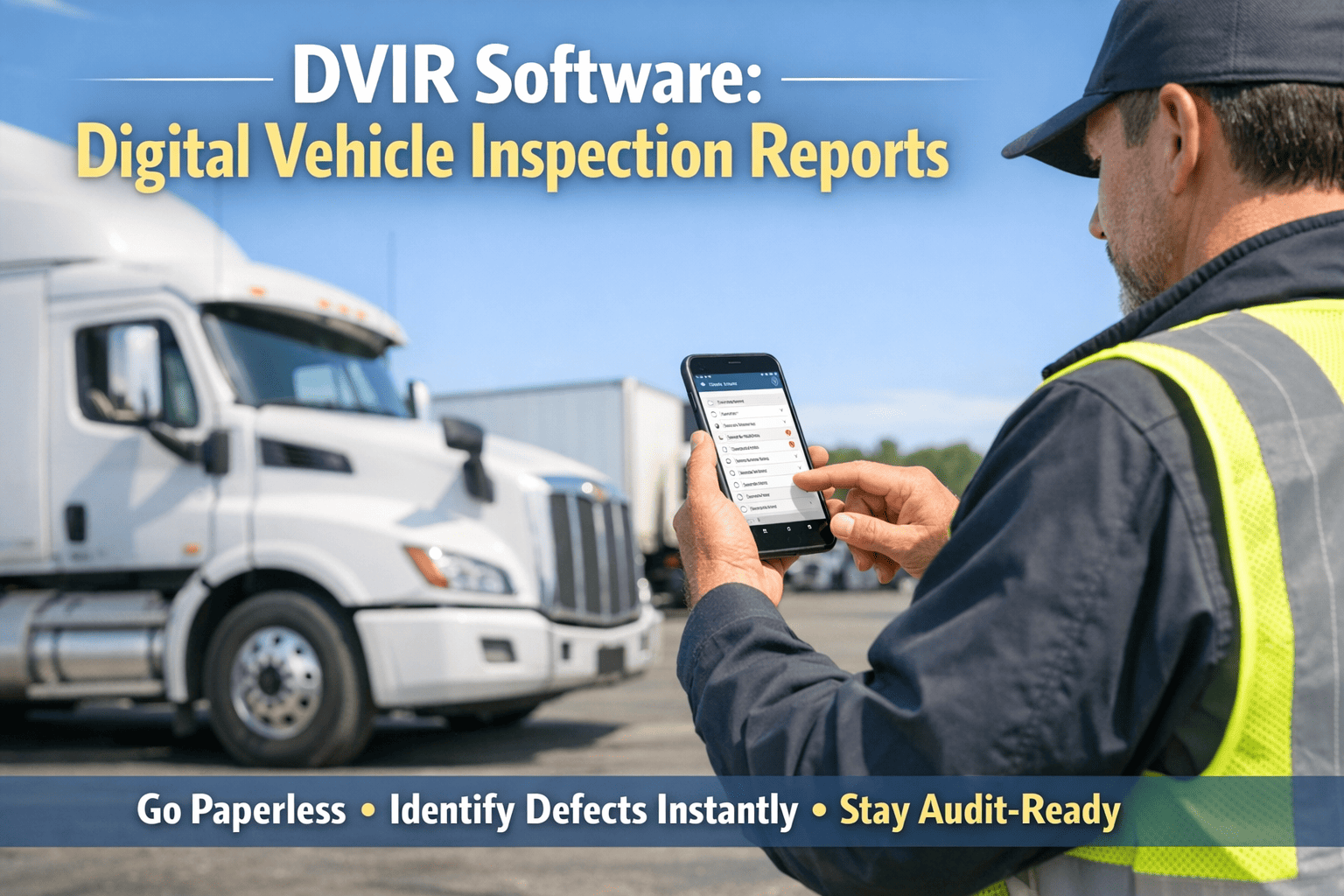
Fleet compliance stands or falls on the paperwork trail behind every driver, vehicle, and inspection, and a truck inspection checklist is exactly where auditors dig first. A vehicle that's perfectly roadworthy but missing a signed DVIR still fails the audit, because the regulation is checking the record as much as the truck. Sign up to run FMCSA-aligned truck inspections digitally, with photo capture, e-signatures, and defects tracked straight through to repair.
What This Checklist Covers
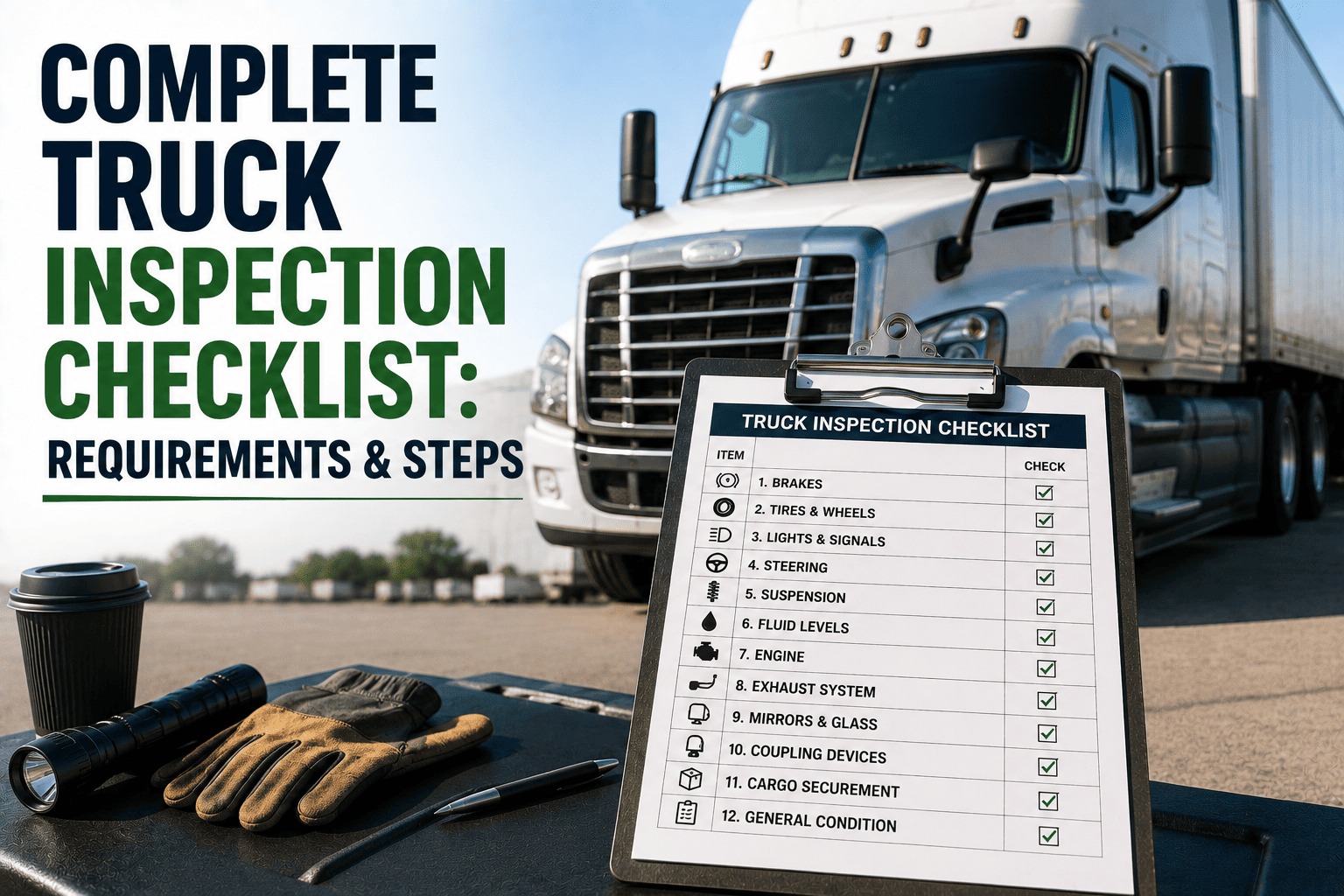
This checklist covers every requirement your team needs to satisfy for a compliant truck inspection program: driver qualification, hours-of-service documentation, and vehicle condition checks across brakes, coupling devices, lighting, and tires, with clear documentation points and the corrective actions expected when something falls out of compliance.
Part 396
FMCSA regulation governing inspection, repair, and maintenance
3
Inspection types every fleet must document: pre-trip, post-trip, annual
3,000+
US fleet teams running this checklist across their operations
What FMCSA Actually Requires Checked
| Inspection Area |
What Gets Verified |
| Brake system |
Service brakes, parking brake, and air or hydraulic lines checked for function, leaks, and wear against spec |
| Coupling devices |
Fifth wheel, kingpin, and safety chains inspected for secure engagement and visible wear or damage |
| Lighting and electrical |
Headlights, brake lights, turn signals, and reflectors confirmed working, not just present on the vehicle |
| Tires and wheels |
Tread depth, inflation, and wheel fasteners measured against threshold, catching wear before a blowout does |
Running A Compliant Inspection Cycle
01
Conduct The Pre-Trip Inspection
The driver checks the vehicle against the required list before the truck leaves the yard, not after it's already loaded
02
Complete The Post-Trip DVIR
Any defect found during the trip gets recorded on the driver vehicle inspection report before the shift ends
03
Document And Repair Defects
Every defect gets logged with evidence and routed to repair, with the vehicle held out of service until it's resolved
04
Keep Annual Inspection Records Current
The annual inspection certificate stays on file and retrievable, closing the loop that daily checks alone can't cover
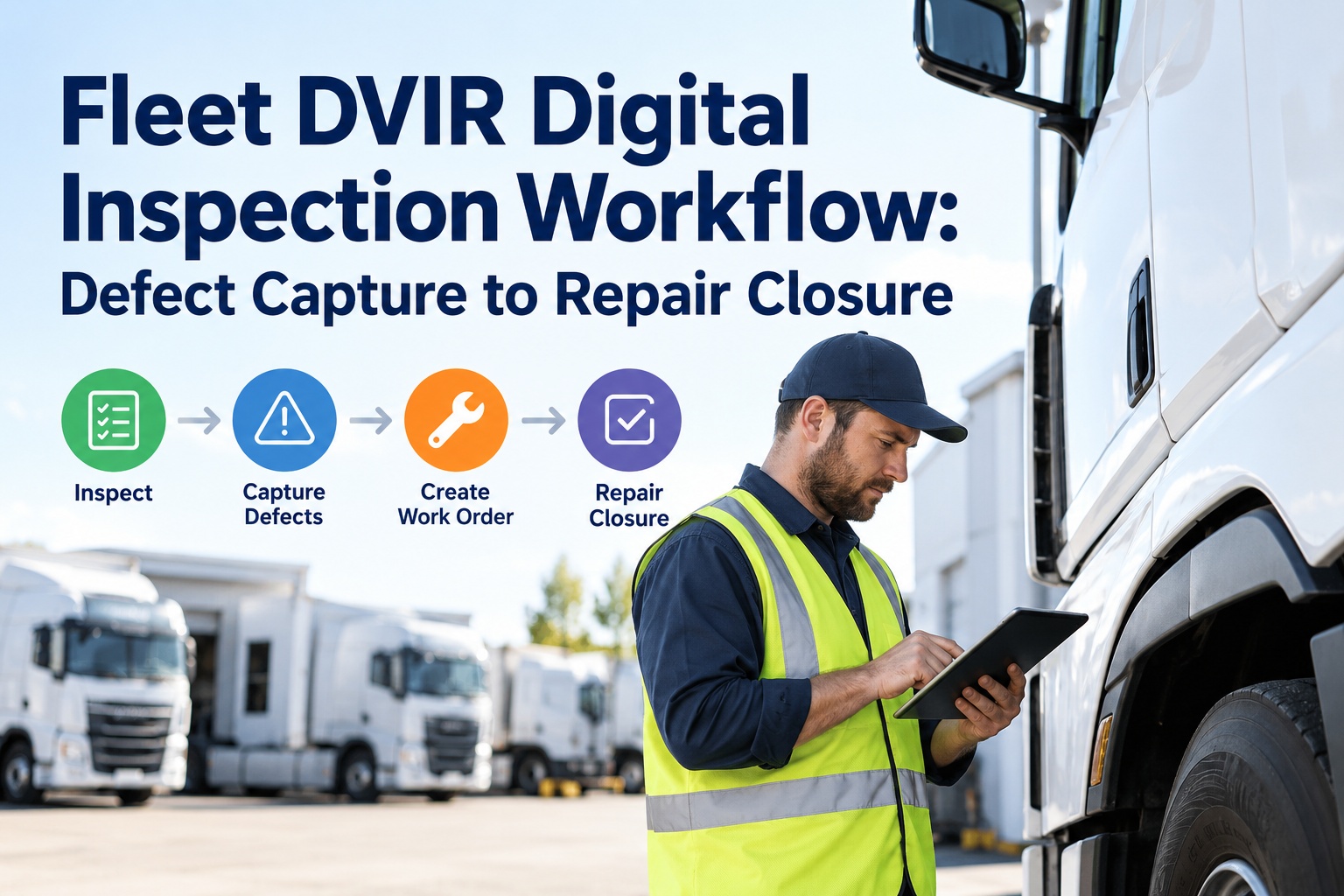
Turn Every Defect Into A Tracked Work Order
OxMaint assigns checklists to drivers and inspectors on mobile, captures photos and e-signatures, and tracks defects as work orders through repair and sign-off. Sign up for a free trial to start running compliant truck inspections, or book a demo to see it built around your fleet.
What A Digital System Adds For Compliance
Defect-To-Work-Order Tracking
Every flagged defect stays linked to its repair work order, so nothing falls through between inspection and fix
Mobile Driver Assignment
Checklists route to the right driver or inspector automatically, keeping pre-trip and post-trip checks on schedule
Audit-Ready Records
Photos, e-signatures, and timestamps produce a full audit trail on demand, without a scramble through paper files
Annual Inspection Scheduling
Annual inspection due dates stay tracked by vehicle, so no truck slips past its certification window unnoticed
Compliance Lives In The Paperwork Trail, Not Just The Vehicle
A roadworthy truck with an incomplete DVIR history still fails a DOT audit, because the inspector is checking the record as closely as the equipment. Fleets that pass audits without a scramble are the ones with every pre-trip, post-trip, and annual inspection documented and retrievable, not the ones hoping the paperwork is somewhere in the cab.
Frequently Asked Questions
Q
What does FMCSA Part 396 actually require of fleets?
Part 396 sets the inspection, repair, and maintenance requirements for commercial motor vehicles, covering systematic inspection cycles, driver vehicle inspection reports, and the recordkeeping fleets must produce to show a vehicle was maintained and repaired properly.
Q
How is a DVIR different from the required annual inspection?
A DVIR is a driver-completed pre-trip or post-trip check confirming the vehicle is safe to operate that day, while the annual inspection is a more thorough, qualified-inspector review certifying the vehicle meets standards for the full year ahead.
Q
What happens if a defect is found but never formally documented?
An undocumented defect leaves no record that it was caught or corrected, which puts both the driver and the fleet at risk in an audit or after an incident, since the paperwork trail is exactly what regulators and insurers rely on to establish that a vehicle was properly maintained.
Keep Every Truck Roadworthy And Audit-Ready
OxMaint gives fleet, safety, and compliance teams one digital system for pre-trip, post-trip, and annual inspections, with defects tracked from checklist to repair to sign-off. Sign up for a free trial to get your truck inspection program running, or book a demo to see it built around your fleet.