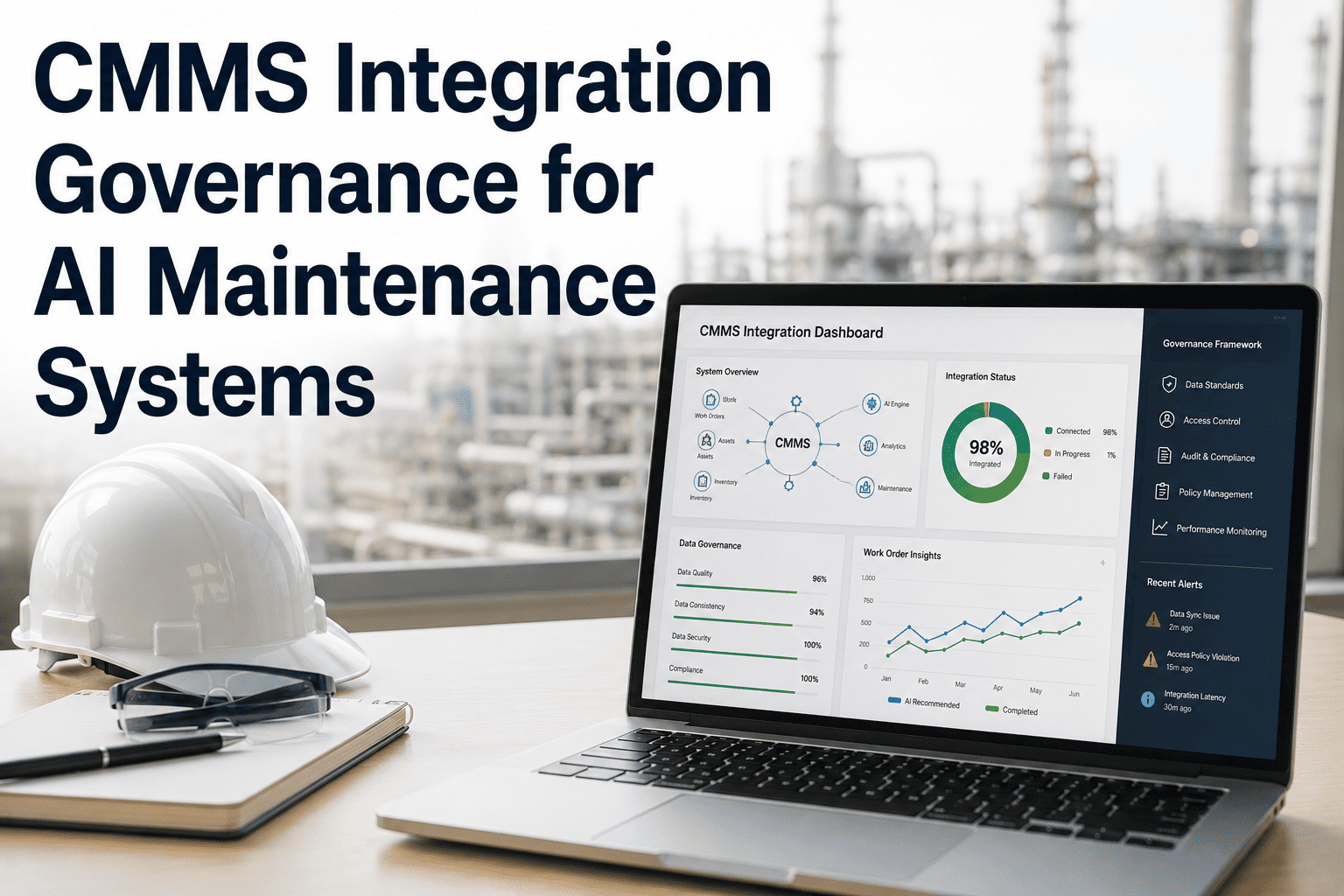
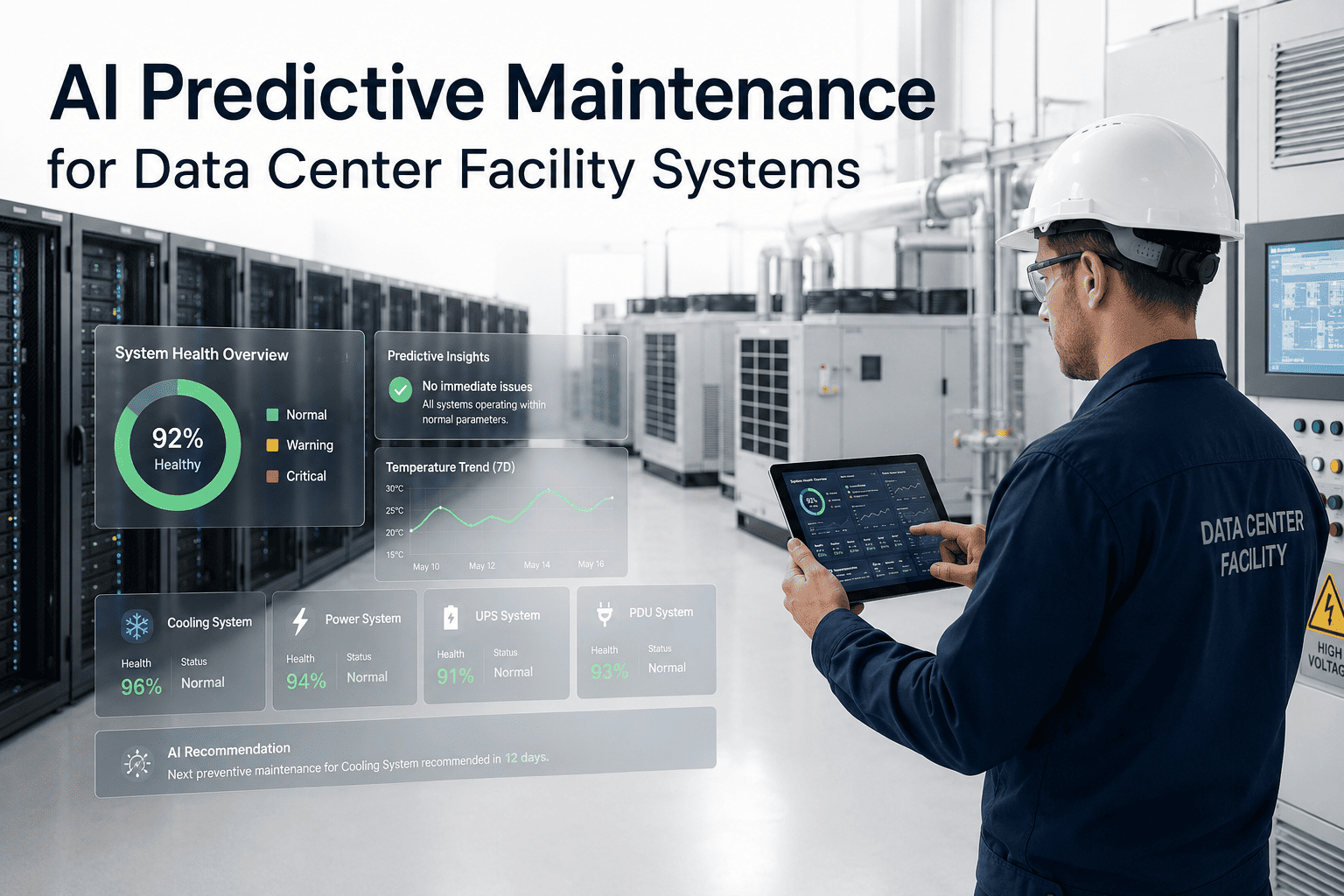
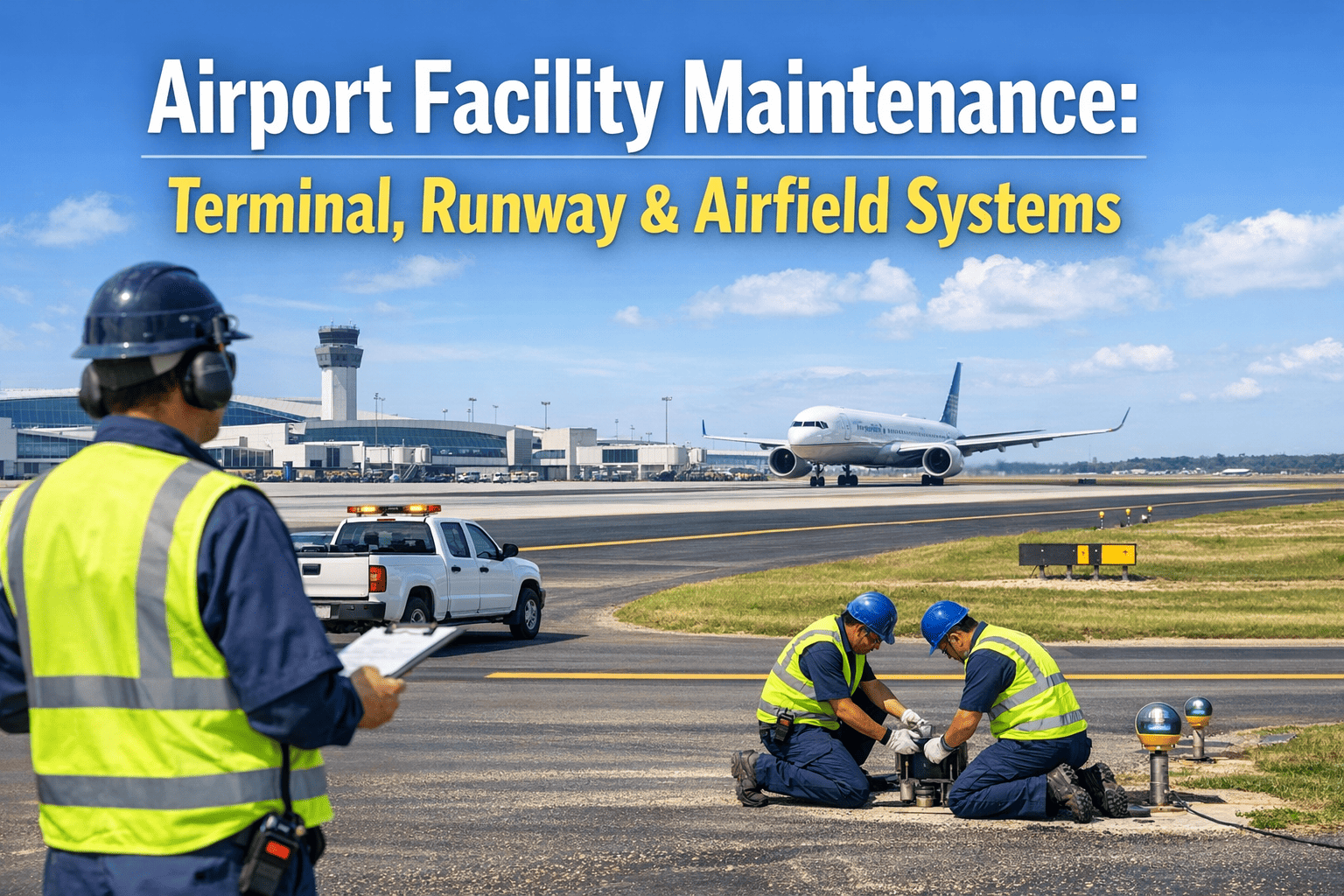
One photo-eye fails on the main sorter and the whole building backs up induction stops, totes pile up, orders miss their cut-off. Automation turns a warehouse into a single connected machine, which means a small fault in one subsystem becomes a line-wide stoppage. Keeping that machine running is a maintenance problem, not a software one. OXMAINT AI is the AI-powered maintenance management software that holds every automation subsystem on one program and turns each fault into a ranked work order — or book a demo of the fault-to-work-order loop in OXMAINT AI.
WAREHOUSE AUTOMATION · INTEGRATION & MAINTENANCE · FULFILLMENT SYSTEMS · 2026
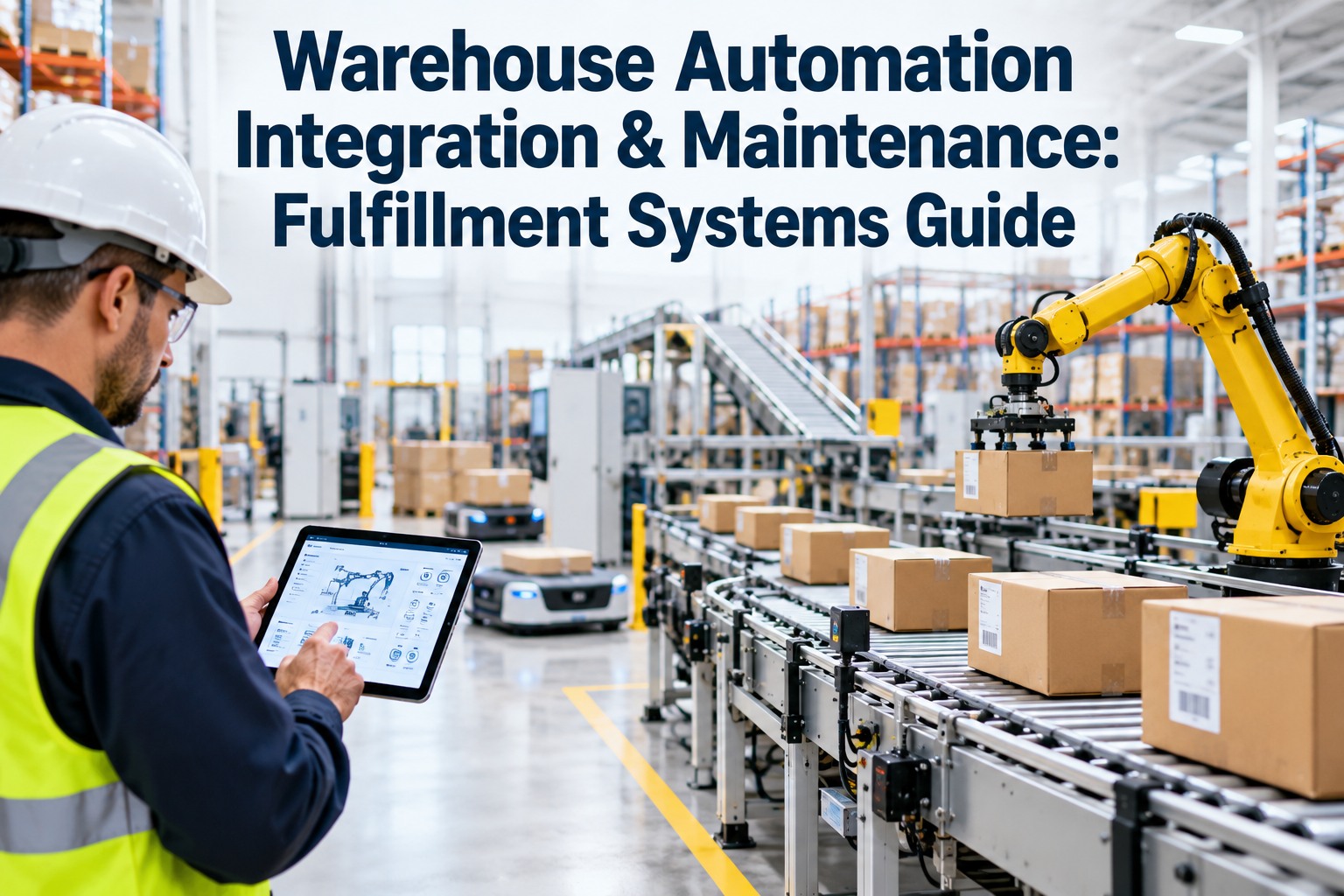
Warehouse Automation Integration & Maintenance: Fulfillment Systems Guide
Conveyors, sortation, robotics and packaging lines don't fail politely — one jam cascades into a stalled building and a wave of missed orders. OXMAINT AI is the AI-powered CMMS that puts the whole automation stack on one maintenance program: every subsystem registered, every fault routed to a ranked work order, and a PM and predictive schedule tuned to how critical each machine is. Fewer line-wide stoppages, and a single view of automation health across the floor.
1 · Register
2 · Fault / alarm
3 · Work order
4 · PM / PdM
$59.5B
warehouse automation market by 2030, up from $29.98B in 2026 — an 18.7% CAGR
25%
of warehouses run any automation, and only about 10% run advanced systems
30–40%
downtime reduction predictive maintenance can deliver, per McKinsey figures
60%
of warehouses are raising automation budgets around 20% in 2026
The Automation Stack You're Maintaining
A modern fulfillment center isn't one machine — it's six subsystems that have to run together, each with its own failure modes and its own service cadence. OXMAINT AI registers all of them in one place, so a fault never falls between vendors — start free and register your automation stack in OXMAINT AI.
01
Conveyor Transport
Belts, rollers, motors and photo-eyes. Belt tracking, bearing wear and jams are the everyday failures.
Belt & bearing PMMonthly
02
Sortation Systems
Shoe, cross-belt or tilt-tray sorters and diverts. The building's throughput bottleneck — and its single point of failure.
Divert & scan PMWeekly
03
AS/RS & Shuttles
Cranes, shuttles and vertical lifts. Positioning drift, drive wear and controller faults stall whole aisles.
Drive & rail PMMonthly
04
AMR & AGV Robots
Mobile robots and their charging fleet. Battery health, sensors, wheels and docking faults take units offline.
Battery & sensor PMPer cycle
05
Goods-to-Person Pick
Pick stations, carousels and put walls. Workstation sensors, lighting and interlocks slow the pick rate when they drift.
Station & sensor PMMonthly
06
Print-Apply & Packaging
Label applicators, case erectors, sealers and strappers. Worn heads and applicator drift stall the pack line.
Head & applicator PMMonthly
When One Subsystem Fails, the Whole Line Feels It
Product flows through the stack in sequence, so a stoppage anywhere downstream backs everything up behind it. The sorter is the classic choke point — when it stops, induction has nowhere to go and the building halts within minutes.
→
→
Sorter
Single point of failure
→
→
Integration: One Program for Many Systems
Automation is bought in pieces — a sorter from one vendor, robots from another, a WCS tying them together — and each arrives with its own alarms and its own service contact. Integration means pulling all of that into a single maintenance program so nothing is tracked in a silo. OXMAINT AI is where the whole floor converges.
One Asset Register
Every subsystem, every vendor, every spare — on one register instead of six spreadsheets.
Faults → Work Orders
Alarms from conveyors, sorters, robots and the WCS land as ranked work orders, not inbox noise.
Vendor & Warranty Trail
In-house fixes and external service calls logged together, with warranty and PO on the record.
OXMAINT AI · AUTOMATION HEALTH · DC-04 · 14:20
SORTER · Main lineDivert fault, throughput halted — MTTR clock runningP1 WO 9043
AMR FLEET · Zone 23 units low-battery, docking slowPM queued
CONVEYOR · Induct 3Belt tracking drift, bearing warmPdM alert
PRINT-APPLY · Pack 2Head serviced, reads normalClosed
Match the Maintenance Strategy to the Criticality
Not every machine earns the same attention. The sorter that stops the building gets predictive monitoring; a spur conveyor can run to failure. Mapping strategy to criticality is how a lean team covers a whole stack — start free and match PM to criticality in OXMAINT AI.
CRITICALITY C
Run-to-Failure
Low-impact, quick-swap items — a spur conveyor, a redundant station. Fix on fault; don't over-invest.
CRITICALITY B
Preventive (PM)
Scheduled service by time or cycles for most conveyors, lifts and packaging — the backbone of the program.
CRITICALITY A
Predictive (PdM)
Condition monitoring on the sorter, AS/RS and robots — the single points of failure that stop the whole building.
How OXMAINT AI Runs Warehouse Automation Maintenance
OXMAINT AI doesn't replace your WCS or your robot fleet manager — it is the AI-powered maintenance management software that keeps the whole stack reliable and turns every fault into tracked action. Put your floor on it when you start free and build your automation asset register in OXMAINT AI.
Automation Asset Register
Every conveyor, sorter, crane, robot, pick station and applicator — by line and vendor, with spares and warranty.
Fault / Alarm → Work Order
Subsystem and WCS alarms become ranked work orders on the exact machine, with MTTR tracked to close.
PM & PdM by Criticality
Run-to-failure, preventive or predictive assigned per asset so effort lands where a stoppage hurts most.
Spare Parts & MRO
Critical spares for long-lead automation parts tracked and reordered before a stockout extends a stoppage.
Downtime & MTTR Analytics
Failures trended by subsystem and cause so the recurring bottleneck is engineered out, not re-patched.
Multi-Site Health Board
Availability, open work and PM compliance across every DC on one screen, with the history behind each.
A Stalled Sorter Is a Stalled Building.
The difference between a two-minute recovery and a two-hour one is the program behind it — the spare on the shelf, the PM that was done, the fault that became a work order instead of a shout across the floor. OXMAINT AI runs that program on one screen.
EXPERT REVIEW
Written for fulfillment-engineering, reliability and maintenance teams. OXMAINT AI is a maintenance management platform, not a warehouse control system or robot fleet manager — it works alongside your WCS, WES and vendor tools, consolidating their faults into one work-order program and keeping the automation stack serviced to its criticality. Downtime-reduction figures are published industry benchmarks, not a guarantee of results.
Frequently Asked Questions
Does OXMAINT AI replace our WCS or robot fleet software?
No — it is the maintenance layer that sits alongside them. It consolidates faults and alarms from conveyors, sorters, robots and the WCS into one ranked work-order program and schedules the PM and PdM that keeps the stack running.
Start free and connect your first line in OXMAINT AI.
Which subsystems matter most to maintain?
The single points of failure — the main sorter, AS/RS and robot fleet — because a stoppage there halts the whole building. They earn predictive monitoring; lower-impact conveyors run on preventive or run-to-failure.
Book a demo of the criticality model in OXMAINT AI.
How does integration across vendors actually work?
Can predictive maintenance really cut automation downtime?
Industry figures from McKinsey put predictive maintenance at a 30–40% reduction in machine downtime when applied to the right assets. The gain comes from catching bearing, belt and drive wear before it stops the line.
Walk the PdM workflow in a demo of OXMAINT AI.
Can it show automation health across multiple DCs?
Keep the Whole Machine Running — From One Program.
Put every conveyor, sorter, robot and packaging line on OXMAINT AI: faults routed to work orders, PM and predictive maintenance matched to criticality, spares ready before a stockout, and an automation health board across every DC — so one small fault never stops the whole building.