
Reliability Centered Maintenance (RCM) represents a systematic decision-making process that organizations use to identify the maintenance requirements of any physical asset in its operating context. Modern industrial facilities implementing comprehensive RCM methodologies achieve an average of 40% reduction in maintenance costs, 35% improvement in equipment reliability, and $15,000+ annual savings per critical asset. Industry leaders recognize that RCM implementation drives sustainable competitive advantages through optimized maintenance strategies, enhanced asset performance and data-driven decision making while establishing foundations for predictive maintenance excellence and operational reliability.
The modern industrial landscape demands maintenance excellence that extends beyond traditional time-based approaches to encompass risk-based decision making, failure mode analysis and optimized resource allocation. RCM provides the analytical framework for achieving world-class maintenance performance through systematic evaluation of asset functions, failure modes, and maintenance task effectiveness across diverse industrial applications.
Industrial organizations face increasing pressure to maximize asset utilization, minimize maintenance costs, and ensure operational reliability while maintaining stringent safety and environmental standards. Traditional maintenance approaches often result in over-maintenance of low-risk components and under-maintenance of critical systems. Oxmaint recognizes that Reliability Centered Maintenance addresses these challenges through systematic approaches that optimize maintenance resources and maximize asset performance.
Transform your maintenance strategy from reactive to proactive with proven RCM methodologies. Join over 200+ industrial companies who've achieved remarkable maintenance cost reductions of 40%+ and reliability improvements of 35%+ through systematic RCM implementation.
Start RCM Analysis Schedule RCM ConsultationThe Seven RCM Questions: Foundation of Maintenance Decision Making
Reliability Centered Maintenance operates through seven fundamental questions that create comprehensive frameworks for maintenance optimization, failure analysis, and resource allocation. These questions work systematically to ensure maintenance tasks are both necessary and sufficient to preserve asset functionality and safety.
Question 1: Functions and Standards
What are the functions and associated performance standards of the asset in its present operating context? This establishes primary and secondary functions with quantifiable performance criteria.
Question 2: Functional Failures
In what ways does it fail to fulfill its functions? Identification of functional failures that prevent the asset from meeting its performance standards and operational requirements.
Question 3: Failure Modes
What causes each functional failure? Systematic analysis of failure modes that lead to functional failures, including equipment deterioration, human error, and design limitations.
Question 4: Failure Effects
What happens when each failure occurs? Comprehensive evaluation of failure consequences including safety, environmental, operational, and economic impacts on the organization.
Question 5: Failure Consequences
In what way does each failure matter? Classification of failures based on their consequences to prioritize maintenance resources and establish appropriate response strategies.
Question 6: Proactive Tasks
What can be done to predict or prevent each failure? Selection of appropriate maintenance tasks including condition monitoring, scheduled restoration, and scheduled discard.
Question 7: Default Actions
What should be done if a suitable proactive task cannot be found? Determination of run-to-failure strategies, redesign requirements, or operational modifications when proactive maintenance is not viable.
RCM Logic Tree and Decision Framework
RCM employs systematic logic trees that guide maintenance professionals through structured decision-making processes, ensuring consistent application of maintenance optimization principles across diverse industrial assets and operating environments.
Hidden Failure Management
Protective devices and safety systems requiring failure-finding tasks to ensure availability when needed, with task intervals based on reliability targets and risk tolerance.
Safety and Environmental Consequences
Critical failures that could injure personnel or violate environmental regulations, requiring scheduled restoration or discard tasks to maintain acceptable risk levels.
Operational Consequences
Failures that directly affect production capacity, product quality, or customer service, requiring condition-based or time-based maintenance tasks to minimize business impact.
Non-Operational Consequences
Failures with only direct maintenance costs, where maintenance task costs must be justified against failure consequences through economic analysis and resource optimization.
RCM Implementation Methodology and Process
Systematic RCM Analysis Process
Successful RCM implementation requires systematic analytical processes that combine technical expertise, operational knowledge, and maintenance experience to develop optimized maintenance strategies. Oxmaint employs proven methodologies that ensure comprehensive analysis and sustainable results across industrial applications.
Asset Selection and Prioritization
Strategic selection of assets for RCM analysis based on criticality, maintenance costs, reliability performance, and business impact to maximize improvement potential and resource utilization.
Cross-Functional Team Formation
Assembly of multi-disciplinary teams including operations, maintenance, engineering, and safety personnel to ensure comprehensive analysis and stakeholder buy-in for recommended strategies.
Function and Failure Analysis
Detailed analysis of asset functions, performance standards, failure modes, and effects using structured worksheets and facilitated sessions to ensure comprehensive coverage.
Task Selection and Optimization
Systematic evaluation of maintenance task options including condition monitoring, scheduled maintenance, and run-to-failure strategies based on technical feasibility and economic justification.
RCM Analysis Tools and Techniques
Comprehensive RCM analysis employs various tools and techniques that facilitate systematic evaluation of asset performance, failure characteristics, and maintenance effectiveness while ensuring consistent application of RCM principles.
Failure Mode and Effects Analysis (FMEA)
Systematic analysis of potential failure modes, their causes, and effects on system performance, providing foundation data for RCM decision-making and maintenance strategy development.
Criticality Analysis
Risk-based prioritization of assets and failure modes based on probability and consequence assessment, enabling focused application of RCM resources on highest-impact opportunities.
P-F Curve Analysis
Evaluation of failure development patterns from potential failure detection to functional failure, enabling optimization of condition monitoring intervals and techniques.
Life Cycle Cost Analysis
Economic evaluation of maintenance strategies considering acquisition, operation, maintenance, and disposal costs to ensure optimal resource allocation and decision-making.
Industrial Applications and Sector-Specific Implementation
Manufacturing and Process Industries
RCM application in manufacturing environments focuses on production continuity, quality assurance, and cost optimization while addressing unique challenges of complex process systems, automated equipment, and stringent quality requirements that characterize modern manufacturing operations.
Critical Production Equipment
RCM analysis of bottleneck equipment, automated systems, and quality-critical assets that directly impact production capacity, product quality, and customer satisfaction levels.
Rotating Equipment Optimization
Systematic analysis of pumps, compressors, motors, and turbines using vibration analysis, oil analysis, and thermal monitoring to optimize maintenance intervals and techniques.
Control and Instrumentation Systems
RCM application to process control systems, safety instrumented systems, and measurement devices requiring specialized failure-finding and calibration strategies.
Utility and Support Systems
Analysis of compressed air, steam, cooling water, and electrical distribution systems that support production operations while optimizing maintenance resource allocation.
Power Generation and Energy Sector
RCM implementation in power generation facilities addresses unique reliability requirements, safety considerations, and regulatory compliance needs while optimizing maintenance costs and ensuring grid stability and operational availability.
Turbine-Generator Systems
Comprehensive RCM analysis of steam turbines, gas turbines, and generators focusing on condition monitoring, inspection intervals, and major overhaul optimization strategies.
Boiler and Heat Recovery Systems
RCM application to boiler systems, heat exchangers, and steam generation equipment emphasizing safety-critical components and efficiency optimization requirements.
Electrical Switchgear and Protection
Analysis of high-voltage equipment, transformers, and protection systems requiring specialized maintenance strategies for safety and reliability assurance.
Balance of Plant Systems
RCM optimization of cooling water systems, fuel handling equipment, and auxiliary systems that support primary generation assets while minimizing total plant costs.
Condition-Based Maintenance Integration
Predictive Maintenance Technology Integration
Modern RCM implementation leverages advanced condition monitoring technologies and predictive analytics to enhance maintenance decision-making and optimize task intervals based on actual equipment condition rather than arbitrary time periods.
Vibration Analysis Programs
Integration of vibration monitoring and analysis techniques to detect bearing failures, misalignment, imbalance, and looseness in rotating equipment with optimized monitoring frequencies.
Oil Analysis and Tribology
Systematic oil analysis programs including wear particle analysis, contamination monitoring, and fluid degradation assessment to optimize lubricant change intervals and equipment health.
Thermal Imaging Applications
Infrared thermography programs for electrical systems, mechanical equipment, and process monitoring to detect developing problems before functional failures occur.
Ultrasonic Testing Techniques
Ultrasonic inspection and monitoring for leak detection, bearing assessment, electrical fault identification, and structural integrity evaluation with appropriate testing intervals.
Digital Integration and Industry 4.0 Enhancement
Contemporary RCM programs integrate with digital platforms and Industry 4.0 technologies to provide real-time condition monitoring, automated data analysis, and intelligent maintenance scheduling that enhance traditional RCM methodologies.
IoT Sensor Networks
Internet of Things technologies providing continuous condition monitoring, real-time data collection, and automated alert generation that support RCM-based maintenance strategies.
Machine Learning Analytics
Advanced analytics platforms that analyze historical maintenance data, failure patterns, and operating conditions to optimize RCM task selection and interval determination.
Mobile Maintenance Management
Mobile platforms enabling real-time access to RCM analysis results, maintenance procedures, and condition monitoring data for field maintenance personnel.
Integrated Asset Management
Enterprise asset management systems that incorporate RCM logic, maintenance strategies, and performance data to enable comprehensive asset lifecycle optimization.
RCM Case Studies and Success Stories
Manufacturing Plant Transformation
A major automotive manufacturing facility implemented comprehensive RCM analysis across critical production lines, achieving significant improvements in equipment reliability, maintenance efficiency, and operational performance through systematic failure analysis and maintenance optimization.
- Maintenance cost reduction of 42% through elimination of unnecessary preventive tasks and optimization of maintenance intervals based on failure characteristics
- Equipment availability improvement of 35% through enhanced condition monitoring programs and proactive failure prevention strategies
- Unplanned downtime reduction of 65% by focusing maintenance resources on critical failure modes with highest operational impact
- Maintenance workforce productivity increase of 28% through optimized task scheduling and elimination of redundant maintenance activities
- Spare parts inventory reduction of 30% while improving parts availability for critical components through improved demand forecasting
Power Plant Reliability Enhancement
A 500MW coal-fired power plant applied RCM methodology to turbine-generator systems, achieving substantial improvements in plant availability, maintenance costs, and regulatory compliance while enhancing safety performance.
Turbine Maintenance Optimization
RCM analysis resulted in 25% reduction in major overhaul scope while improving turbine reliability through condition-based maintenance strategies and enhanced inspection techniques.
Generator Protection Enhancement
Implementation of condition monitoring systems for generator bearings, windings, and cooling systems reduced unplanned outages by 40% while optimizing maintenance intervals.
Balance of Plant Improvements
RCM application to auxiliary systems achieved 30% maintenance cost reduction while improving plant heat rate and environmental performance through optimized equipment operation.
Safety System Optimization
Enhanced failure-finding strategies for safety-critical systems improved protection system availability while reducing testing costs and operational interruptions by 35%.
RCM Training and Competency Development
Professional Certification and Skill Building
Successful RCM implementation requires comprehensive training programs that develop analytical skills, facilitation capabilities, and technical competencies necessary for effective failure analysis and maintenance optimization. Oxmaint provides specialized training programs that ensure sustainable RCM implementation and continuous improvement.
RCM Analyst Certification
Comprehensive training covering RCM principles, analysis techniques, facilitation skills, and software tools necessary for conducting effective RCM studies and maintenance optimization.
Facilitator Development
Specialized training for RCM team leaders focusing on group facilitation, stakeholder management, and change leadership required for successful RCM implementation.
Management Awareness
Executive and management education covering RCM business case development, implementation planning, and performance measurement to ensure organizational support and commitment.
Practitioner Skills
Hands-on training for maintenance personnel, engineers, and operations staff covering RCM application, condition monitoring techniques, and maintenance strategy execution.
Organizational Change Management
RCM transformation requires systematic change management that addresses cultural barriers, stakeholder concerns, and operational constraints while building organizational capability for sustained maintenance excellence and continuous improvement.
Stakeholder Engagement
Comprehensive communication and engagement strategies that build understanding, address concerns, and secure commitment from operations, maintenance, and management stakeholders.
Cultural Transformation
Change management programs that shift organizational culture from reactive maintenance to proactive asset management through education, incentives, and performance recognition.
Process Integration
Systematic integration of RCM methodologies with existing maintenance processes, work management systems, and performance measurement frameworks for sustainable implementation.
Continuous Improvement
Establishment of review processes, update procedures, and improvement mechanisms that ensure RCM analysis remains current and continues delivering value over time.
ROI and Performance Measurement
Quantifiable Business Benefits
Reliability Centered Maintenance implementation delivers measurable financial returns through multiple value streams including maintenance cost reduction, equipment reliability improvement, and operational efficiency enhancement that directly impact organizational profitability and competitive positioning.
Key Performance Indicators and Metrics
Comprehensive performance measurement systems track RCM implementation success through balanced scorecards that monitor financial performance, operational effectiveness, maintenance efficiency, and safety improvements while providing insights for continuous optimization.
Financial Performance Metrics
Maintenance cost per unit, maintenance budget variance, spare parts inventory turnover, and total cost of ownership tracking that quantify economic benefits of RCM implementation.
Reliability and Availability Metrics
Mean time between failures (MTBF), mean time to repair (MTTR), equipment availability, and uptime performance measurements that demonstrate reliability improvements.
Maintenance Efficiency Indicators
Preventive maintenance compliance, emergency work percentage, schedule effectiveness, and workforce productivity measures that track maintenance program optimization.
Safety and Environmental Metrics
Safety incident rates, environmental compliance performance, and risk reduction measurements that ensure RCM implementation maintains or improves safety and environmental standards.
Future Trends and Technology Integration
Reliability Centered Maintenance continues evolving with emerging technologies and analytical capabilities that promise enhanced accuracy, automated analysis, and intelligent maintenance optimization that will further improve asset management effectiveness and organizational competitiveness.
Artificial Intelligence Integration
AI-powered failure mode identification, risk assessment automation, and maintenance strategy optimization that enhance traditional RCM analysis with machine learning capabilities.
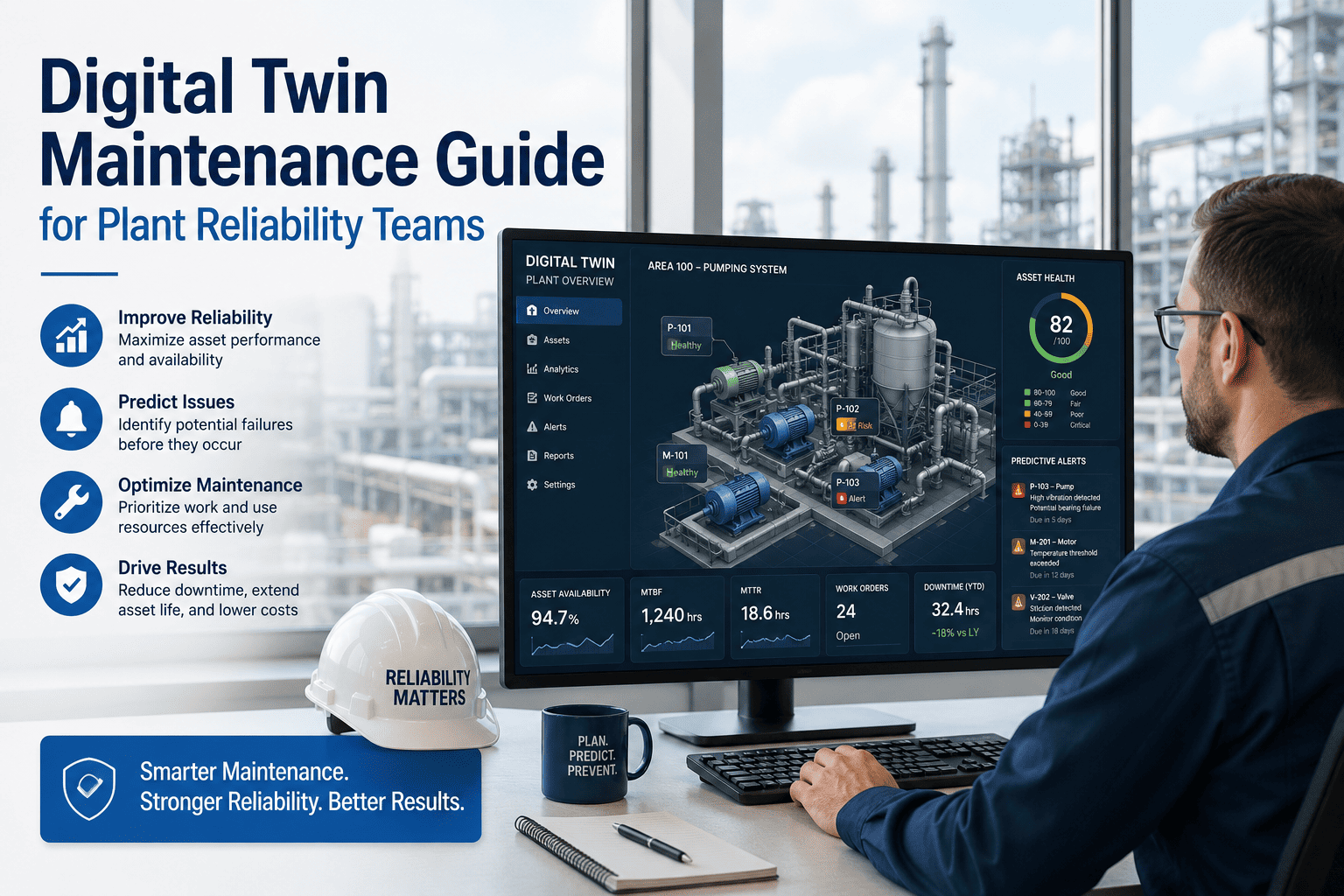
Digital Twin Applications
Virtual asset models that simulate equipment behavior, predict failure modes, and optimize maintenance strategies through advanced modeling and simulation capabilities.
Autonomous Maintenance Systems
Self-optimizing maintenance systems that automatically adjust strategies based on operating conditions, performance data, and failure patterns without human intervention.
Blockchain Asset Management
Immutable maintenance records, asset histories, and reliability data that enhance decision-making accuracy and provide comprehensive lifecycle documentation.
Don't let inefficient maintenance strategies drain your resources and compromise your operations. While you're reading this, industry leaders are already implementing RCM methodologies and gaining significant competitive advantages. Every day of delay costs you thousands in unnecessary maintenance and lost productivity. Take action now and transform your maintenance approach with proven RCM strategies.
Implement RCM Strategy Schedule RCM Assessment


-optimizing-your-maintenance-strategy.png)