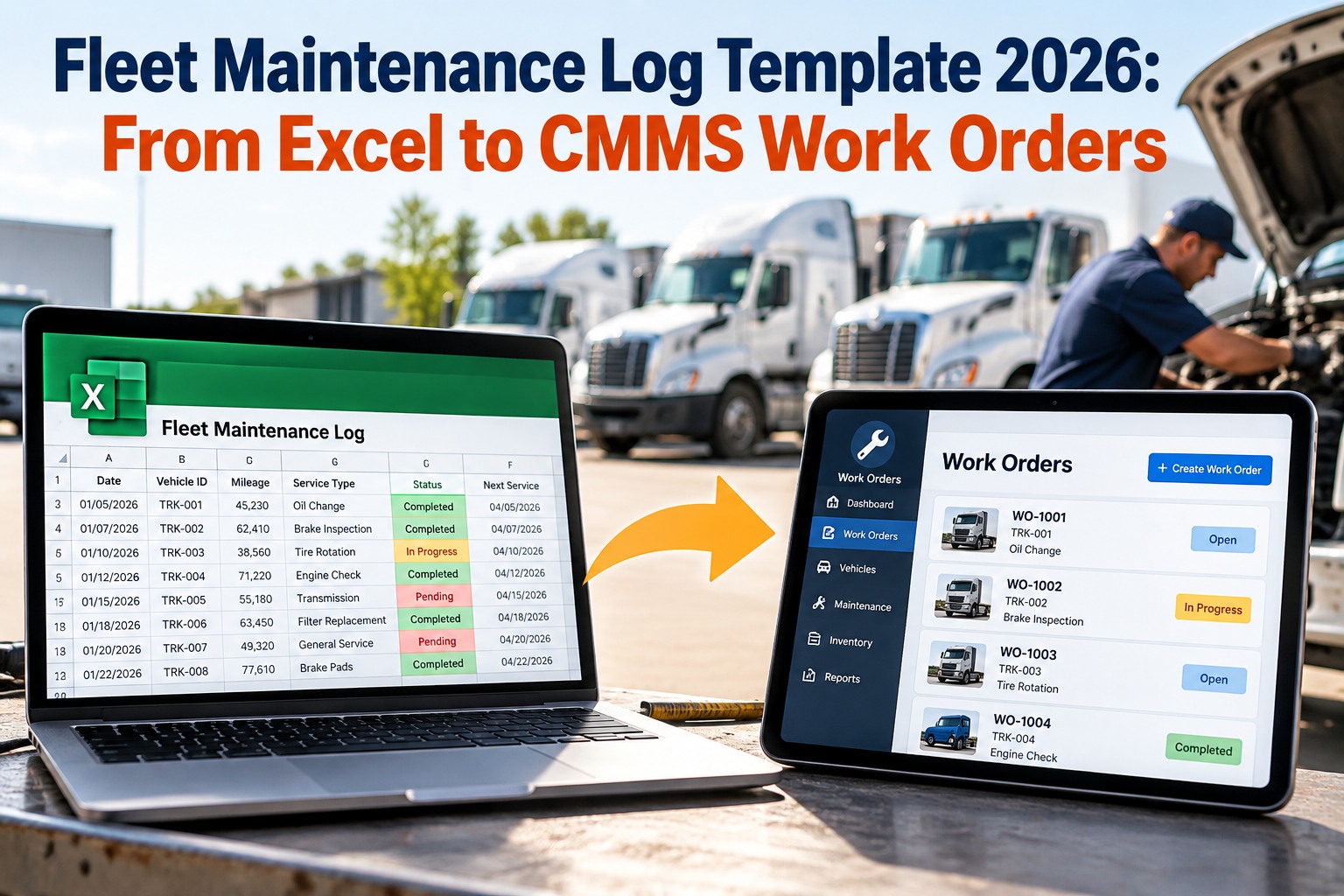
Every maintenance team runs on work orders — the structured record that converts a fault report, a PM schedule, or an inspection finding into a dispatched job with a named technician, a defined scope, and a documented outcome. The question is not whether your team uses work orders. It is whether your work orders are running on paper, radio, and shared spreadsheets — in which case the system is leaking productivity, losing compliance documentation, and hiding the pattern data that would prevent the next failure — or whether they are running in a digital work order management system that captures every action, routes every job to the right person, and builds the asset history that turns reactive firefighting into structured maintenance.
Work Order Management Software: Complete Guide
How digital work order management reduces maintenance completion time by 50%, eliminates documentation gaps, and builds the asset history that enables predictive maintenance — with OxMaint implementation guidance throughout.
What Paper and Radio Dispatch Is Actually Costing Your Maintenance Team
A maintenance team operating on paper work orders, verbal dispatch, and shared spreadsheets is not running a maintenance programme — it is running a recovery programme. Each unstructured job that doesn't generate a documented asset record, each fault that gets resolved without a root cause note, each PM that gets deferred without a visible alert is compounding into a maintenance cost structure that is 3–5× higher than it needs to be. Book a demo to see what structured digital work orders do to maintenance cost in your environment.
The Complete Digital Work Order Lifecycle in OxMaint
A work order passes through seven stages from fault report to closed record. In a paper system, most of these stages are manual, undocumented, or bypassed under pressure. In OxMaint, all seven are structured, timestamped, and automatically generate the asset history record that drives future intelligence. Sign up to activate OxMaint's full work order lifecycle — free.
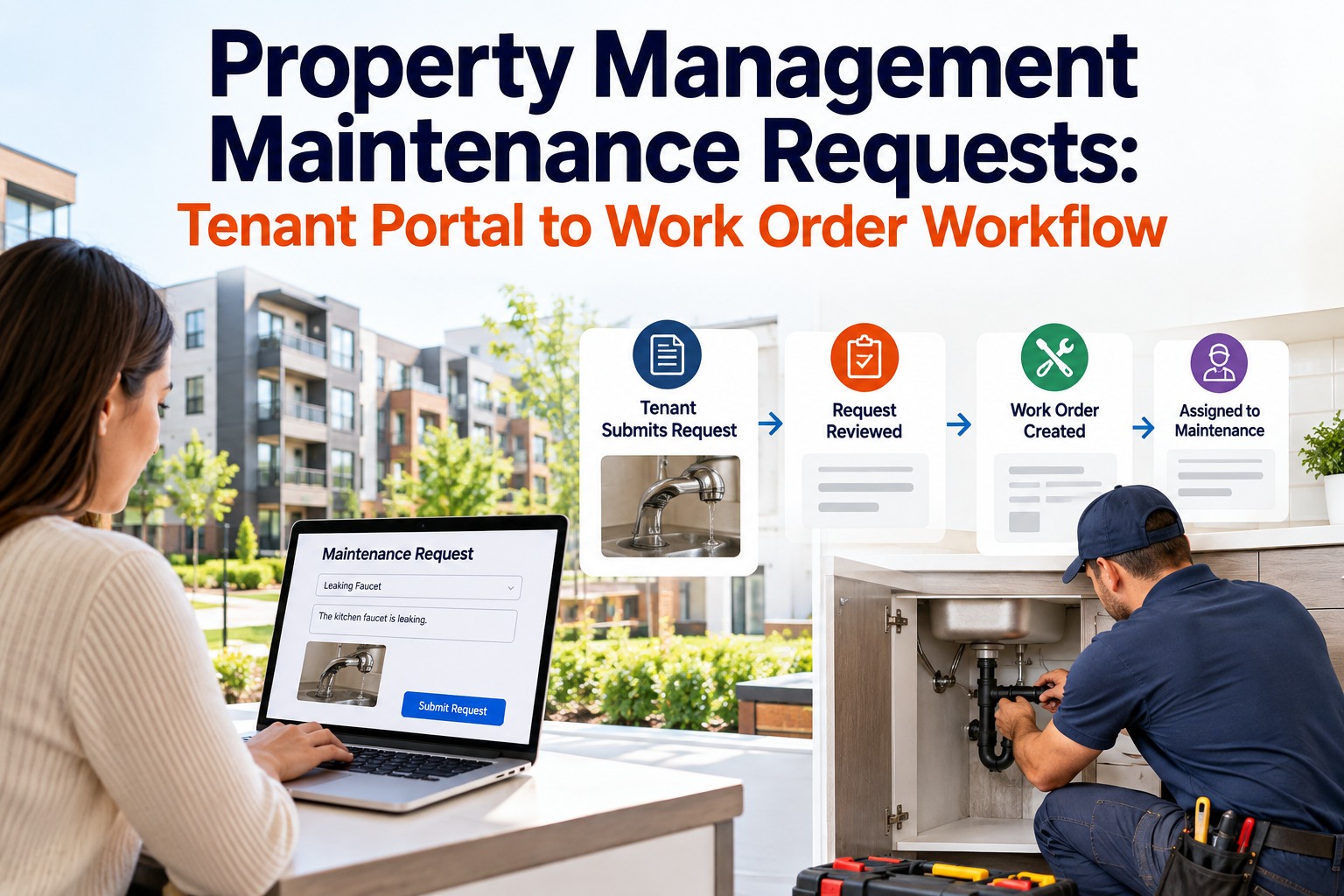
Fault reported via mobile app, QR scan at asset, email-to-work-order, or automated PM trigger. Work order pre-populated with asset details, fault category, and priority classification. No desktop required — any team member can create a work order in under 60 seconds from any device.
Supervisor reviews open work orders on mobile dashboard. Assigns priority tier (Critical / High / Standard / Planned), validates scope, and confirms parts availability. AI-assisted classification suggests priority based on asset criticality and work order history patterns.
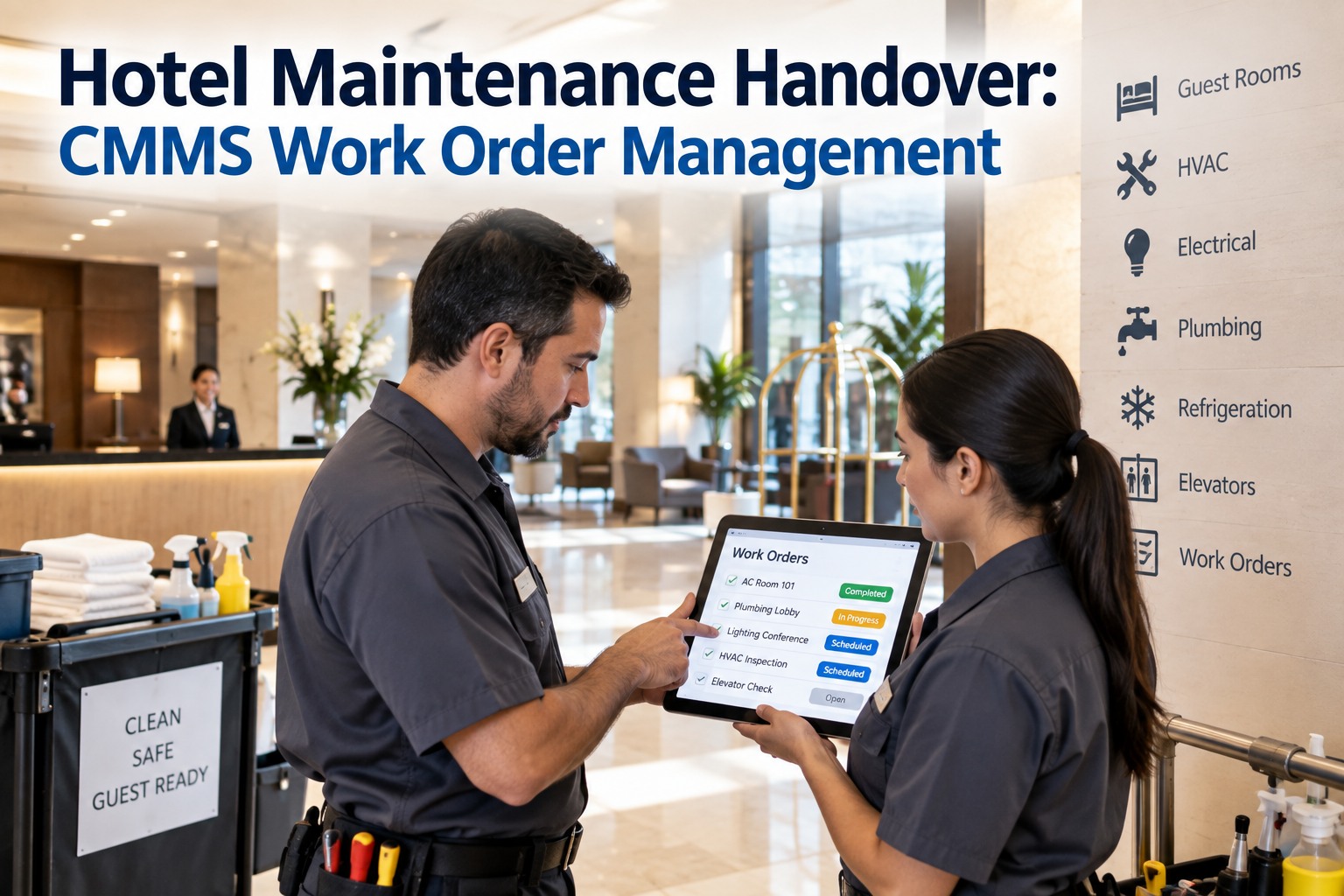
Work order dispatched to the qualified technician — skill-matched to work type, workload-balanced across the team, and routed to the nearest available resource. Push notification to technician's mobile. No radio call required — the work order is the communication.
Technician accepts work order on mobile, navigates to asset, executes repair with the work order checklist visible throughout. Captures photos at each stage. Logs parts consumed. Records any deviations from the standard procedure. All hands-free through the mobile interface — wrench stays in hand.
At completion, technician adds a completion note, attaches final state photos, and confirms parts used. Estimated versus actual time is logged. Any follow-up requirement — parts on order, secondary fault found, return visit required — is flagged and creates a linked child work order automatically.
Supervisor reviews completion documentation and approves closure. SLA compliance is automatically calculated — on-time, late, or breached. Any SLA breach triggers an automatic root cause prompt to the supervisor. Closed work orders are immediately added to the asset's permanent maintenance history.
Closed work order feeds OxMaint's AI pattern detection — cross-referenced against every previous work order on the same asset. If the same fault has appeared three times in 90 days, the AI flags a root-cause investigation requirement and suggests a PM adjustment. The work order is not just a record — it is a data point in the predictive maintenance system. Sign up to activate OxMaint's AI work order intelligence — free.
Eight Core Capabilities of Effective Work Order Management Software
Not all work order systems are equal. These eight capabilities distinguish platforms that produce measurable maintenance outcomes from systems that are digital versions of the same paper process. Book a demo to see all eight in OxMaint.
Mobile-First Execution
Full work order lifecycle — create, accept, execute, document, close — without returning to a desktop. Technicians work from their phone throughout. The system is designed for the plant floor, not an office workstation.
Automated PM Generation
Preventive maintenance schedules auto-generate work orders on defined intervals — calendar-based or throughput-triggered. PMs appear in the same queue as reactive work orders, with SLA enforcement, not in a separate binder.
Skill-Based Dispatch
Work orders are dispatched to technicians whose verified skill profile matches the work type. Skill matrix integration ensures a confined space job goes only to a technician with current confined space certification.
SLA Enforcement and Escalation
Every work order has a response and resolution SLA based on priority tier. Approaching SLAs trigger supervisor alerts. Breached SLAs automatically escalate to the next management level — no manual tracking required.
Asset-Linked History Search
Every work order is linked to a named asset. The full fault and repair history for any asset is searchable in seconds — by fault type, date range, technician, part used, or resolution time. The data that makes predictive maintenance possible.
AI Pattern Detection
The AI layer analyses all closed work orders continuously — flagging assets with recurring fault patterns before the next failure, suggesting PM interval adjustments from actual repair history, and identifying which fault types are consuming the most unplanned hours.
Real-Time Supervisor Dashboard
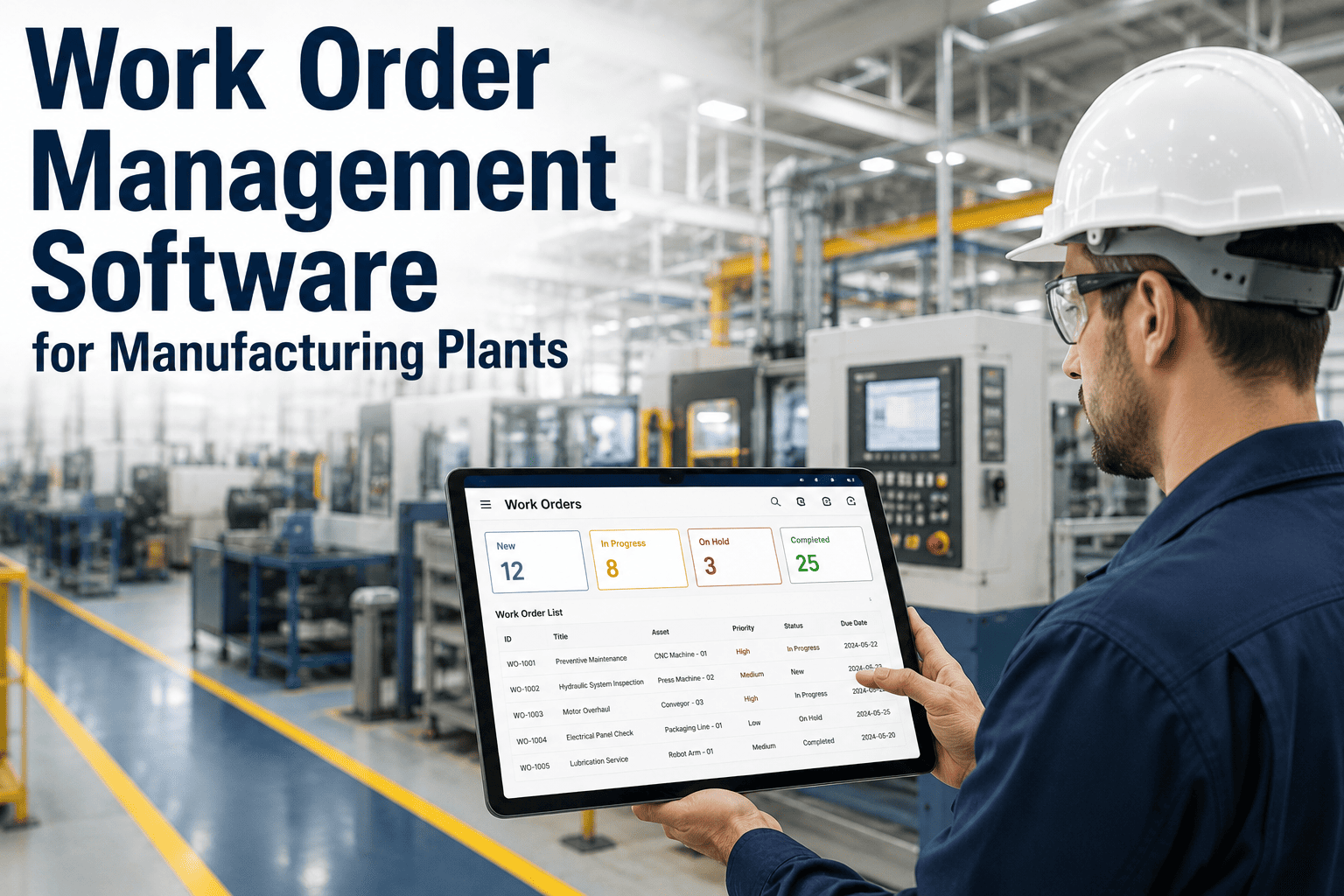
Supervisor sees all open work orders, their priority, current status, technician assignment, and SLA position in a single real-time view on any device. No end-of-shift reports required — the dashboard is the shift report, live.
Compliance Documentation
Every closed work order generates a timestamped, technician-attributed, photo-documented record that serves as the evidence trail for insurance claims, warranty submissions, regulatory inspections, and audit requirements.
Paper vs Digital Work Orders: What Changes
Frequently Asked Questions
What is work order management software?
How much does work order management software reduce maintenance costs?
How quickly can a maintenance team go live with OxMaint work order management?
Every Work Order Structured. Every Repair Documented. Every Pattern Detected.
OxMaint's mobile-first work order management gives your team the system to run maintenance properly — from fault report to closed record, on any device, live in days.