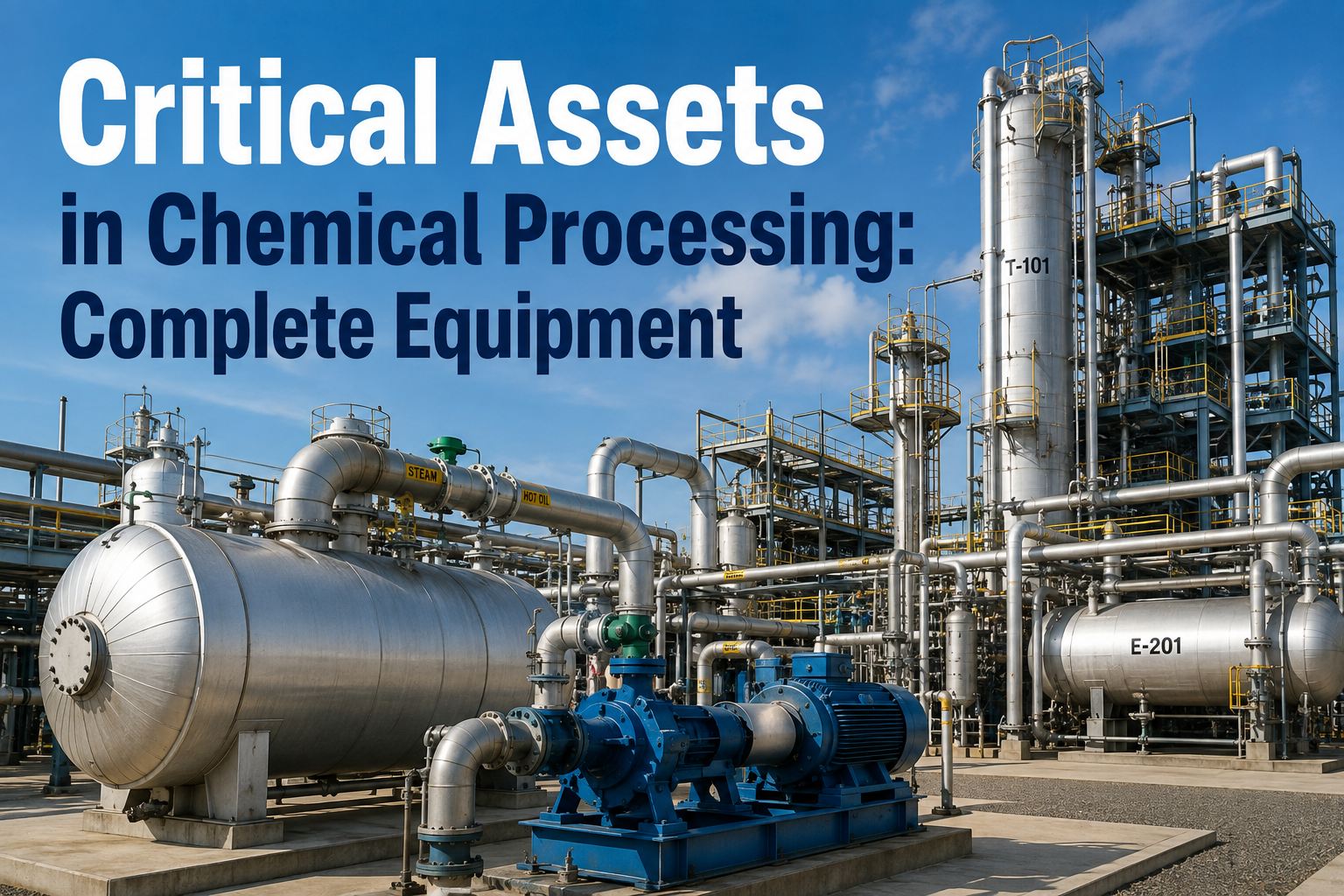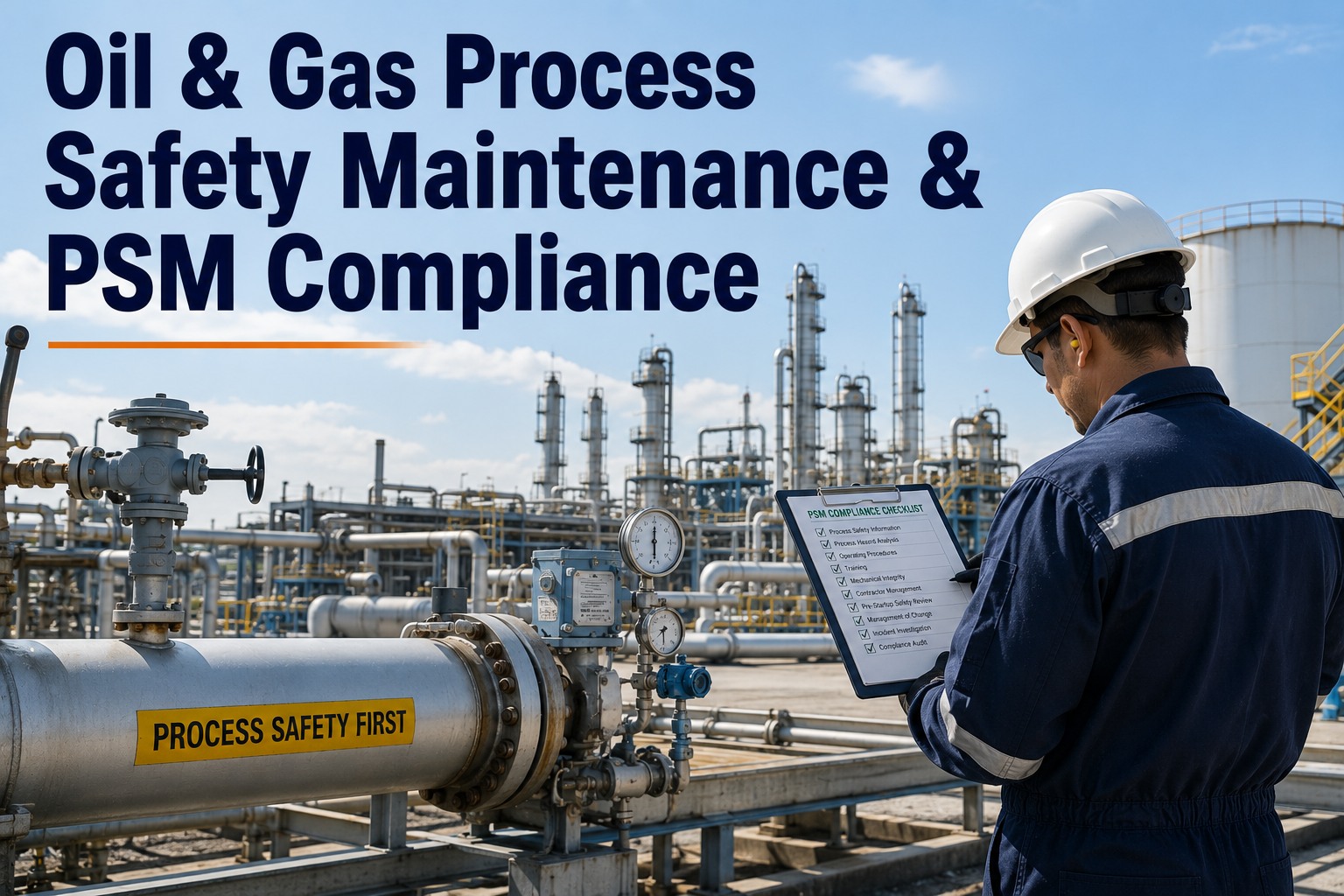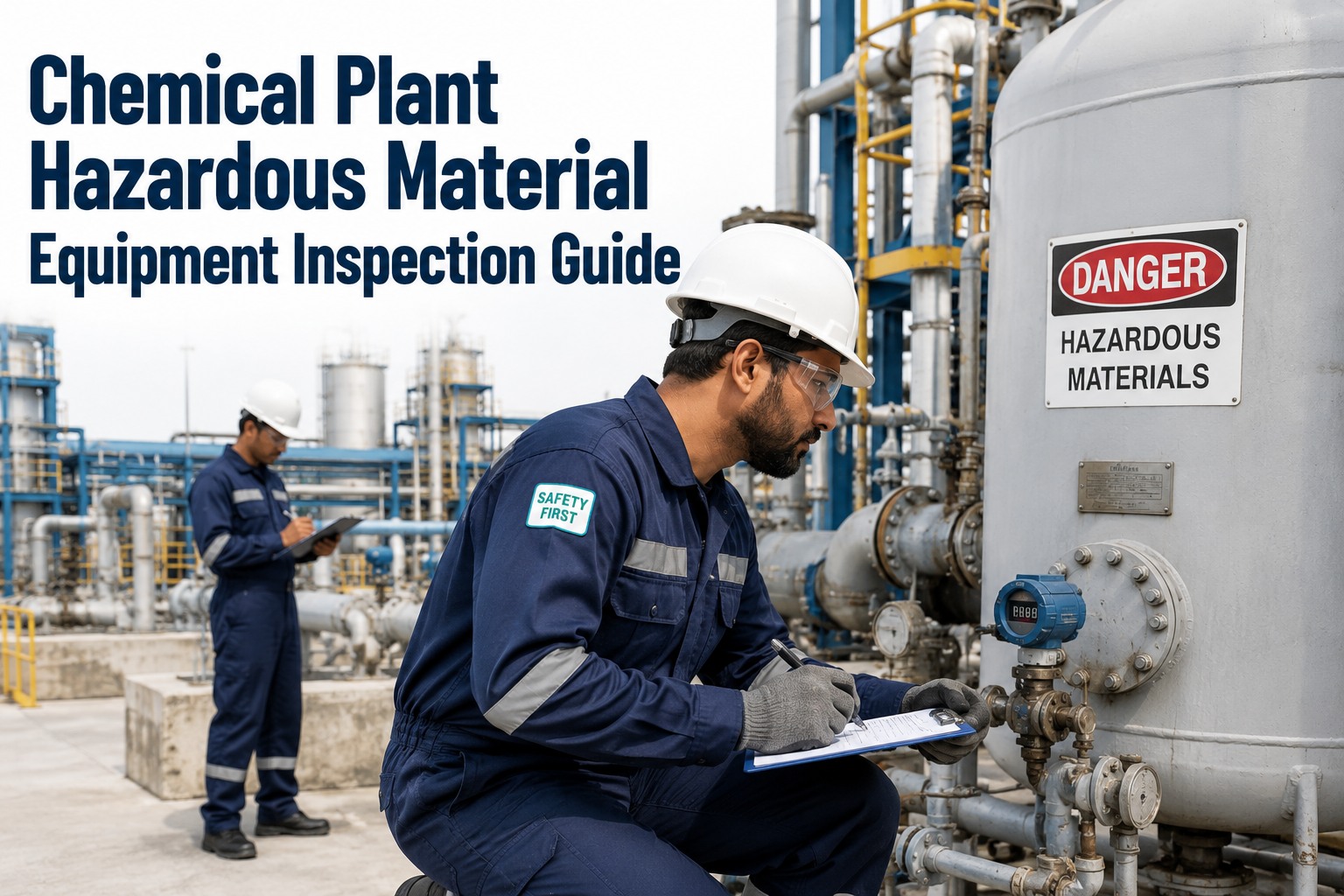
Chemical plant hazardous equipment inspection is the backbone of OSHA Process Safety Management (PSM) compliance — specifically PSM Element 5, which governs mechanical integrity for pressure vessels, piping systems, relief devices, and other critical assets handling highly hazardous chemicals. A robust chemical plant hazardous equipment inspection program ensures that mechanical degradation is detected and corrected before it leads to catastrophic leaks, fires, or regulatory penalties. OxMaint provides the AI-powered CMMS structure needed to schedule, track, and document process safety inspections so your facility remains continuously audit-ready. You can eliminate spreadsheet gaps and standardize your mechanical integrity compliance today when you Start Free Trial or book a personalized demonstration.
PSM Mechanical Integrity Compliance
Is your chemical plant hazardous equipment inspection program ready for the next OSHA PSM audit?
Over 65% of PSM citations relate directly to mechanical integrity failures. Ensure your pressure vessels, piping, and relief systems are continuously tracked, inspected, and documented with a system built for process safety compliance.
Core Compliance Areas
Essential Chemical Plant Hazardous Equipment Inspection Categories
PSM Element 5 requires a written mechanical integrity program covering specific asset classes. Each category demands rigorous inspection intervals, qualified personnel, and defensible documentation — areas where reactive maintenance and legacy spreadsheets routinely fail during regulatory audits.
Pressure Vessels
API 510 inspections require internal, external, and ultrasonic thickness evaluations at defined intervals. A single missed pressure vessel inspection can yield OSHA penalties exceeding $15,000 per violation while risking catastrophic loss of containment.
Process Piping Systems
API 574 and API 570 govern piping circuit inspection. Corrosion under insulation (CUI) and erosion in piping handling highly hazardous chemicals are leading causes of unplanned shutdowns and process safety events.
Relief & Vent Systems
PSRVD inspection, pop-testing, and sizing verification must be documented per API 510/520. Relief system inspection failures are a top contributor to catastrophic vessel ruptures during overpressure scenarios.
Aboveground Storage Tanks
API 653 mandates external and internal tank inspections. Settlement, corrosion, and roof integrity in chemical storage tanks must be tracked over 5, 10, and 20-year cycles to maintain mechanical integrity compliance.
Inspection Scheduling Matrix
Pressure Vessel & Piping Inspection Intervals for PSM Compliance
OSHA PSM compliance demands that mechanical integrity inspections occur on risk-based intervals. The table below outlines standard inspection frequencies for hazardous chemical equipment — frequencies that OxMaint automatically schedules and tracks to prevent compliance gaps.
| Equipment Class | Inspection Type | Standard Interval | Governing Standard | Documentation Required |
|---|---|---|---|---|
| Pressure Vessels | External Visual | 5 Years | API 510 | Condition report, thickness readings |
| Pressure Vessels | Internal | 10 Years (or RBI) | API 510 | Inspection checklist, NDE results |
| Process Piping | CUI / Visual | 5 Years | API 570 / 574 | Circuit ID, thickness monitoring |
| Relief Devices | Pop Test / Bench | Annual / 5 Years | API 510 | Set pressure, discharge capacity |
| Storage Tanks | External / Internal | 5 / 10 Years | API 653 | Settlement, corrosion rate |
Maintenance & Inspection Checklist
Hazardous Chemical Equipment PM Checklist for Mechanical Integrity
A defensible chemical safety inspection program requires standardized preventive maintenance tasks. Use this checklist to ensure your hazardous chemical equipment PM meets PSM Element 5 expectations for inspection quality and documentation.
Pre-Inspection Preparation
- Verify equipment is isolated, depressurized, and purged per LOTO
- Review previous inspection reports and thickness trending data
- Confirm inspector qualifications (API 510 / API 570 certified)
- Validate calibration status of NDE and UT thickness equipment
- Check P&IDs and inspection drawings for circuit boundaries
Field Inspection Execution
- Perform visual external examination for corrosion, cracks, and distortion
- Conduct ultrasonic thickness measurements at established CMLs
- Inspect welds, flanges, and nozzles for erosion and pitting
- Verify relief device tag numbers match PM schedule and P&ID
- Document all findings with photos and measured corrosion rates
Post-Inspection & Compliance
- Calculate remaining life and short-term corrosion rates
- Update equipment records with next required inspection date
- Generate deficiency reports for out-of-tolerance conditions
- Execute MOC for any temporary repairs or rerating actions
- Archive inspection records for OSHA PSM audit retrievability
Real-World Scenario
The Cost of Manual Inspection Tracking in Chemical Plants
Consider a mid-sized chemical facility operating 180 pressure vessels, 400 piping circuits, and 95 relief devices. Using spreadsheets to manage mechanical integrity compliance, they averaged 12 missed or late inspections annually — exposing the plant to $180,000 in potential OSHA penalties and 4 days of unplanned downtime per year from undetected corrosion.
By migrating to OxMaint, this 180-asset plant automated pressure vessel inspection scheduling, automated relief system verification, and centralized piping inspection tracking — cutting late inspections to zero and reducing unplanned downtime by 35% within the first 6 months.
How OxMaint Helps
Mechanical Integrity CMMS Built for Process Safety Compliance
OxMaint transforms chemical plant mechanical integrity from a reactive, paper-chasing exercise into a proactive, AI-driven compliance engine. Here is how our platform maps directly to PSM Element 5 requirements and delivers measurable ROI.
Automated Inspection Scheduling
Auto-generate work orders for pressure vessel maintenance, chemical equipment PM, and relief system inspections based on API intervals or Risk-Based Inspection (RBI) data — reducing missed inspections by 100%.
Audit-Ready Documentation
Every inspection, thickness reading, and deficiency report is time-stamped and permanently archived. Produce OSHA PSM compliance records in seconds, eliminating 20+ hours of audit prep per month.
Predictive Degradation Alerts
AI analyzes UT thickness trends and historical failure data to predict corrosion breakthroughs before they occur — cutting unplanned downtime by 30–50% and extending asset life.
Mobile Field Execution
Technicians receive digital work orders with P&IDs, previous readings, and safety protocols on mobile devices. Eliminate paper work orders and capture inspection data in real-time at the asset.
Achieve Continuous PSM Compliance
See OxMaint on your assets — book a 30-min demo
Discover how an AI-powered mechanical integrity CMMS can eliminate inspection gaps, cut downtime, and make your next OSHA PSM audit stress-free.
Frequently Asked Questions
Chemical Plant Hazardous Equipment Inspection FAQs
What is PSM Element 5 mechanical integrity?
PSM Element 5 requires chemical plants to establish and implement written procedures for maintaining the ongoing mechanical integrity of process equipment, including pressure vessels, piping, relief systems, and controls. It mandates scheduled inspections, testing, documentation, and deficiency corrections to prevent catastrophic releases of highly hazardous chemicals.
How often should pressure vessels be inspected in a chemical plant?
Under API 510, pressure vessels handling hazardous chemicals require an external inspection every 5 years and an internal inspection every 10 years, unless a Risk-Based Inspection (RBI) program justifies extended intervals. OxMaint automatically tracks these intervals and generates work orders to ensure Start Free Trial users never miss a compliance deadline.
What does OSHA look for during a PSM mechanical integrity audit?
OSHA inspectors verify that your facility has written MI procedures, qualified inspectors, current inspection records for all covered equipment, a system for tracking deficiencies, and documentation that corrective actions were completed. A CMMS like OxMaint provides the digital audit trail required to instantly prove compliance.
How does a CMMS improve chemical plant mechanical integrity?
A mechanical integrity CMMS automates inspection scheduling, standardizes checklist execution, and centralizes all compliance documentation. This eliminates the gaps caused by manual spreadsheets, reduces human error, and ensures that process safety inspections are completed and documented on time.
Can OxMaint track piping inspections and relief system testing?
Yes. OxMaint tracks piping circuit inspections (API 570/574), CUI monitoring, and relief device pop-testing schedules. You can see a Book a Demo to view exactly how the platform configures custom inspection forms for all hazardous chemical equipment classes.
Start Your Compliance Journey
Upgrade your mechanical integrity program today
Join the chemical plants using OxMaint to automate PSM compliance, predict failures, and eliminate audit stress.
Free 14-day trial · No credit card