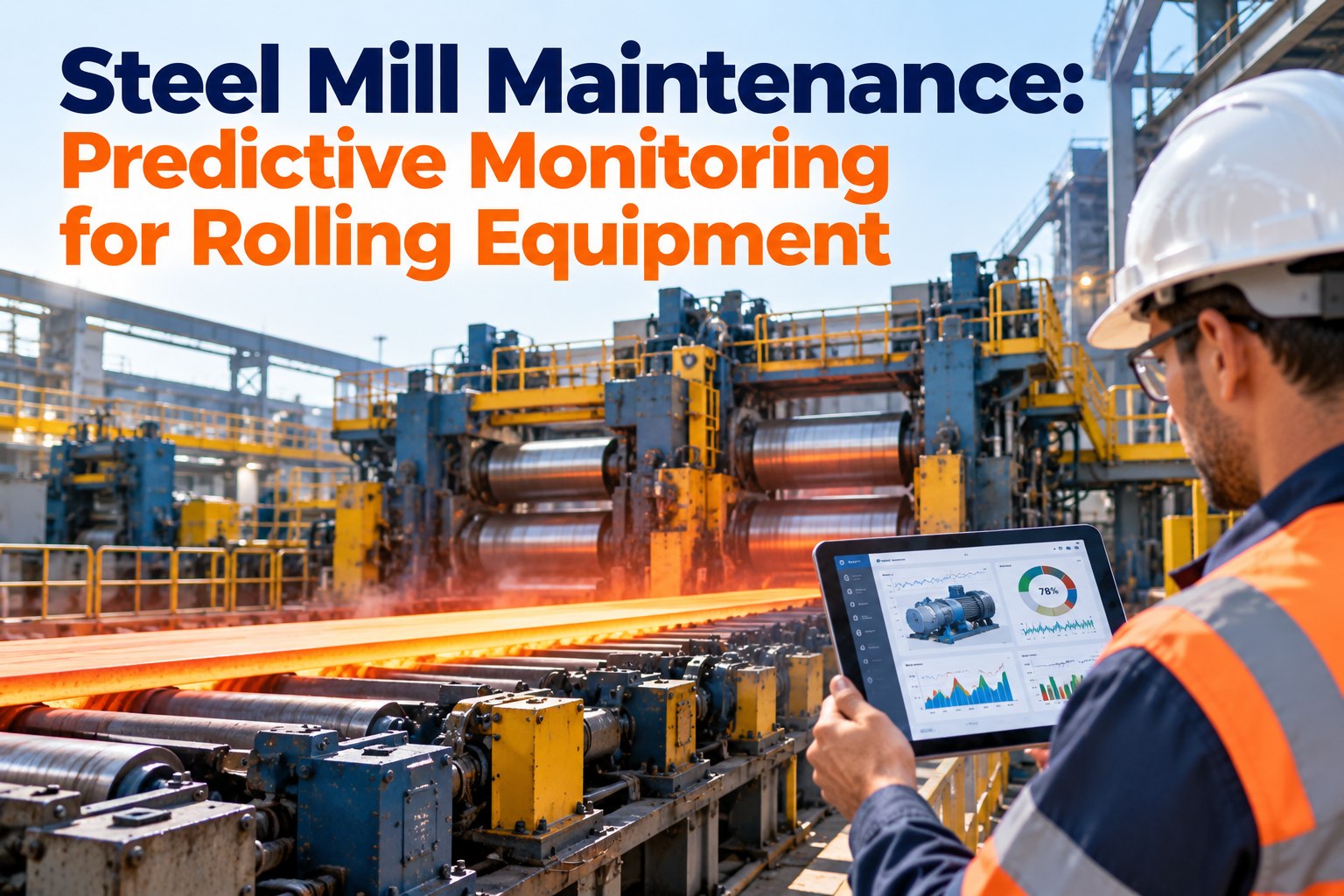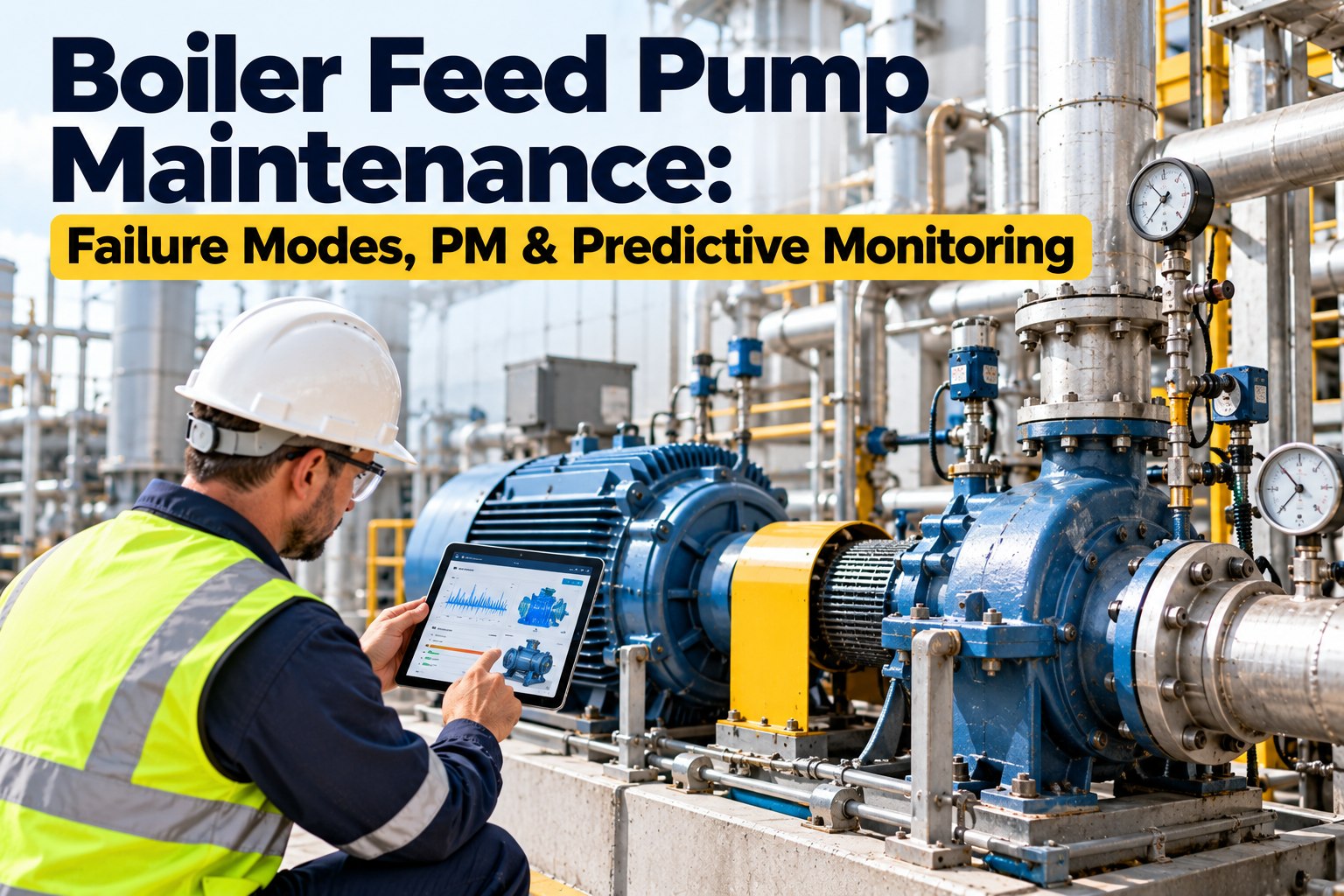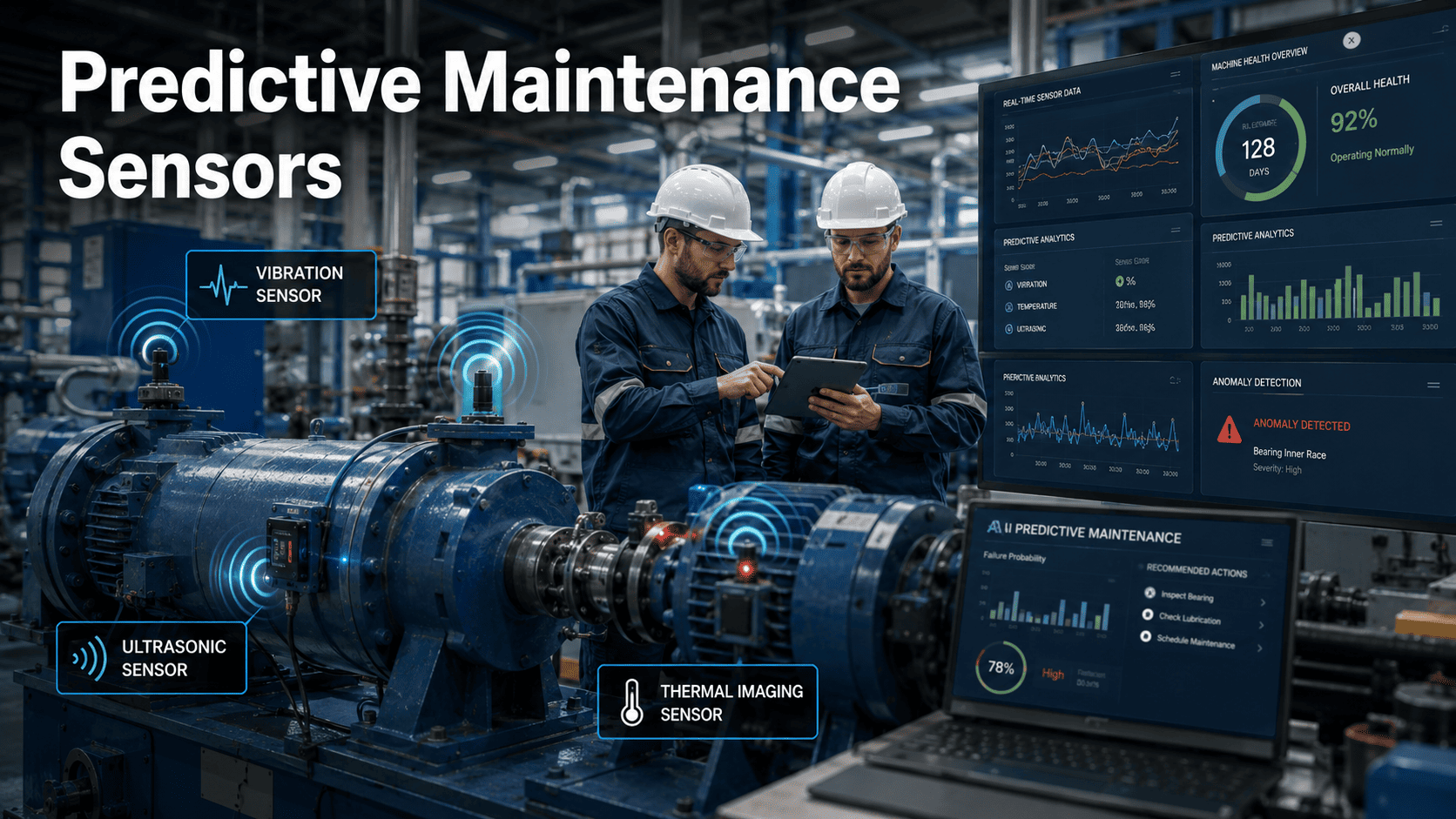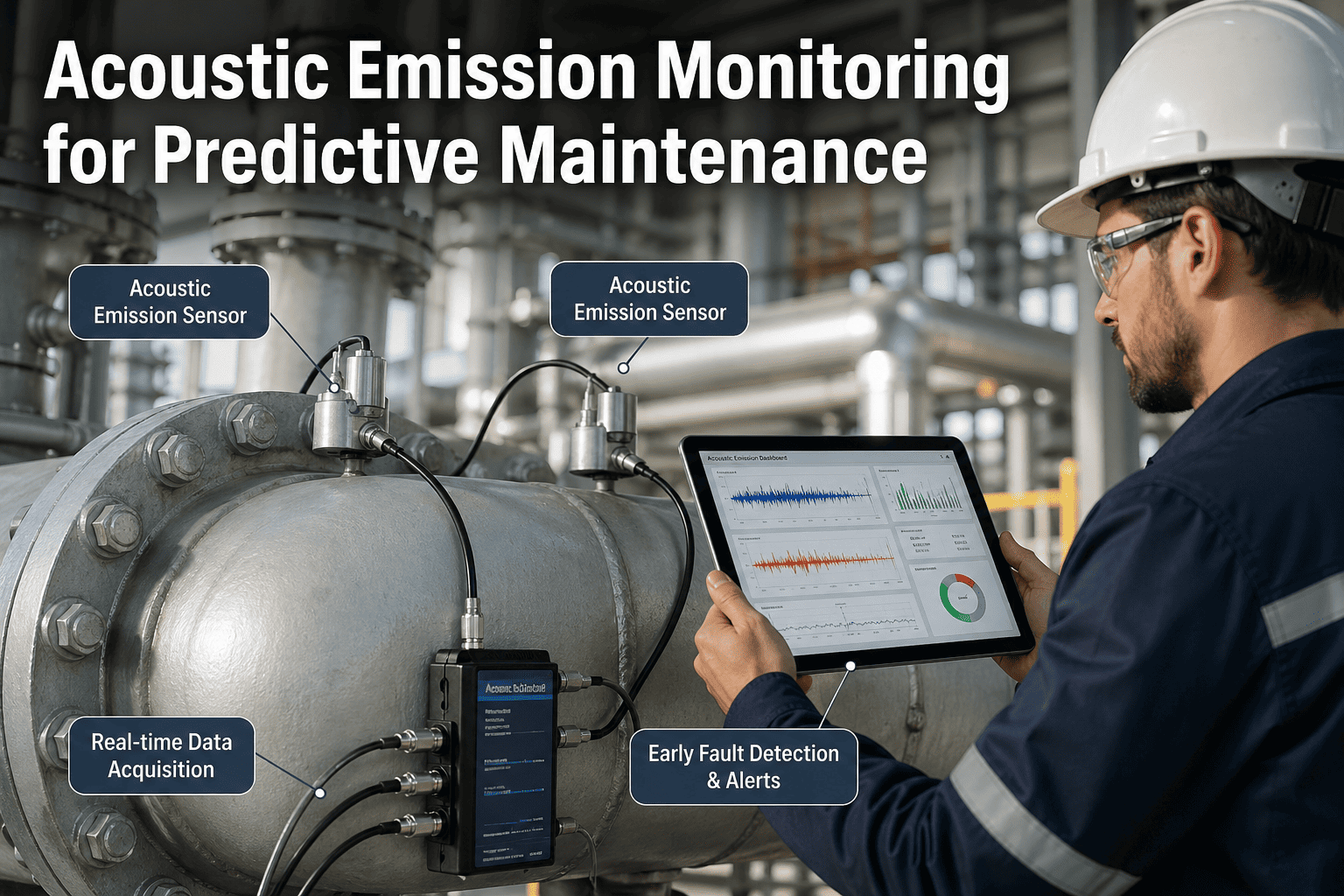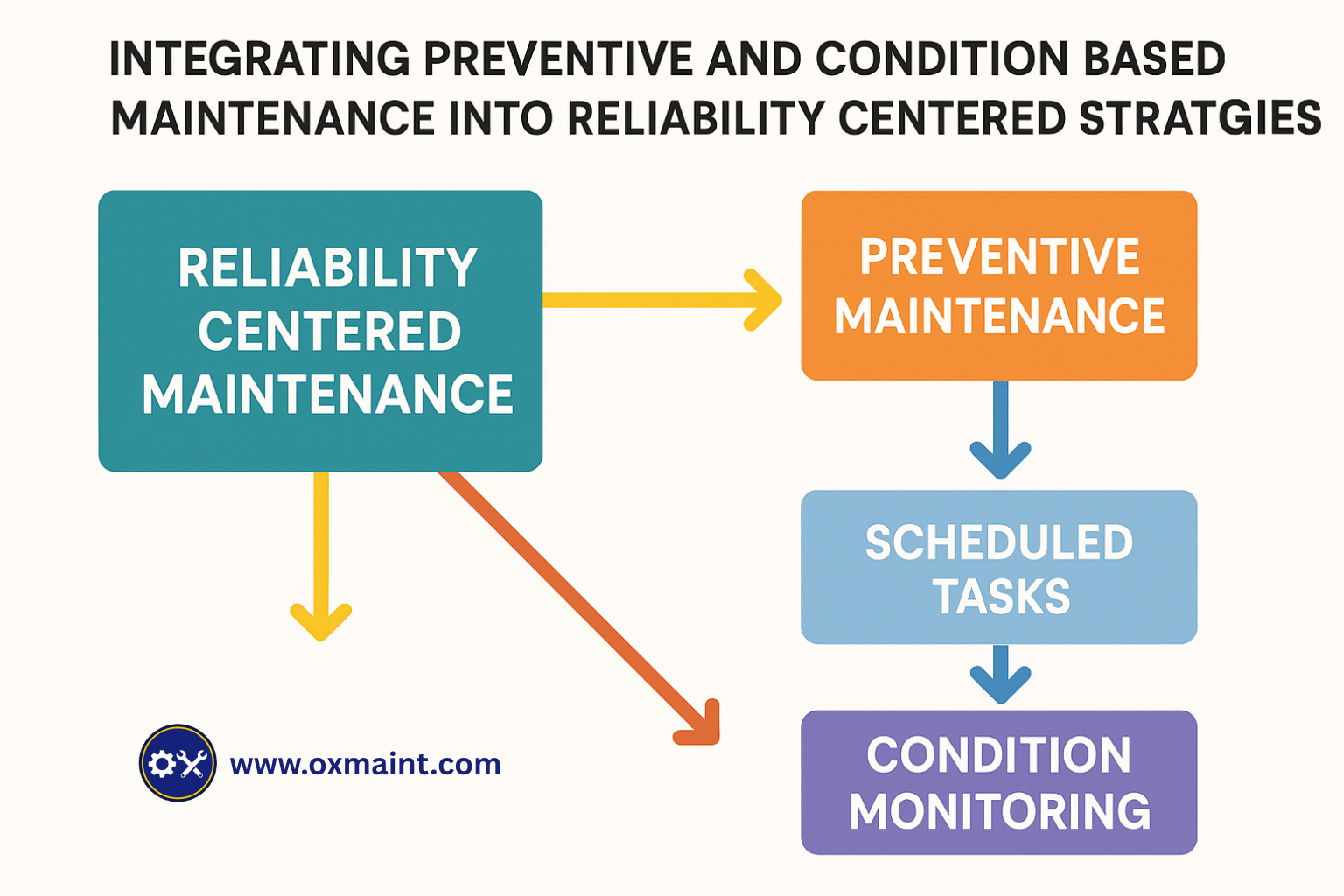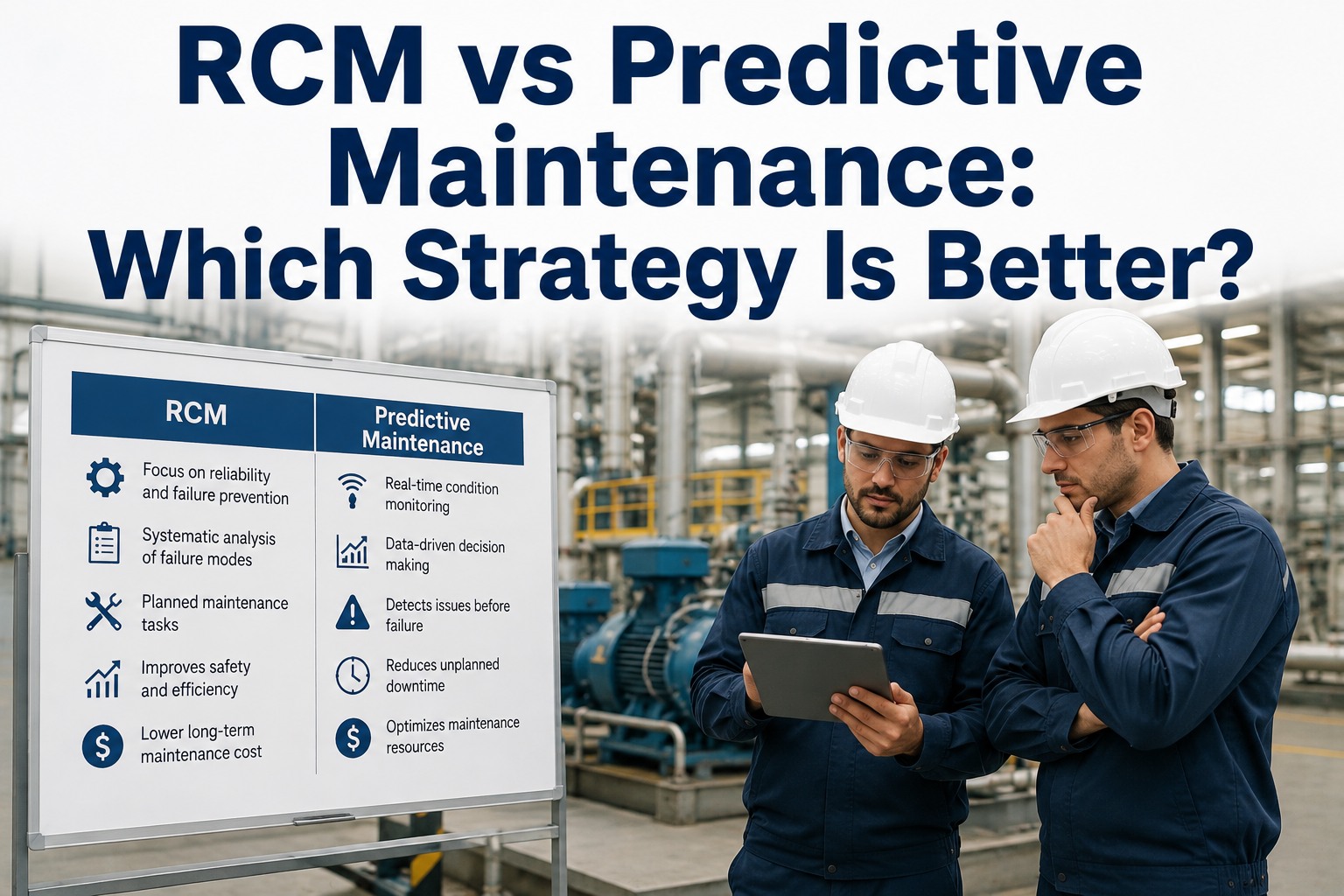
RCM vs predictive maintenance is a false choice — predictive maintenance (PdM) is not a rival strategy but one of the task types that Reliability-Centered Maintenance selects when a failure mode has a detectable warning signal. RCM is the decision framework that asks "what can this asset do, how can it fail, and what should we do about it?"; PdM is one possible answer, applied only when condition monitoring can catch a failure developing along its P-F interval. In practice, mature programs run both: RCM logic decides which assets deserve vibration analysis, thermography, oil sampling or IoT sensors, and PdM techniques execute those decisions. This guide breaks down the real difference, shows when PdM applies inside an RCM analysis, and explains how Start Free Trial connects condition signals directly to scheduled work orders so no alert goes to waste.
RCM vs Predictive Maintenance: It's Not a Competition — It's a Hierarchy
PdM is a task type inside RCM, not a competing philosophy. The real question is which failure modes earn condition monitoring — and which don't.
"Should we do RCM or predictive maintenance?" — treating them as rivals leads to sensor sprawl, alert fatigue and wasted budget on assets that don't need monitoring.
"Which failure modes does RCM assign to PdM tasks?" — condition monitoring only where a P-F interval exists, run-to-failure where it doesn't.
What Is the Difference Between RCM and PdM?
RCM is a decision logic defined by SAE JA1011; PdM is a set of detection technologies. One decides, the other detects — and confusing them costs plants 20–40% of their monitoring budget.
| Dimension | Reliability-Centered Maintenance (RCM) | Predictive Maintenance (PdM) |
|---|---|---|
| What it is | A structured framework (SAE JA1011) that determines the right maintenance task for each failure mode | A task type that monitors asset condition to detect failures before they happen |
| Core question | "What functions matter, how can they fail, and what's the consequence?" | "Is this asset showing early signs of a specific failure right now?" |
| Scope | Whole asset base — every function, every failure mode | Only failure modes with a detectable P-F interval |
| Outputs | A task mix: condition-based, scheduled restoration/discard, failure-finding, or run-to-failure | Condition readings, trend alerts and early-warning work orders |
| Typical tools | FMEA worksheets, criticality ranking, decision diagrams | Vibration analysis, IR thermography, oil analysis, ultrasonics, IoT sensors |
| When it applies | Always — as the governing strategy | Only when RCM logic says a condition task is technically feasible and worth doing |
When Does PdM Apply Inside an RCM Analysis?
A condition-based task is only valid when the P-F interval — the time between a detectable potential failure (P) and functional failure (F) — is long enough to act on. Miss that window and PdM becomes expensive noise.
Is a warning detectable?
Bearing wear shows vibration weeks ahead; a sudden electrical fault may not. If no measurable precursor exists, RCM assigns scheduled replacement or run-to-failure instead.
Is the P-F interval long enough?
If the interval is 3 months, monthly vibration routes work. If it's 3 days, you need continuous IoT monitoring — or a different task entirely. Inspection frequency must be shorter than the P-F interval.
Is it worth doing?
RCM weighs consequence: a $400 sensor on a non-critical exhaust fan fails the economics test, while the same sensor on a critical compressor paying back a $50K avoided shutdown passes easily.
RCM vs CBM vs PdM: 4 Myths That Waste Maintenance Budget
Terminology confusion is expensive. Plants that treat these as competing strategies routinely over-instrument low-criticality assets and under-monitor the ones that matter.
"Predictive maintenance replaces the need for RCM analysis."
PdM without RCM logic monitors everything equally — burning budget on assets where run-to-failure is the correct, cheaper answer. RCM decides where PdM pays.
"Condition-based maintenance (CBM) and PdM are different strategies."
They're the same task family: act on measured condition, not the calendar. PdM usually implies trending/analytics on top of CBM readings — both sit under RCM's "on-condition task" branch.
"More sensors automatically means more reliability."
Sensors without work-order follow-through generate alert fatigue. Studies of PdM programs show value comes from closing the loop — a threshold breach must become a scheduled repair, not an email nobody reads.
"RCM is a one-time study you finish and file away."
RCM is living logic. As PdM data reveals real failure patterns, task intervals and task types should be re-optimized — which is exactly what a CMMS with analytics makes continuous instead of annual.
How a 180-Asset Plant Split Its Strategy (Real Numbers)
A packaging plant with 180 rotating assets was spending $42K/year on calendar-based PM and still losing ~120 hours annually to unplanned stops. An RCM review re-sorted every asset into the right task type.
| RCM Task Assignment | Assets | Technique | Annual Cost | Outcome |
|---|---|---|---|---|
| Predictive (on-condition) | 38 critical | Vibration + oil analysis + IoT sensors | $18K | 11 failures caught in P-F window in year one |
| Scheduled restoration/discard | 52 | Time-based PM (belts, filters, seals) | $14K | Age-related failures handled at lowest cost |
| Failure-finding | 24 | Functional tests on standby/protective devices | $3K | Hidden failures surfaced before demand |
| Run-to-failure (no scheduled task) | 66 | None — spares stocked instead | $2K | PM labor redirected to critical assets |
Result: total program cost dropped from $42K to $37K while unplanned downtime fell 47% — because the 38 assets that could actually hurt production got predictive coverage, and 66 assets stopped consuming PM hours they never needed. The avoided downtime alone was worth roughly $95K at their $800/hour line-stoppage cost.
Turning RCM Decisions and PdM Signals into Closed-Loop Action
Most programs fail at the handoff: RCM logic lives in a spreadsheet, sensor alerts live in a dashboard, and work orders live somewhere else. OxMaint connects all three in one AI-powered CMMS + EAM platform.
Condition-Based Triggers
Ingest vibration, temperature, oil and IoT sensor readings; set thresholds per asset and failure mode. When a reading crosses the line, OxMaint auto-creates a prioritized work order — so every P-F warning becomes a scheduled repair, not a missed alert. Plants using automated triggers cut unplanned downtime 30–50%.
Failure-Mode-Driven Work Orders
Each auto-generated work order carries the exact failure mode, likely cause and recommended repair procedure, so technicians arrive knowing what to fix and which spare parts to pull. That alone cuts diagnosis time 25–40% on rotating equipment calls.
Asset Criticality & RCM Task Library
Rank every asset by criticality, then assign the right task mix — predictive, time-based, failure-finding or run-to-failure — per failure mode. OxMaint keeps your RCM logic executable and auditable instead of buried in a consultant's PDF.
Maintenance Analytics That Re-Optimize
Track MTBF, PM compliance, cost per asset and alert-to-repair closure rates. As real failure data accumulates, OxMaint shows which intervals to tighten and which PMs to eliminate — making RCM a continuous loop, not a one-time study.
See RCM Logic and Predictive Triggers Running on Your Assets
Book a 30-minute demo and we'll map your critical assets to the right task mix — and show a live threshold-to-work-order trigger.
RCM vs Predictive Maintenance: FAQs
Is predictive maintenance part of RCM?
Yes. In RCM terminology (SAE JA1011), predictive maintenance is an "on-condition task" — one of four task types RCM can assign, alongside scheduled restoration/discard, failure-finding and no scheduled maintenance (run-to-failure). RCM is the framework; PdM is one tool it deploys.
What is the difference between condition-based maintenance and RCM?
CBM is a maintenance tactic that acts on measured asset condition; RCM is the decision process that determines whether CBM is the right tactic for a given failure mode. Every CBM task in a well-run program should trace back to an RCM decision about P-F interval and consequence.
When should you NOT use predictive maintenance?
Skip PdM when a failure has no detectable precursor, when the P-F interval is too short to act on, or when the failure consequence is low enough that run-to-failure is cheaper. RCM's applicability and effectiveness criteria exist precisely to filter these cases out before you buy sensors.
How does the P-F interval determine inspection frequency?
Your inspection interval must be shorter than the P-F interval — typically half of it or less — so you get at least one chance to detect the failure and time to plan the repair. A 6-month P-F interval supports quarterly vibration routes; a 72-hour interval demands continuous monitoring. OxMaint lets you set these intervals per asset and book a demo to see threshold automation in action.
Can a CMMS run both RCM and predictive maintenance together?
Yes — that's the ideal setup. A CMMS like OxMaint stores your asset criticality rankings and task assignments (the RCM layer) while ingesting sensor data and auto-generating condition-triggered work orders (the PdM layer), with analytics closing the loop. You can start a free trial and configure your first condition trigger in under an hour.
Stop Choosing Between RCM and PdM — Run Both in One Platform
OxMaint turns your RCM analysis into living task logic and every sensor alert into a scheduled repair. Your first avoided shutdown pays for the program.
Free 14-day trial · No credit card · Set up your first condition trigger today