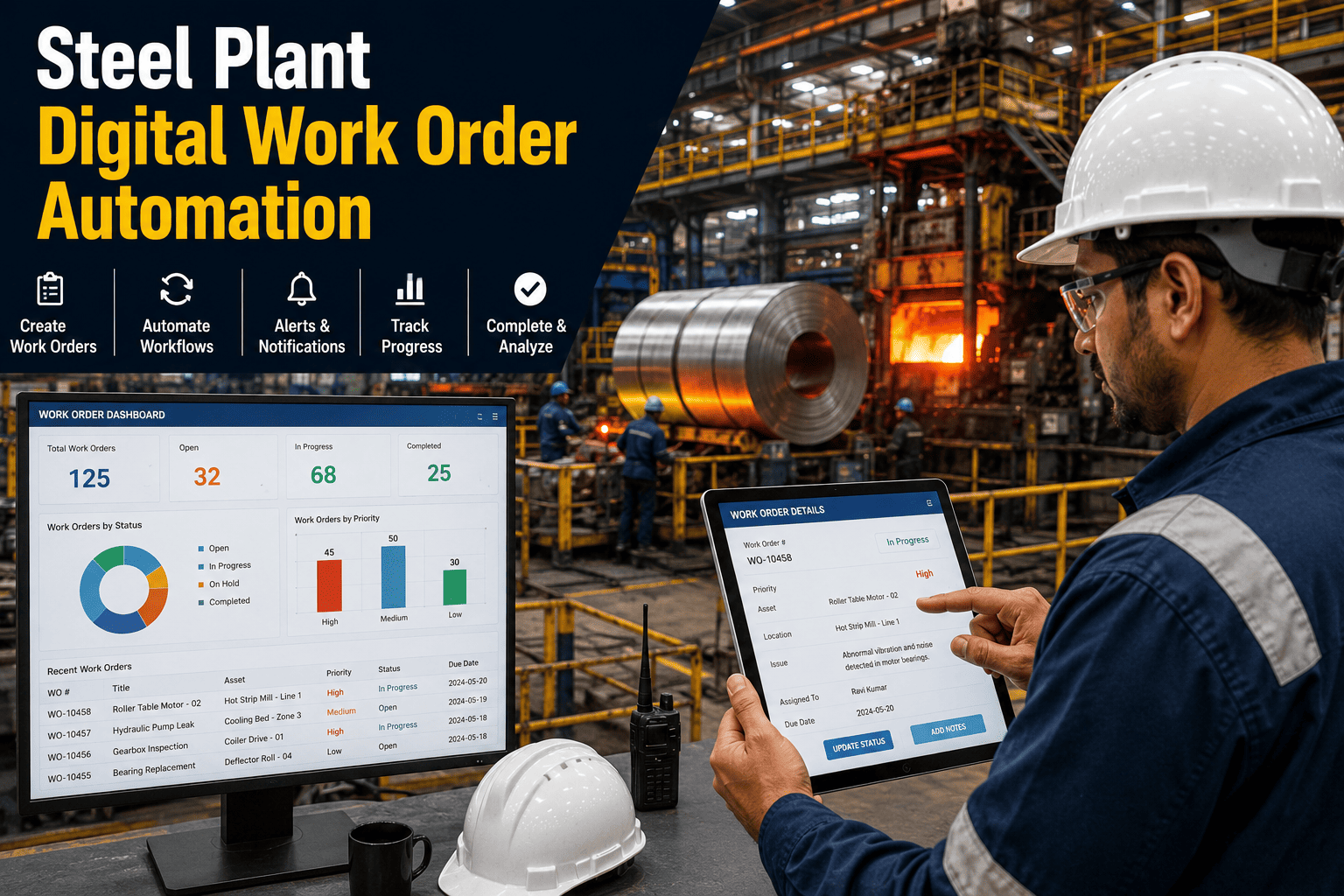
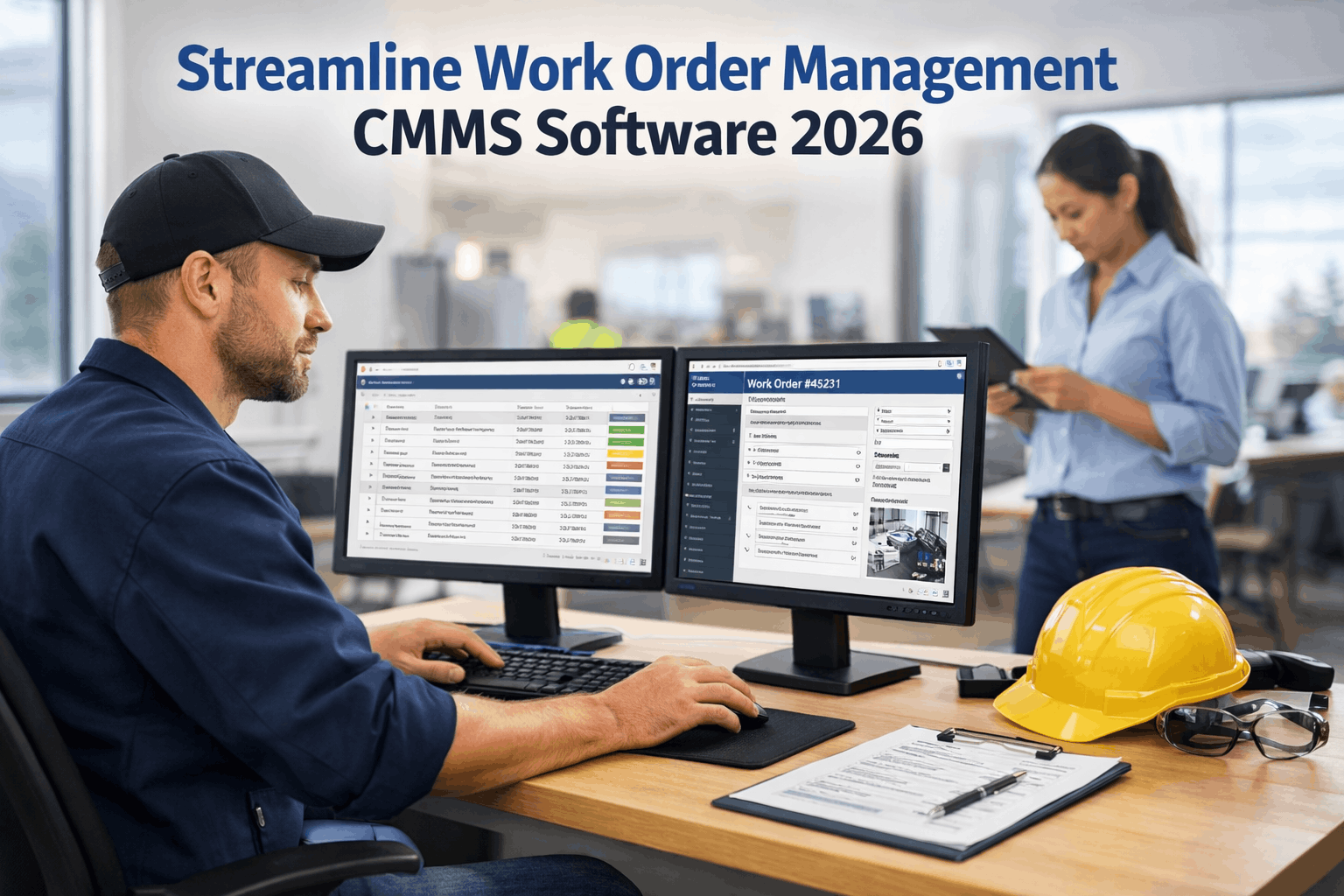
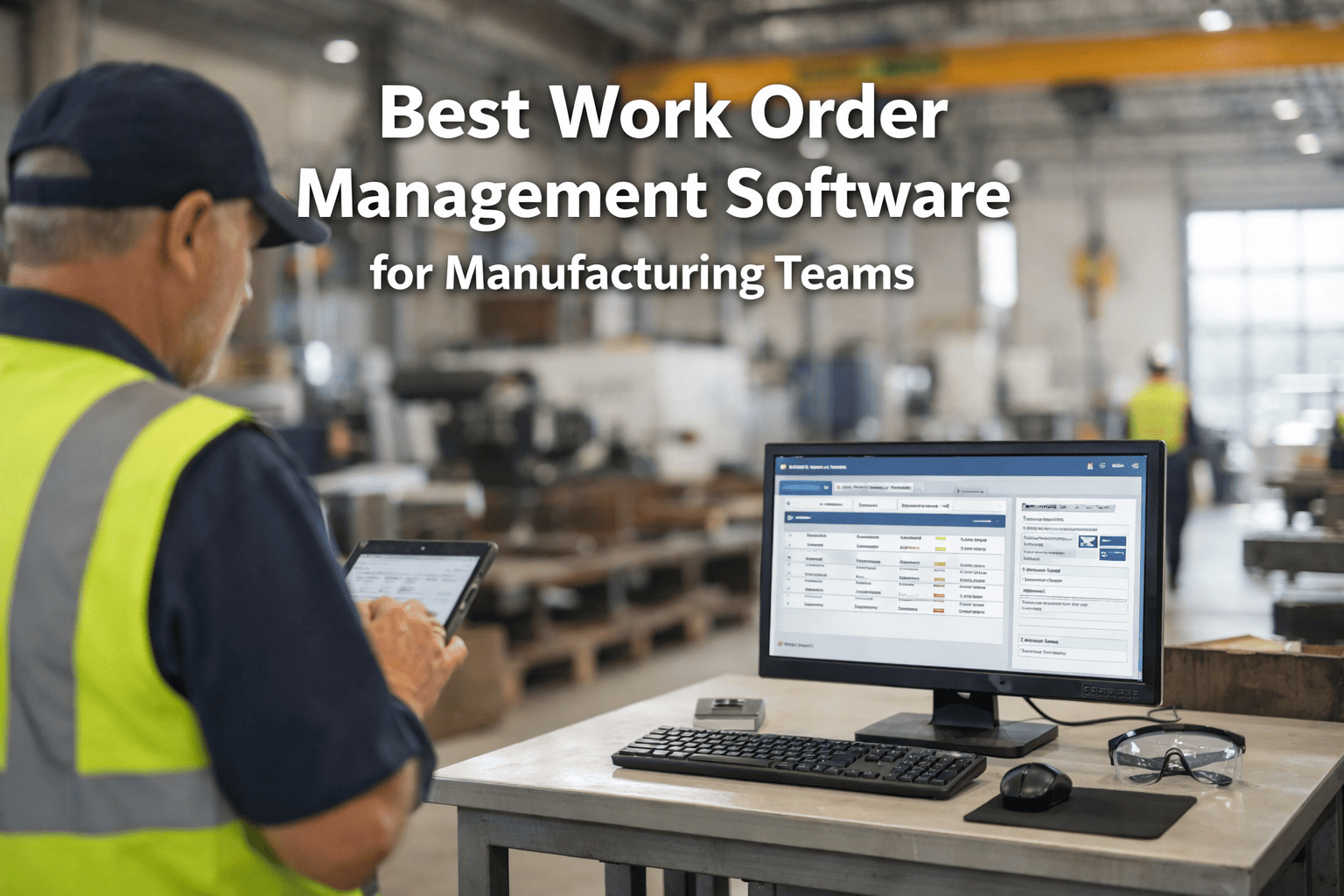
In a busy steel plant maintenance department, work orders are the currency of operations — and most of the problems that erode maintenance efficiency come from how work orders are created, assigned, prioritized, and closed. The typical steel plant maintenance team spends 20 to 35% of supervisor time on administrative work order management — creating tickets from sensor alerts manually, chasing paper approvals, transcribing completed work from technician notes, and assembling compliance documentation for audits. Digital work order automation eliminates these steps through direct sensor-to-work-order workflows, mobile execution, and automatic documentation — freeing maintenance supervisors to manage actual maintenance rather than paperwork. Start a free trial to see how Oxmaint delivers this, or book a demo to walk through your specific requirements.
Automate Steel Plant Maintenance Workflows
See how Oxmaint automates steel plant work order creation, routing, and closure — eliminating the manual steps that slow maintenance response.
Steel plants using digital work order automation report 45% faster maintenance response times and 35% reduction in administrative burden on maintenance supervisors.
- Automated sensor-to-work-order generation in under 5 minutes
- Mobile execution with automatic documentation and evidence capture
- Real-time MTTR, backlog, and PM compliance analytics
Used by operations teams managing 10,000+ assets — live in days, not months
What Is Steel Plant Digital Work Order Automation?
End-to-End Digital Maintenance Workflow for Steel Operations
Steel plant digital work order automation is the complete digitalization of the maintenance work management cycle — from initial request or sensor alert through planning, scheduling, execution, and closure — using CMMS-integrated workflows that eliminate manual handoffs, paper forms, and information gaps. Automated work orders generate from IoT sensors, operator reports, inspection findings, and PM schedules, route to the appropriate technician or contractor, and close with digital evidence capture.
The operational impact compounds across the work order lifecycle. A sensor-triggered work order that takes 2 hours to manually create and route reaches the repair technician in minutes with automation — giving maintenance teams an extra 6 to 8 hours of intervention window on equipment that's showing early failure signs. Multiply this across the hundreds of work orders a steel plant generates weekly, and the aggregate maintenance response improvement becomes a competitive differentiator in plant availability and OEE. start a free trial to see how Oxmaint structures this for your operations.
Core Capabilities
6 Capabilities That Define Effective Steel Plant Digital Work Order Automation
01
Automated Work Order Generation
Sensor threshold alerts, inspection findings, operator reports, and PM schedule triggers generate work orders automatically — with asset linkage, priority classification, required parts, and technician assignment pre-populated.
02
Dynamic Priority Scoring
Work orders are priority-scored based on equipment criticality, production impact, safety implication, and estimated time to failure. Maintenance planners see the complete prioritized backlog — not a flat list that requires manual sorting.
03
Mobile Execution Platform
Technicians receive, execute, and close work orders on mobile from the equipment location. Time stamps, labor hours, parts consumed, and corrective findings record automatically — no paper transcription.
04
PM Schedule Automation
Preventive maintenance schedules generate work orders based on runtime hours, calendar intervals, or condition thresholds. PM compliance tracking shows completion rates by equipment category, shift, and technician.
05
Contractor and Multi-Trade Coordination
External contractor work orders include scope documentation, safety requirements, permit references, and completion verification. Multi-trade jobs coordinate sequencing through linked work order dependencies.
06
Performance Analytics Dashboard
MTTR, MTBF, PM compliance, backlog aging, and technician utilization analytics give maintenance managers objective data for resource allocation, contractor decisions, and reliability program prioritization.
Industry Pain Points
Where Manual Work Order Systems Fail in Steel Plants
Most operations teams know their programs have gaps — the challenge is closing them before they generate the next costly incident. start a free trial to map the gaps in your current program.
Sensor Alerts Reaching Maintenance Too Late
Process sensor anomalies appear in SCADA or DCS displays but require a human to observe them and manually create a maintenance request. The detection-to-action gap is 2 to 24 hours — during which degradation continues.
PM Compliance Under 70%
Without automated PM scheduling and tracking, preventive maintenance completion rates fall below 70% in most steel plants. Missed PMs accumulate into the reactive failure backlog that drives emergency repair costs.
Administrative Burden on Supervisors
Maintenance supervisors spend 20–35% of their working hours on work order administration — creating, routing, approving, and closing tickets. This time comes directly from floor supervision and technical troubleshooting.
No Technician Productivity Visibility
Without digital work order tracking, maintenance managers have no objective data on technician utilization, work order backlog composition, or mean time to repair across equipment categories. Management decisions are based on intuition rather than data.
Operations teams that digitize steel plant digital work order automation eliminate 40–65% of the avoidable costs that reactive and manual approaches generate.
How Oxmaint Solves It
How Oxmaint Delivers Steel Plant Digital Work Order Automation
Automated Work Order Generation
Sensor threshold alerts, inspection findings, operator reports, and PM schedule triggers generate work orders automatically — with asset linkage, priority classification, required parts, and technician assignment pre-populated.
Dynamic Priority Scoring
Work orders are priority-scored based on equipment criticality, production impact, safety implication, and estimated time to failure. Maintenance planners see the complete prioritized backlog — not a flat list that requires manual sorting.
Mobile Execution Platform
Technicians receive, execute, and close work orders on mobile from the equipment location. Time stamps, labor hours, parts consumed, and corrective findings record automatically — no paper transcription.
PM Schedule Automation
Preventive maintenance schedules generate work orders based on runtime hours, calendar intervals, or condition thresholds. PM compliance tracking shows completion rates by equipment category, shift, and technician.
Contractor and Multi-Trade Coordination
External contractor work orders include scope documentation, safety requirements, permit references, and completion verification. Multi-trade jobs coordinate sequencing through linked work order dependencies.
Performance Analytics Dashboard
MTTR, MTBF, PM compliance, backlog aging, and technician utilization analytics give maintenance managers objective data for resource allocation, contractor decisions, and reliability program prioritization.
Manual Work Order System vs Digital Automation (Oxmaint)
Manual Work Order System vs Digital Automation (Oxmaint)
| Dimension | Manual Work Order System | Digital Automation (Oxmaint) |
|---|
| Alert-to-work-order time | 2–24 hours — manual observation and ticket creation | Under 5 minutes — automated sensor-to-work-order generation |
| PM compliance rate | 60–70% — missed PMs accumulate in reactive backlog | 90%+ — automated scheduling and compliance tracking |
| Supervisor administrative time | 20–35% of working hours on WO administration | 8–12% — automation handles routing, documentation, and closure |
| Technician time on value work | 55–65% — balance lost to travel, waiting, and administration | 75–80% — mobile-first execution reduces non-productive time |
| Work order documentation quality | Incomplete — paper transcription loses context and evidence | Complete — mobile capture of time, parts, photos, and findings |
| Maintenance cost visibility | Lagging — monthly reports from manual data aggregation | Real-time — live MTTR, backlog aging, and cost-per-asset analytics |
ROI and Results
What Operations Teams Report After Deployment
Organizations using Oxmaint consistently report measurable improvements within the first 12 months. Start a free trial to see how your metrics could shift.
45%
Faster Maintenance Response Time
Alert-to-repair completion with automated work order generation vs manual process
90%+
PM Compliance Rate
Automated scheduling and tracking vs manual PM management — industry benchmark
35%
Reduction in Supervisor Admin Time
Work order administration hours recovered for floor supervision and technical work
25%
Lower Overall Maintenance Cost
Combined effect of faster response, higher PM compliance, and reduced reactive breakdowns
FAQ
Steel Plant Digital Work Order Automation: Common Questions
How does Oxmaint automate work order generation from existing SCADA systems?
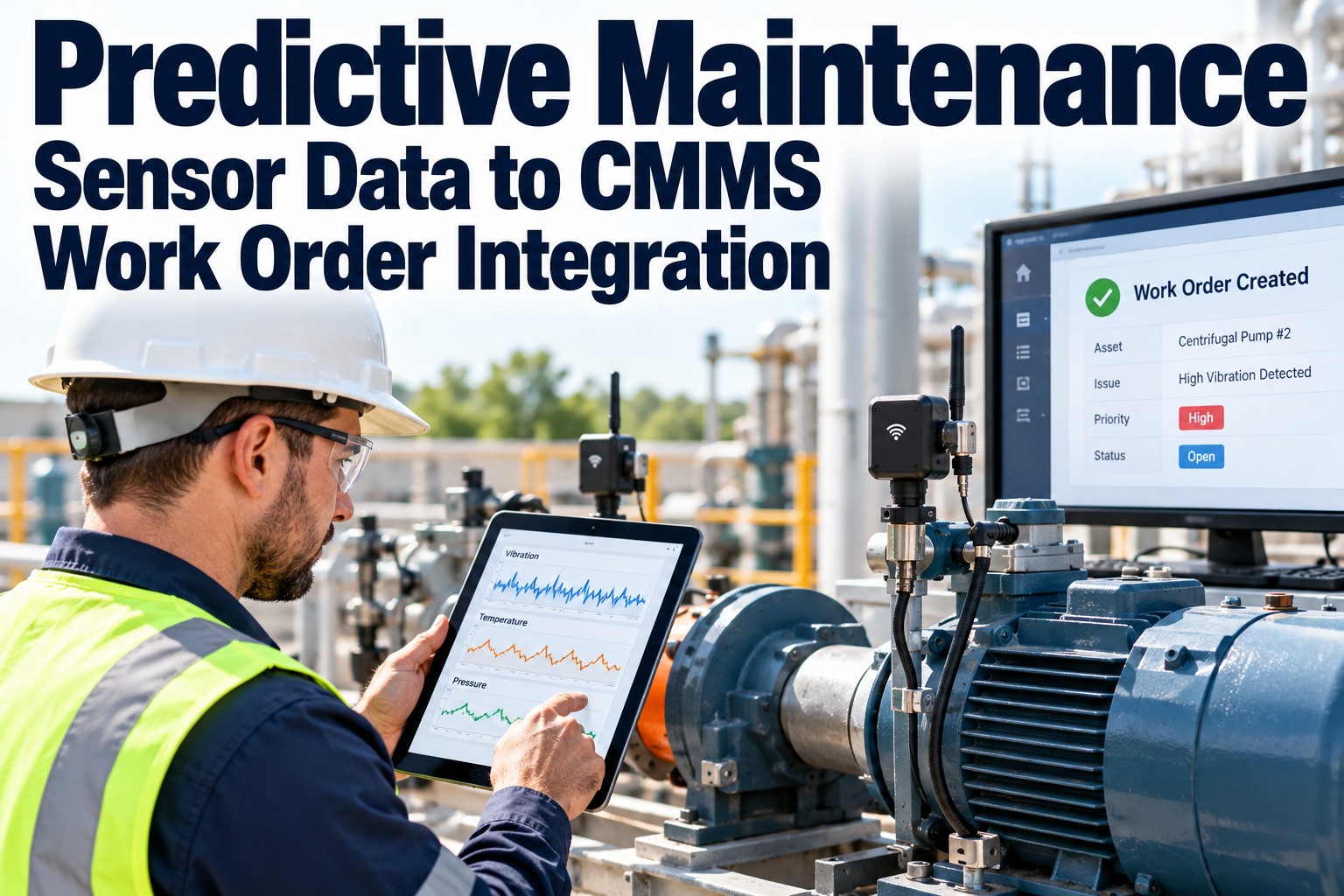
Oxmaint connects to SCADA and DCS systems via OPC-UA, Modbus, and REST APIs. Threshold rules configured in Oxmaint trigger work order generation when sensor values cross configured limits — with asset linkage, priority classification, and pre-populated parts requirements. The connection typically takes 1–2 weeks to configure for standard automation protocols. Start a free trial to begin the configuration process.
Can Oxmaint manage both corrective and preventive work orders in the same system?
Yes. Oxmaint handles the complete work order spectrum — corrective maintenance (reactive and condition-triggered), preventive maintenance (calendar and runtime-based), predictive maintenance (sensor-triggered), and project work — all in a single system with unified scheduling, resource allocation, and performance reporting. Book a demo to see how different work order types are managed in practice.
How does the mobile app work in steel plant environments with poor connectivity?
Oxmaint's mobile app works offline — technicians download their work orders at the start of shift and execute them without network connectivity. Completed work orders, time records, parts consumption, and photo evidence sync automatically when connectivity is restored. This is critical for steel plant environments where coverage is inconsistent in the furnace floor and remote maintenance areas.
What analytics does the system provide for maintenance performance management?
Oxmaint provides real-time dashboards for MTTR by equipment category, MTBF trends, PM compliance by shift and technician, backlog aging analysis, cost per work order, and equipment reliability scoring. All metrics are configurable and exportable for management reporting. Maintenance managers can identify their worst-performing assets, highest-cost failure modes, and lowest-compliance PM categories — driving targeted improvement programs.
Automate Steel Plant Maintenance Workflows
Stop Managing Maintenance on Paper. Start Managing It on Data.
Automate steel plant work orders from sensor alert to completed repair with Oxmaint's digital maintenance platform.
- Automated sensor-to-work-order generation in under 5 minutes
- Mobile execution with automatic documentation and evidence capture
- Real-time MTTR, backlog, and PM compliance analytics
Used by operations teams managing 10,000+ assets — limited onboarding slots available this quarter