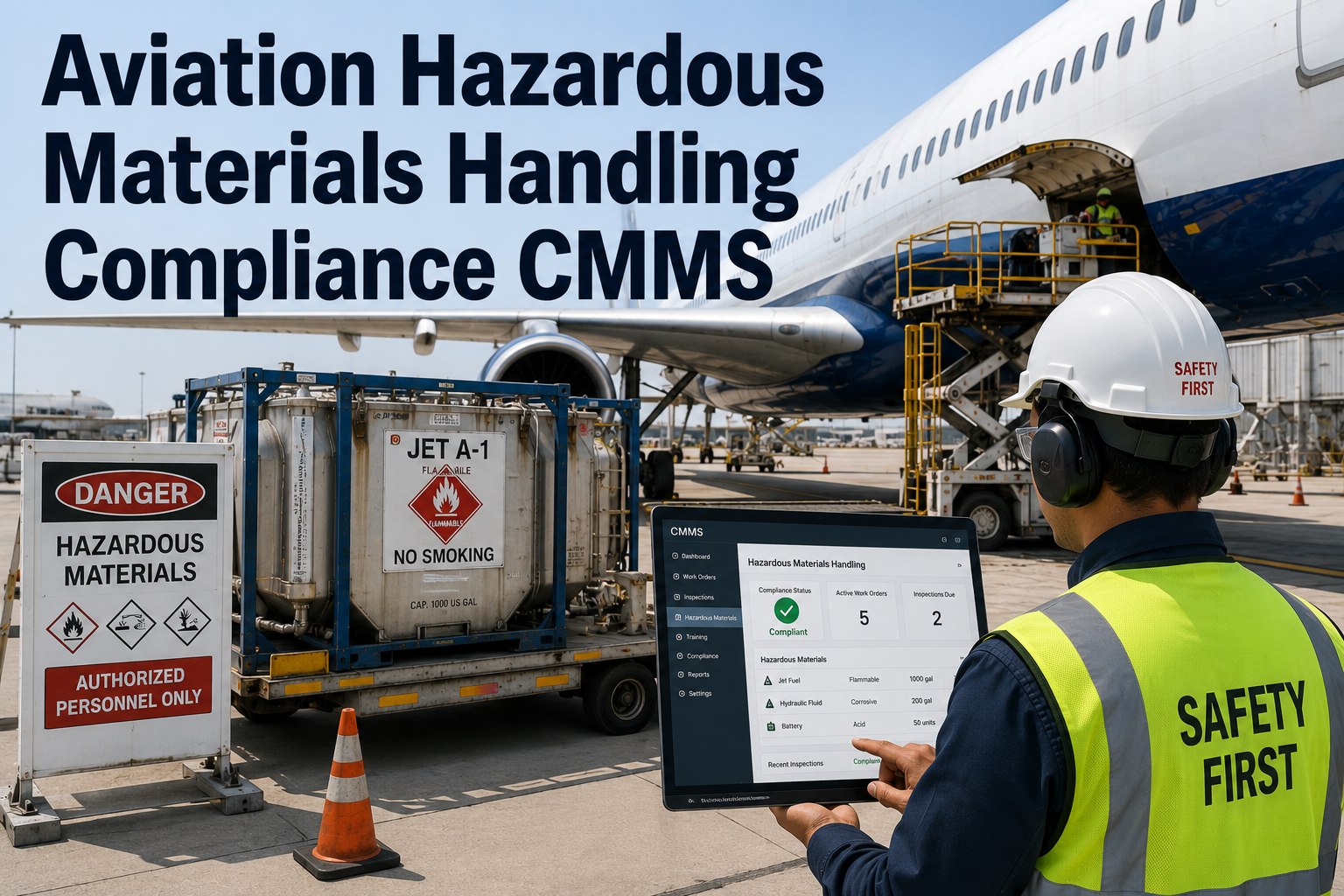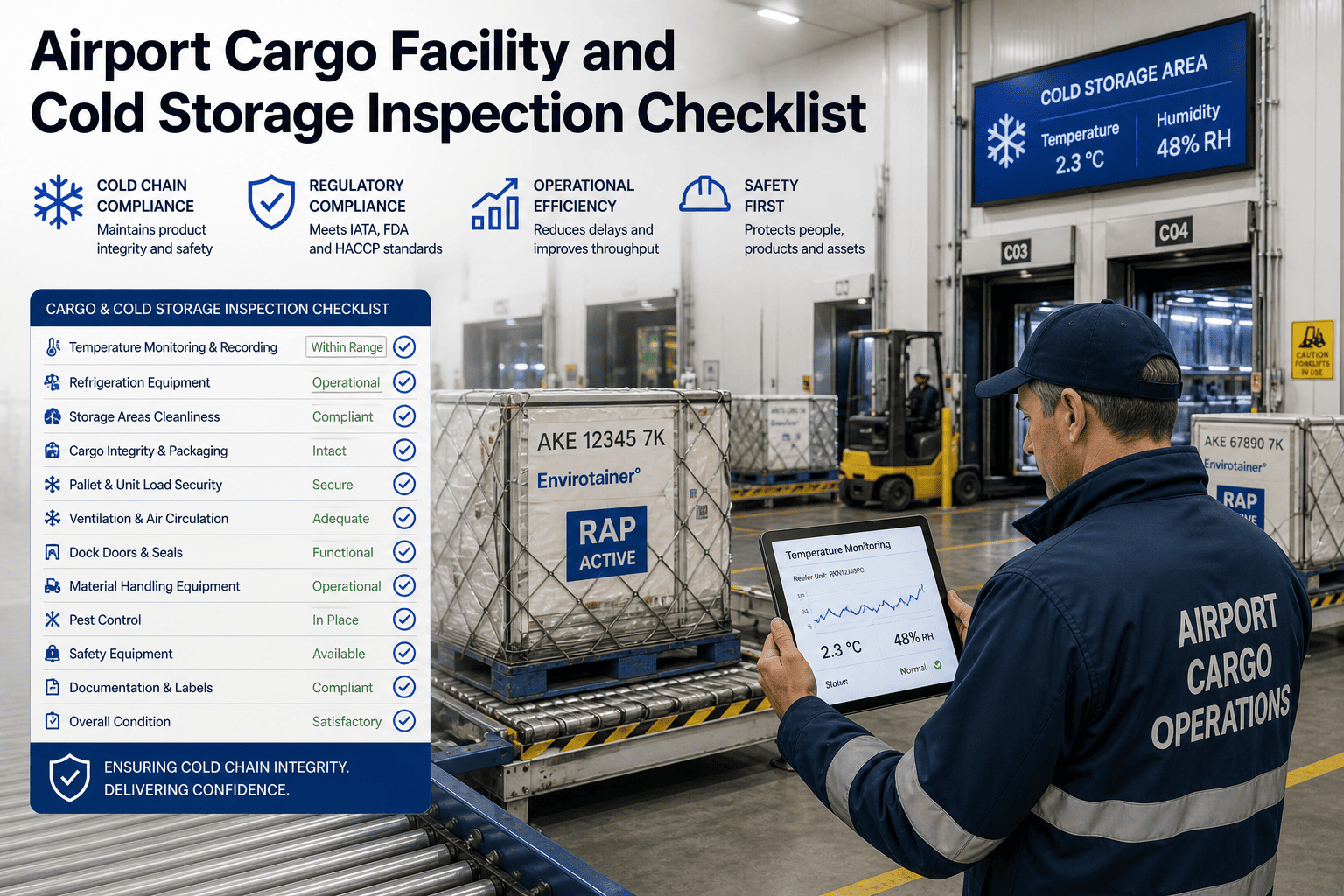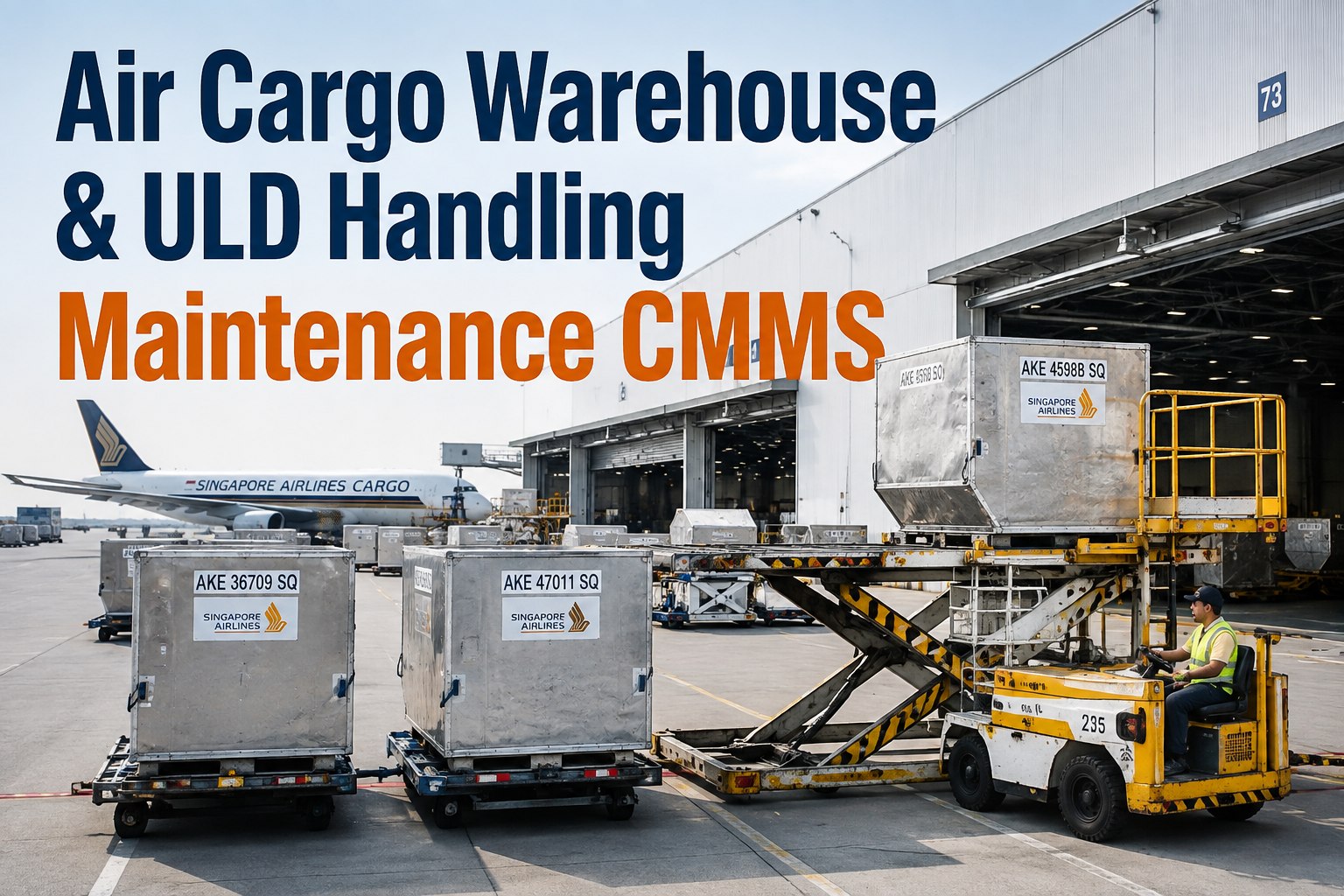
Air cargo warehouse maintenance is the backbone of on-time freight handling — when ULD handling equipment, cargo conveyor systems, and cold storage units fail, the cascade of delays hits airline schedules and shipper commitments within minutes. This guide covers how a modern CMMS for air cargo operations streamlines ULD equipment maintenance, dock leveler inspections, and cargo facility asset tracking to keep terminal throughput matched to flight schedules. Whether you manage a 50,000-square-meter cargo terminal or a regional air freight hub, implementing a dedicated air cargo CMMS can cut unplanned downtime by 30–50% and extend the life of high-value material handling equipment. See how OxMaint transforms reactive, paper-driven maintenance into predictive, audit-ready operations when you Start Free Trial today.
AIR CARGO WAREHOUSE MAINTENANCE GUIDE 2026
Is a single conveyor breakdown grounding your entire cargo operation?
In high-volume air cargo terminals, one ULD lift failure or cold storage compressor fault can stall hundreds of shipments, trigger airline SLA penalties, and ripple delays across the global freight network. OxMaint's AI-powered CMMS for air cargo warehouses keeps your material handling assets running at peak throughput — predictively, not reactively.
CARGO FACILITY MAINTENANCE CHALLENGE
Why air cargo warehouse maintenance is mission-critical in 2026
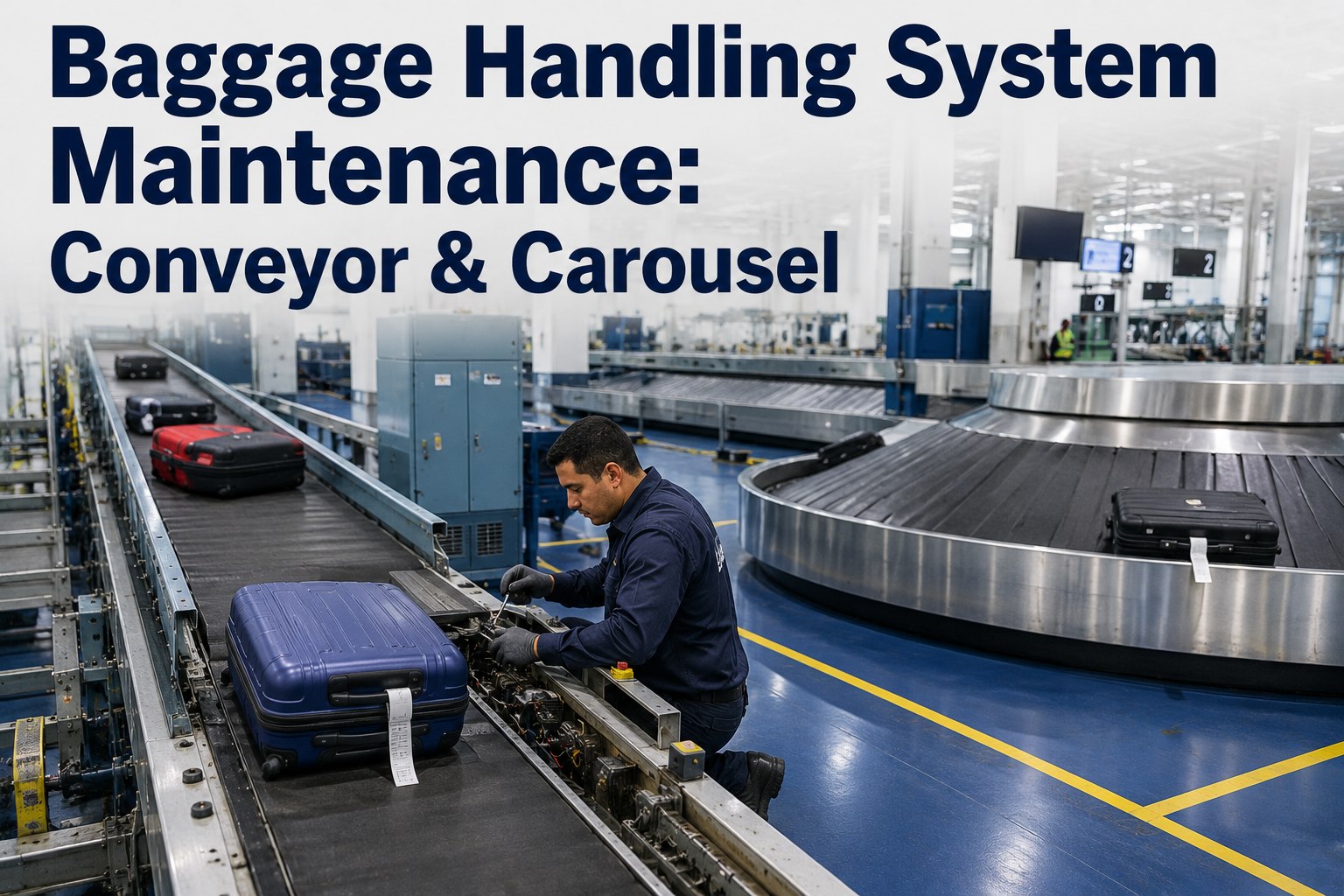
Modern air cargo warehouses process over 10,000 ULDs daily at major hubs, relying on synchronized conveyor networks, automated storage and retrieval systems (ASRS), dock levelers, and temperature-controlled zones. A single hour of unplanned downtime on a main cargo conveyor line can back up 200+ shipments and cost $15,000–$40,000 in delayed freight penalties, missed connections, and expedited trucking. Yet most cargo facilities still manage maintenance on spreadsheets, clipboards, and fragmented work order systems — leaving reliability teams blind to emerging failures until equipment stops.
A worked example: a regional air cargo facility operating 180 material handling assets — including ULD lifts, roller conveyors, dock levelers, and reefer units — was spending $42,000 annually on emergency repairs and expedited parts. After implementing a CMMS for cargo facility maintenance with automated PM scheduling and condition-based monitoring, the terminal reduced unplanned downtime by 38%, cut emergency repair spend by $18,500 in year one, and improved OEE on its primary conveyor line from 76% to 91%.
ULD AND CONVEYOR PM CHECKLIST
Air cargo warehouse and ULD equipment maintenance checklist
A structured preventive maintenance program is the difference between predictable terminal throughput and chaotic, reactive firefighting. Below is a tiered PM checklist for the core asset categories in a cargo warehouse, aligned with ISO 55000 asset management principles and typical airline ground handling agreements (SLA compliance).
- Inspect hydraulic pressure and seal integrity — every 250 cycles
- Test lift platform leveling and safety stop sensors — weekly
- Lubricate chain drives and guide rollers — 250 operating hours
- Calibrate load cells and overload protection — quarterly
- Inspect structural welds and mounting bolts — semi-annually
- Check belt tension, tracking, and splice wear — weekly
- Inspect drive motor temperature and amperage draw — weekly
- Lubricate drive chain and bearing assemblies — 500 hours
- Test photoelectric sensors and dimensioning scanners — daily
- Replace worn belt sections before reaching 3mm thinning — predictive
- Test hydraulic lift cylinders and velocity fuses — monthly
- Inspect dock lip hinge pins and hold-down ratchets — monthly
- Calibrate vehicle restraint system sensors — weekly
- Lubricate door tracks and weather seals — quarterly
- Test dock shelter curtain integrity for temp-zone separation — monthly
- Log evaporator coil temperature and defrost cycle — daily
- Inspect compressor oil level and refrigerant pressure — weekly
- Test temperature data logger calibration — quarterly
- Inspect door gaskets and air curtain functionality — weekly
- Verify alarm notification chain and backup generator — monthly
| Asset Category | PM Frequency | Critical Failure Mode | Downtime Cost / Hour |
|---|---|---|---|
| ULD Lifts | 250 cycles | Hydraulic seal failure | $12,000 |
| Cargo Conveyors | 500 hours | Belt splice separation | $18,000 |
| Dock Levelers | Monthly | Velocity fuse malfunction | $8,500 |
| Cold Storage | Daily log | Compressor refrigerant leak | $25,000 |
| ASRS Cranes | 1,000 hours | Positioning sensor drift | $30,000 |
CMMS IMPLEMENTATION ROADMAP
How to implement an air cargo CMMS in 6 months
Transitioning a cargo warehouse from spreadsheet-based maintenance to a full CMMS for ULD handling requires a phased approach. Below is a 6-month timeline used by successful air cargo terminals, designed to minimize operational disruption while delivering measurable ROI by month four.
Catalog all 150–250 cargo warehouse assets into OxMaint — conveyors, ULD lifts, dock levelers, cold storage, ASRS — with QR code tagging for instant mobile identification. Establish asset hierarchy and criticality ratings.
Build automated preventive maintenance triggers based on cycle counts, operating hours, and calendar intervals. Migrate existing PM checklists into digital work order templates with mandatory photo capture and checklist completion.
Link spare-parts inventory to each asset's bill of materials. Set min/max reorder points for critical components — hydraulic seals, conveyor belt splices, compressor refrigerant — to eliminate stockout-driven downtime.
Connect IoT vibration and temperature sensors on critical conveyor drives and ULD lift hydraulics. OxMaint's AI engine begins pattern recognition, flagging anomaly trends before they become failures.
Launch MTBF, MTTR, OEE, and PM compliance dashboards. Maintenance managers begin weekly reliability meetings using OxMaint's analytics — shifting from reactive firefighting to data-driven planning.
Run full IATA CEIV Pharma and ground handling SLA compliance audit using OxMaint's maintenance history reports. Identify remaining asset reliability gaps and fine-tune predictive maintenance thresholds.
ROI AND PAYBACK
CMMS air cargo cost savings and ROI breakdown
The financial case for a CMMS in cargo warehouse maintenance is driven by three levers: reduced unplanned downtime, lower emergency repair costs, and extended asset life. Below is a savings model based on a 180-asset air cargo terminal handling 4,000 ULDs daily.
| Cost / Savings Line | Before CMMS (Annual) | With OxMaint CMMS | Savings |
|---|---|---|---|
| Unplanned downtime (200 hrs @ $18K) | $3,600,000 | $1,440,000 | $2,160,000 |
| Emergency repair labor and parts | $42,000 | $23,500 | $18,500 |
| Premature asset replacement | $60,000 | $48,000 | $12,000 |
| SLA penalty exposure | $85,000 | $12,000 | $73,000 |
| OxMaint annual subscription | $0 | —$24,000 | —$24,000 |
| Net Annual Savings | — | — | $2,239,500 |
See OxMaint on your cargo warehouse assets
Book a 30-minute demo and watch how OxMaint digitizes ULD maintenance workflows, predicts conveyor failures, and keeps your cargo terminal audit-ready — all in one AI-powered CMMS platform.
HOW OXMAINT HELPS
How OxMaint CMMS solves air cargo warehouse maintenance
OxMaint is built for the complexity of air cargo operations — integrating work order management, predictive maintenance AI, asset tracking, and spare-parts inventory into a single platform that maintenance and reliability teams can deploy in weeks, not months. Here is how OxMaint maps directly to the challenges of cargo facility maintenance.
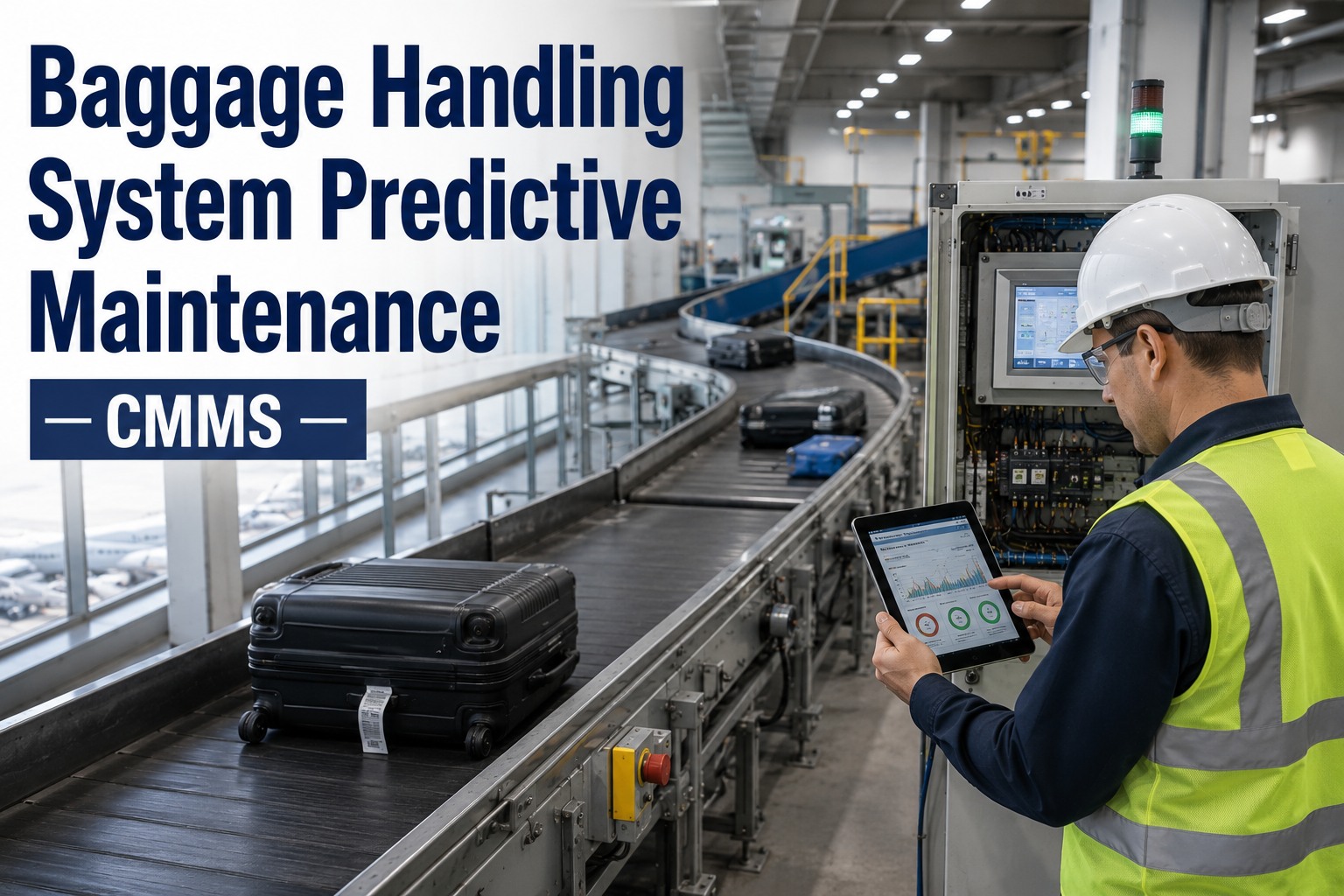
OxMaint's AI engine analyzes vibration, temperature, and cycle-count data from conveyor drives and ULD lifts to predict failures 7–21 days before they occur — cutting unplanned downtime by 30–50% and eliminating the cascade of cargo delays.
Replace paper checklists and whiteboards with mobile-optimized digital work orders. Technicians receive priority-queued PM tasks on tablets, complete with asset history, safety procedures, and mandatory photo verification — achieving 91%+ PM compliance in 90 days.
Every conveyor segment, ULD lift, dock leveler, and reefer unit gets a unique QR code. Scan to pull full maintenance history, open work orders, and spare-parts availability — giving technicians instant context and managers complete asset visibility.
Real-time dashboards track MTBF, MTTR, OEE, and PM compliance by asset class. Export IATA CEIV Pharma, ground handling SLA, and ISO 55000 compliance reports in one click — turning audit preparation from a week-long scramble into a 10-minute task.
"After switching to OxMaint, our primary cargo conveyor line OEE went from 76% to 91% in four months. The predictive alerts on ULD lift hydraulics alone saved us from three failures that would have grounded our night sort operation."
FREQUENTLY ASKED QUESTIONS
Air cargo warehouse maintenance CMMS FAQs
A CMMS for air cargo warehouse maintenance is a specialized software platform that manages work orders, preventive maintenance schedules, asset tracking, and spare-parts inventory for cargo facility equipment — including ULD lifts, conveyor systems, dock levelers, and cold storage units. OxMaint's CMMS adds AI-driven predictive maintenance that analyzes sensor data to forecast equipment failures before they disrupt terminal throughput, reducing unplanned downtime by 30–50%.
A ULD handling CMMS improves throughput by automating preventive maintenance on ULD lifts and transfer vehicles based on cycle counts rather than fixed calendar intervals, ensuring equipment is serviced before performance degrades. OxMaint's mobile work orders let technicians complete PMs during planned downtime windows, and predictive alerts flag hydraulic or sensor anomalies 7–21 days before failure — keeping ULD handling lines running at full capacity during peak flight schedules. Book a Demo to see the workflow on your assets.
An air cargo CMMS like OxMaint typically costs $15,000–$30,000 annually for a 180-asset terminal, depending on sensor integration and user count. The ROI is driven by downtime avoidance — a single conveyor breakdown costing $18,000/hour means that preventing just two such events per year covers the entire subscription cost. Most cargo terminals see net annual savings of $500,000–$2M+ from reduced unplanned downtime, lower emergency repair costs, and extended equipment life.
Yes, OxMaint's cargo conveyor CMMS integrates with IoT vibration, temperature, and amperage sensors via standard protocols (MQTT, OPC-UA, REST API), feeding real-time condition data into the AI predictive engine. It also connects to warehouse management systems (WMS) and building management systems (BMS) so maintenance teams can correlate equipment health with cargo throughput data and operational schedules.
A typical CMMS implementation for a cargo facility takes 4–6 months, starting with asset registration and QR tagging in month one, PM schedule setup in month two, and spare-parts integration by month three. OxMaint's onboarding team accelerates this with pre-built cargo warehouse asset templates and checklist libraries — most terminals achieve full PM compliance and measurable ROI by month four. You can Start Free Trial to explore the platform immediately.
Stop reacting to cargo equipment failures — start preventing them
Join the air cargo terminals using OxMaint to cut unplanned downtime by 38%, extend asset life by 22%, and keep freight moving on schedule. Book a 30-minute demo or start your free trial today — your maintenance team can be live in weeks.
Free 14-day trial · No credit card