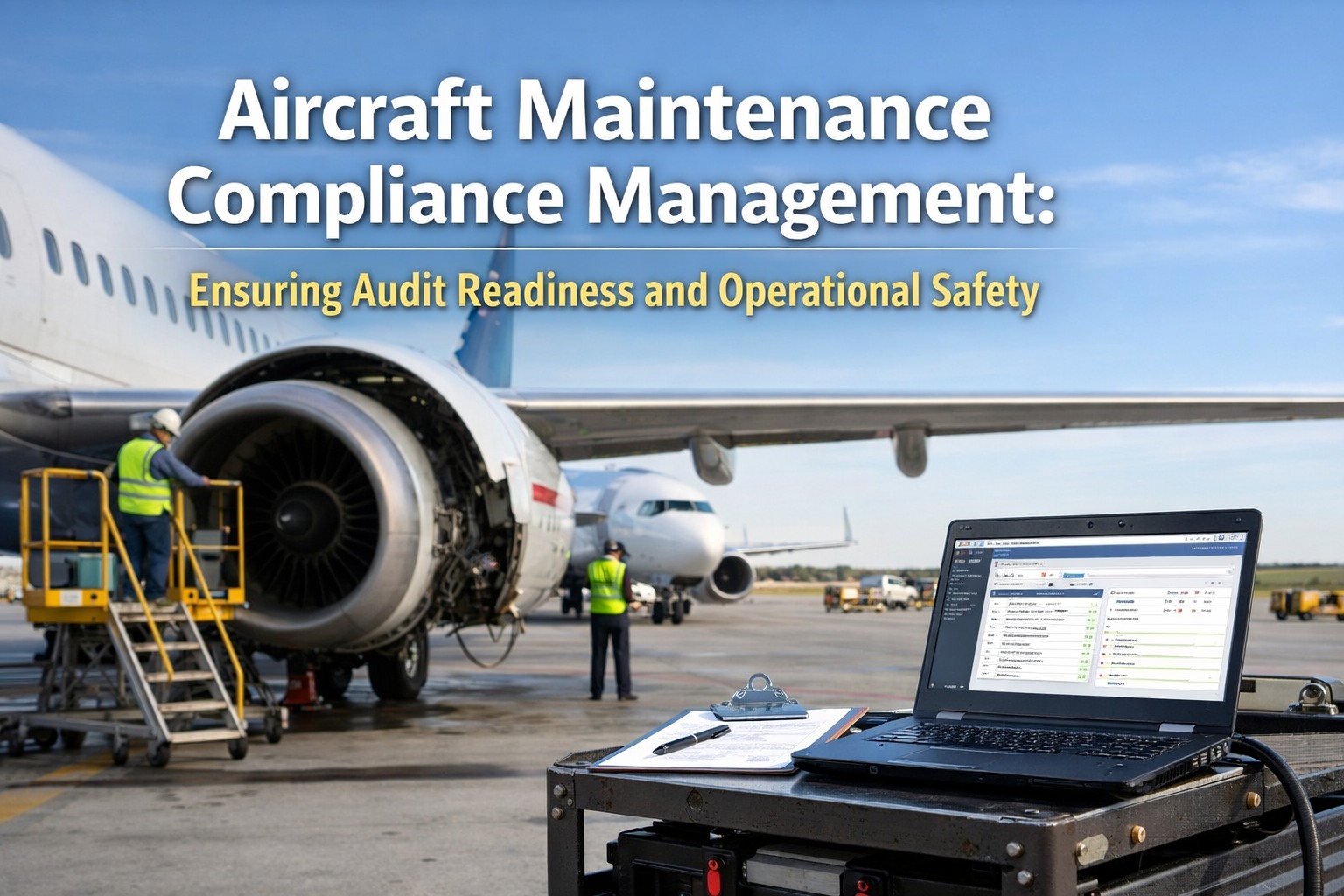
Aircraft chock placement is the most basic wheel restraint requirement in ground safety — yet compliance gaps on active stands remain one of the most frequently cited ramp safety findings across aviation ground operations. Every parked aircraft must be chocked, logged, and verified before the stand is released for the next ground event. Without a structured compliance system, Sign Up Free to see how Oxmaint supports digital chock usage logging, stand readiness verification, and ground safety audit trails across active ramp positions. Aircraft protection on the stand depends on chock placement being confirmed — not assumed. When safety logging relies on paper records or verbal confirmation, gaps accumulate silently between shifts until a safety audit, an aircraft movement incident, or a regulatory inspection makes the compliance failure visible. Book a Demo to see how Oxmaint helps ramp supervisors and ground safety teams track chock compliance, capture log verification per stand, and maintain the digital safety records that support airside safety audit requirements. Oxmaint AI helps ground operations teams dispatch stand readiness checklists, capture chock placement confirmation digitally, and build the compliance history that protects both parked aircraft and the ground crews working around them. Sign Up Free to start managing aircraft stand safety compliance with structured digital work orders.
Confirm Every Parked Aircraft Is Chocked, Logged, and Stand-Ready
Oxmaint AI dispatches digital chock compliance checklists to ground crews, captures stand-level safety logs, and builds the airside compliance record your safety audit program requires — across every active ramp position.
Why Aircraft Chock Compliance Gaps Persist Across Active Stands
Gap #1
Paper-Based Safety Logging
Chock placement is confirmed verbally or on paper forms that are neither time-stamped nor linked to the specific stand — creating compliance records that cannot be verified against actual aircraft arrival and departure events.
Gap #2
No Stand-Level Verification
Ramp supervisors cannot confirm chock status across all active stands simultaneously — compliance gaps on distant or low-traffic positions remain undetected until a walk-around inspection or safety audit reveals the missing restraint.
Gap #3
Shift Handover Blind Spots
Chock placement confirmed on the incoming shift is assumed to carry forward across handover — but without a digital log per stand, the incoming crew has no verified record of the wheel restraint state they are inheriting.
Gap #4
No Compliance Trend Visibility
Recurring chock compliance gaps on specific stands or during specific shift patterns are invisible without aggregated safety log data — the same positions generate repeated findings without triggering a systemic corrective action.
Gap #5
Audit Trail Gaps
Safety audit programs require dated, time-stamped evidence of chock placement compliance per stand and per aircraft event — paper-based or verbal confirmation systems cannot produce the log verification records regulators require.
Gap #6
Stand Readiness Not Confirmed
Stands are released for the next ground event based on assumed readiness rather than verified completion of chock removal, safety check, and log signoff — creating residual risk carried into the turnaround cycle.
How Oxmaint Supports Aircraft Chock Compliance Across Active Stands
01
Stand Safety Register
Build an active stand register in Oxmaint with chock compliance checklist templates, wheel restraint criteria, and safety log fields pre-configured per stand position — ready for digital dispatch on every aircraft arrival.
→
02
Chock Compliance Dispatch
Oxmaint dispatches chock placement and stand readiness work orders to ground crew mobile devices on aircraft arrival — with structured confirmation fields, photo capture, and time-stamp logging per stand event.
→
03
Digital Safety Log Capture
Ground crews record chock placement confirmation, wheel restraint status, and supervisor signoff directly in the Oxmaint mobile app — creating a dated, verifiable safety log per aircraft event and stand position.
→
04
Compliance Audit Reporting
Oxmaint aggregates chock compliance records across shifts, stands, and crews — identifying recurring gap positions, generating audit-ready safety logs, and flagging stands with below-threshold compliance rates for corrective action.
What Oxmaint Captures Per Aircraft Stand Safety Event
Chock Placement
Chock placement confirmed per wheel position with digital log
Photo evidence captured for wheel restraint verification
Time-stamp recorded against aircraft arrival event per stand
Stand Readiness
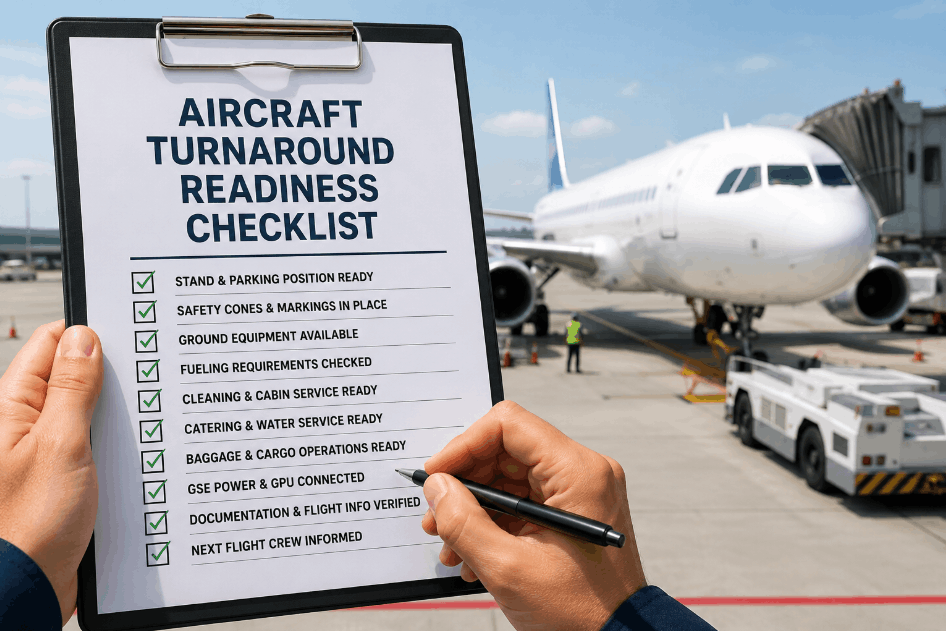
Stand readiness checklist completed before ground event release
Chock removal confirmed and logged prior to aircraft pushback
Stand condition check captured for next arrival readiness
Shift Handover
Chock status verified per stand at each shift handover point
Incoming crew confirmation logged against outgoing record
Stand occupancy and restraint state visible across active ramp
Audit Output
Safety logs exportable for regulatory and internal audit review
Compliance rate reported per stand, shift, and crew over time
Recurring gap positions flagged for stand procedure corrective action
71%
Of ramp chock compliance gaps occur during shift handover when no digital stand-level log verifies wheel restraint state for incoming crews
3.2×
More compliance findings captured and resolved per audit cycle when chock logging is digital, time-stamped, and stand-attributed
48hrs
Typical Oxmaint setup time from stand register build to first digital chock compliance work orders dispatched to ground crews
45days
Average time to first recurring compliance gap pattern identification after Oxmaint stand safety tracking is active across active ramp positions
Oxmaint AI vs Standard Ground Safety Systems for Chock Compliance
Standard Ground Safety Systems — Limited Chock Compliance Visibility
Chock placement confirmed verbally or on paper with no time-stamp, stand attribution, or digital log verification
Shift handover relies on assumed carry-forward of wheel restraint state — no incoming crew confirmation record per stand
No stand-level compliance aggregation — recurring gap positions generate repeated audit findings with no pattern escalation
Stand readiness assumed rather than verified — chock removal and safety check completion not confirmed before pushback
Audit trail gaps prevent regulatory compliance verification — paper logs cannot produce time-stamped stand event records on demand
No crew compliance visibility — supervisors cannot identify which positions or shifts generate the highest chock gap rate
Oxmaint AI — Digital Chock Compliance Tracked Across Every Active Stand
Chock placement logged digitally per stand with time-stamp, photo evidence, and crew signoff on every aircraft arrival — Sign Up Free
Shift handover chock verification captured as a structured work order — incoming crew confirms wheel restraint state with digital log
Stand readiness checklist enforced before ground event release — chock removal and safety completion confirmed per departure event
Compliance rate aggregated per stand, shift, and crew — recurring gap positions surfaced for corrective action before next audit
Safety logs exportable for regulatory audit review — every stand event has a dated, time-stamped digital compliance record
Ramp supervisor visibility across all active stands in real time — Book a Demo to see the stand compliance dashboard
6 KPIs to Measure Aircraft Chock Compliance Across Active Stands
These KPIs confirm that chock usage compliance programs are protecting parked aircraft, closing safety log gaps, and maintaining the audit-ready records your airside safety program requires. Book a Demo to see how Oxmaint calculates all six automatically across your active stand register.
KPI 01
Stand Chock Compliance Rate
Percentage of aircraft arrival events with chock placement digitally confirmed per stand position. Below-threshold compliance rates identify stands or shift patterns where wheel restraint logging requires procedural intervention.
Compliance
KPI 02
Safety Log Completion Rate
Percentage of aircraft stand events with all required safety log fields, photo evidence, and crew signoff completed before work order closure. Incomplete records prevent audit trail verification and regulatory compliance confirmation.
Log Integrity
KPI 03
Shift Handover Verification Rate
Percentage of shift handovers with chock status confirmed per stand by the incoming crew. Low verification rates identify the handover window as the primary source of compliance gap accumulation across the active ramp.
Handover
KPI 04
Stand Readiness Release Rate
Percentage of ground event releases confirmed with completed stand readiness checklist and chock removal log. Below-threshold rates indicate stands are being released without verified completion of safety departure requirements.
Stand Readiness
KPI 05
Recurring Gap Stand Rate
Percentage of compliance gaps appearing on the same stand across multiple consecutive events. High recurrence rates confirm that specific stand positions carry a structural compliance risk requiring procedural or infrastructure corrective action.
Recurrence
KPI 06
Audit-Ready Record Rate
Percentage of stand safety events with complete, exportable compliance records meeting regulatory audit evidence requirements. Low rates identify documentation gaps that create regulatory exposure at the next airside safety inspection.
Audit
Every Parked Aircraft Deserves a Verified Chock Log. Not an Assumption.
Oxmaint AI gives ground operations teams the digital chock compliance system they need — dispatching stand safety checklists, capturing time-stamped wheel restraint logs, and building the audit-ready records that protect aircraft and confirm airside safety discipline across every active stand. Book a Demo to see chock compliance tracking applied to your ramp operations.
Frequently Asked Questions
What is aircraft chock usage compliance across active stands?
Aircraft chock usage compliance is the verified confirmation that wheel restraints are correctly placed, logged, and checked on every parked aircraft across all active ramp stands — supported by time-stamped digital records that create an auditable safety trail per stand event.
How does Oxmaint support chock compliance logging on active stands?
Oxmaint dispatches structured chock placement and stand readiness work orders to ground crew mobile devices, captures confirmation logs with photo evidence and timestamps, and aggregates compliance data across stands and shifts for audit reporting.
Can Oxmaint identify recurring chock compliance gaps on specific stands?
Yes. Oxmaint aggregates compliance records per stand position and flags recurring gap patterns — enabling ramp supervisors to initiate procedural or infrastructure corrective action before the pattern generates a safety audit finding.
Does Oxmaint provide audit-ready chock compliance records?
Yes. All chock placement confirmations, stand readiness checklists, and crew signoffs captured in Oxmaint are time-stamped, stand-attributed, and exportable — providing the dated safety log evidence regulatory airside audits require.
How quickly can Oxmaint be deployed for ramp chock compliance tracking?
Most ground operations teams have Oxmaint dispatching digital chock compliance work orders within 48 hours. Stand registers, checklist templates, and crew assignments can be configured from existing ramp procedures and activated immediately.
Know Every Stand Is Safe. Every Aircraft Is Secured. Every Shift.
Oxmaint AI captures chock placement confirmation, stand readiness verification, and shift handover logs across every active ramp position — building the digital safety compliance record your ground operations and audit teams require.