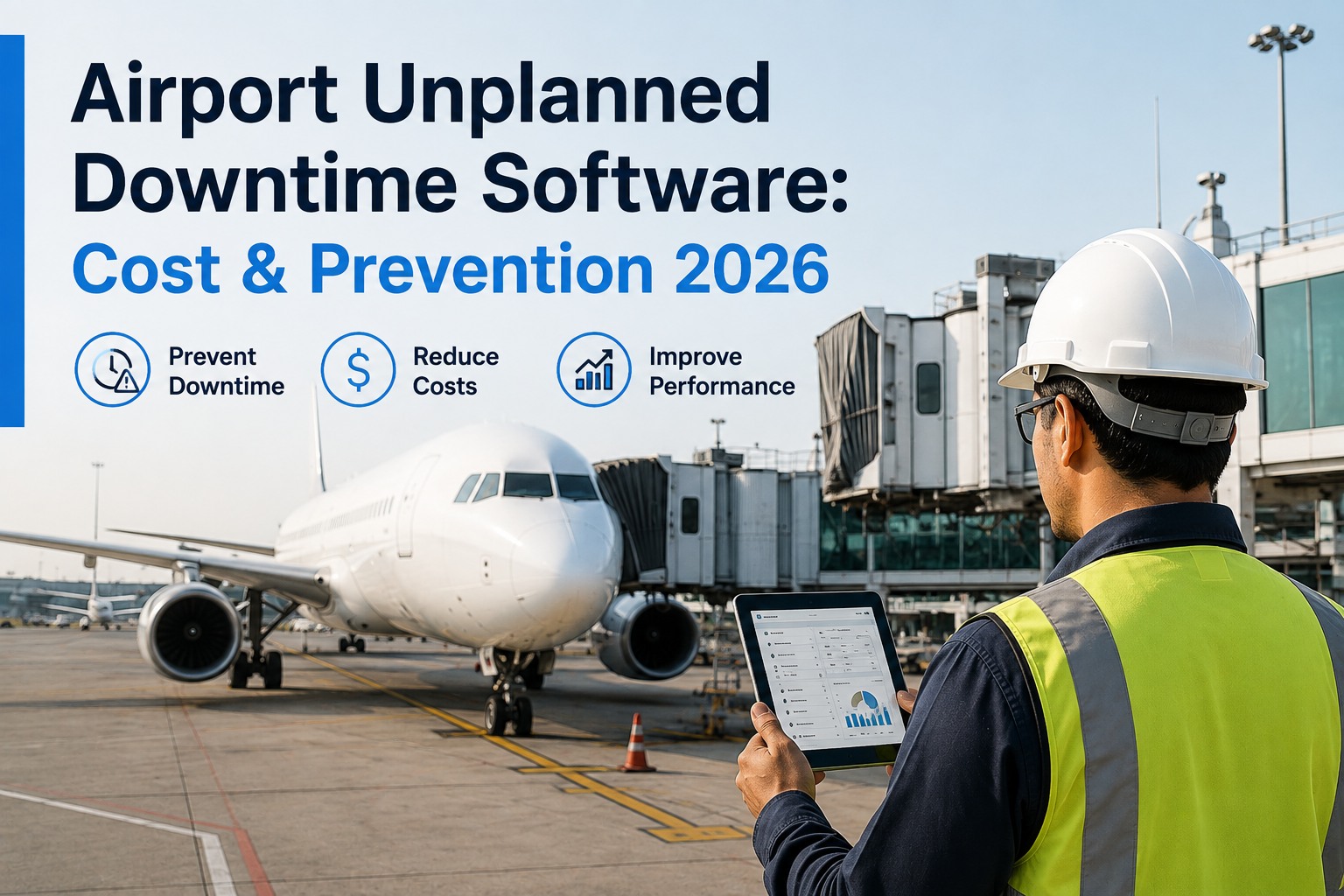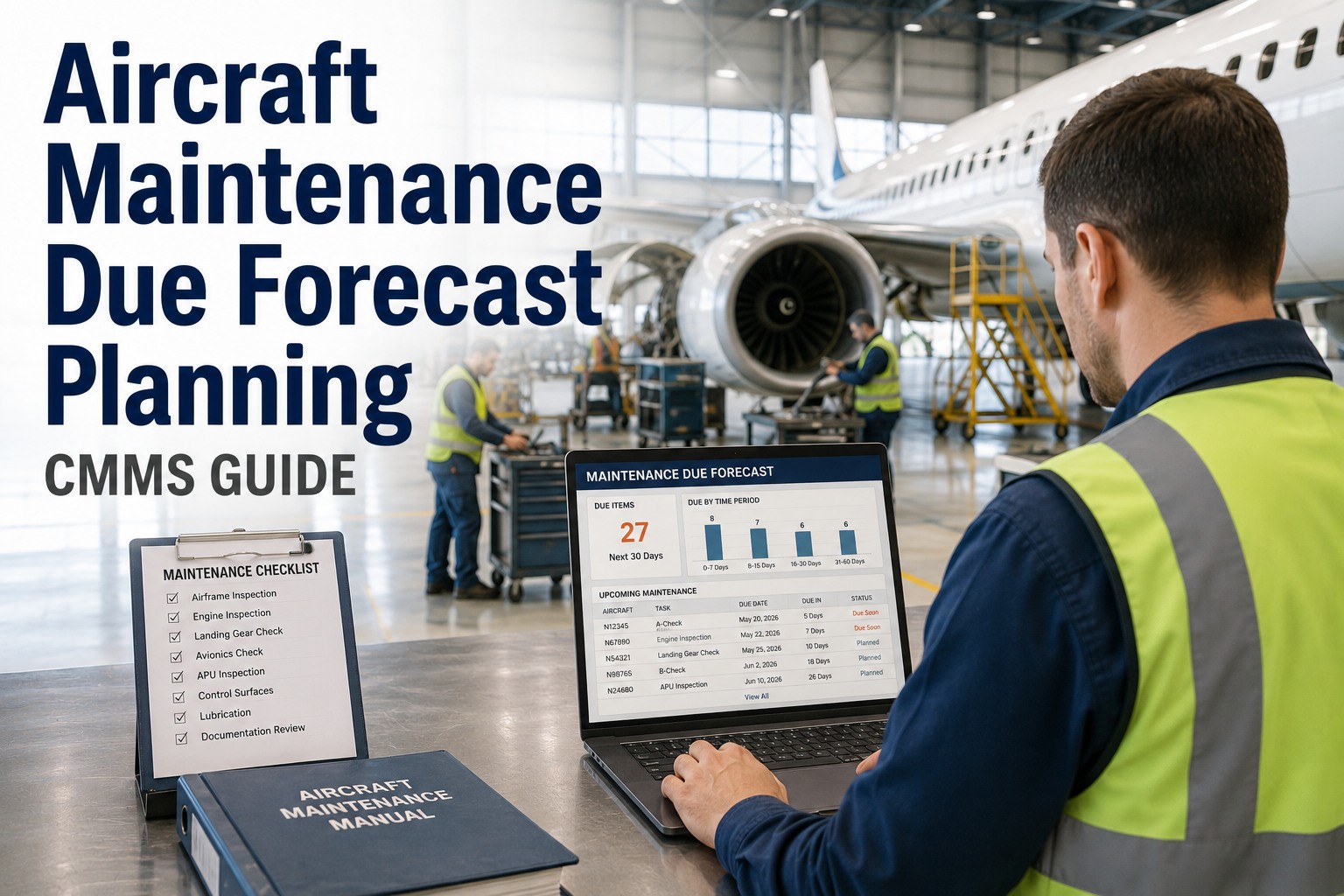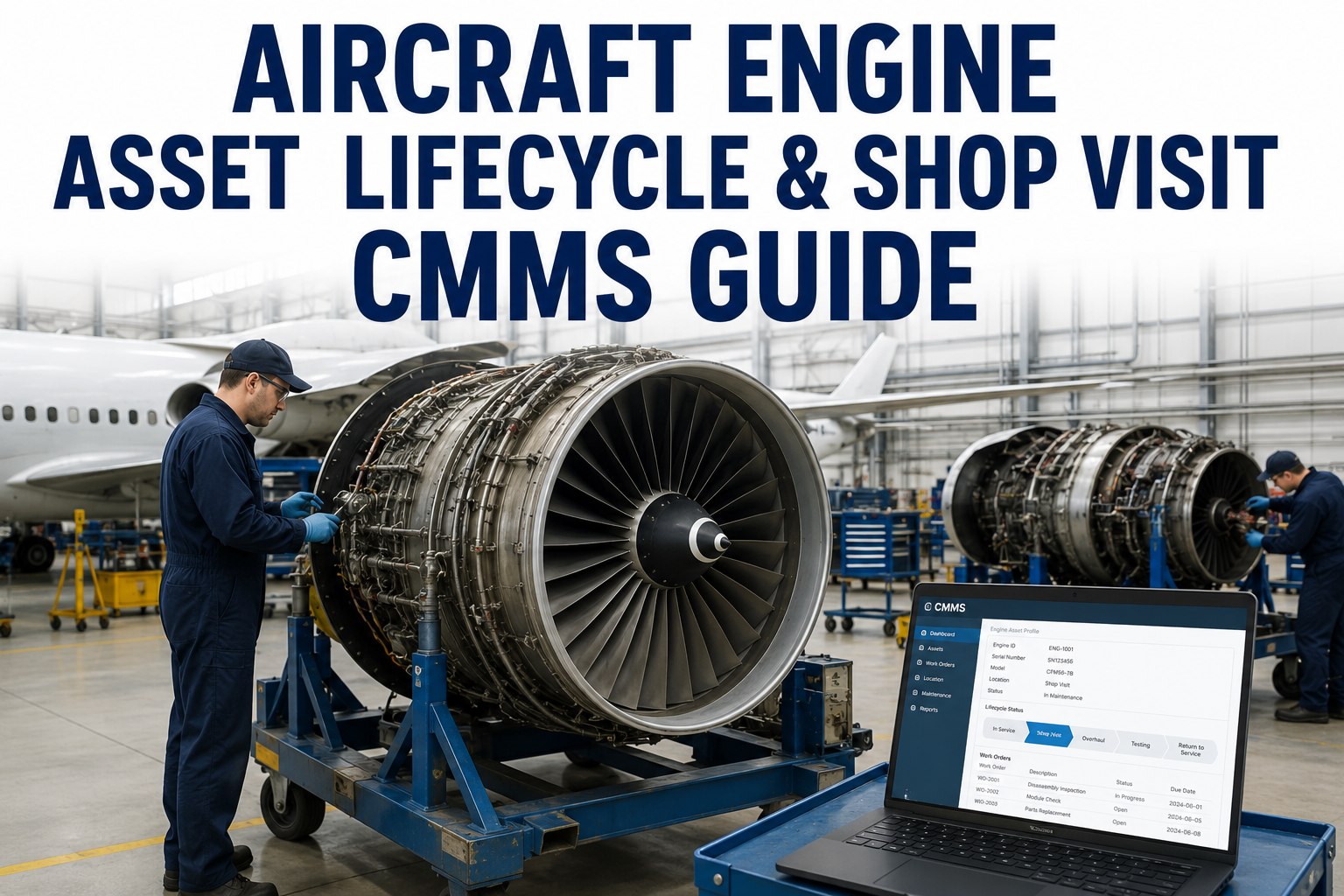
Aircraft maintenance cost modeling for regional operators requires more than summarizing past repair invoices. Labor expense, parts expense, and downtime expense interact across asset classes and fleet ages in ways that paper records and legacy spreadsheets cannot resolve into reliable spending forecasts. OxMaint delivers a maintenance management platform that captures lifecycle cost data, condition trends, and work order flow in a single system — giving regional operators the operational insight they need for confident capital planning. Sign Up Free and begin building cost visibility across your maintenance operation from day one.
Why Regional Operators Need Structured Maintenance Cost Models
Regional operators face a cost modeling challenge that major carriers can offset with scale: every unplanned expense event is proportionally larger, every fleet replacement decision carries more capital risk, and every spending forecast error compounds against a tighter operating margin. Without a structured maintenance cost model, regional operators default to reactive budgeting — absorbing labor expense spikes, emergency parts procurement costs, and downtime expense without the operational insight to anticipate or prevent them. Book a Demo with OxMaint to see how the platform builds cost visibility from actual work order and asset condition data.
OxMaint captures technician hours against each work order, task type, and asset — building the labor cost dataset that spending forecasts and capital committee presentations require.
Parts consumption history by asset, component age, and failure mode enables lifecycle cost modeling that predicts parts expense trajectories before they hit the maintenance budget.
OxMaint links unplanned AOG events to direct repair cost and lost revenue — giving regional operators a complete downtime expense figure for renewal planning and benchmarking.
Continuous condition trend data on aging assets flags deterioration patterns early — allowing maintenance planning teams to act on renewal triggers before emergency costs override the capital plan.
Aircraft Maintenance Cost Model Components for Regional Operations
A production-ready maintenance cost model for regional operators integrates data across six cost categories — each of which OxMaint tracks automatically through work order execution and asset management workflows. Sign Up Free on OxMaint to begin capturing the cost data your model needs from your first active work order.
Track technician hours per task type, certifying staff overhead, and supervisor coordination time across all maintenance events — building a labor cost baseline that spending forecasts can project forward against planned maintenance schedules.
Model parts expense by component age, consumption rate, and obsolescence risk — identifying which components in the fleet are approaching the replacement timing threshold where lifecycle cost exceeds continued maintenance investment. Book a Demo to walk through OxMaint's parts expense tracking and lifecycle cost reporting in a live environment.
Capture the full cost of each AOG event — direct repair labor, emergency parts procurement, ferry costs, and revenue impact — then integrate those figures into the cost model to quantify the true downtime expense rate for each aircraft in the fleet.
Compare continued maintenance investment against retrofit cost and replacement timing using OxMaint's asset roadmap data — giving the capital committee a defensible renewal plan based on condition trend and lifecycle cost evidence rather than age-based assumptions.
OxMaint's maintenance cost data feeds directly into spending forecasts — projecting labor expense, parts consumption, and scheduled maintenance cost across the planning horizon so regional operators can align budget submissions with asset reality. Book a Demo to see how OxMaint's reporting layer generates budget-ready cost projections.
Compare maintenance cost per flight hour, cost per cycle, and parts expense ratios across aircraft in the fleet — identifying outliers that warrant accelerated renewal planning or targeted condition improvement before costs escalate further.
Maintenance Cost Category Reference: Regional Fleet Operations
The table below maps each maintenance cost category to its primary data source, planning use, and OxMaint capability that captures it.
| Cost Category | Primary Data Source | Planning Use | OxMaint Capability |
|---|---|---|---|
| Labor Expense | Technician hours per work order | Spending forecast, headcount planning | Work order tracking, time capture |
| Parts Expense | Parts consumption history by asset | Inventory budget, lifecycle cost model | Parts tracking, consumption analytics |
| Downtime Expense | AOG event records, repair cost log | Reliability planning, renewal trigger | Downtime tracking, AOG cost capture |
| Condition Trend | Inspection findings, sensor data | Renewal timing, retrofit choice | Condition monitoring, trend analysis |
| Lifecycle Cost | Asset history, depreciation schedule | Capital committee, asset roadmap | Asset management, lifecycle reporting |
| Compliance Cost | Audit hours, regulatory prep time | Overhead allocation, budget planning | Digital audit trail, inspection records |
Operational Benchmarks: Aircraft Maintenance Cost for Regional Operators
These benchmarks help regional operators frame their maintenance cost model against industry-observed performance ranges before presenting renewal plans to the capital committee.