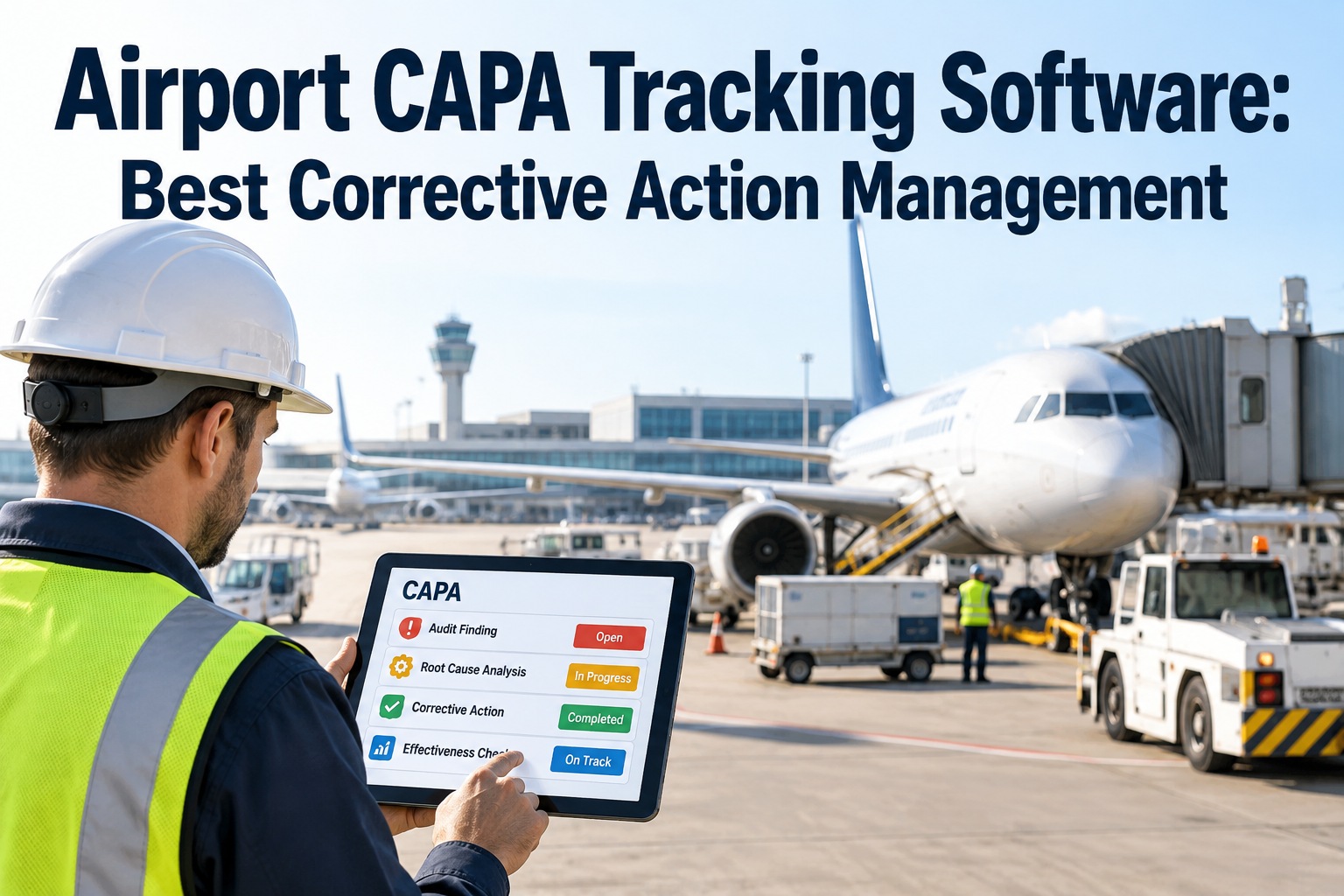
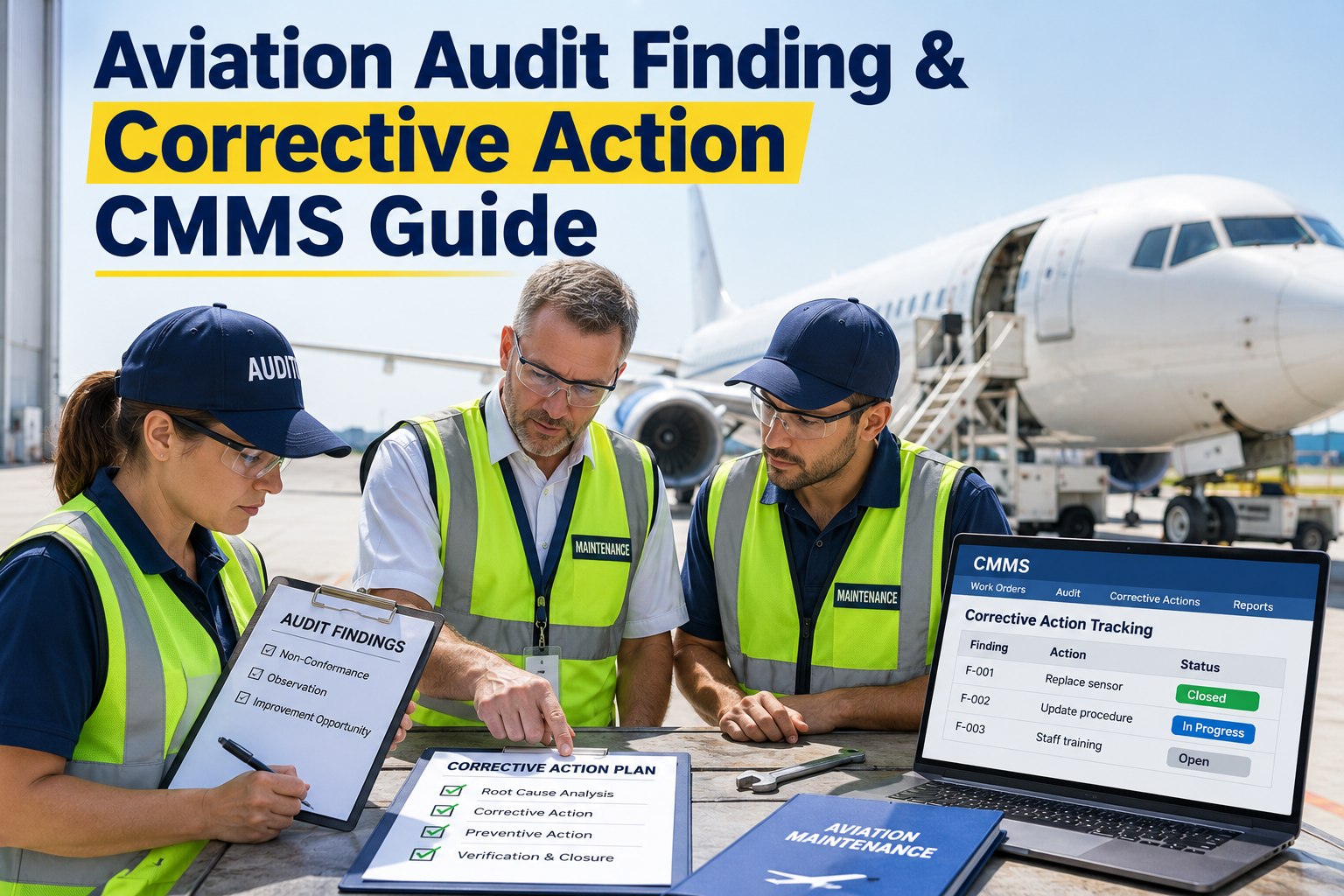
An airport audit rarely fails because a finding was missed — it fails because the finding was never closed properly. A corrective action gets logged in a spreadsheet, someone fixes the immediate problem, the row is marked "done," and no one ever confirms the fix held or that the root cause was addressed. Then the same finding reappears at the next audit. That's the gap the best CAPA (corrective and preventive action) software closes: it carries every finding through root cause, owner, evidence and an effectiveness check before it's allowed to close. This guide covers what strong airport CAPA tracking looks like and how OXMAINT AI, the AI-powered CMMS, manages the full CAPA lifecycle with an audit-ready trail.
Airport & Aviation · CAPA & Audit Management · Corrective Action
Airport CAPA Tracking Software: Best Corrective Action Management
Audit findings that get "closed" but keep coming back are a CAPA-process problem, not a discipline problem. OXMAINT AI runs every finding through the full loop — root cause, assigned owner, evidence, and an effectiveness check before closeout — on one connected system, with the audit trail assembled as you go. So a finding closes once, for real, and stands up at the next audit.
6 stages
finding → root cause → action → evidence → check → closeout
Root cause
the step most skipped — and why findings recur
Effectiveness
a verified check before closeout, not just "done"
Audit trail
evidence assembled as you go, not before the survey
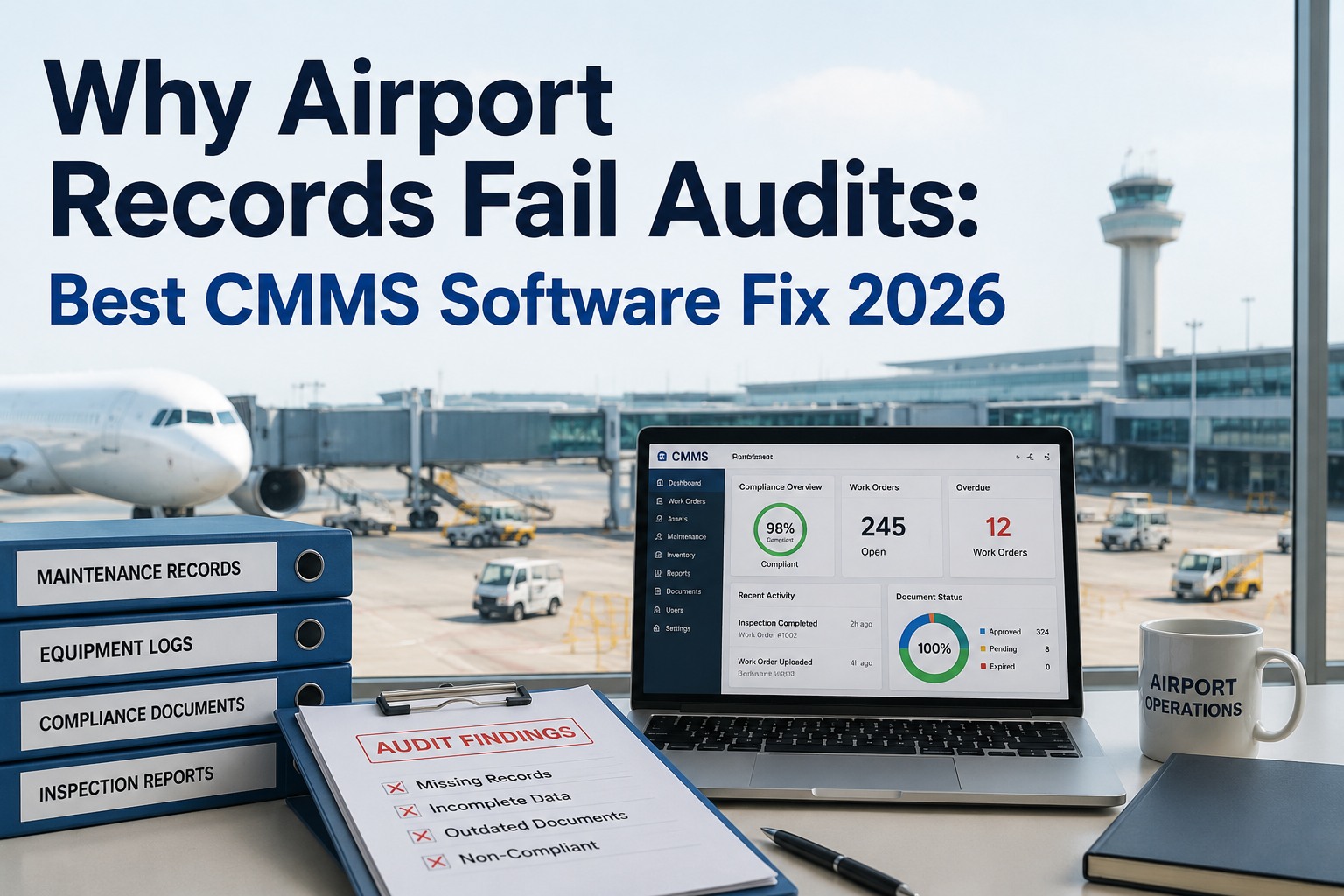
Why Spreadsheet CAPA Keeps Failing Audits
Most airports still track corrective actions in a spreadsheet — and it works right up until it doesn't. A tracker records that a finding exists; it can't enforce root-cause analysis, hold evidence, verify effectiveness, or prove any of it to an auditor. The result is findings that close on paper and reopen in reality. Start free and run CAPA on a real workflow in OXMAINT AI.
SPREADSHEET TRACKING
Where CAPA Breaks Down
- Findings logged, but root cause never analyzed
- "Done" means the symptom was patched, not fixed
- No evidence attached to prove the action happened
- No effectiveness check — did the fix actually hold?
- Audit prep means rebuilding the trail from scratch
CAPA SOFTWARE IN OXMAINT AI
Where CAPA Holds Up
- Every finding drives a root-cause analysis
- Closeout requires the cause addressed, not just the symptom
- Evidence attached to each action on the record
- An effectiveness check gates the final closeout
- Audit trail already assembled, per finding
The CAPA Lifecycle, Start to Closeout
Strong CAPA management is a defined sequence — and each stage has to complete before the next. Skip root cause and you patch symptoms; skip the effectiveness check and you close findings that reopen. This is the loop the best software enforces. Book a demo to run this lifecycle on your findings.
Stage 1
Finding logged — an audit, inspection or safety report raises a finding, captured against the asset or area.
Stage 2
Root-cause analysis — dig past the symptom to why it happened, so the fix targets the cause, not the surface.
Stage 3
Action plan & owner — corrective and preventive actions defined, assigned to an owner with a due date.
Stage 4
Evidence captured — photos, documents and completed work attached to the action as proof it was done.
Stage 5
Effectiveness check — verify the action actually resolved the issue before it's allowed to close.
Stage 6
Verified closeout — the finding closes with its full trail intact, ready to show an auditor on demand.
Corrective vs. Preventive — Both Matter
CAPA is two actions, not one. Corrective action fixes the finding in front of you; preventive action stops it — and findings like it — from recurring. A tracker that only records the corrective side leaves the door open for the same finding next year. Sign up free and capture both action types in OXMAINT AI.
CORRECTIVE
Fix What Was Found
Address the specific finding — repair the defect, correct the record, resolve the non-conformance now.
Asks: what fixes this instance?
PREVENTIVE
Stop It Recurring
Change the process, schedule or control so this failure mode — and similar ones — don't happen again.
Asks: what stops it happening again?
"Closed" Isn't the Same as "Fixed and Proven."
A finding marked done without a verified effectiveness check is a repeat finding waiting to happen. OXMAINT AI gates closeout on evidence and verification — so closed means closed, and the audit trail is already there.
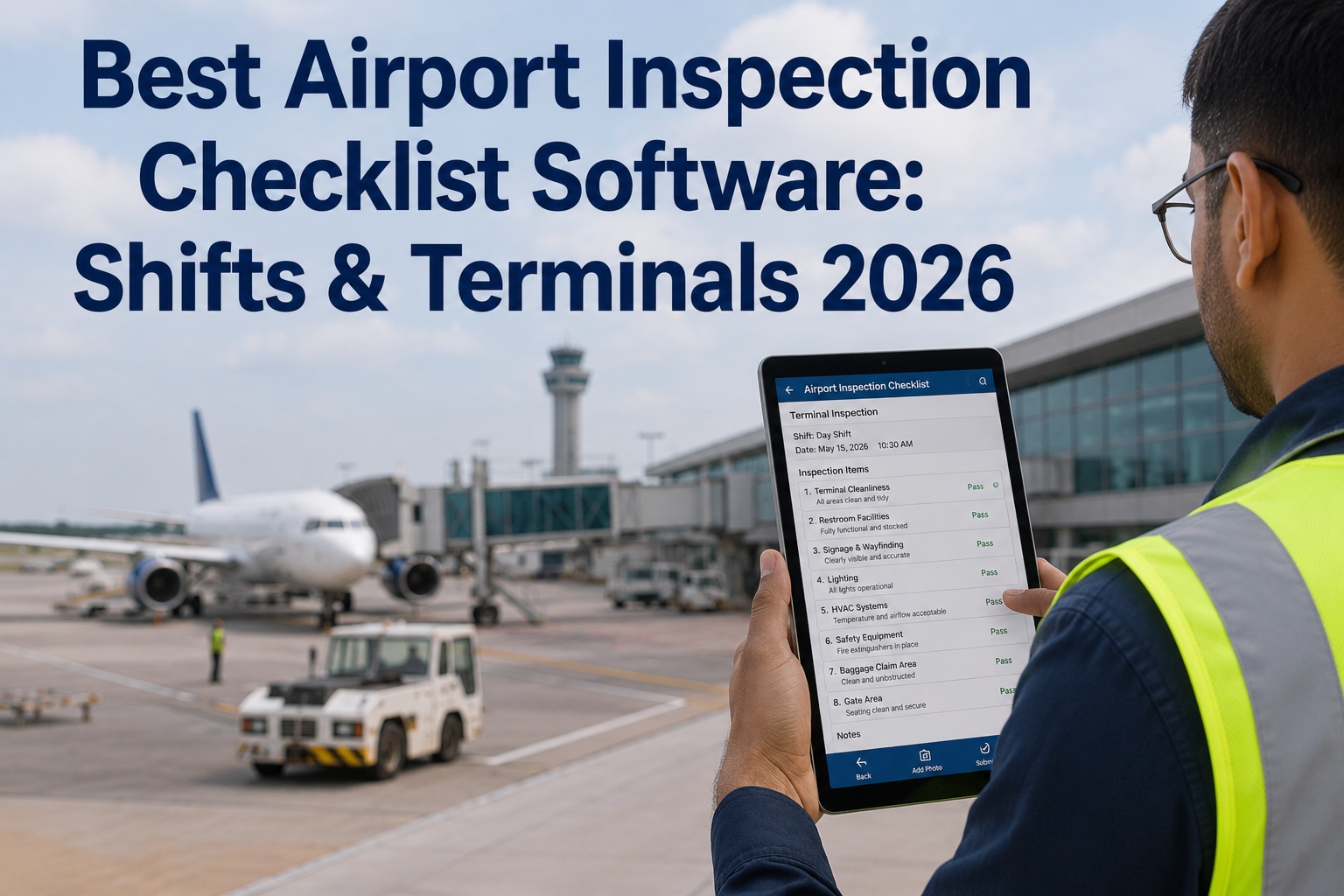
Where Airport Findings Come From
CAPA at an airport draws findings from many sources — and they all need one consistent process behind them, not a separate tracker per department. Centralizing them is half the battle. Book a demo to centralize findings in OXMAINT AI.
Regulatory Audits
Civil aviation authority and oversight audits with formal findings and closeout deadlines.
Internal Audits
Scheduled self-audits and management reviews across operations and facilities.
Safety Reports (SMS)
Hazard and incident reports from the safety management system feeding corrective action.
Ramp & Facility Inspections
Day-to-day inspection findings on the airfield, terminal and support systems.
Vendor & Contractor
Findings on third-party service providers that still land on the airport's record.
Incident Investigations
Root-cause findings from events that demand both corrective and preventive action.
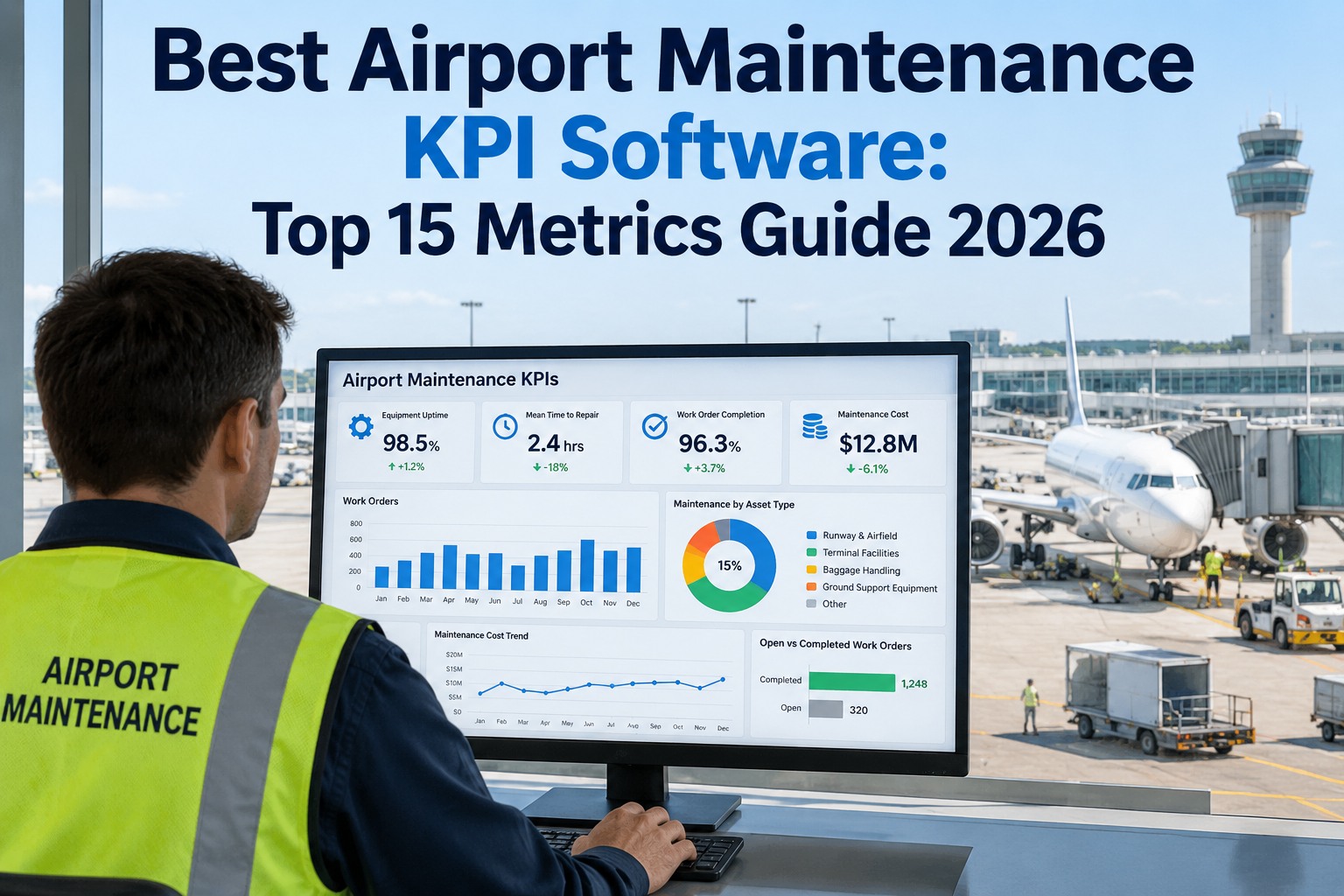
The CAPA Metrics That Prove Control
A mature CAPA program is measurable. These are the numbers that show findings are being closed properly and on time — and that surface trouble before an auditor does. Start free and track these CAPA metrics in OXMAINT AI.
Open vs. Closed
The live count of open findings by status — the baseline picture of your CAPA load.
Overdue Actions
Findings past their due date — the earliest warning of a program slipping.
Time to Close
Average days from finding to verified closeout, trended over time.
Recurrence Rate
How often a closed finding reopens — the truest test of root-cause quality.
Effectiveness Pass Rate
Share of actions that pass their effectiveness check first time.
Findings by Source
Where findings cluster — a lens on which areas need systemic attention.
What the Best CAPA Software Does
Beyond tracking, strong CAPA software enforces the process and keeps the evidence — the capabilities that turn a list of findings into a defensible closed-loop program. Book a demo to see these capabilities in OXMAINT AI.
Enforced Workflow
Each stage must complete before the next — no closing a finding without root cause and an effectiveness check.
Owner & Due Dates
Every action has an accountable owner and deadline, with reminders before it slips overdue.
Evidence Attachment
Photos, documents and completed work orders held against the finding as proof.
Full Audit Trail
Who did what, when — assembled automatically, retrievable on demand for any auditor.
Linked to Work Orders
Corrective actions become tracked work orders, so the fix is executed, not just recorded.
Dashboards & Alerts
Live CAPA metrics and overdue alerts, so nothing quietly ages past its deadline.
Frequently Asked Questions
What is CAPA in an airport context?
CAPA — corrective and preventive action — is the process of resolving audit and safety findings by fixing the immediate issue and preventing recurrence, with root cause, evidence and an effectiveness check before closeout.
Start free and run CAPA end to end in OXMAINT AI.
Why do closed findings keep reappearing?
Usually because the root cause was never addressed — the symptom was patched and the finding marked done. Without a root-cause step and an effectiveness check, the underlying condition remains and the finding returns.
Book a demo of root-cause-driven CAPA.
What's the difference between corrective and preventive action?
Corrective action fixes the specific finding; preventive action changes the process or controls so the failure mode doesn't recur. A complete CAPA captures both — fixing only the instance invites a repeat.
Sign up free and capture both in OXMAINT AI.
What is an effectiveness check?
A verification, after the action is done, that it actually resolved the issue — not just that the task was completed. It's the gate that separates "closed on paper" from "fixed and proven," and it belongs before closeout.
Book a demo of gated closeout.
Why use software instead of a spreadsheet?
A spreadsheet records that a finding exists; it can't enforce the workflow, hold evidence, verify effectiveness, or produce an audit trail on demand. CAPA software does all four — so findings close properly and survive the next audit.
Start free and move off the spreadsheet with OXMAINT AI.
Close Every Finding Once — and Prove It.
Run every airport audit finding through root cause, owner, evidence and an effectiveness check before closeout, with the audit trail assembled as you go — in OXMAINT AI, so closed means closed and the next survey is ready.