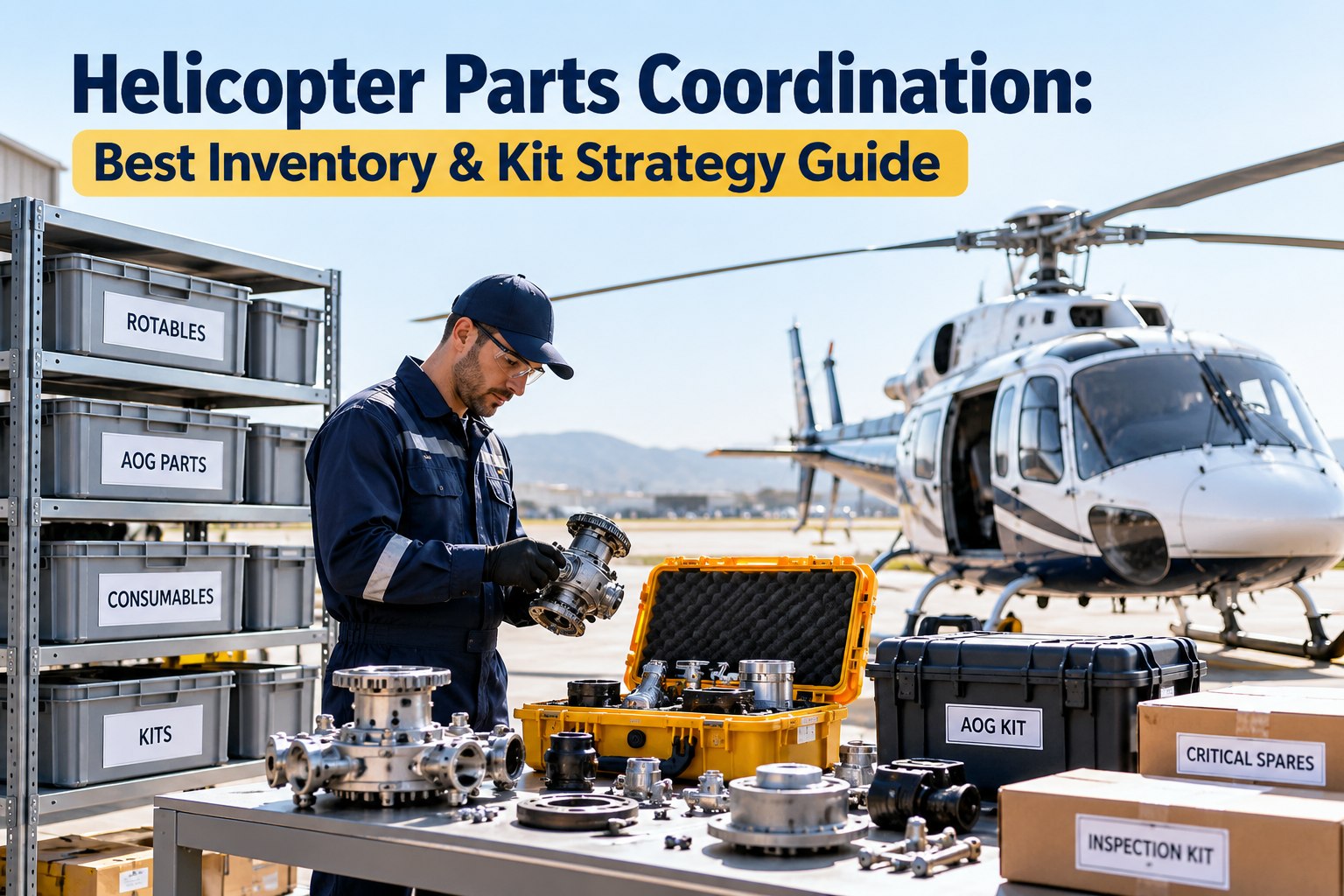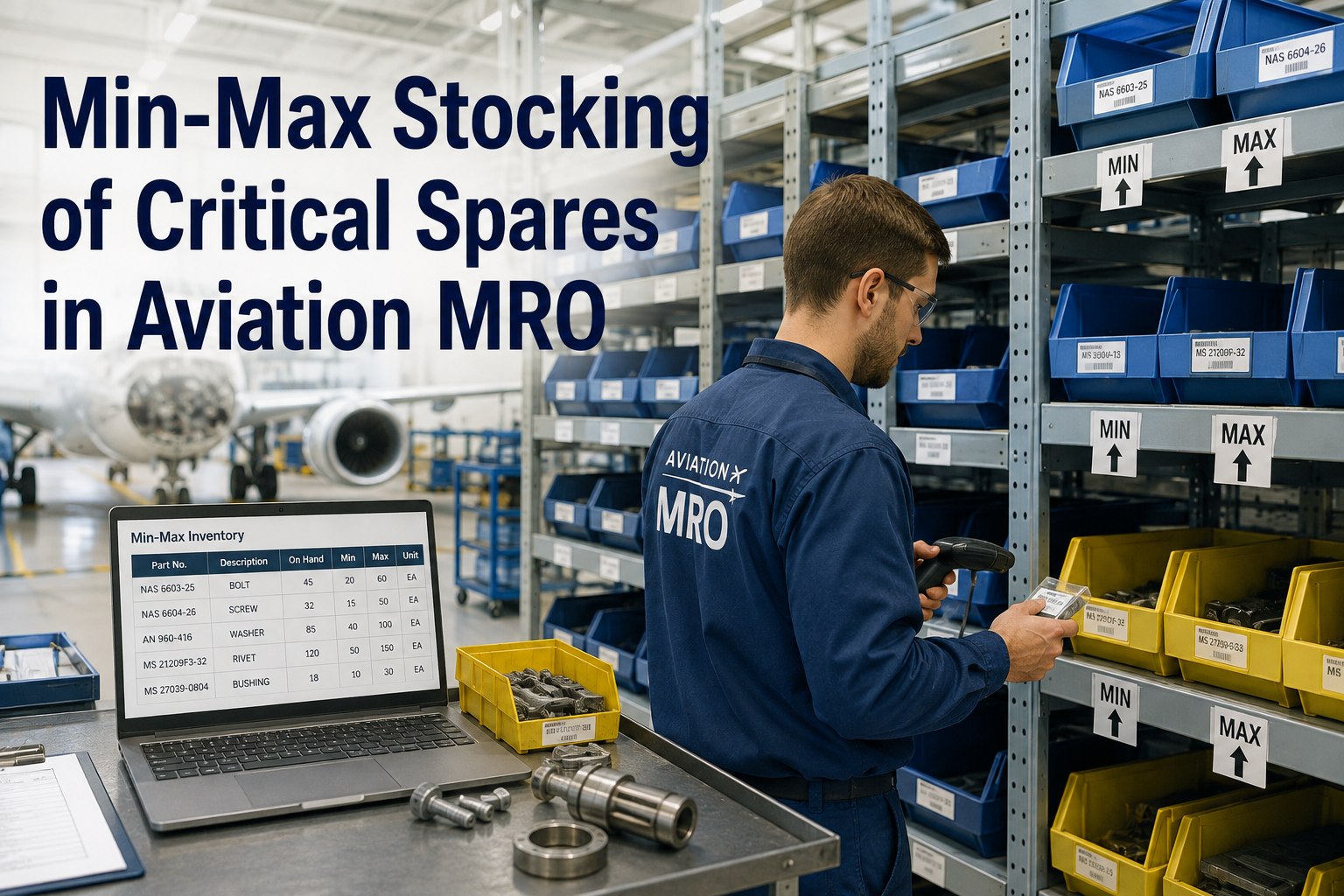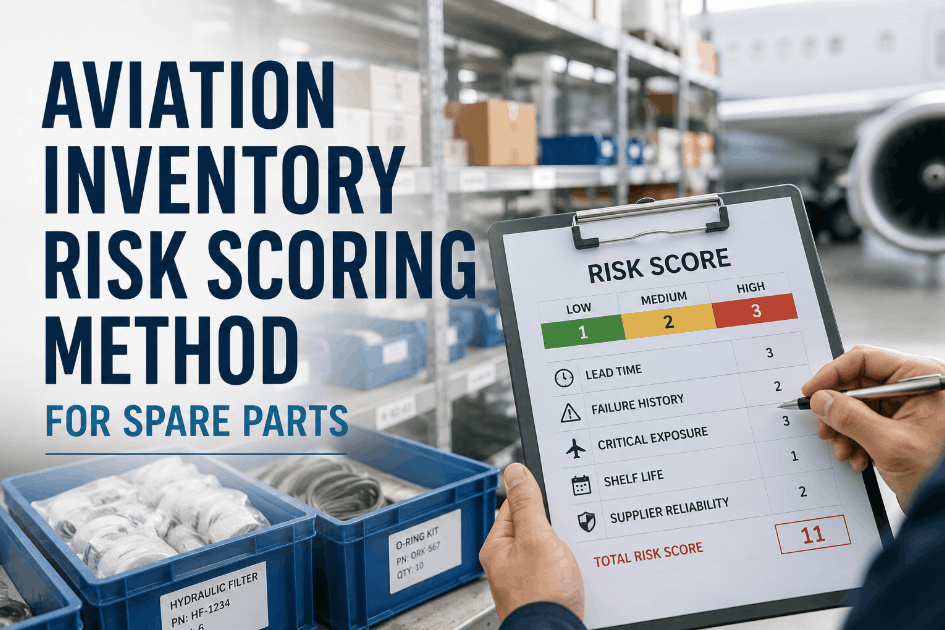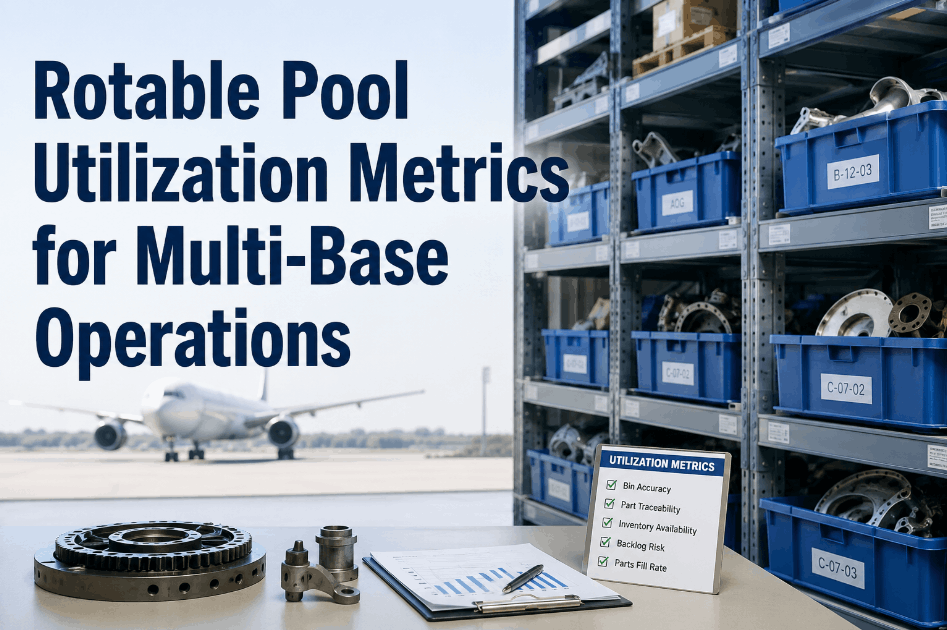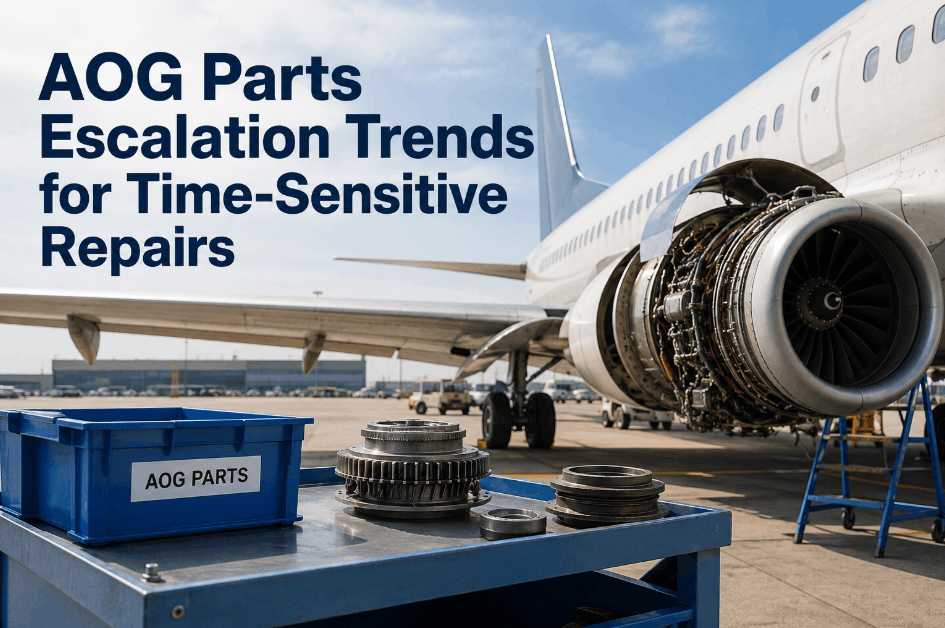
AOG parts escalation is where inventory gaps become grounded aircraft. When a critical component is missing at the wrong moment, the cost isn't just expediting fees — it's aircraft-on-ground time, cascading schedule delays, and maintenance team credibility at risk. Understanding escalation trends requires more than reactive firefighting: it demands structured visibility into procurement cycle patterns, backlog risk signals, and parts fill rate performance across your critical item tiers. OxMaint gives aviation MRO operations the CMMS infrastructure to Sign Up Free and build escalation intelligence into daily parts management — from consumption tracking to auto-triggered reorders. If your team is still managing AOG exposure through manual spreadsheets and tribal knowledge, Book a Demo to see how OxMaint turns escalation patterns into preventable events.
OxMaint connects parts consumption history, lead time variance, and reorder automation in one CMMS — giving your MRO team the escalation intelligence to prevent AOG exposure before it grounds aircraft.
Why AOG Escalation Patterns Go Undetected Until It's Too Late
Most escalation events aren't random — they're the predictable output of untracked procurement cycles, unmonitored backlog risk, and fill rate reporting that hides substitute part substitutions. Four structural gaps explain why escalation trends repeat.
Without part-level escalation history by urgency tier, AOG events appear isolated when they're actually recurring patterns tied to specific items, suppliers, or inspection cycles.
Expediting costs are absorbed into maintenance budgets without attribution — masking how frequently premium freight and emergency sourcing are offsetting inadequate stock positioning.
Open repair backlog accumulates against AOG-designated parts without reorder signals — leaving procurement teams reactive to shortages instead of positioned ahead of them.
Substitute part usage goes unlinked to primary item escalation history — inflating apparent fill rates while concealing how often preferred parts were unavailable during urgent repair windows.
Escalation Trend Analysis Techniques for Critical AOG Parts
Effective escalation management combines urgency-tier reporting with procurement cycle tracking and backlog risk visibility. Sign Up Free to capture escalation inputs through OxMaint's parts tracking and work order system.
Track AOG escalation events by part number over rolling 90-day windows — identifying which items drive disproportionate emergency sourcing activity and where procurement cycle gaps are creating recurring exposure.
Attribute premium freight and emergency procurement costs to specific part numbers and urgency events. Cumulative expediting cost per item reveals where safety stock investment would generate immediate ROI against escalation spend.
Score open repair backlog against current stock levels and supplier lead time — generating a forward-looking risk signal for items approaching AOG exposure before the shortage materializes on the shop floor.
Reconcile substitute part usage back to primary item demand history. Book a Demo to see how OxMaint links substitute consumption events to escalation root cause analysis for accurate fill rate reporting.
AOG Escalation Response Matrix by Urgency Tier
How OxMaint Reduces AOG Escalation Exposure
Escalation control requires connected visibility across parts consumption, procurement cycles, and work order status in a single system. Book a Demo to see how OxMaint gives aviation MRO teams the operational control their AOG parts program needs.
OxMaint logs every escalation event against the work order and part number — building the escalation baseline your trend analysis depends on. Sign Up Free to start capturing this data today.
Track premium freight and emergency procurement costs against specific parts and urgency events — giving planners the cost data to justify safety stock investment against escalation reduction.
Monitor open repair backlog against current stock levels and supplier lead time in OxMaint — generating forward-looking risk signals before AOG exposure materializes on the shop floor.
Set escalation-sensitive reorder triggers in OxMaint — automatically generating procurement work orders when AOG-designated stock approaches the threshold where escalation risk begins.
OxMaint surfaces escalation frequency, expediting costs, and fill rate performance by urgency tier — giving maintenance planners the insight to address structural escalation drivers before they repeat.
Link substitute part usage back to primary item shortage events in OxMaint — ensuring fill rate reporting reflects true escalation frequency rather than masking preferred-part unavailability.
OxMaint connects AOG event history, expediting cost data, and reorder automation in a single CMMS — giving your aviation MRO team the escalation intelligence to reduce AOG exposure before it grounds aircraft. Sign Up Free or Book a Demo to build your escalation management program.
Frequently Asked Questions
OxMaint gives aviation maintenance teams the asset visibility, escalation tracking, and procurement automation to manage AOG parts exposure as a continuous operational discipline — not a reactive crisis response.