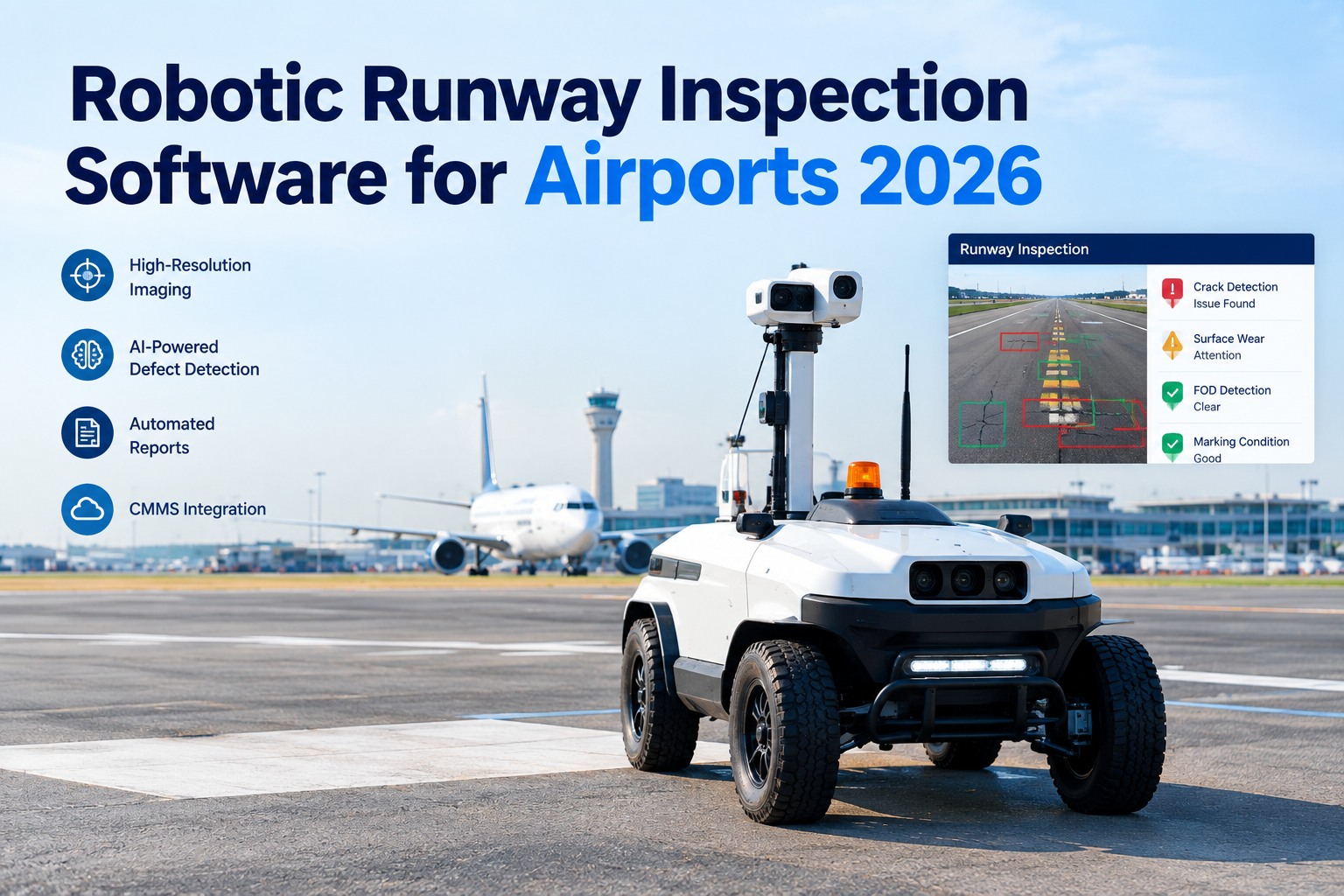
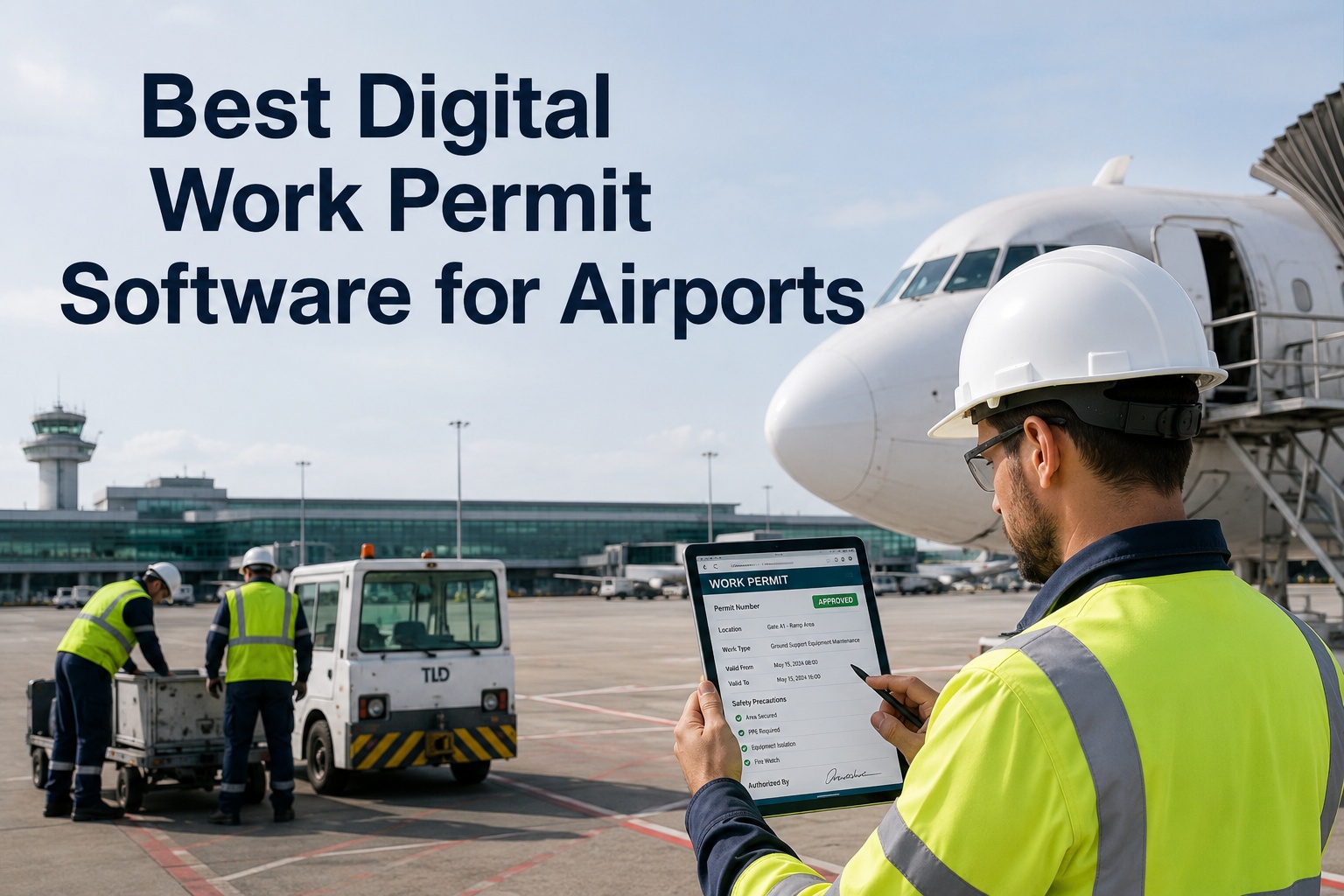
Airports process over 37 million flight departures annually across runways, taxiways, and apron surfaces that must meet exacting safety standards every single day. A single piece of Foreign Object Debris (FOD) on a runway can destroy a jet engine. A missed pavement crack can trigger a runway excursion. A delayed lighting inspection can compromise nighttime operations. Digital inspection systems replace the clipboard-and-walkthrough approach with real-time data capture, automated reporting, and audit-ready compliance records—giving your airside teams the tools to catch hazards before they become incidents. Schedule a demo to see how OXmaint digitizes airport inspections.
The Real Cost of Airside Safety Failures
Aviation safety has improved dramatically over the decades, but runway and airside incidents remain among the most frequent and costly categories of aviation accidents globally. The financial and human toll of inadequate inspection processes is staggering—and largely preventable with the right systems in place.
$4B
Annual FOD cost to the global aviation industry (Boeing estimate)
$22.7B
True annual FOD cost including flight delays, cancellations, and lost revenue (FAA)
$900M+
Annual cost of runway excursion accidents worldwide (ICAO 2024)
20
Runway excursion accidents in 2024 — up from 7 in 2023
IATA 2024 Safety Report
22%
Of all aviation accidents worldwide linked to runway-related events
ICAO SkyInspect360
75%
Faster inspections with digital systems vs. manual walkthroughs
Benesch / Bentley Systems
These are not abstract statistics. In fiscal year 2024 alone, the FAA recorded nine serious Category A and B runway incursions—events where aircraft were in direct danger of collision on the ground. And while that number improved from 22 serious incursions in 2023, the underlying cause remains the same: gaps in surface monitoring, inspection consistency, and real-time hazard communication.
What Airside Areas Require Systematic Inspection
Airport airside environments encompass far more than runway surfaces. Every element that interacts with aircraft operations, ground crew safety, or passenger movement requires routine inspection under regulatory frameworks like FAA Part 139, ICAO Annex 14, and local aviation authority mandates.
Critical Zone
Runways & Taxiways
Pavement cracks & spalling
Surface markings & paint condition
FOD detection & removal
Rubber buildup assessment
Edge light alignment & function
High Traffic
Apron & Gate Areas
Ground equipment positioning
Fuel spill detection
Jet bridge serviceability
Stand markings & guidance
Drainage & surface ponding
Navigation
Visual Aids & Lighting
PAPI calibration checks
Approach lighting systems
Runway edge & centerline lights
Taxiway signage visibility
Beacon & wind cone function
Safety Areas
RESA & Perimeter
Runway safety area clearance
EMAS condition monitoring
Perimeter fence integrity
Wildlife hazard assessment
Construction zone compliance
Why Paper-Based Inspections Fail at Scale
Most airports still rely on paper forms, radio calls, and manual logbooks for daily self-inspections. While this approach meets the minimum regulatory requirement, it creates systematic blind spots that grow more dangerous as airport complexity increases.
01
Inconsistent Data Capture
Two inspectors walk the same runway and record different findings because paper forms don't enforce standardized observation criteria. Severity ratings are subjective. Critical details go unnoted.
02
Delayed Hazard Response
Inspector finds FOD or pavement damage at 6 AM. Paper report reaches operations at 8 AM. Two hours of aircraft movements over an unresolved hazard. Digital systems alert operations instantly.
03
Audit Trail Gaps
FAA Part 139 inspectors arrive for certification review. Airport staff spend days reconstructing inspection records from filing cabinets. Missing forms mean compliance gaps—even if inspections were performed.
04
No Trend Visibility
The same taxiway section shows recurring cracks over six months, but nobody connects the dots across dozens of paper forms. A small maintenance issue becomes a capital repair project because patterns were invisible.
Your inspectors already walk the airfield every day. Give them a digital system that turns every walkthrough into actionable, auditable safety data.
Start Free
How Digital Inspection Systems Transform Airport Safety
A digital inspection platform replaces paper forms with structured mobile workflows that guide inspectors through every required checkpoint, capture photo evidence automatically, flag anomalies in real time, and generate compliance-ready reports without any additional administrative effort.
Core Capabilities of OXmaint's Airport Inspection Platform
OXmaint's inspection module is purpose-built for the unique demands of airport environments—where inspections happen around the clock, across vast physical areas, under strict regulatory oversight, and with zero tolerance for missed hazards.
Inspection Engine
Configurable Digital Checklists
Build inspection templates for every airside zone—runway walks, apron checks, lighting audits, perimeter surveys. Each template enforces the exact checkpoints required by your certification manual and regulatory framework. Templates can be assigned by zone, shift, or inspector role.
Evidence Capture
Photo Verification with GPS and Timestamps
Every inspection finding is documented with geotagged photographs that prove exactly what was found, where it was found, and when. This evidence chain satisfies FAA Part 139 documentation requirements and provides irrefutable audit records for regulatory reviews.
Real-Time Alerts
Instant Hazard Notification
When an inspector flags a critical finding—FOD on an active runway, failed lighting, pavement damage—the system immediately notifies operations, safety supervisors, and maintenance teams. No waiting for paper to travel through the chain of command.
Compliance Hub
Audit-Ready Reporting
Every inspection generates a complete digital record: inspector identity, timestamp, location data, findings, photos, corrective actions, and sign-offs. Pull any inspection from any date range in seconds. Annual certification preparation becomes a database query, not a filing cabinet search.
Analytics
Safety Trend Intelligence
Aggregate inspection data reveals patterns invisible in paper records: recurring FOD hotspots, pavement sections degrading faster than expected, lighting failures clustering in specific zones. These insights drive proactive maintenance decisions that prevent incidents before they occur.
Integration
Connected Maintenance Ecosystem
Inspection findings automatically trigger work orders in OXmaint's CMMS. A cracked taxiway panel found during morning inspection becomes an assigned maintenance task by 7 AM—with priority level, crew assignment, and completion tracking built into the same platform.
The Regulatory Framework: What Inspections Must Cover
Airport inspections are not optional—they are mandated by national and international aviation authorities with specific requirements for frequency, scope, documentation, and corrective action. Digital systems ensure nothing falls through the cracks.
FAA 14 CFR Part 139
Airport Certification & Safety
Requires certificated airports to conduct daily self-inspections of movement areas, maintain written records of all inspections, ensure immediate correction of unsafe conditions, and submit to annual FAA certification inspections covering pavement, markings, lighting, signage, and safety areas.
ICAO Annex 14
Aerodrome Design & Operations
Sets international standards for aerodrome physical characteristics, visual aids, and operational procedures. Requires routine surface condition reporting, FOD management programs, and systematic inspection of all aerodrome facilities and equipment that affect safe aircraft operations.
FAA AC 150/5200-18
Airport Safety Self-Inspection
Provides detailed guidance on conducting airport self-inspections, including what to inspect, how frequently, and how to document findings. Covers movement areas, safety areas, visual aids, and overall airport condition assessment procedures.
FAA AC 150/5210-24
Airport FOD Management
Establishes requirements for FOD prevention, detection, and removal programs. Mandates regular FOD inspections of all airport operational areas, documented FOD findings, and systematic approaches to reducing FOD risks through training, awareness, and technology.
Airport Inspection Scenarios: Paper vs. Digital
The difference between paper and digital inspection systems becomes most apparent in the scenarios that airport safety teams face every day—especially when time pressure, shift changes, and multi-team coordination are involved.
Paper
Inspector walks the runway at 5 AM with a flashlight and clipboard. Notes "crack near threshold RWY 28L" on paper. Report reaches maintenance at shift change. Crack location is vague. Maintenance crew spends 30 minutes finding it.
Digital
Inspector photographs the crack with GPS coordinates automatically captured. Finding syncs to dashboard immediately. Maintenance crew receives alert with exact location, photo, and severity rating. Repair initiated before first departure.
02
FOD Event During Operations
Paper
Ground crew spots debris on taxiway during peak hours. Radios tower. Message relayed to operations. Operations sends vehicle to investigate. 20-minute gap between detection and response. Two aircraft taxi over the area during the delay.
Digital
Crew logs finding directly in mobile app with photo and GPS pin. Instant alert reaches tower, operations, and safety team simultaneously. Area flagged on digital airfield map. Response vehicle dispatched in under 3 minutes.
03
Annual FAA Certification Audit
Paper
FAA inspector requests 12 months of runway inspection records. Staff spends three days pulling paper files, photocopying forms, and organizing chronologically. Several months have missing records. Inspector issues findings.
Digital
Complete 12-month inspection history exported in minutes. Every inspection includes timestamped photos, GPS data, inspector ID, corrective actions, and completion records. Zero gaps. Audit completed same day.
Measurable Impact of Going Digital
Airports that transition from paper-based to digital inspection systems see improvements across safety performance, operational efficiency, and compliance readiness within the first months of deployment.
96%
Defect detection accuracy achieved by digital inspection systems with AI-assisted analysis
8x
Faster inspections compared to traditional manual walkthrough methods
100%
Checklist compliance rate when digital workflows enforce mandatory step completion
<3 min
Hazard-to-alert time with instant mobile reporting and real-time dashboard sync
Ready to Digitize Your Airport Inspections?
See how OXmaint's inspection platform handles your specific airside requirements—from daily self-inspections to annual certification preparation.
Frequently Asked Questions
What types of airport inspections can be digitized?
Virtually all routine airside inspections can be digitized—daily self-inspections of runways, taxiways, and aprons; FOD walkdowns; lighting and visual aid checks; perimeter and safety area surveys; night inspections; post-construction inspections; and wildlife hazard assessments. OXmaint's configurable templates let you build digital checklists for any inspection type required by your Airport Certification Manual.
Book a demo to see templates built for your airport type.
How does digital inspection help with FAA Part 139 compliance?
FAA Part 139 requires certificated airports to maintain records of all self-inspections, document corrective actions, and demonstrate a systematic approach to airside safety. Digital inspection systems generate timestamped, geotagged records with photo evidence for every inspection—creating the exact documentation trail that FAA inspectors review during annual certification. The system also ensures no required inspection is missed through automated scheduling and alerts.
Can inspection findings automatically trigger maintenance work orders?
Yes. When an inspector logs a finding that requires corrective action—pavement damage, failed lighting, drainage issues—the system can automatically generate a maintenance work order in OXmaint's CMMS with the finding details, location data, photos, and priority level. This eliminates the gap between finding a problem and assigning someone to fix it.
Start your free trial to explore the full inspection-to-maintenance workflow.
How quickly can an airport implement digital inspections?
Most airports can be operational with digital inspections within 1-2 weeks. The first week covers template configuration based on your Airport Certification Manual and inspector training on the mobile app. The second week involves supervised live inspections with system refinement. The platform is designed to mirror the inspection workflows your team already follows—so the transition feels natural rather than disruptive.
Does the system work offline for areas with limited connectivity?
Yes. OXmaint's mobile inspection app is designed to work in areas with limited or no cellular connectivity—which is common across large airport campuses, especially on remote taxiways and perimeter areas. Inspections are completed and saved locally, then automatically synced when connectivity is restored. No data is lost, and all timestamps reflect when the inspection was actually performed.
Make Every Inspection Count
Transform airside inspections from a paper exercise into a real-time safety intelligence system—catch hazards faster, document everything automatically, and pass every audit with complete confidence.