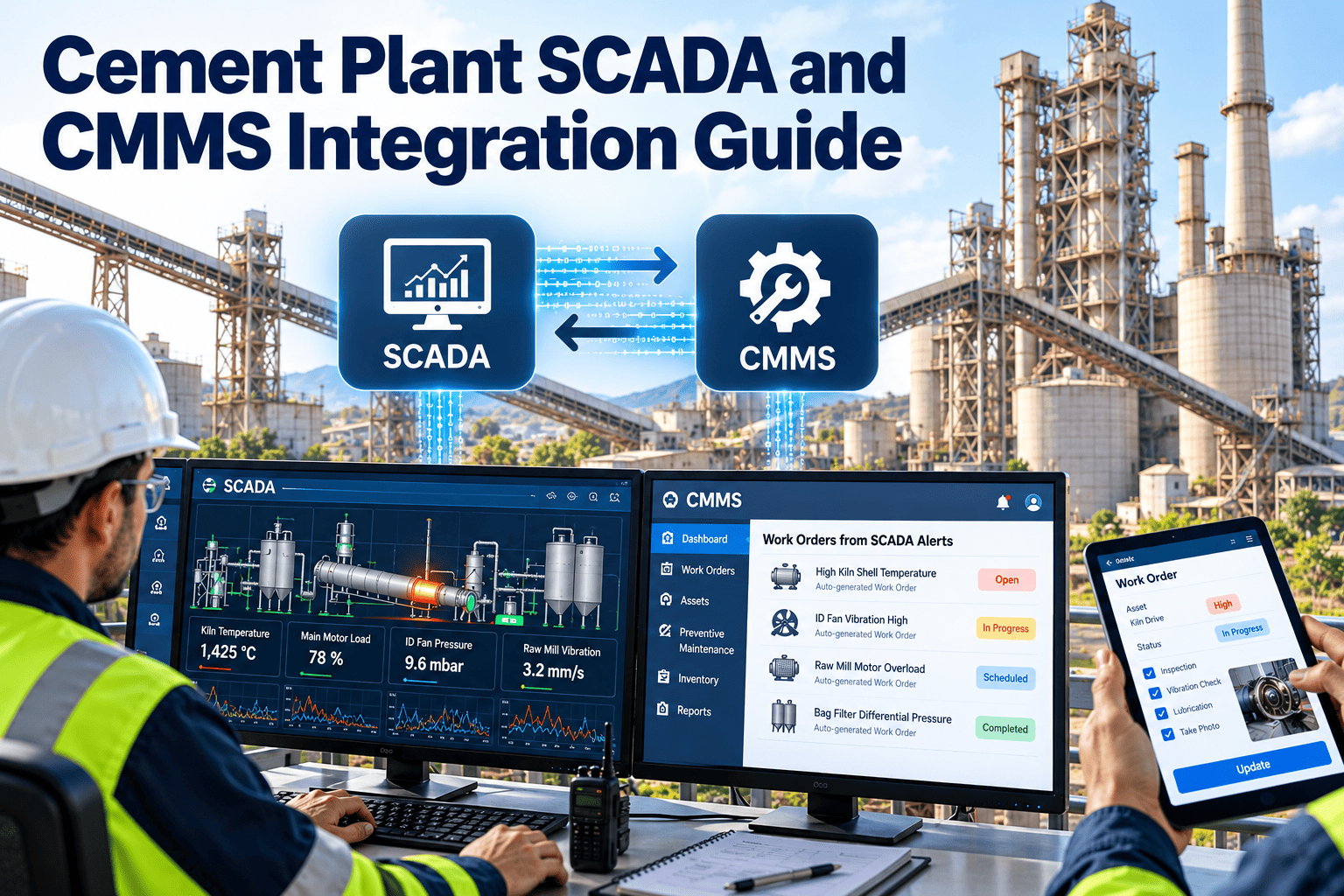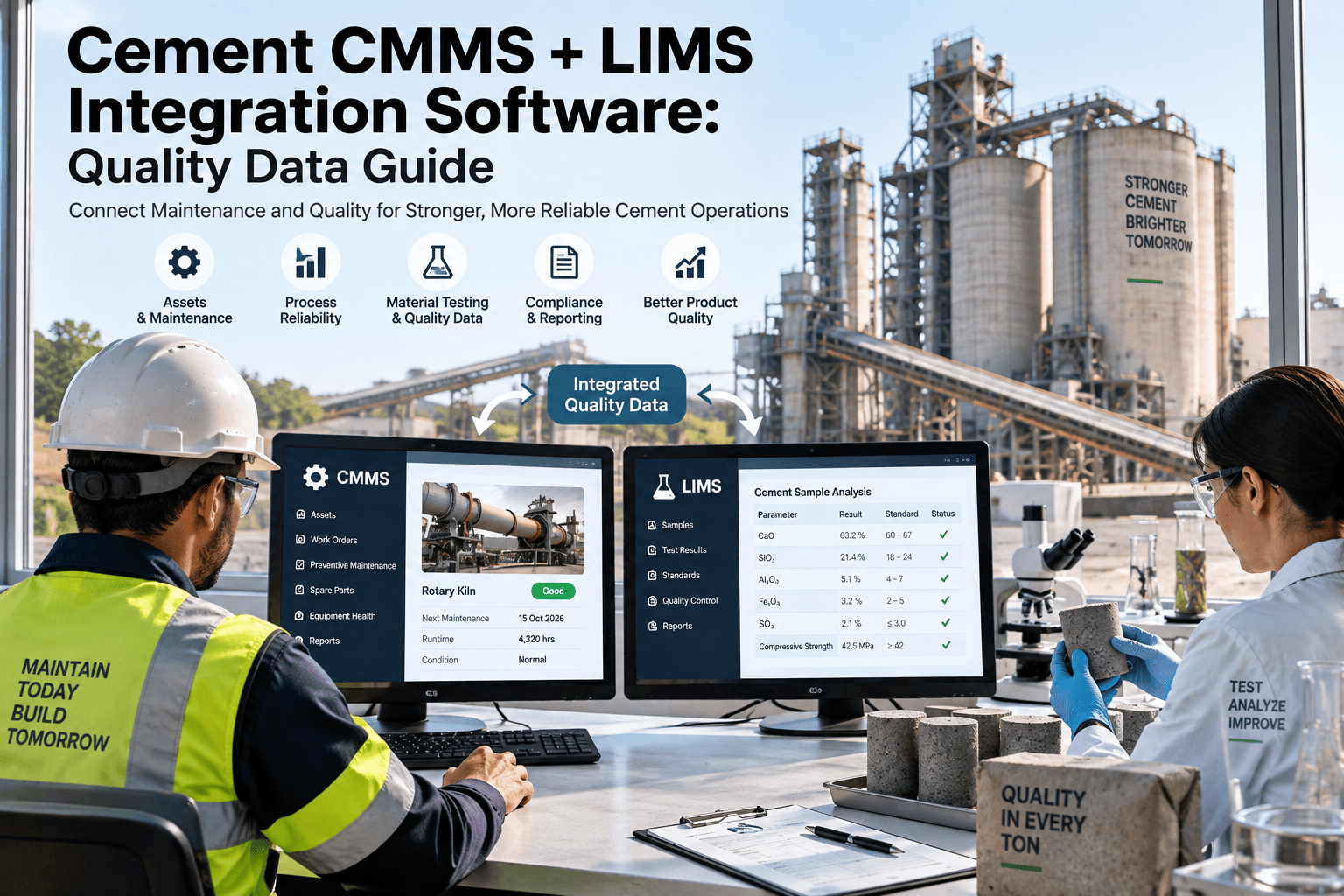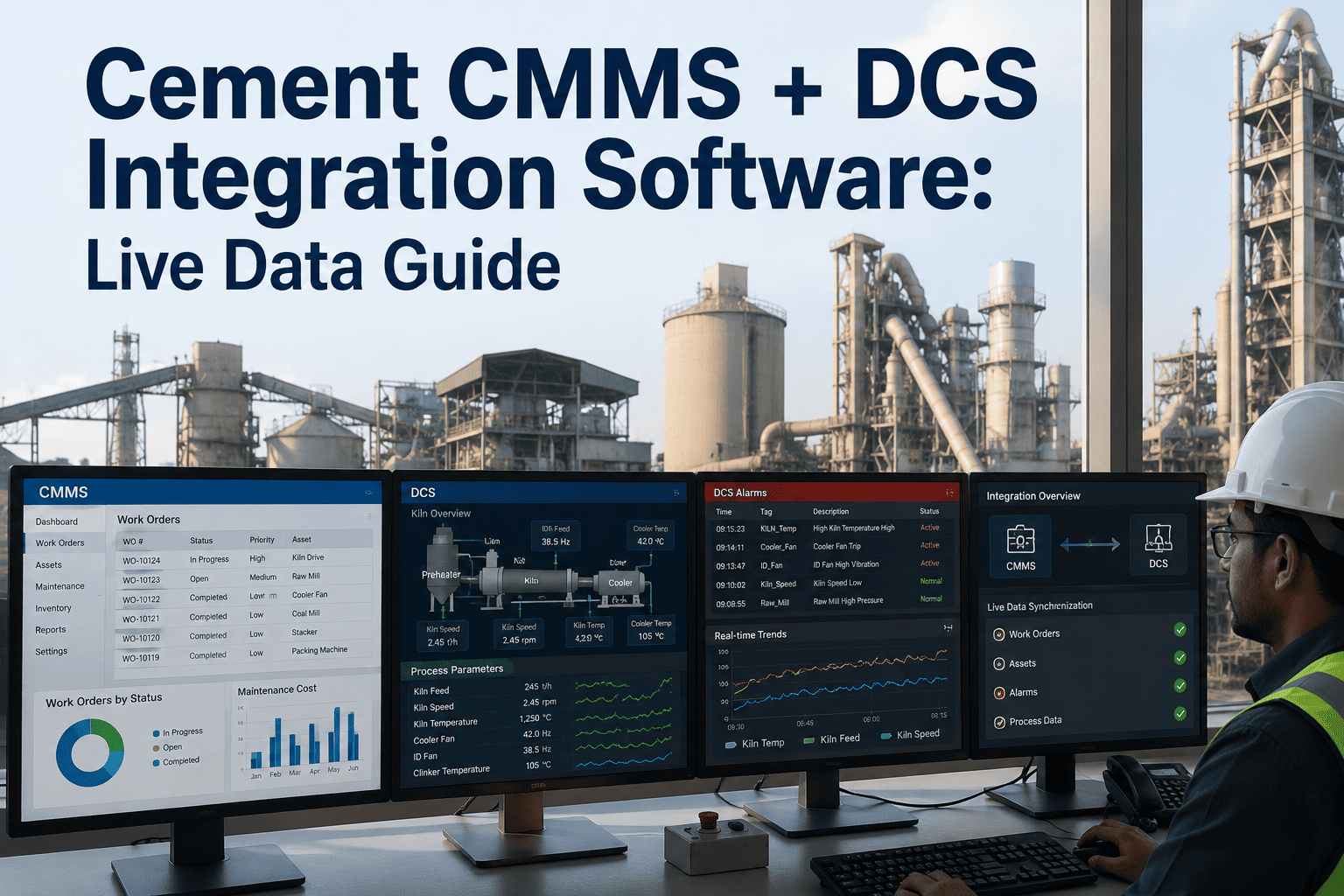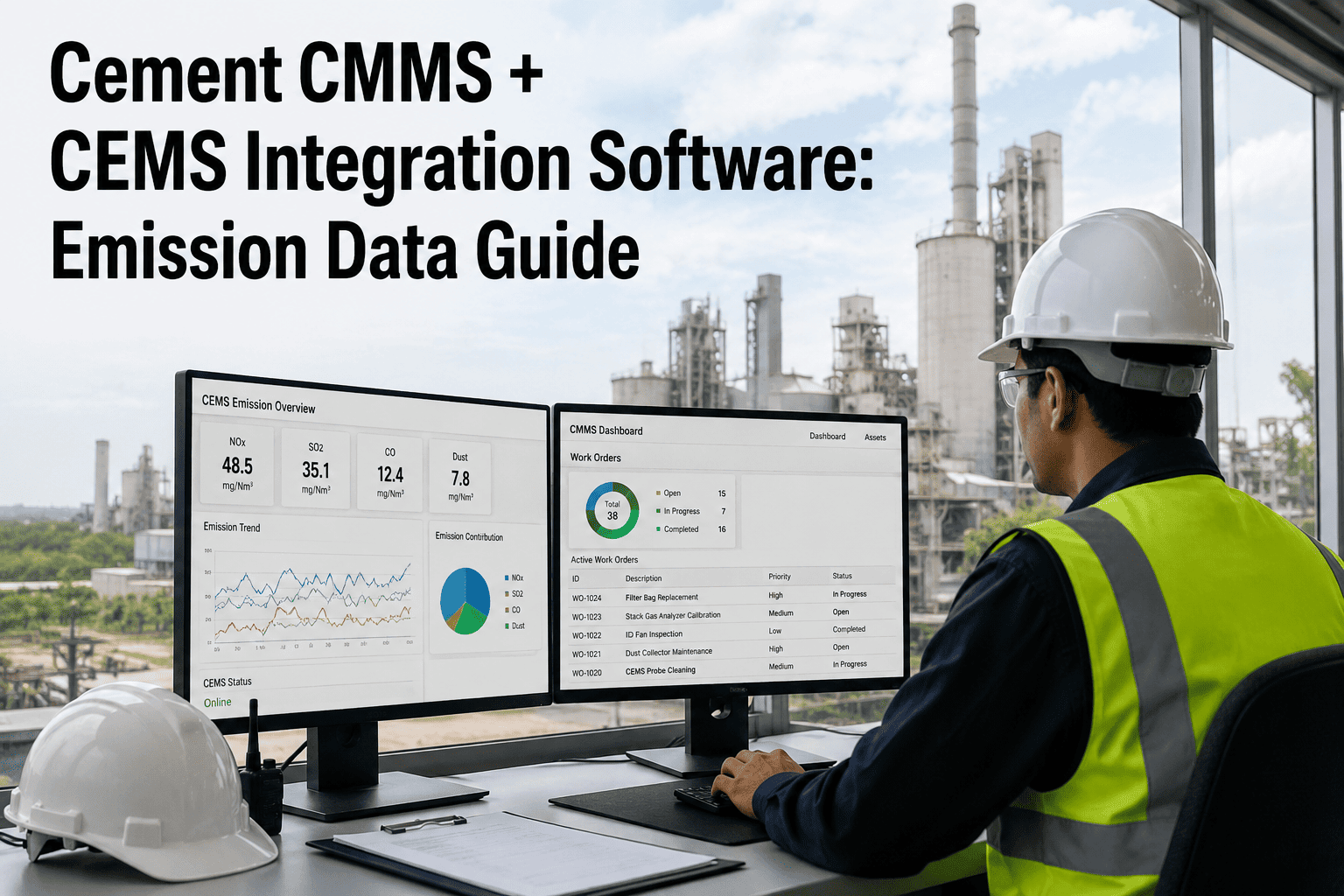
Cement plants evaluating CMMS deployment face a decision that goes beyond IT preference — cloud versus on-premise carries real implications for data residency compliance, ICS network segmentation, and operational resilience. The wrong deployment choice creates audit exposure, OT network risk, or a disaster recovery gap that reveals itself only when something goes wrong. This page walks through the security and compliance dimensions that matter most to cement plant operations teams, so the deployment decision is made on substance rather than vendor preference. Book a demo with Oxmaint to discuss your plant's specific security requirements, or start a free trial and evaluate the cloud deployment architecture directly.
Cloud vs On-Premise CMMS Security for Cement Plants
Data residency. ICS segmentation. SOC 2 certifications. Disaster recovery. The CMMS deployment decision is a security decision — here is how to make it correctly.
The Four Security Dimensions That Actually Matter
Most CMMS vendor comparisons focus on features and price. For cement plants with active ICS/SCADA networks and regulatory compliance obligations, four security dimensions should drive the deployment decision.
Cement plants in regulated jurisdictions — EU (GDPR), India (DPDP Act), and others — may have legal obligations on where maintenance and operational data is stored. Cloud CMMS providers vary widely: some offer region-specific data centers, others process all data in a single geography. On-premise deployment gives complete control at the cost of infrastructure ownership.
A cloud CMMS deployed without proper OT-IT network segmentation creates a pathway between your DCS/SCADA network and the public internet. Cloud CMMS is safe when deployed correctly — CMMS data flows from the IT network, not from OT. Plants that have not defined their IT/OT boundary before CMMS deployment create the risk themselves, not the cloud architecture.
SOC 2 Type II certification from a cloud CMMS vendor means an independent auditor has tested the security controls protecting your data over a 6–12 month period — not just assessed them on paper. On-premise deployments shift this certification burden to your IT team. Most cement plant IT teams are not staffed to achieve or maintain equivalent security controls.
Cloud CMMS platforms typically provide 99.9%+ uptime SLAs with automated backup, geographic redundancy, and tested recovery procedures. On-premise deployments require the plant's IT team to design, test, and maintain equivalent DR capability — including backup storage, failover hardware, and recovery runbooks. Most plants do not have this capacity.
Full Comparison: Cloud vs On-Premise for Cement Plant CMMS
| Security / Operational Factor | Cloud CMMS | On-Premise CMMS |
|---|---|---|
| Data residency control | Provider-dependent — verify region availability | Complete — stored on your infrastructure |
| SOC 2 / ISO 27001 certification | Typically included with vendor | Your IT team must achieve and maintain |
| OT network exposure risk | Low if IT/OT boundary is enforced | Low — can be fully air-gapped |
| Disaster recovery | Automated — included in SLA | Manual — plant IT team responsible |
| Security patching | Automatic — vendor managed | Manual — your IT schedule and budget |
| Uptime SLA | 99.9%+ with contractual guarantee | Dependent on your hardware and IT team |
| Total cost of ownership (5yr) | Predictable subscription cost | Hardware + IT labor + licensing overhead |
| Mobile access off-site | Native — any device, any location | Requires VPN configuration and maintenance |
The IT/OT Network Segmentation Requirement for Cloud CMMS
The most common security concern about cloud CMMS in cement plants is OT network exposure. This concern is valid — but the solution is network architecture, not deployment choice. Here is the correct IT/OT boundary for a cement plant running cloud CMMS.
CMMS data — work orders, asset records, inspection reports — lives on the IT network and reaches the cloud via standard HTTPS. No OT device communicates directly with cloud CMMS. If your DCS alarms need to trigger CMMS work orders, the integration runs via a one-way data bridge from OT historian to IT network, never directly to the cloud.
Frequently Asked Questions
Oxmaint's security team can walk through your plant's specific IT/OT architecture, data residency requirements, and compliance obligations — and show exactly how the cloud deployment handles each one.