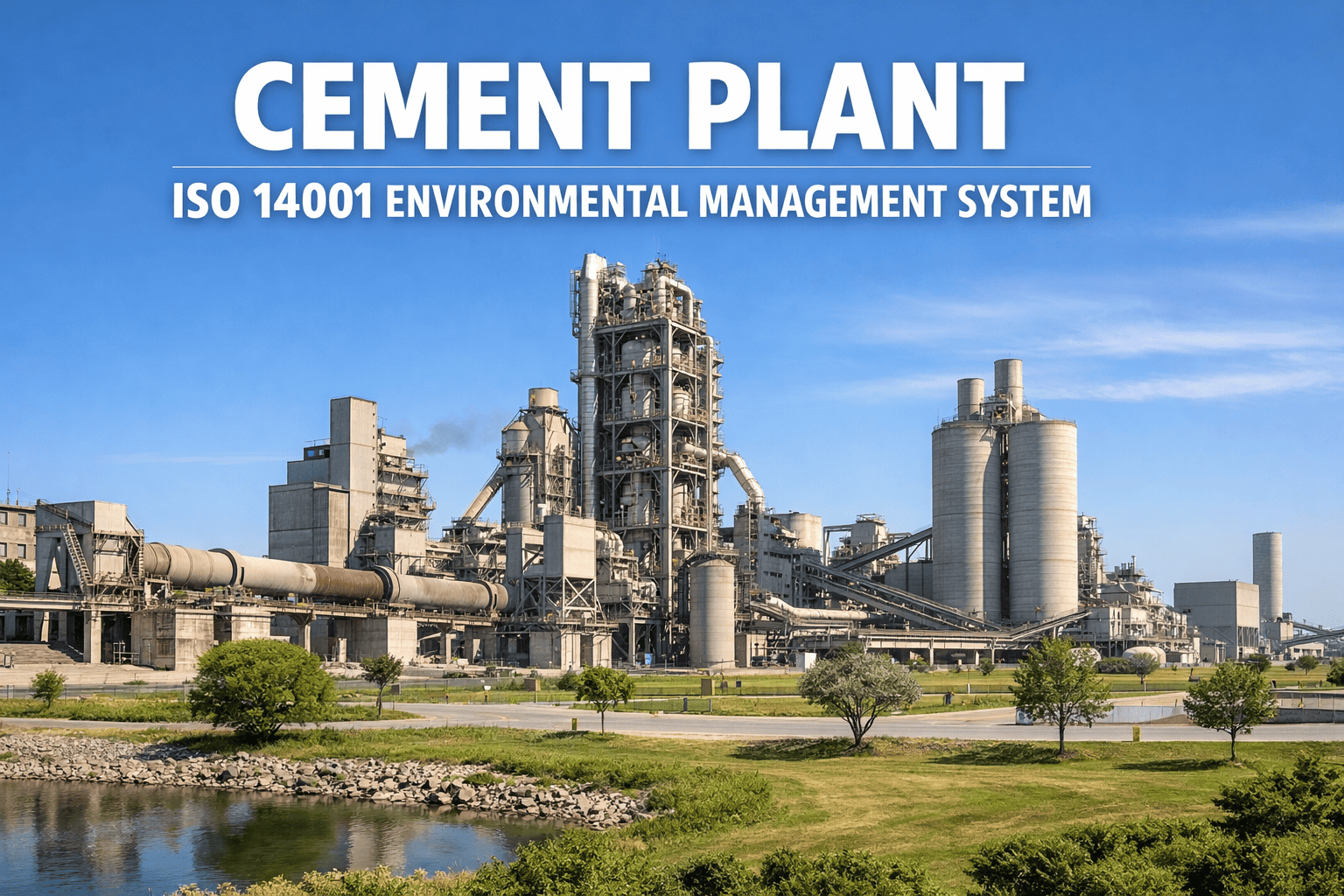
Cement manufacturing is one of the most resource-intensive and heavily regulated industries in the world. Operating around the clock, these facilities process massive volumes of raw materials while navigating stringent emissions, waste, and energy regulations. A single environmental non-conformance can trigger regulatory fines exceeding $50,000 per day, force unplanned kiln shutdowns, and severely damage corporate reputation. With environmental scrutiny at an all-time high, maintaining ISO 14001 certification and a robust Environmental Management System (EMS) isn't just a compliance exercise—it's a critical license to operate.
The difference between a frantic audit preparation and sustained environmental excellence comes down to one thing: systematic, transparent tracking. Digital environmental management platforms transform ISO 14001 compliance from a reactive, paper-heavy burden into a proactive, continuous improvement engine, ensuring every aspect, impact, and corrective action is documented and resolved before regulators arrive.
Why ISO 14001 Tracking Matters in Cement Plants
Heavy reliance on manual spreadsheets and fragmented paper records leaves cement plants vulnerable. Fugitive dust emissions, improper alternative fuel storage, and lapsed calibration records often go unnoticed until a formal external audit. By the time an auditor discovers a major non-conformance, the plant's certification status is already at risk.
Major Non-Conformance
A single critical failure in statutory requirements can result in an immediate suspension of your ISO 14001 certificate.
30+ Days
Average time wasted by environmental managers chasing down paper records and compiling reports for annual surveillance audits.
CAPA Bottlenecks
Corrective and Preventive Actions (CAPAs) assigned on paper are frequently forgotten, leading to repeat audit findings.
Key Environmental Aspects in Cement Production
Air Quality & Emissions
Impact: High SeverityThe most heavily scrutinized aspect of cement manufacturing. Requires strict monitoring of stack emissions and yard dust.
- CEMS (Continuous Emissions) calibration
- Baghouse filter differential pressure
- Fugitive dust suppression systems
- NOx, SOx, and particulate matter levels
- Clinker storage silo seals
Water & Effluent Management
Impact: Medium/HighManaging water usage for gas conditioning towers, cooling systems, and preventing contaminated yard runoff into local waterways.
- Stormwater outfall clarity and pH
- Zero Liquid Discharge (ZLD) system status
- Cooling tower blowdown records
- Oil-water separator functionality
- Groundwater monitoring well data
Waste & Alternative Fuels
Impact: Critical ControlCo-processing of alternative fuels (AFR) like tires or biomass reduces carbon footprint but introduces hazardous materials handling risks.
- Hazardous waste storage secondary containment
- Alternative fuel moisture/calorific sampling
- Spill kit inventory and accessibility
- Kiln bypass dust disposal manifests
- Refractory brick recycling logs
Digitize Your ISO 14001 Audits
Replace heavy regulatory binders with mobile-friendly environmental inspections. Capture compliance photos, track CAPAs, and generate executive reports instantly.
Complete EMS Inspection Checklist
Use this comprehensive checklist for regular ISO 14001 site walks. With a mobile inspection app, your environmental team can complete audits in the yard, capture photographic evidence of spills or dust, and trigger corrective actions automatically—even in offline areas of the plant.
ISO 14001 Audit Frequency Guide
| Audit / Inspection Type | Internal EMS Team | Third-Party Certifier | Regulatory Body |
|---|---|---|---|
| Daily Site Walkthrough (Aspects) | Daily | N/A | N/A |
| CEMS Calibration Check | Weekly | Annually | Random/Quarterly |
| Internal EMS System Audit | Bi-Annually | N/A | N/A |
| Management Review Meeting | Annually | Verified Annually | N/A |
| Surveillance Audit | N/A | Annually | N/A |
| Recertification Audit | N/A | Every 3 Years | N/A |
Sample ISO 14001 Audit Report Template
Audit Information
Clause Compliance Assessment
Key Indicators Verified
Non-Conformances & Corrective Actions (CAPA)
Common Non-Conformances & Warning Signs
Auditors look for systemic failures. Train your plant personnel to recognize these environmental warning signs during daily operations, and use digital compliance software to document and resolve issues immediately to demonstrate continuous improvement.
Fugitive Dust Emissions
Signs: Heavy dust clouds from crushers, unpaved roads, or transfer towers.
Causes: Failed baghouses, torn curtains, dry stockpiles, or broken water sprinklers.
Action: Immediately isolate equipment, activate suppression systems, log deviation.
Improper Waste Storage
Signs: Unlabeled drums, open lids, mixed waste streams, no secondary containment.
Causes: Lack of training, ignored standard operating procedures (SOPs).
Action: Segregate immediately, label clearly, retrain personnel on ISO clause 8.1.
Missing Calibration Records
Signs: Past-due stickers on flow meters, gas analyzers, or weigh feeders.
Causes: Poor maintenance planning, reliance on manual spreadsheets.
Action: Quarantine data from uncalibrated devices, schedule urgent recalibration.
Inadequate Spill Response
Signs: Oil slicks in yard drains, empty/missing spill kits, unreported leaks.
Causes: Hydraulic line bursts, careless refueling of heavy mobile equipment.
Action: Contain spill, follow emergency procedure, restock kit, file incident report.
Cost of Compliance vs. Cost of Failure
Proactive EMS Investment
Failure & Non-Compliance Consequences
Digital Audit & EMS Benefits
Modern asset and compliance management platforms replace disconnected binders with an integrated digital workflow. This empowers plant managers to prove their commitment to the environment and sail through external audits.
Mobile Auditing
Complete ISO clause checks from a tablet in the field. Works seamlessly across the massive footprint of a cement plant.
Photo Evidence
Capture visual proof of compliance (e.g., clean drip trays) or non-conformances directly into the audit log.
Automated Reports
Generate professional audit summaries for Management Review meetings with a single click.
Document Control
Centralize environmental policies, aspect registers, and SOPs ensuring everyone accesses the latest version (ISO 7.5).
Instant CAPA Creation
Find a leak? Generate a corrective action work order instantly and route it to the mechanical maintenance team.
Compliance History
Demonstrate continuous improvement by instantly accessing historical audit data and trend analytics.
Secure Your Cement Plant's ISO 14001 Certification
Join leading heavy building materials producers using Oxmaint to digitize environmental audits, eliminate paperwork, and achieve zero non-conformances.
Frequently Asked Questions
Don't Wait for the Auditor — Manage Compliance with Oxmaint
Leading cement manufacturers trust Oxmaint to standardize environmental inspections, close corrective actions faster, and maintain perfect audit readiness. Take control of your EMS today.