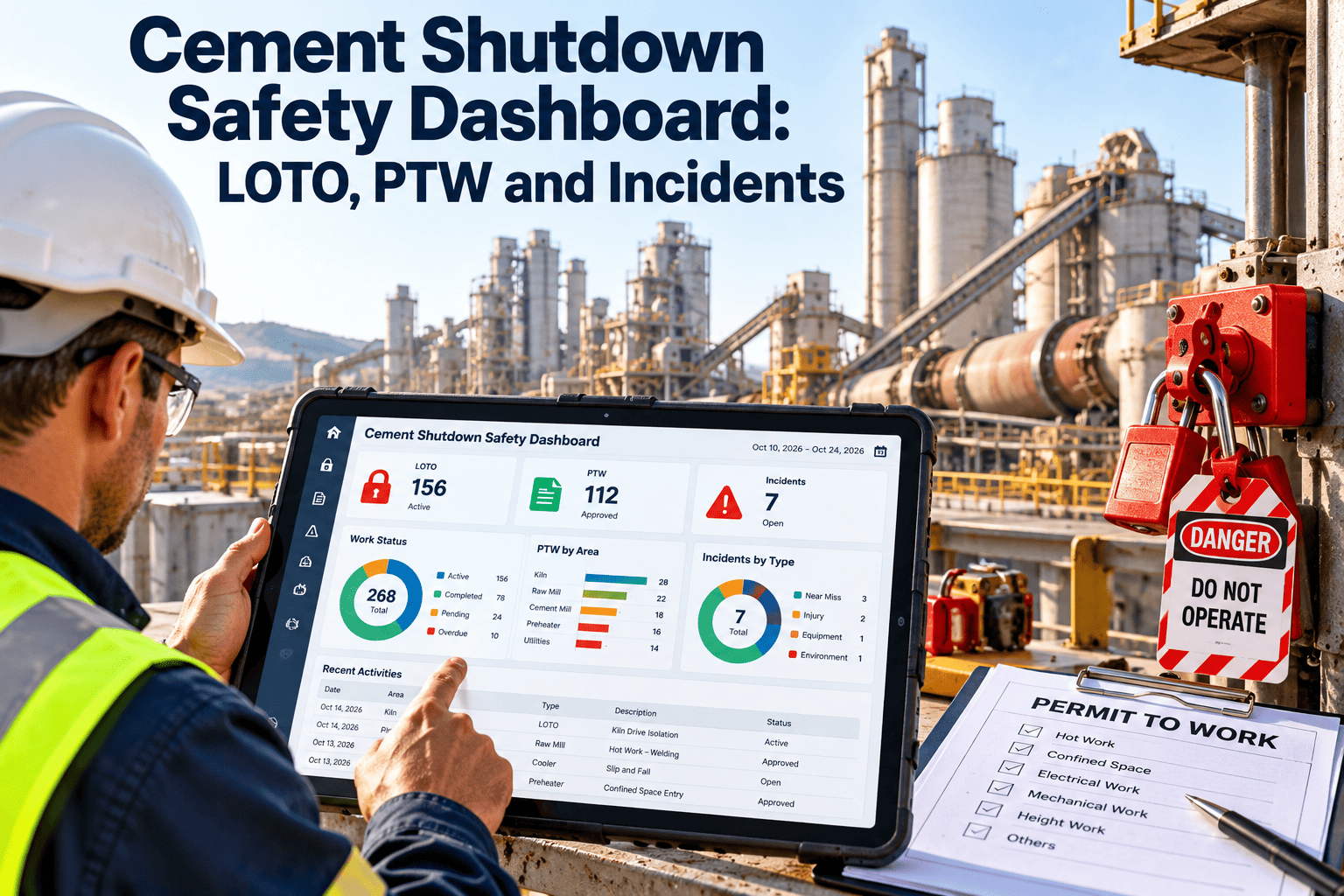
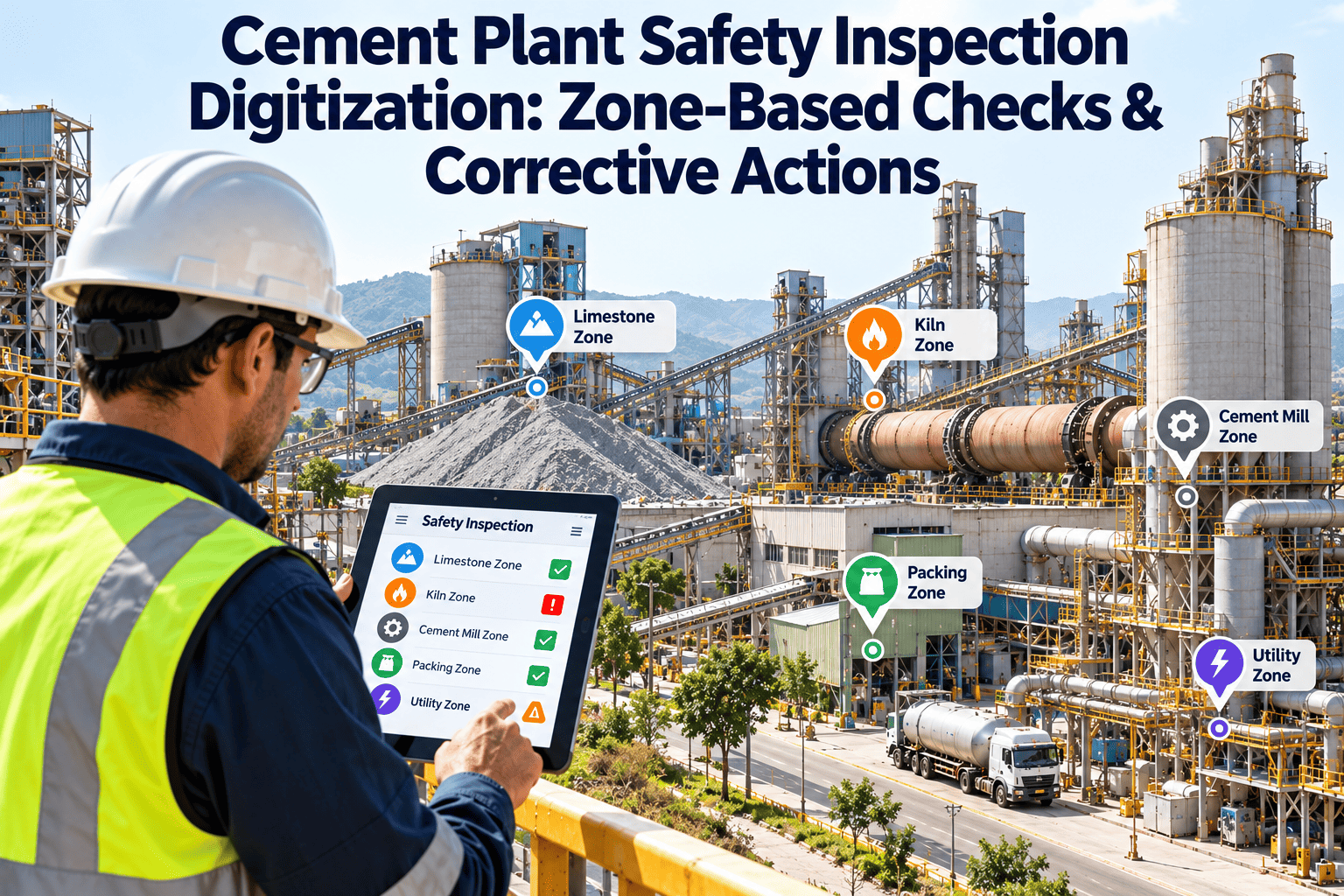
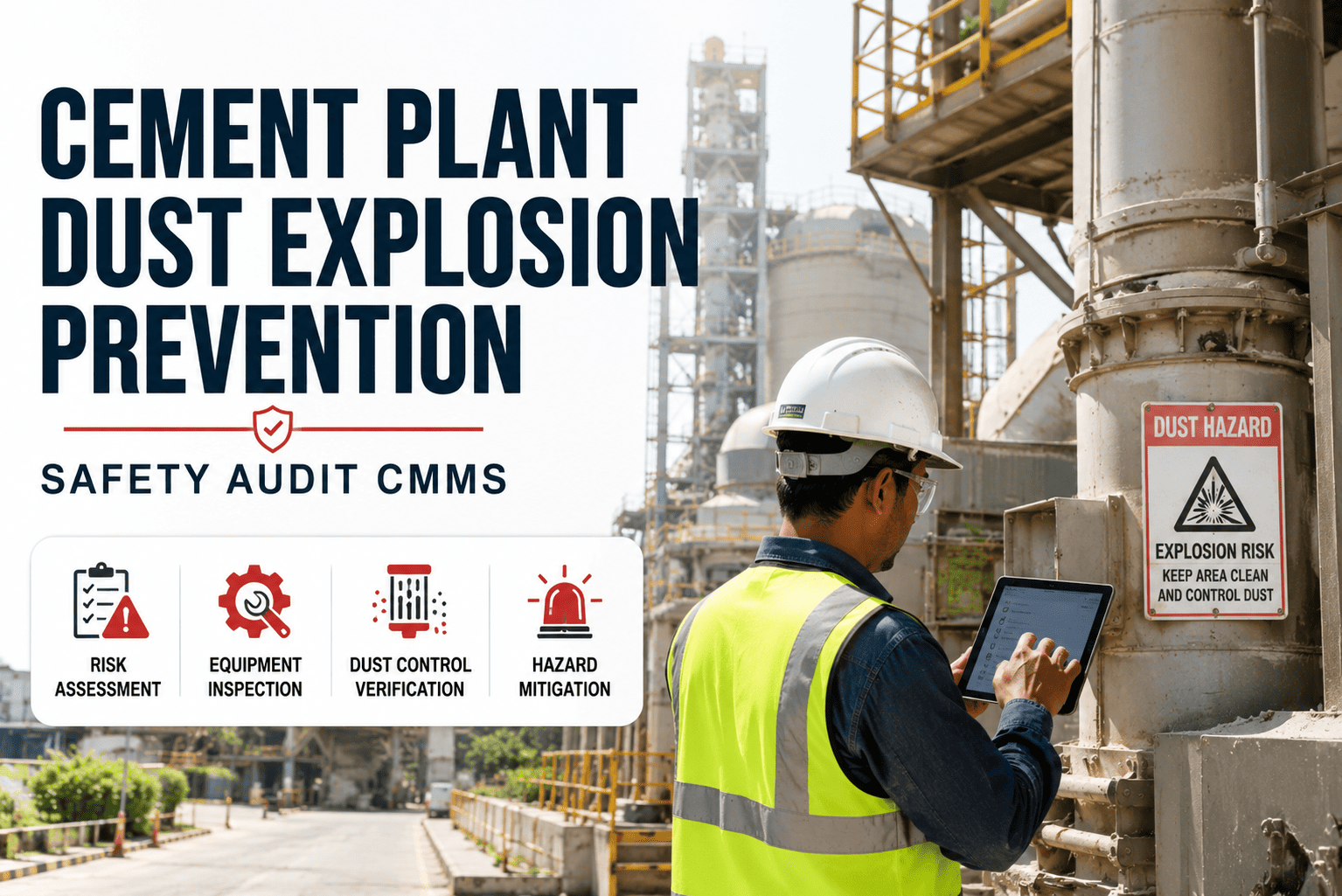
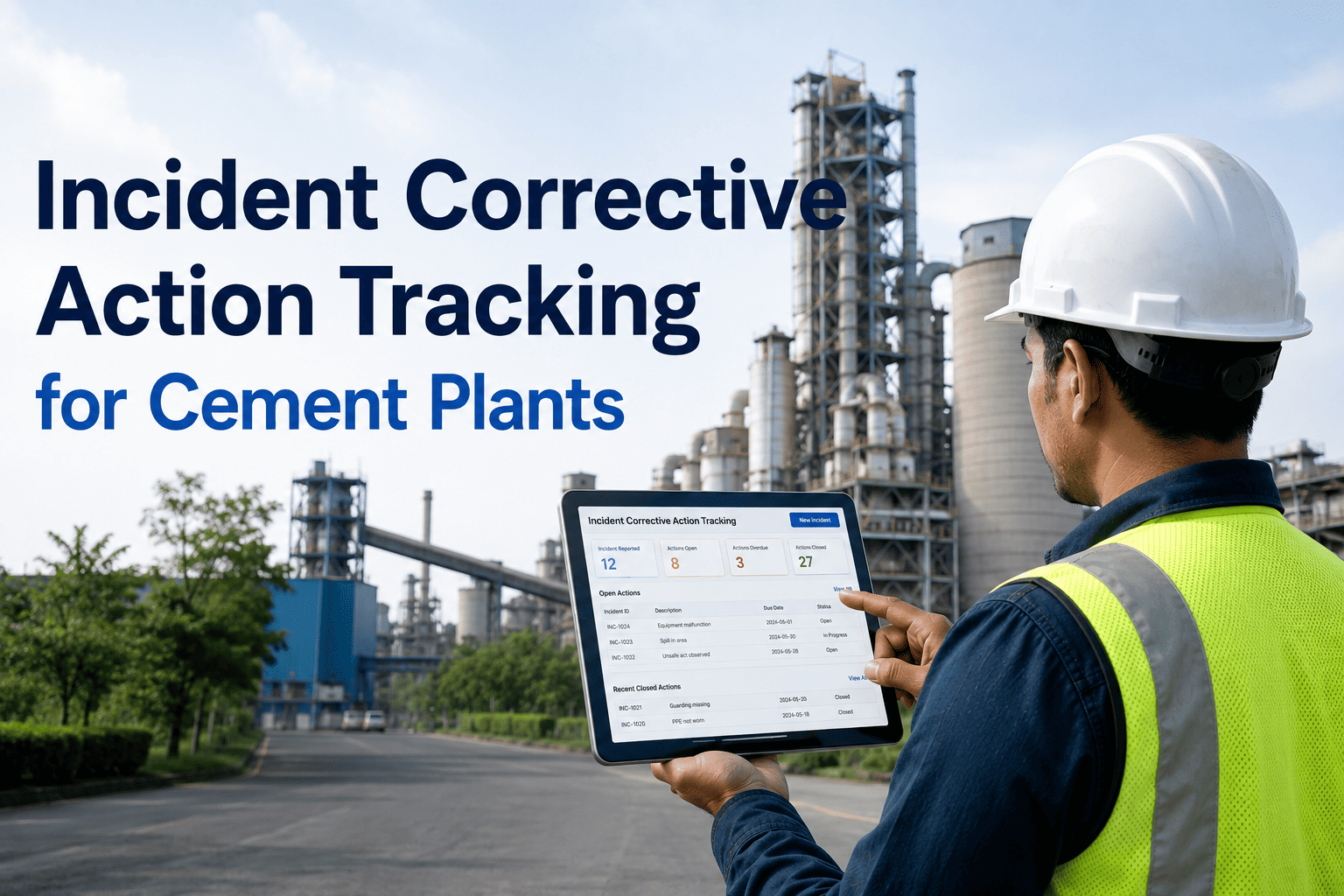
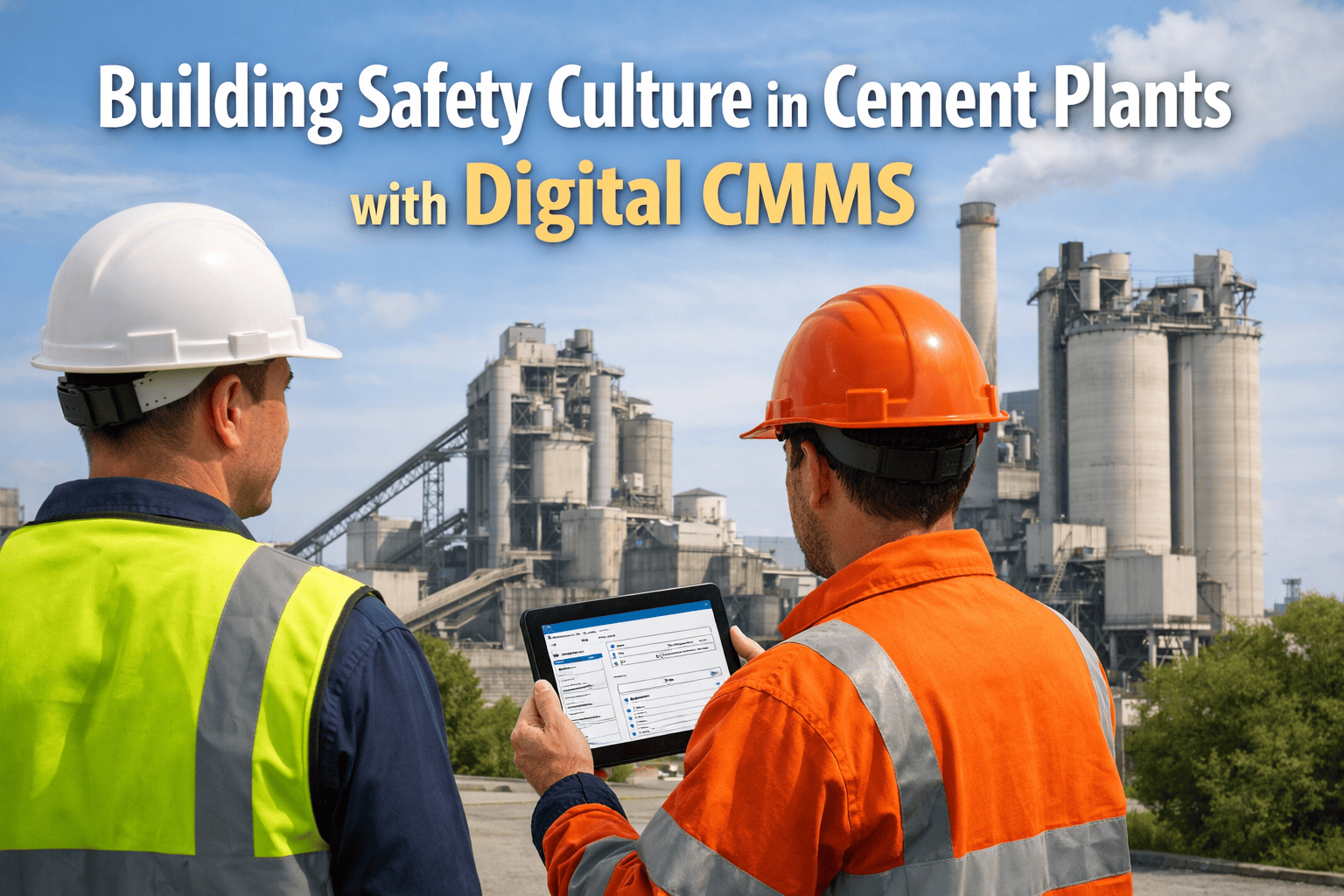
A maintenance technician enters a preheater cyclone for routine inspection at 6:14 AM. The confined space permit was issued the previous shift—but atmospheric testing happened 9 hours ago, and an overnight raw meal leak has silently displaced oxygen to lethal levels. Within minutes, what could have been a near-miss becomes a fatality. The investigation reveals a chain of failures that digital safety systems would have prevented: paper permits that couldn't enforce real-time validity checks, no automated re-testing triggers, and confined space logs buried in binders nobody reviewed. Cement plants rank among the most hazardous industrial environments on earth—combining extreme temperatures, confined spaces, rotating equipment, airborne silica, and fall hazards across sprawling facilities. Yet research shows that for every serious injury, there are approximately 300 near-miss events that went unreported or uninvestigated. Capturing and analyzing these leading indicators transforms safety culture from reactive investigation to proactive prevention. Sign up for Oxmaint to digitize your near-miss reporting and connect safety events directly to equipment maintenance workflows.
3,000
Unsafe Acts/Conditions
Every serious incident is preceded by hundreds of warning signs. Plants that capture and investigate near-misses at a 30:1 ratio to actual incidents demonstrate mature safety cultures—and statistically prevent fatalities before they occur.
The Five Leading Causes of Cement Plant Fatalities
Understanding what kills workers in cement manufacturing enables targeted near-miss programs that focus on the highest-risk scenarios. Every one of these fatality categories is preceded by detectable near-miss events—if organizations create systems to capture them. Book a demo to see how Oxmaint's incident tracking identifies patterns before they become tragedies.
25%
Falls from Height
Preheater towers, silo tops, conveyor structures, kiln shells
Near-miss indicators: Missing handrails, unsecured hatches, fall protection not worn, scaffold defects
20%
Mobile Equipment Strikes
Quarry haul trucks, wheel loaders, forklifts, dump trucks
Near-miss indicators: Pedestrians in vehicle zones, blind spot incidents, speeding, failed backup alarms
15%
Confined Space Asphyxiation
Silos, cyclones, preheater vessels, storage bins, tanks
Near-miss indicators: Expired permits, skipped atmospheric tests, missing rescue equipment, unauthorized entry
15%
Electrical Contact
HV switchgear, arc flash zones, energized equipment, VFDs
Near-miss indicators: LOTO violations, missing arc flash labels, unauthorized access, damaged insulation
12%
Rotating Equipment Entanglement
Conveyors, mills, kiln drive systems, crusher shafts
Near-miss indicators: Missing guards, loose clothing catches, bypassed interlocks, cleaning while running
Transform Near-Misses Into Prevention
Digital incident reporting captures events in real-time, links findings to equipment records, and automatically generates corrective work orders—closing the loop between safety and maintenance.
Building an Effective Near-Miss Reporting Culture
The greatest barrier to near-miss reporting isn't technology—it's fear. Workers who believe reports will result in punishment, blame, or extra paperwork simply won't submit them. World-class safety programs achieve near-miss to incident ratios of 30:1 or higher by creating psychological safety and demonstrating that reports drive positive change. Book a demo to see how AI-powered systems now analyze near-miss patterns to predict where the next serious incident is most likely to occur.
✗
Fear of discipline or blame for reporting unsafe conditions
✗
Complex paper forms requiring 15+ minutes to complete
✗
No visible action taken on previous reports
✗
Supervisor discouragement to "keep numbers down"
✗
Perception that near-misses aren't "real" safety events
✓
No-blame policy with leadership reinforcement
✓
Mobile app submission in under 60 seconds
✓
Visible corrective actions with reporter feedback
✓
Recognition programs for active reporters
✓
Data-driven trend sharing in safety meetings
Digital vs Paper Incident Reporting
Paper-based incident reporting systems worked for decades—but they cannot compete with digital platforms in speed, accuracy, trend analysis, or corrective action tracking. Plants transitioning to digital reporting typically see near-miss capture rates increase by 300–500% within the first quarter simply because barriers to submission disappear.
Capability
Paper-Based
Digital CMMS
Report Submission Time
15–30 minutes
Under 60 seconds
Photo/Video Evidence
Separate camera, print, attach
Instant capture with GPS tag
Trend Analysis
Manual spreadsheet entry
Automatic pattern detection
Corrective Action Tracking
Manual follow-up required
Auto-generated work orders
Equipment Linkage
None—separate systems
Direct asset history connection
Regulatory Compliance
Manual OSHA log preparation
Auto-generated compliance reports
Audit Readiness
Box of files to search
Instant searchable database
Schedule a demo to see how Oxmaint's mobile incident reporting eliminates paper forms and connects safety events directly to your maintenance workflows.
The Incident Investigation Process
When incidents or significant near-misses occur, thorough investigation identifies root causes—not just immediate triggers. The goal isn't assigning blame but understanding systemic failures that allowed the event to occur. Digital investigation workflows ensure nothing falls through the cracks while building a searchable knowledge base for future reference.
01
Immediate Response
0–4 Hours
Secure the scene and provide medical attention
Preserve physical evidence and equipment state
Identify and interview witnesses
Photograph/video conditions before cleanup
Notify regulatory authorities if required
02
Data Collection
24–72 Hours
Pull equipment maintenance history from CMMS
Review recent inspection and PM records
Examine training records and certifications
Collect permit-to-work documentation
Gather environmental monitoring data
03
Root Cause Analysis
3–14 Days
Apply 5-Why methodology to each failure chain
Map contributing factors across categories
Identify management system breakdowns
Distinguish proximate vs systemic causes
Validate findings with involved personnel
04
Corrective Actions
Immediate–90 Days
Define specific, measurable corrective actions
Assign owners with deadlines
Generate maintenance work orders in CMMS
Update procedures and training materials
Track implementation to completion
05
Lessons Learned
Ongoing
Share findings across shifts and sites
Incorporate into safety meeting topics
Update risk assessments and JSAs
Add to new employee orientation
Verify effectiveness through audits
Root Cause Categories in Cement Plants
Effective investigations categorize root causes to identify patterns across multiple incidents. When 40% of your near-misses trace back to "procedure not followed," the systemic issue isn't worker behavior—it's procedure design, training, or enforcement. AI-powered systems automatically categorize incidents and surface trends that manual analysis would miss.
Missing or outdated SOPs
Procedures too complex to follow
Conflicting instructions
Language/literacy barriers
Fatigue and shift scheduling
Complacency with routine tasks
Inadequate hazard awareness
Time pressure and shortcuts
Deferred maintenance
Design deficiencies
Missing or bypassed guards
Inadequate warning systems
Inadequate initial training
No refresher programs
Competency not verified
Contractor orientation gaps
Inadequate risk assessment
Poor permit-to-work systems
Insufficient supervision
Budget constraints on safety
Shift handover failures
Language barriers
Unclear responsibilities
Missing hazard alerts
Connect Safety to Maintenance
Every incident links back to equipment and maintenance history. Oxmaint connects investigation findings to asset records, driving preventive maintenance improvements that address systemic causes of safety failures.
AI and Predictive Safety Analytics
The future of cement plant safety lies in prediction, not reaction. Machine learning algorithms now analyze near-miss patterns, equipment performance data, and environmental conditions to identify where the next serious incident is most likely to occur—enabling intervention before harm happens. Plants deploying AI-powered safety monitoring report 30% fewer safety incidents within the first year.
Pattern Recognition
Machine learning identifies correlations between near-misses, equipment condition, shift patterns, weather, and production rates—surfacing risk factors that human analysis misses.
Predictive Alerts
AI models predict elevated risk periods—such as shutdown activities, contractor presence, or equipment approaching failure—triggering proactive safety interventions.
Computer Vision Monitoring
AI cameras detect PPE violations, unauthorized zone entry, and unsafe behaviors in real-time—generating automatic near-miss reports without worker intervention.
Natural Language Processing
NLP analyzes incident report text to identify emerging safety concerns, spotting trends in worker feedback that indicate growing risks before metrics reflect them.
Key Performance Indicators for Safety Programs
What gets measured gets managed. Effective cement plant safety programs track both lagging indicators (incidents that already occurred) and leading indicators (activities that predict future performance). Digital dashboards provide real-time visibility into these metrics across shifts and sites. Book a demo to see how Oxmaint's safety dashboards surface the metrics that actually predict performance.
Measure what already happened
TRIR
Total Recordable Incident Rate
LTIR
Lost Time Incident Rate
Severity Rate
Days lost per 200,000 hours
Fatality Rate
Deaths per million hours worked
Predict future performance
Near-Miss Ratio
Target 30:1 vs actual incidents
Inspection Completion
% of scheduled safety audits done
Corrective Action Closure
% closed within deadline
Training Compliance
% workforce current on certifications
Frequently Asked Questions
What is the ideal near-miss to incident ratio for cement plants?
World-class safety programs target a minimum 30:1 ratio of near-misses to actual incidents. This indicates a mature reporting culture where workers capture warning signs before harm occurs. Plants with ratios below 10:1 typically have underreporting problems rather than fewer hazards—digital reporting systems often increase capture rates by 300–500%.
How quickly should near-miss reports be investigated?
Near-misses should be triaged within 24 hours based on potential severity. High-potential events warrant the same investigation rigor as actual incidents—including root cause analysis and corrective actions. Lower-severity near-misses can be addressed through trend analysis and batch corrective actions during weekly safety reviews.
Should near-miss reports be anonymous?
Offering anonymous reporting options increases capture rates, especially in organizations transitioning from blame-focused cultures. However, the goal should be building trust where workers feel comfortable with identified reports—enabling follow-up questions and personal recognition. Many plants offer both options during cultural transition periods.
How does CMMS integration improve incident investigation?
When incident reports link directly to CMMS equipment records, investigators can instantly access maintenance history, recent inspections, known defects, and pending work orders for involved assets. This connection often reveals systemic patterns—such as recurring near-misses on equipment with deferred maintenance—that paper systems cannot surface.
What root cause methodology works best for cement plant incidents?
The 5-Why technique combined with barrier analysis works well for most cement plant incidents. For complex events involving multiple failures, formal methodologies like TapRoot, ICAM, or Bowtie analysis provide more structured frameworks. The key is consistency—using the same methodology across all investigations enables meaningful trend analysis over time.
What regulations require near-miss tracking in cement plants?
While OSHA doesn't specifically mandate near-miss tracking, it requires employers to examine workplaces for hazards—which near-miss programs support. MSHA regulations for mining operations (including cement quarries) require investigation of accidents and near-misses that present hazards. ISO 45001 certification requires organizations to investigate incidents including near-misses and nonconformities.