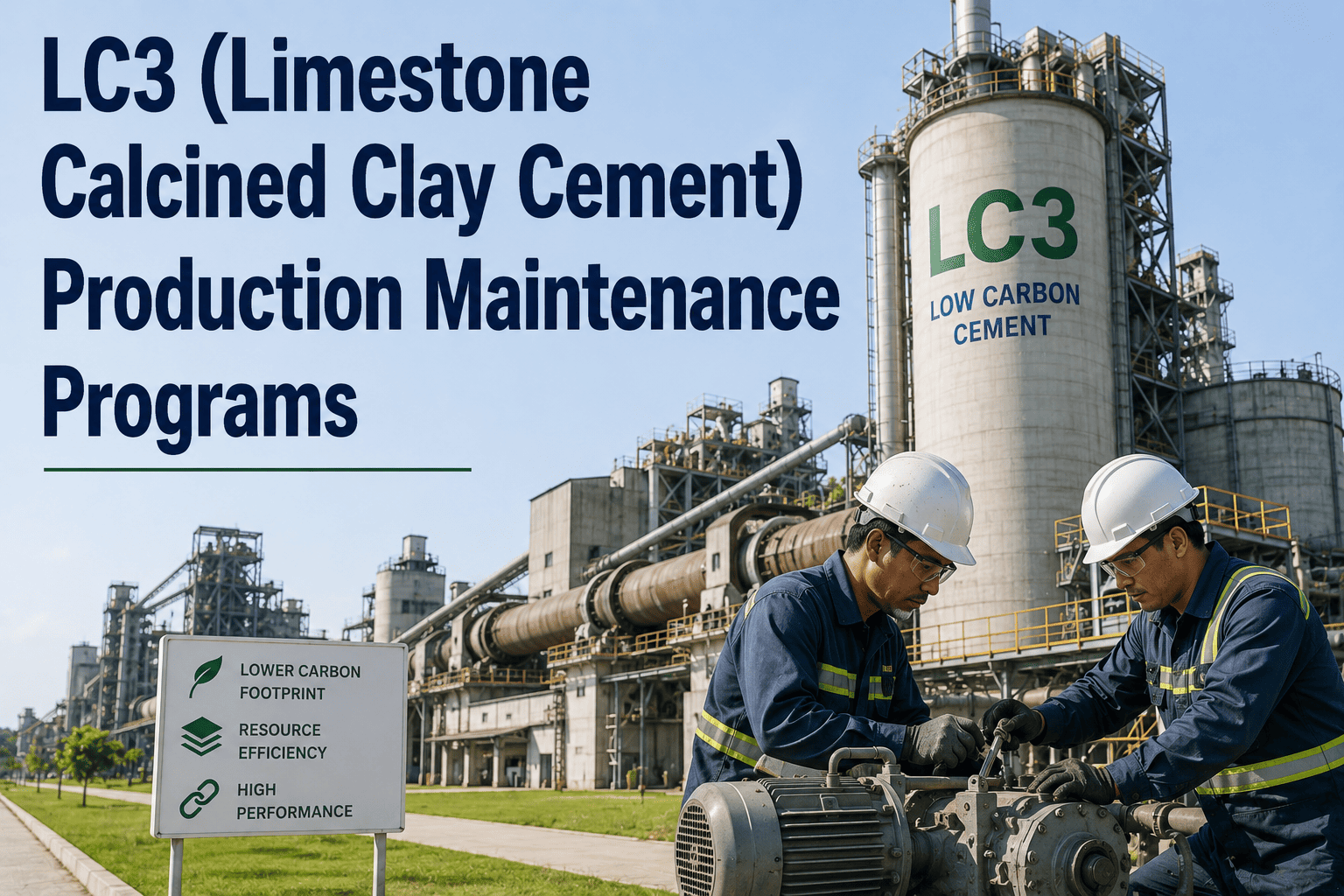
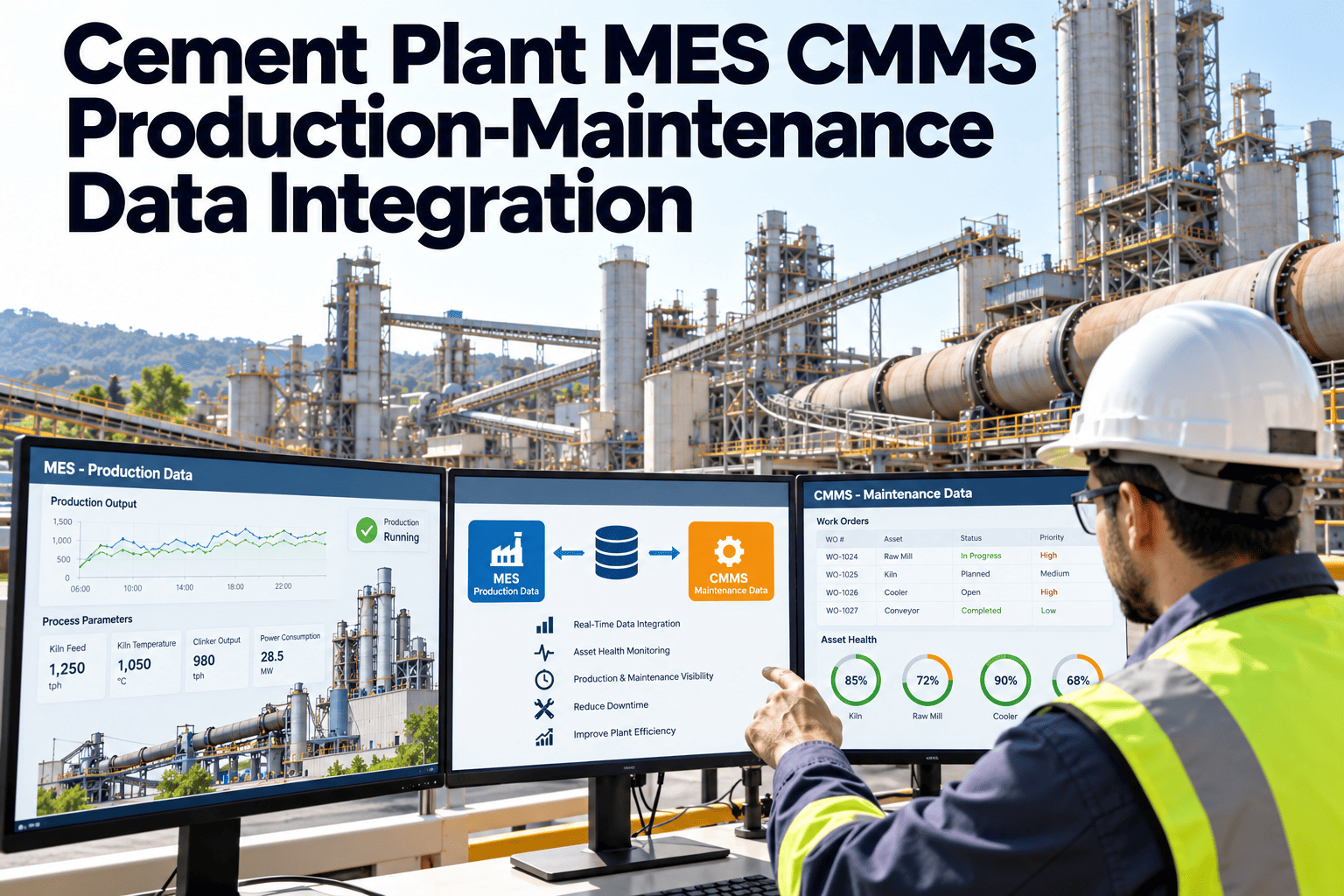
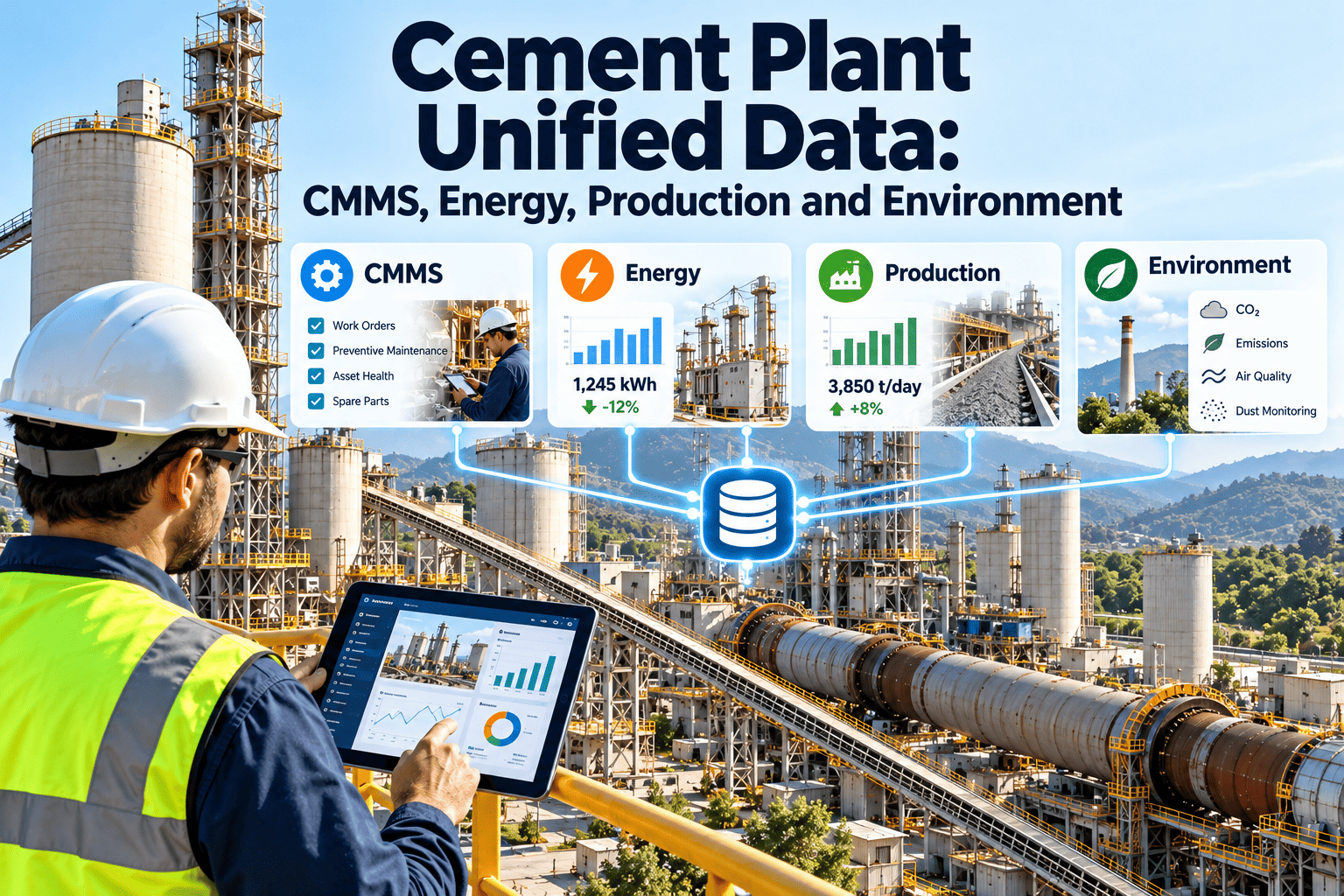
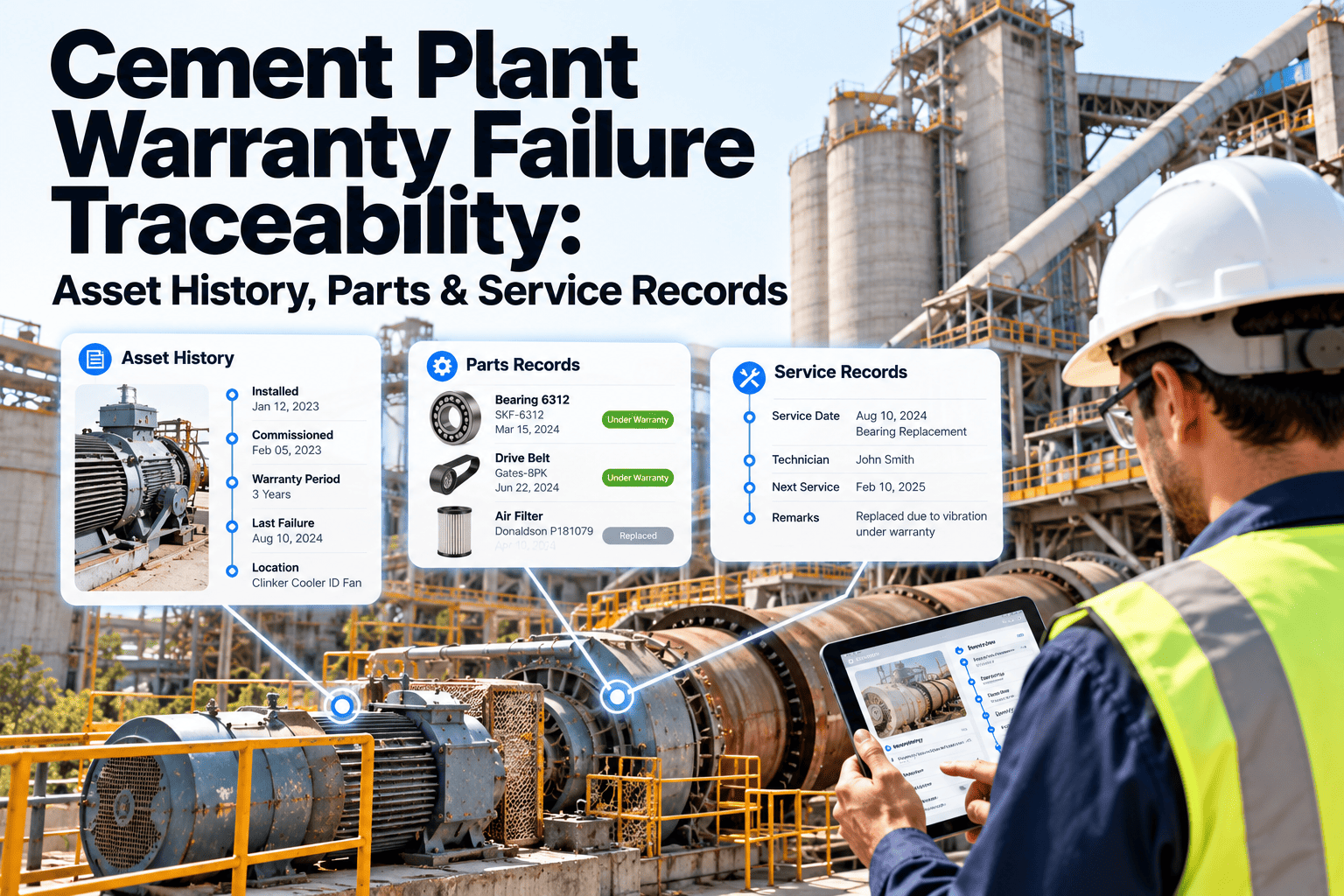
Limestone calcined clay cement (LC3) is one of the most significant cement technology advances of the past two decades — a blend of 50% clinker, 30% calcined clay, 15% limestone, and 5% gypsum that delivers up to 40% lower CO2 emissions than ordinary Portland cement using widely available raw materials and no exotic process chemistry. Unlike fly ash or slag, which depend on industrial by-product supply chains, LC3 uses low-grade kaolinitic clay — available in most geographies — calcined at 700–850°C, a temperature far below clinker production temperatures and achievable with standard equipment. The technology has moved from laboratory research to commercial-scale production, with plants now operating in Colombia, France, Cuba, Denmark, and multiple countries across Africa and Asia. But running an LC3 plant introduces a new set of equipment — flash calciners, clay grinders, and expanded blending and dosing systems — each with maintenance requirements that differ substantially from conventional cement equipment. Calcination temperature control, clay feed quality consistency, and grinder performance are the three operational parameters most directly linked to LC3 product quality, and all three require dedicated PM programmes and systematic CMMS-tracked records. OxMaint's maintenance management platform helps LC3 production teams build asset registers, PM schedules, and performance tracking systems for every piece of equipment from clay intake through finished cement dispatch.
Cement · LC3 · Green Cement · Maintenance
LC3 (Limestone Calcined Clay Cement) Production Maintenance Programs
Flash Calciner · Clay Grinder · Gypsum Dosing · CMMS-Tracked Plant Records
LC3 at a Glance: What Makes It Different
40%
Maximum CO2 reduction vs OPC — achieved through lower clinker content and lower calcination temperature
700–850°C
Calcination temperature for clay — substantially lower than 1,450°C needed for clinker, cutting fuel cost and emissions
50%
Clinker content in LC3 blend — vs up to 95% in standard Portland cement, enabling significant carbon reduction
30%
Minimum kaolinite content in calcined clay required for reliable mechanical performance in LC3 blends
LC3 Blend Composition
OPC comparison: 85–95% clinker. LC3's 50% clinker content is the primary source of its CO2 reduction advantage.
The Three New Equipment Groups LC3 Introduces
The clay calciner is the most process-critical new equipment in an LC3 plant. Calcination temperature must be controlled within the 700–850°C window — too low and kaolinite is insufficiently activated, reducing reactivity; too high and the clay sinters, producing a dense, low-reactivity material. Three calciner types are commercially available: flash calcination units, rotary kilns (adapted from conventional cement), and fluidised bed systems.
Critical PM Points
Temperature sensor calibration — quarterly or more frequently if process variability is detected
Refractory lining inspection — lower calcination temperature than clinker kiln, but still significant thermal cycling stress
Feed system wear — clay abrasivity causes accelerated wear in feed chutes and conveying equipment
Burner condition — fuel-air ratio must be tightly controlled to maintain temperature window
Calcined clay must be ground to a fineness that activates its pozzolanic surface area effectively. Existing ball mills can be used, but the grindability of calcined clay differs from clinker and slag — requiring adjusted grinding media fill, separator settings, and liner wear monitoring. Plants using dedicated clay grinders must size them against the clay's specific hardness, which varies with source geology and calcination conditions.
Critical PM Points
Grinding media top-up — calcined clay's abrasivity depletes grinding media at higher rates than clinker grinding
Liner plate inspection — monthly visual inspection with CMMS-recorded thickness measurements
Separator efficiency test — residue at 45 micron must be checked against target fineness to confirm grinding performance
Mill bearing temperature trending — early warning of lubrication or alignment deterioration
LC3 requires precise proportioning of four components with different bulk densities, flowabilities, and moisture sensitivities. Clinker, calcined clay, limestone, and gypsum each need separate storage silos and weigh feeders. Feed ratio accuracy determines product quality — a 2% drift in calcined clay dosing changes the clinker factor and the carboaluminate phase formation that gives LC3 its performance characteristics.
Critical PM Points
Weigh feeder calibration — each component requires separate calibration using actual material, not a universal setting
Silo aeration pad inspection — clay and limestone both have bridging tendency; aeration failure causes feed interruptions
Gypsum dosing accuracy — SO3 content of finished cement must stay within specification; over-dosing causes false set
Silo moisture monitoring — stored calcined clay absorbs moisture, altering flowability and reactivity
Track Every LC3 Equipment PM and Process Record in OxMaint
Calciner temperature logs, clay grinder wear records, weigh feeder calibrations, and incoming clay quality tests — OxMaint organises every LC3 plant maintenance record in one connected system, giving you the audit trail and performance visibility your production needs.
Raw Material Quality Control: Clay Is Not Clinker
Unlike the highly controlled limestone and clinker inputs in conventional cement, clay supply quality varies significantly between deposits and even within a single quarry. Kaolinite content — the reactive mineral in calcined clay — can range from below 30% to above 80% depending on source geology. LC3 performance requires a minimum kaolinite content of approximately 30%. Plants sourcing clay from multiple quarries or suppliers must test every batch and adjust calcination parameters accordingly.
Kaolinite Content Testing
XRD (X-ray diffraction) or TGA (thermogravimetric analysis) testing of raw clay before calcination. Target kaolinite content at or above 30%. Batches below threshold require either blending with higher-kaolinite material or adjustment of calcination temperature and dwell time to maximise activation of available kaolinite.
Reactivity Index After Calcination
The Chapelle or modified Chapelle test measures how much calcium hydroxide the calcined clay can absorb — a direct proxy for its pozzolanic reactivity. Results must be logged per calcination batch. A declining reactivity index despite stable temperature indicates sorbent degradation, calciner maintenance issues, or incoming clay quality change.
Loss on Ignition (LOI)
High LOI in calcined clay indicates incomplete calcination — organic matter or carbonate content that was not driven off. This increases CO2 contribution to the final cement and signals that calcination temperature, fuel delivery, or dwell time needs adjustment. LOI testing on every calcination batch is a standard QC requirement.
Particle Size Distribution
Calcined clay must be ground to adequate fineness for surface reactivity. Coarser material has less reactive surface area and produces LC3 with lower strength development. Laser diffraction or 45-micron residue sieve testing on finished calcined clay confirms grinding mill performance and separator efficiency.
LC3 CMMS Records: What Your Maintenance System Must Capture
| Equipment / Process |
Record Type |
Frequency |
Quality Link |
| Flash Calciner / Rotary Kiln |
Temperature profile log, fuel consumption record, refractory inspection |
Daily (temp), Monthly (refractory) |
Calcined clay reactivity index |
| Clay Grinder |
Residue at 45 micron, grinding media weight, liner thickness measurement |
Daily (residue), Monthly (media/liner) |
LC3 fineness specification |
| Calcined Clay Silo |
Moisture alarm log, aeration pad inspection, level sensor calibration |
Weekly |
Feed consistency, reactivity preservation |
| Weigh Feeders (all 4) |
Material-specific calibration record, drift check log |
Monthly |
Blend ratio accuracy, clinker factor |
| Gypsum Dosing System |
Feed rate accuracy check, SO3 target compliance log |
Weekly |
Setting time, false set prevention |
| Incoming Clay |
Kaolinite content, LOI, delivery batch certificate |
Per delivery |
Feed qualification before calcination |
Frequently Asked Questions
What calciner type is best for LC3 clay production?
Flash calciners and rotary kilns are the most widely deployed. Flash calciners offer rapid, uniform calcination with precise temperature control and are increasingly preferred for dedicated LC3 production lines. Rotary kilns adapted from conventional cement production offer flexibility for plants with existing equipment. Fluidised bed and static calcination are also used at smaller scales. The best choice depends on production volume, existing plant infrastructure, and clay characteristics.
Why is calcination temperature control the most critical maintenance variable in LC3 production?
Clay calcined below 700°C retains unactivated kaolinite that contributes no pozzolanic reactivity. Clay calcined above 850°C sinters into an amorphous material with low surface area and reduced reactivity. Both failures produce calcined clay that lowers LC3 strength development without appearing as an obvious process alarm. Temperature sensor calibration and burner condition checks are the maintenance activities most directly connected to product quality in LC3 production.
How does LC3 early strength compare to ordinary Portland cement?
Unlike fly ash or slag blends, LC3 often matches OPC early strength at 1–3 days due to synergistic reactions between calcined clay, limestone, and clinker that form carboaluminate phases. At 28 days, well-produced LC3 meets or exceeds OPC strength requirements. Strength below expectations at early ages is typically a signal of calcination quality issues — either temperature drift or incoming clay kaolinite content falling below the 30% minimum threshold.
What minimum kaolinite content is needed in clay for LC3 production?
Research consistently identifies approximately 30% kaolinite as the minimum for reliable mechanical performance. Higher kaolinite content improves reactivity and strength development. Plants sourcing from variable deposits should test every batch using XRD or TGA analysis and maintain batch-linked quality records in a
CMMS like OxMaint to enable traceability if product quality issues arise.
Can existing cement plant equipment be used for LC3 production?
Existing ball mills can grind calcined clay, though grinding media programmes must be adjusted for clay's different abrasivity compared to clinker. Existing silos can store calcined clay if sealed against moisture ingress. The calcination step is the main addition requiring new equipment.
OxMaint can register both existing equipment repurposed for LC3 and new calcination assets in the same asset register, attaching appropriate PM schedules from commissioning.
OxMaint for LC3 Plant Maintenance
Build Your LC3 Maintenance Programme From the Ground Up
Flash calciner temperature logs, clay grinder wear records, weigh feeder calibration history, and incoming material quality certificates — all in one connected system. OxMaint gives your LC3 plant the maintenance infrastructure to produce consistent, compliant, low-carbon cement at scale.