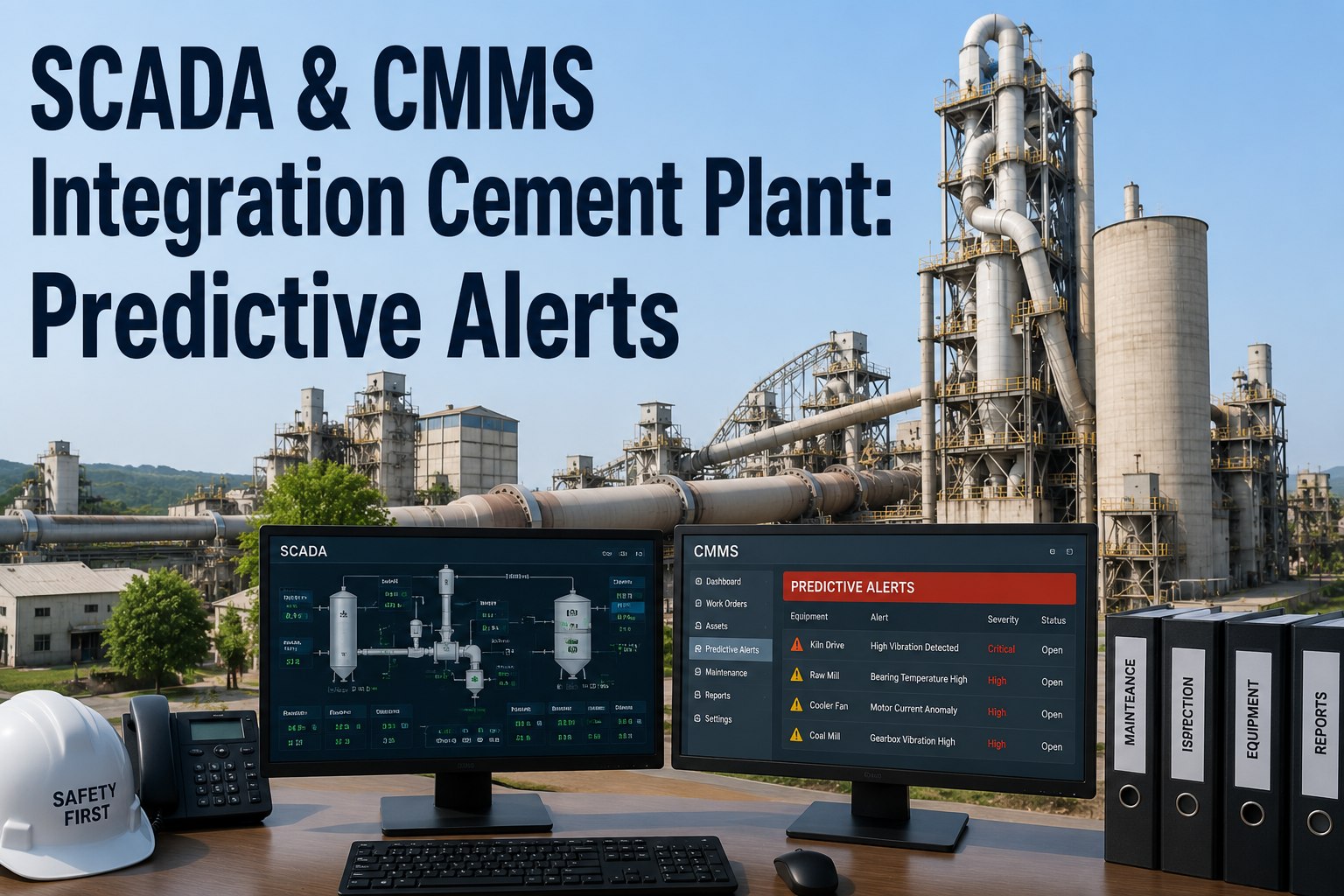
A cement plant in India reduced unplanned robot downtime by 73% after implementing predictive maintenance strategies powered by PLC sensor integration and CMMS analytics. Their kiln inspection crawlers and mill drones had been failing unpredictably—until they connected motor current, thermal sensors, and vibration data to their maintenance platform. The system now predicts robot failures 2-3 weeks before they occur, automatically generating work orders that keep their heavy-duty robots operational in extreme conditions. Sign up for Oxmaint to implement predictive maintenance for your cement plant robotics.
Top Predictive Maintenance Strategies for Cement Plant Robotics with CMMS 2026
Cement plant robots operate in the harshest industrial conditions—extreme heat, abrasive dust, and continuous duty cycles. Predictive maintenance using sensor data and CMMS analytics keeps these critical assets operational while preventing costly failures.
Five Predictive Maintenance Strategies
Each strategy addresses specific failure modes common to cement plant robotics. Book a demo to see how Oxmaint implements these strategies for your robot fleet.
Motor Current Signature Analysis
Detect electrical degradation before mechanical failureRobot motors in cement environments face extreme stress—dust infiltration damages windings, heat cycles stress insulation, and overloads from heavy payloads accelerate wear. Motor current signature analysis detects these issues 2-4 weeks before failure by monitoring current draw patterns that indicate developing problems.
Thermal Pattern Monitoring
Track heat-related degradation in real-timeCement plant robots endure temperature extremes that accelerate component aging. Thermal sensors on critical components—motors, gearboxes, electronics enclosures—track heat patterns that indicate developing failures. Temperature trending predicts cooling system degradation and thermal protection needs.
Vibration Spectrum Analysis
Identify mechanical wear patterns earlyAbrasive cement dust infiltrates mechanical systems despite sealing, accelerating bearing wear and gear degradation. Vibration sensors detect the characteristic frequency patterns of developing mechanical failures—often weeks before audible symptoms appear or performance degrades.
Dust Accumulation Tracking
Prevent dust-related failures proactivelyCement and clinker dust is the primary enemy of robot reliability. Differential pressure sensors across filters, optical sensors in enclosures, and air quality monitors track dust accumulation that threatens electronics and mechanical systems—scheduling cleaning before contamination causes damage.
Battery & Power System Health
Maximize runtime and prevent power failuresMobile inspection robots depend on battery power for autonomous operation. Heat exposure and heavy cycling accelerate battery degradation. Cell-level monitoring, charge cycle tracking, and capacity trending predict battery replacement needs—preventing robots from failing mid-mission in critical areas.
PLC Sensor Integration Data Flow
Sensor data flows from robots through PLCs to CMMS for automated predictive maintenance. Sign up for Oxmaint to connect your robot sensors.
PLC Integration Capabilities
Connect existing robot controllers and plant PLCs to Oxmaint for connected maintenance that spans your entire operation.
Robot Controllers
Direct integration with robot control systems captures motor data, cycle counts, error logs, and operational parameters in real-time.
Vibration Sensors
Wireless vibration sensors on motors, gearboxes, and bearings feed frequency spectrum data for mechanical health analysis.
Thermal Monitors
Temperature sensors on critical components track thermal patterns, ambient exposure, and cooling system effectiveness.
Predictive Analytics Dashboard
Real-time visibility into robot fleet health enables proactive maintenance decisions. Sign up for Oxmaint to access predictive dashboards for your equipment.
Robot Fleet Health Monitor
Last updated: Real-timeImplementation Phases
Sensor Deployment
Install vibration, thermal, and current sensors on critical robot components
Weeks 1-4PLC Integration
Connect robot controllers and sensors to Oxmaint data gateway
Weeks 3-6Baseline Collection
Gather operational data to establish normal behavior patterns
Weeks 5-12Predictive Activation
Enable automated failure predictions and work order generation
Week 12+Implementation Checklist
Frequently Asked Questions
Predict Failures Before They Stop Production
Sensor data plus CMMS analytics equals predictive maintenance that keeps your cement plant robots operational. Oxmaint turns sensor streams into maintenance intelligence.