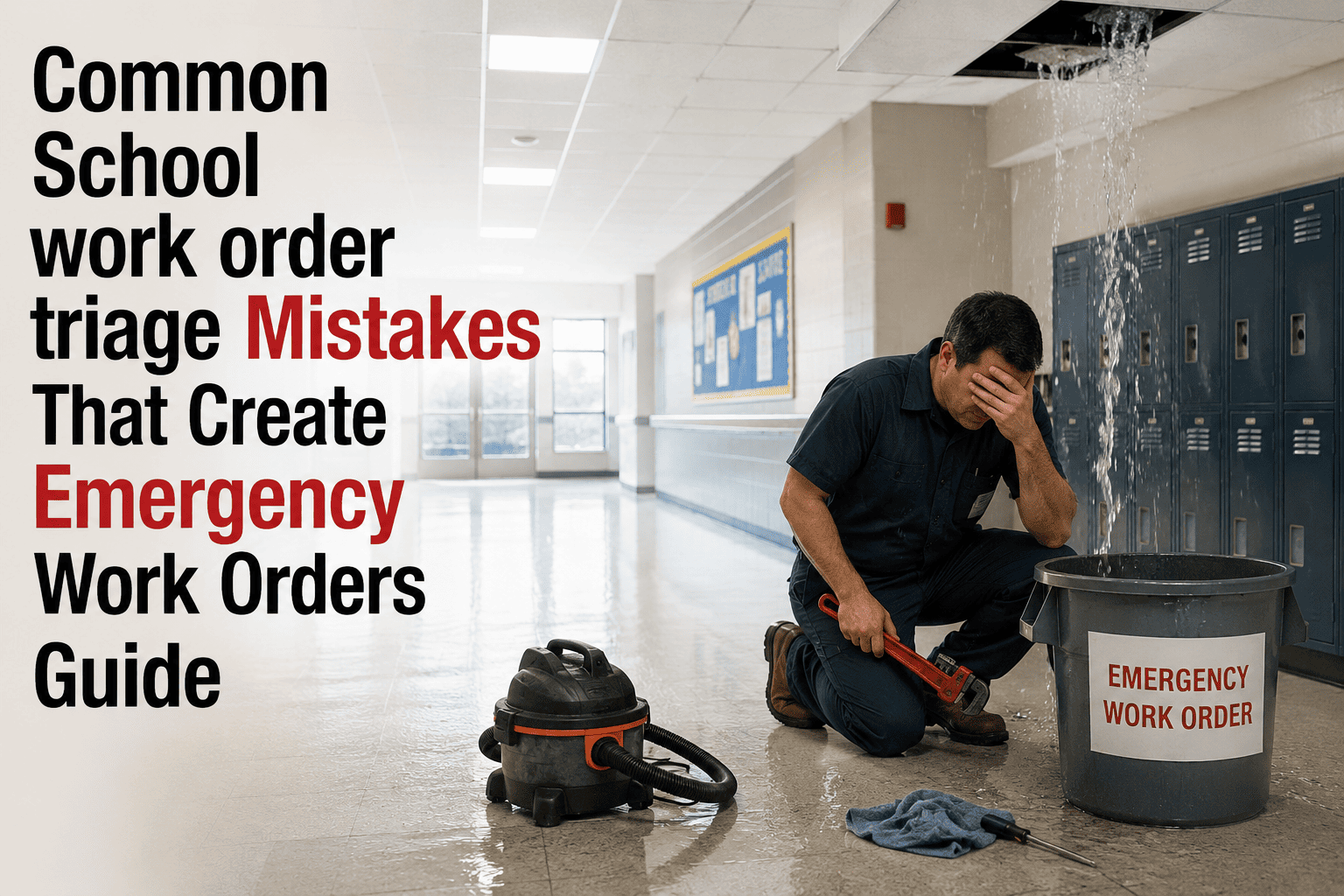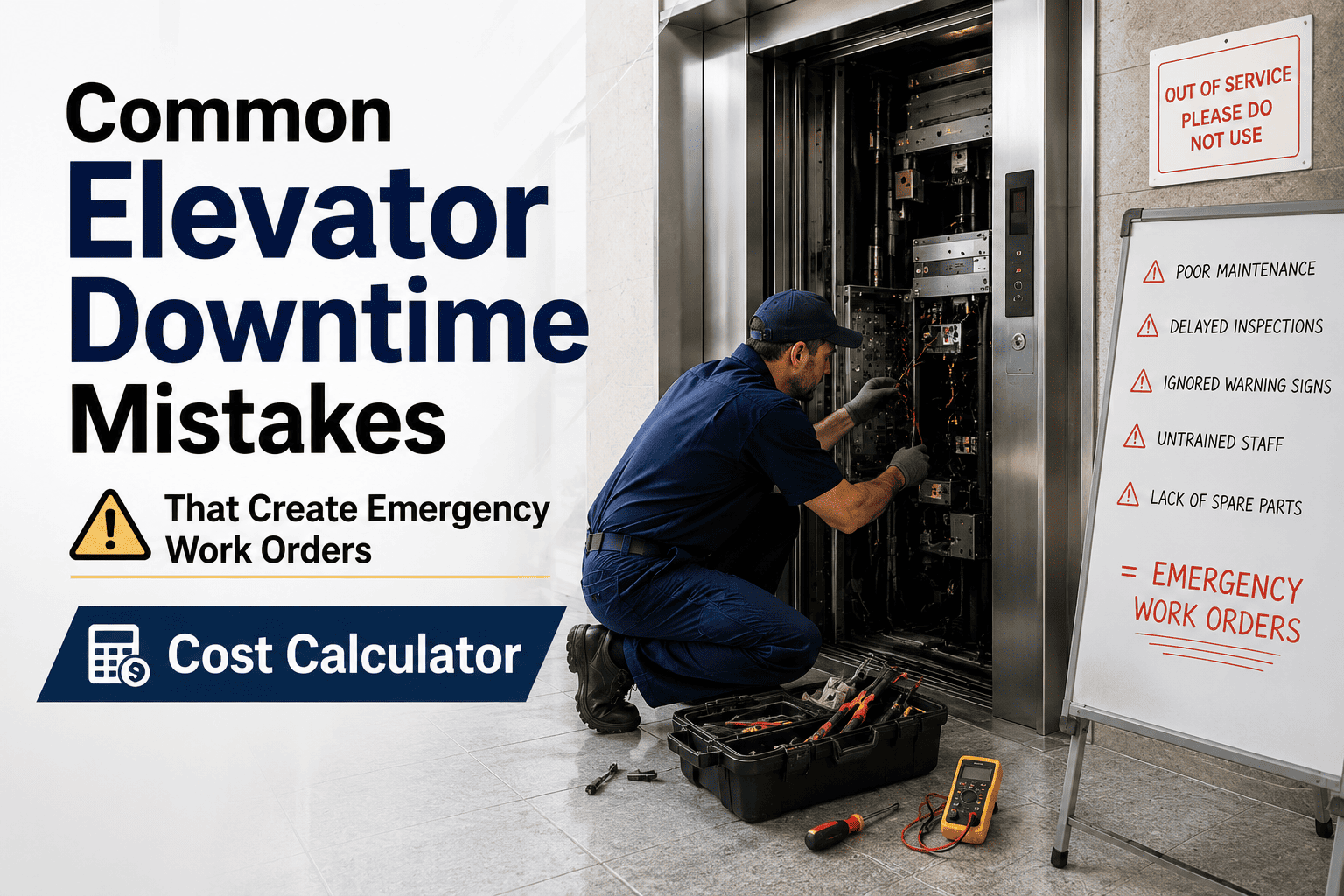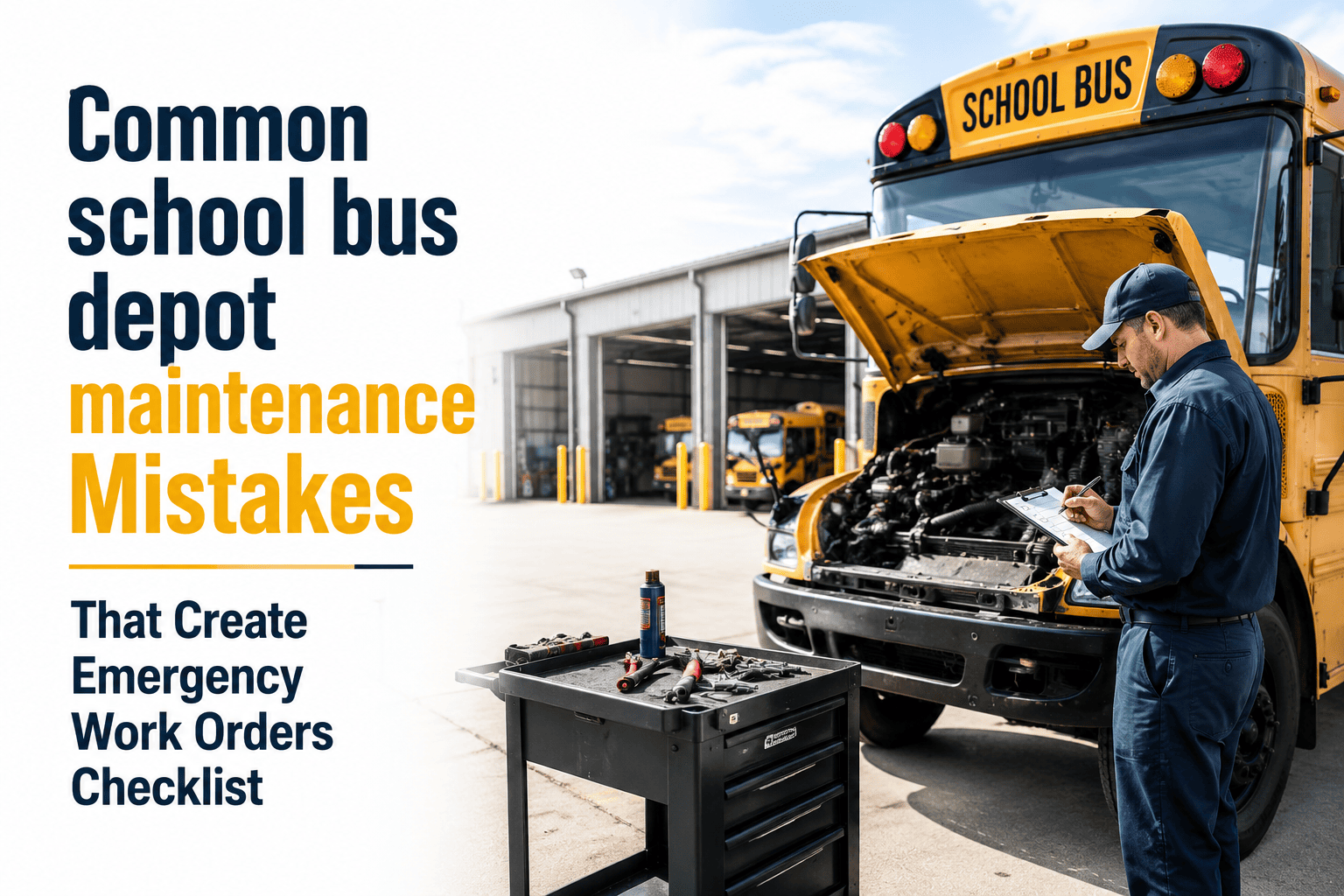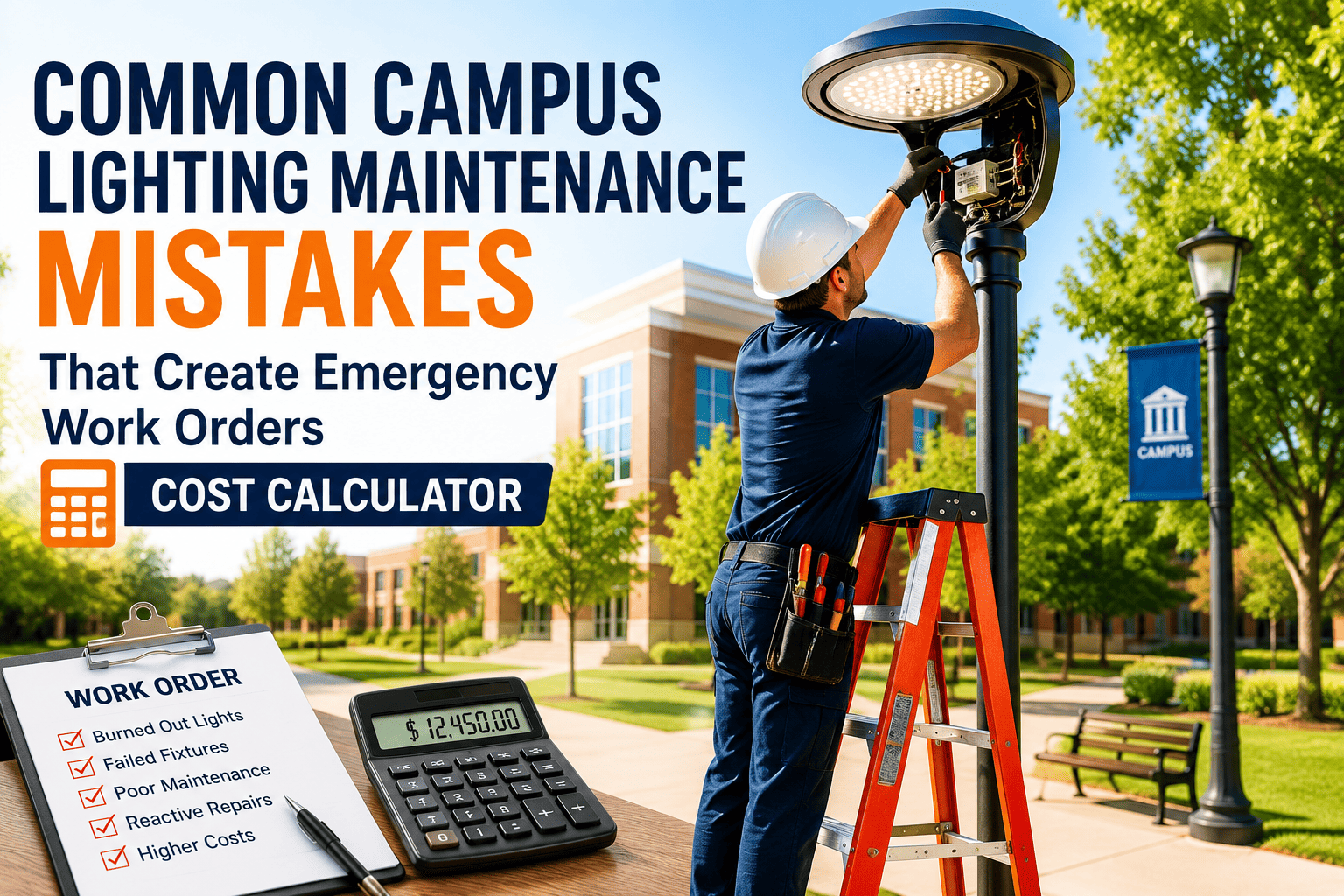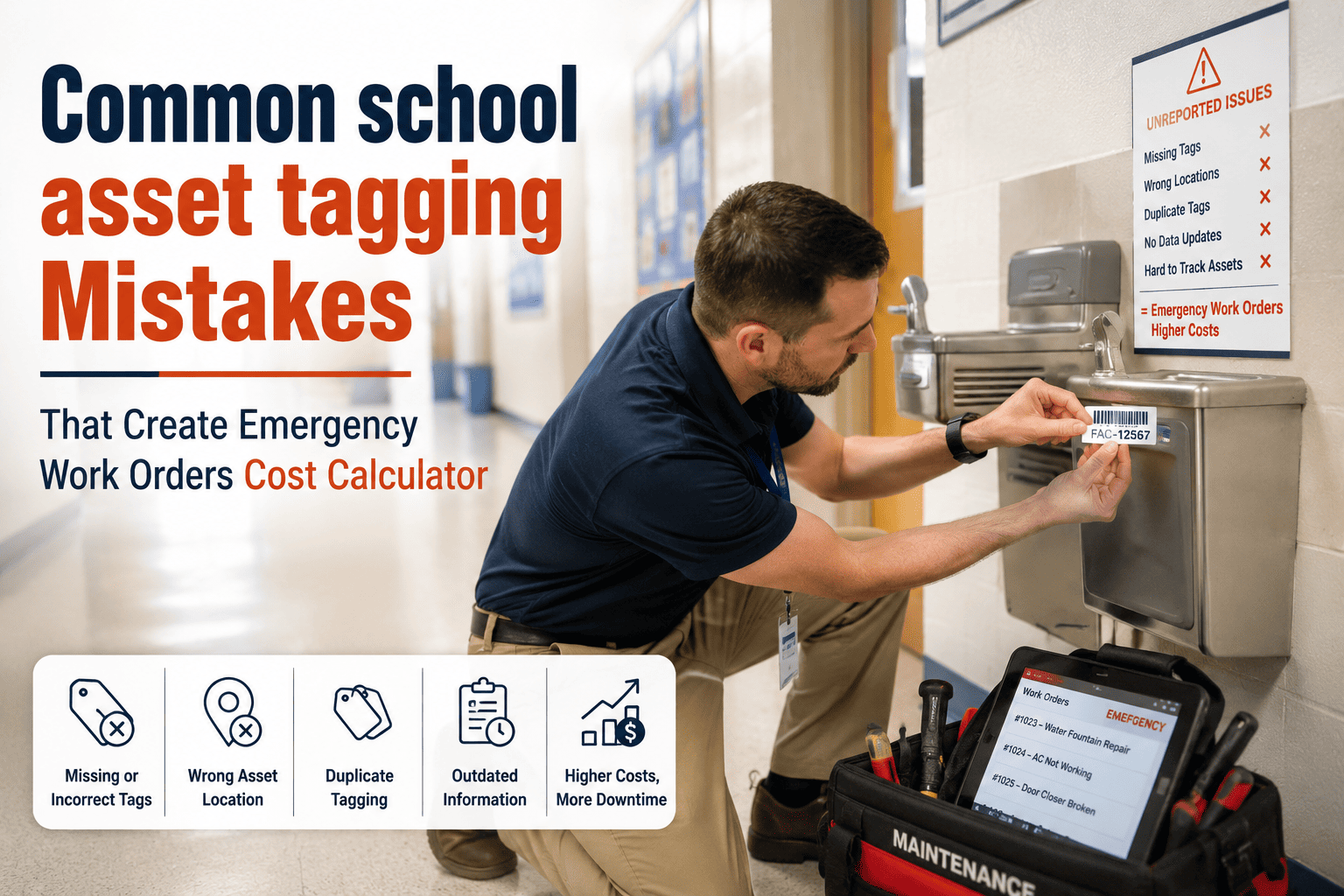
Most emergency work orders in a school district do not start as emergencies — they start as a tagging gap. An untracked HVAC unit skips its preventive service and fails mid-winter. A transferred boiler loses its maintenance history and runs to breakdown. A mistagged asset never makes the PM schedule and surfaces only when something stops working. Each of these costs roughly three to five times what the same repair would have cost if it had been planned, because emergencies pull in overtime labor, expedited parts, and collateral damage. This page walks through the tagging mistakes that quietly manufacture emergency work orders and shows the cost math behind each one. Districts ready to close those gaps can Sign Up Free and tie every tagged asset to a PM schedule from day one.
Every Tagging Gap Becomes an Emergency Invoice
When an asset is untagged, mistagged, or its history is lost in a transfer, it falls off the PM schedule — and falling off the schedule is how a $400 planned service becomes a $1,800 emergency callout. OxMaint ties every asset to its preventive plan so the gaps that create emergencies never open.
The Cost Multiplier — Why Emergencies Cost 3-5x More
The repair invoice is the smallest part of an emergency. The same fix costs far more unplanned because the cost ripples through several categories at once.
Five Tagging Mistakes That Manufacture Emergencies
Each mistake breaks the link between an asset and its preventive schedule. Break that link and the asset runs to failure on its own timeline — usually the worst possible one.
The Cost Build-Up of One Avoidable Emergency
A single untagged rooftop unit that fails illustrates how the bill stacks. The planned version is one line; the emergency version is five.
| Cost Component | Planned Service | Emergency Failure |
|---|---|---|
| Labor | Standard hours | Overtime, 1.5-2x rate |
| Parts | Normal lead-time pricing | Expedited premium |
| Collateral Damage | None | Adjacent equipment affected |
| Disruption | Scheduled window | Classroom or building impact |
| Asset Lifespan | Extended to full rating | Shortened by run-to-failure |
| Net Cost | Baseline (1x) | Roughly 3-5x |
What Closing the Gaps Returns
Tie Every Asset to a Schedule — and Stop Paying the Emergency Premium
The cheapest emergency is the one that never happens. OxMaint links every tagged asset to its preventive plan, preserves history through transfers, and flags overdue service before it becomes a 2 AM callout — so your budget stops bleeding on avoidable failures.
Frequently Asked Questions
How does a tagging mistake become an emergency work order?
Why do emergencies cost 3-5x more than planned work?
What's the most damaging tagging mistake?
How much can shifting to planned work save?
How does OxMaint prevent these gaps?
Close the Tagging Gaps Before They Bill You
Every untagged unit, lost transfer, and abandoned record is a future emergency invoice waiting to arrive. OxMaint keeps every asset on its schedule and its history intact, so the failures that drain your budget on overtime and expedited parts simply stop happening.