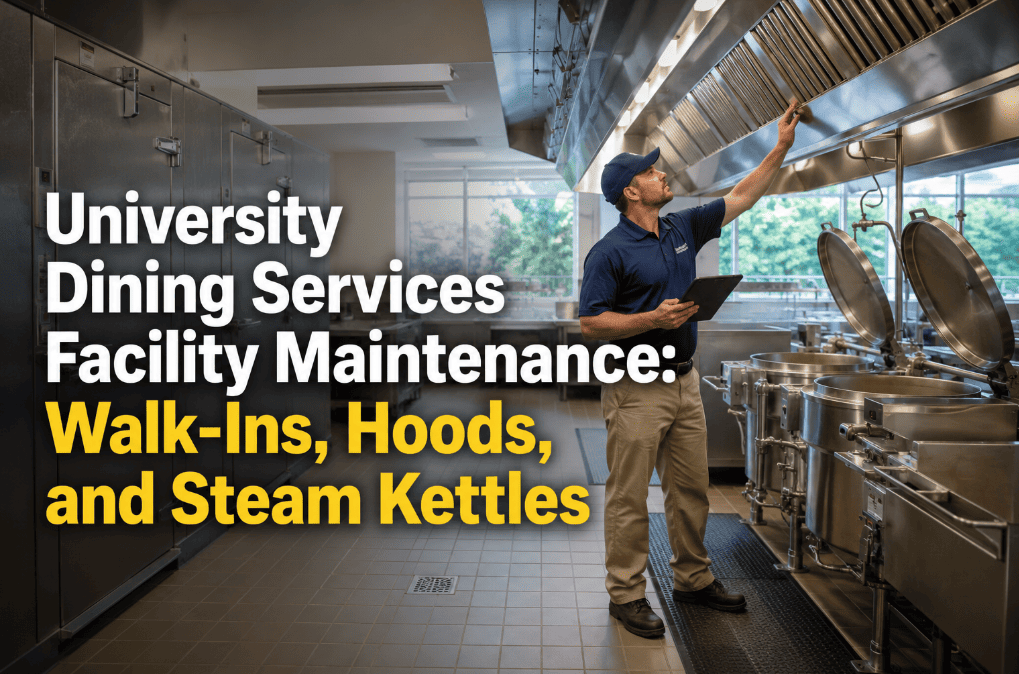
University Walk-In Refrigeration Monthly Inspection Checklist

By Stephen King on June 5, 2026

university-walk-in-refrigeration-monthly-inspection-checklist

University dining operations depend on walk-in refrigeration units running within safe temperature bands around the clock. A single undetected door gasket failure or clogged condenser coil can compromise hundreds of pounds of food inventory, trigger health code violations, and disrupt meal service for thousands of students. Monthly walk-in refrigeration inspections give dining facility managers a systematic way to catch problems before they escalate — covering door seals, evaporator performance, condenser condition, defrost cycle accuracy, and temperature log compliance. With Oxmaint's CMMS platform, university dining teams can Sign Up Free and deploy digital inspection checklists that auto-assign technicians, log readings in real time, and generate compliance-ready audit trails automatically — eliminating the paper-based gaps that regulators flag during health department reviews. Whether your campus manages 3 units or 30, Book a Demo to see how scheduled CMMS inspections protect food safety and extend equipment life across your dining facilities.

Automate Walk-In Refrigeration Inspections Across Your Campus

Deploy monthly inspection checklists, auto-schedule preventive maintenance, and maintain digital temperature logs — all from one CMMS built for university dining operations.

Why It Matters

The Hidden Cost of Skipped Walk-In Refrigeration Checks in University Dining

University dining halls operate at a scale where refrigeration failures carry disproportionate consequences. A compressor that runs warm for two weeks before anyone notices can result in a full unit replacement costing $8,000–$18,000 — plus spoilage, emergency vendor fees, and potential health department citations. Monthly inspections structured around critical checkpoints prevent this by identifying wear patterns early. Oxmaint lets dining facility teams Sign Up Free and configure recurring walk-in inspection work orders that trigger automatically each month, attach temperature log data, and require technician sign-off before closure — creating the documentation chain that protects both food safety and capital equipment budgets. Facilities managers using proactive CMMS-driven inspection programs consistently report fewer emergency repairs, longer equipment service lives, and faster health inspection pass rates. Book a Demo to see how campus dining teams structure their monthly refrigeration PM workflows inside Oxmaint.

Monthly Checklist

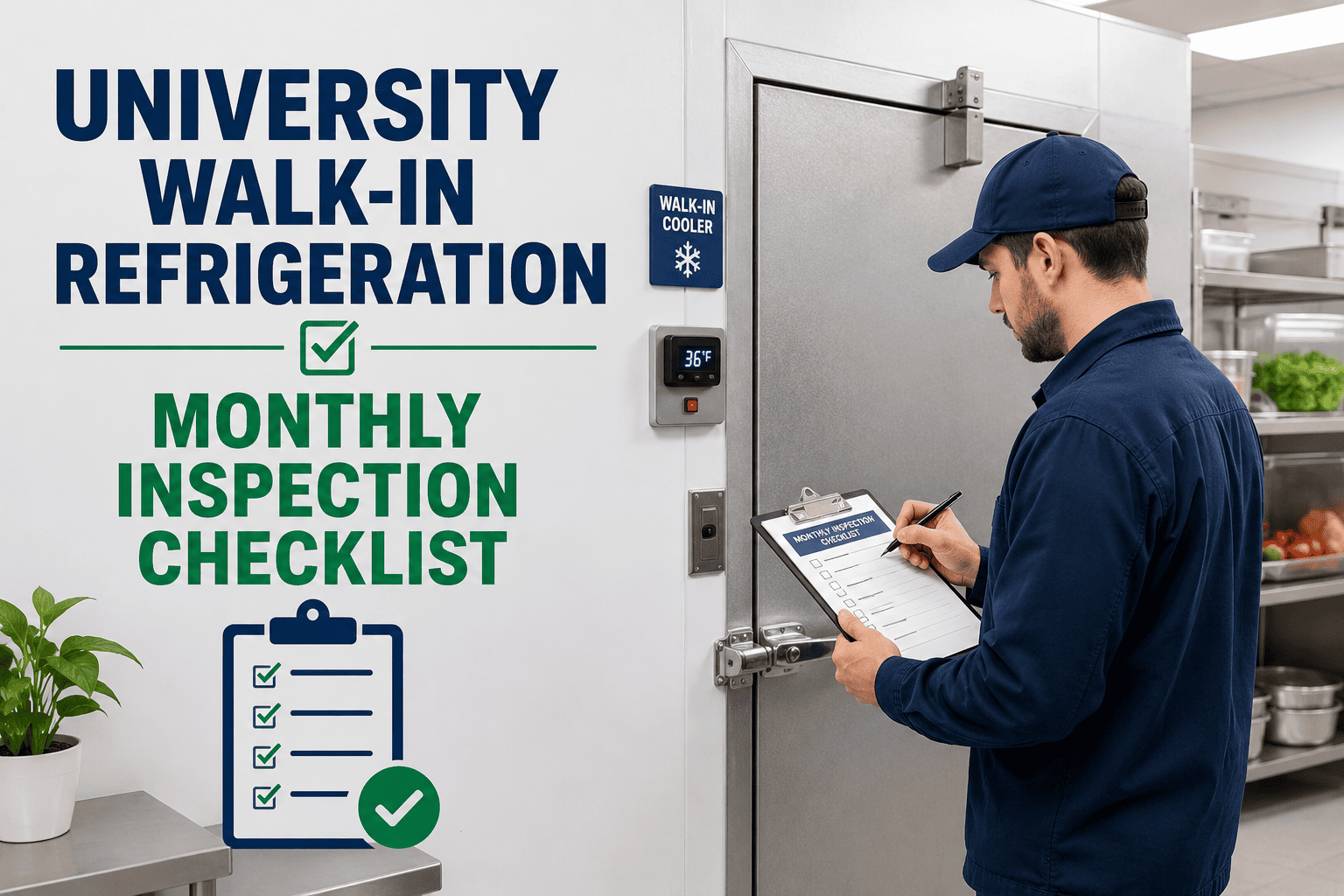
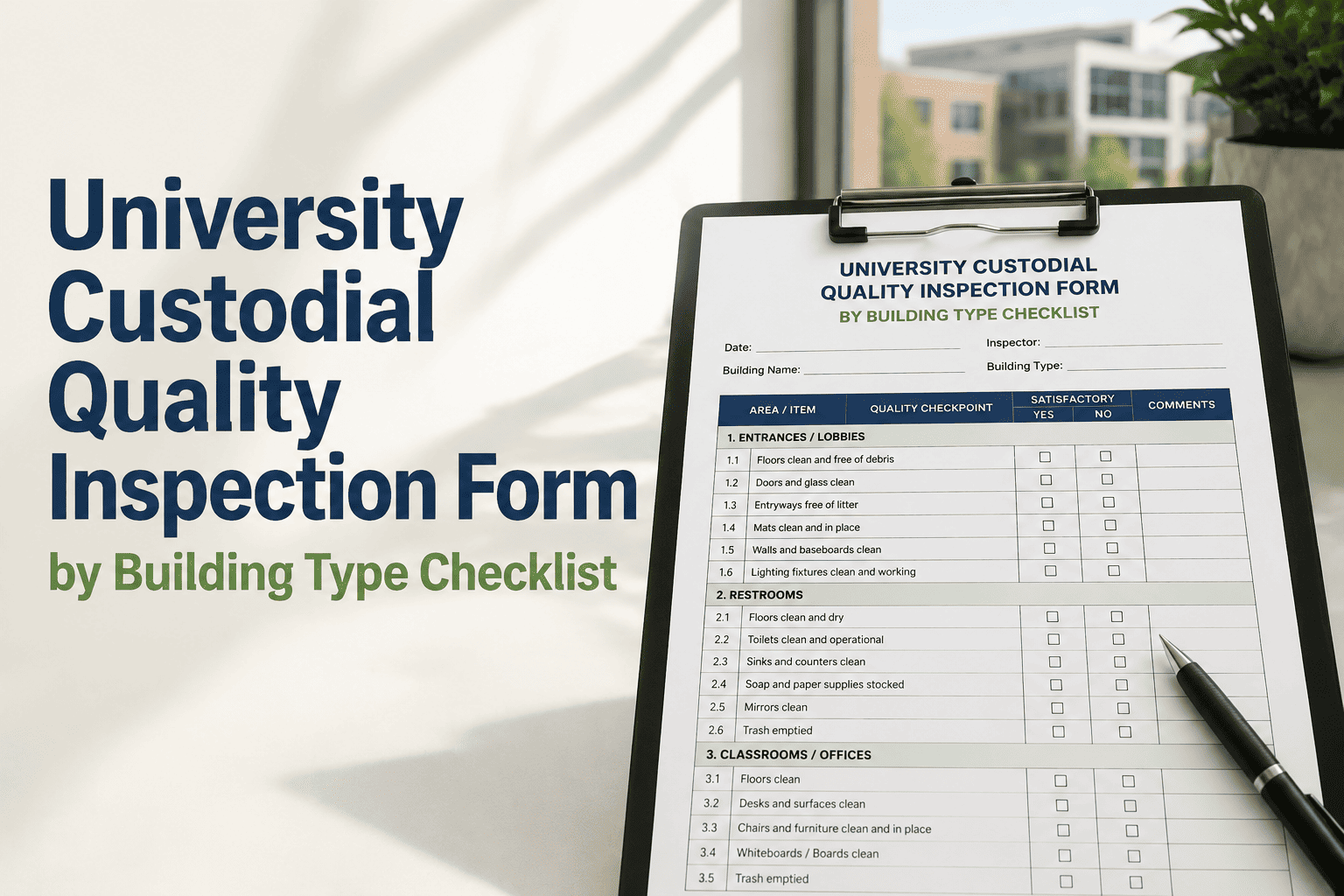
University Walk-In Refrigeration Monthly Inspection Checklist

Inspection Item Check Point Acceptable Range / Action CMMS Log Required
Door Gaskets and Seals Inspect full perimeter for tears, gaps, and compression loss No visible gaps; dollar bill test should show resistance Photo + condition rating
Door Hinges and Closers Check self-close function and hinge alignment Door must fully close and latch without manual assistance Pass / Fail + tech sign-off
Interior Temperature Log Verify against continuous monitoring data for the month Cooler: 34°F–40°F | Freezer: 0°F or below Monthly temp log export
Evaporator Coil Condition Check for ice buildup, airflow restriction, frost patterns No abnormal ice accumulation; even frost distribution Photo + defrost cycle data
Defrost Cycle Verification Confirm defrost timer/control settings and cycle completion Cycle completing fully; drain pan clear Cycle log review noted
Condenser Coil Cleaning Inspect for dust, grease, debris accumulation on fins Clean fins; no blockage exceeding 10% of surface Cleaning date recorded
Condenser Fan Motor Listen for bearing noise; check rotation and airflow Smooth operation; no vibration or noise Audio/visual inspection noted
Evaporator Fan Motor Verify airflow distribution inside cabinet Even circulation; no dead spots near product storage Pass / Fail
Drain Pan and Drain Line Check for standing water, mold, or blockage Pan clear; drain line unobstructed and flowing Condition noted; flush if needed
Refrigerant Lines Insulation Inspect suction line wrap for damage or moisture Insulation intact; no sweating on suction line exterior Condition rating
Interior Lighting and Safety Test interior light function and emergency release Light functional; safety release operates freely Pass / Fail
CMMS Sign-Off and Close Technician completes checklist and attaches all readings All items resolved or work order created for open items Digital sign-off required
Critical Failure Points

6 Walk-In Refrigeration Issues University Dining Teams Miss Most Often

Critical
Door Gasket Degradation

Worn gaskets allow warm, humid air infiltration — forcing compressors to run longer cycles and raising interior temps. A failed gasket on a freezer unit can increase energy consumption by 15–25% and create chronic frost buildup on the evaporator. Replace gaskets at first sign of compression loss or visible cracking.

Critical
Defrost Cycle Malfunction

A defrost timer that runs too long or fails to complete leaves ice accumulating on the evaporator coil, progressively reducing airflow until the unit can no longer maintain safe temperature. University dining freezers with high door-open frequency need defrost cycles verified monthly — not just annually.

Critical
Temperature Log Gaps

Health department inspectors cite missing or inconsistent temperature records as a primary compliance failure. Manual paper logs create gaps during weekends and breaks. CMMS-integrated digital temperature logging with automatic export ensures continuous documentation that survives staff turnover and seasonal transitions.

High
Condenser Coil Blockage

University kitchen environments accumulate grease and dust on condenser fins faster than standard commercial installations. A 30% blocked condenser can raise condensing temperature by 15°F+, overloading the compressor and shortening its service life. Monthly fin inspection and quarterly cleaning are non-negotiable in dining environments.

Medium
Drain Line Blockage

Blocked drain lines produce standing water in the drain pan, creating conditions for mold growth and Listeria contamination risk near food storage areas. Monthly drain flush during inspection prevents blockages from food debris and biological growth. This is a common health code citation that takes minutes to prevent.

Medium
Evaporator Fan Airflow Loss

A single failed evaporator fan blade creates uneven temperature distribution inside the cabinet — product near the fan may stay at 38°F while product on the opposite shelf climbs above 45°F. Monthly airflow checks identify early fan motor wear before it creates food safety exposure and complaint-driven investigations.

Reactive vs. Proactive

Reactive Repairs vs. Oxmaint Monthly Inspection Program

Reactive Approach
Discovery: Dining staff reports warm unit
Food spoilage loss: $400–$2,000 per event
Repair downtime: 1–4 days unplanned
Temperature records: Paper logs with gaps
Health inspection: Documentation citations
Compressor lifespan: 6–9 years average
Oxmaint Monthly PM Program
Discovery: Pre-failure monthly inspection
Food spoilage loss: Near zero with PM
Planned downtime: 1–2 hours scheduled
Temperature records: Auto-logged, audit-ready
Health inspection: Zero documentation gaps
Compressor lifespan: 12–15 years with PM
Oxmaint Solution

How Oxmaint Manages University Walk-In Refrigeration Inspections End-to-End

Monthly PM Auto-Scheduling

Walk-in refrigeration inspection work orders trigger automatically at your configured monthly intervals across all dining units. No manual scheduling — technicians receive assignments with attached checklists and required sign-off fields.

Digital Temperature Log Integration

Connect continuous temperature monitoring data to each unit's asset record in Oxmaint. Monthly inspection sign-off includes a temperature trend review, flagging any readings outside safe bands during the prior 30-day period.

Photo-Verified Inspection Records

Technicians capture door gasket condition, evaporator frost patterns, condenser cleanliness, and drain pan status via mobile photo attachment. Every inspection produces a timestamped, photo-verified record that satisfies health department documentation requirements.

Open-Item Work Order Escalation

When an inspection identifies a failing gasket, blocked drain, or abnormal temperature reading, Oxmaint automatically creates a follow-up corrective work order — assigned, prioritized, and tracked to resolution before the next inspection cycle.

Multi-Unit Campus Asset Tracking

Track every walk-in cooler and freezer across all dining halls from one dashboard. View inspection completion rates, overdue PMs, and open corrective work orders by building, unit type, or technician — giving dining facility managers complete operational visibility.

Audit-Ready Compliance Reporting

Generate health department inspection reports, equipment service histories, and temperature compliance summaries on demand. Oxmaint maintains a complete, searchable record of every inspection, reading, and repair — eliminating manual report assembly before regulatory reviews.

ROI Results

Measurable Outcomes from Monthly Walk-In Refrigeration PM Programs

68%
Fewer emergency repair calls
With monthly PM inspection programs in place
$1,200+
Avg. annual savings per unit
From prevented compressor failures and spoilage events
100%
Health inspection documentation compliance
Automated temperature logs and digital sign-offs
3–5 yrs
Extended compressor service life
Through condenser cleaning and early fault detection

Protect Food Safety, Extend Equipment Life, and Pass Every Health Inspection

Oxmaint automates monthly walk-in refrigeration inspections, generates temperature compliance records, and escalates open issues before they become health code violations or emergency repair events.

FAQ

Frequently Asked Questions

How often should university dining walk-in refrigeration units be inspected?

Monthly inspections are the industry standard for commercial walk-in units in high-use dining environments. Units in high-traffic locations or with older compressors benefit from bi-weekly door seal and temperature checks in addition to the full monthly PM.

Can Oxmaint generate temperature compliance records for health department inspections?

Yes. Oxmaint logs temperature data against each unit's asset record and exports compliance reports on demand. Records include daily readings, out-of-range alerts, and corrective actions taken — providing the complete documentation trail health departments require.

How does Oxmaint handle walk-in refrigeration inspections across multiple dining halls?

Each dining hall location and individual unit is tracked as a separate asset in Oxmaint. Inspection work orders auto-assign to the responsible technician by location, with centralized reporting for the facilities manager overseeing the full campus portfolio.

What happens when a monthly inspection identifies a failing component?

Oxmaint automatically creates a corrective work order linked to the inspection finding, assigns it based on priority, and tracks it through resolution. The inspection record remains open until all corrective actions are documented and signed off.

Does Oxmaint support digital checklists for walk-in cooler and freezer inspections?

Yes. Inspection checklists are fully configurable — covering door seals, evaporator coil condition, defrost cycle verification, condenser cleaning, drain pan status, and temperature log review. Technicians complete checklists on mobile with photo evidence and digital sign-off. Book a Demo to configure a checklist for your dining operation.

Is Oxmaint suitable for universities managing both small under-counter units and large walk-in systems?

Yes. Oxmaint supports all refrigeration asset types within a single platform. Different inspection templates, PM frequencies, and compliance requirements can be configured per asset class — from reach-in prep units to multi-room walk-in refrigeration systems. Sign Up Free to start building your campus asset registry.

Start Your University Walk-In Refrigeration PM Program Today

Join dining facility teams across 40+ countries using Oxmaint to automate refrigeration inspections, protect food safety compliance, and eliminate emergency repair disruptions. Free trial — no credit card required.


Share This Story, Choose Your Platform!