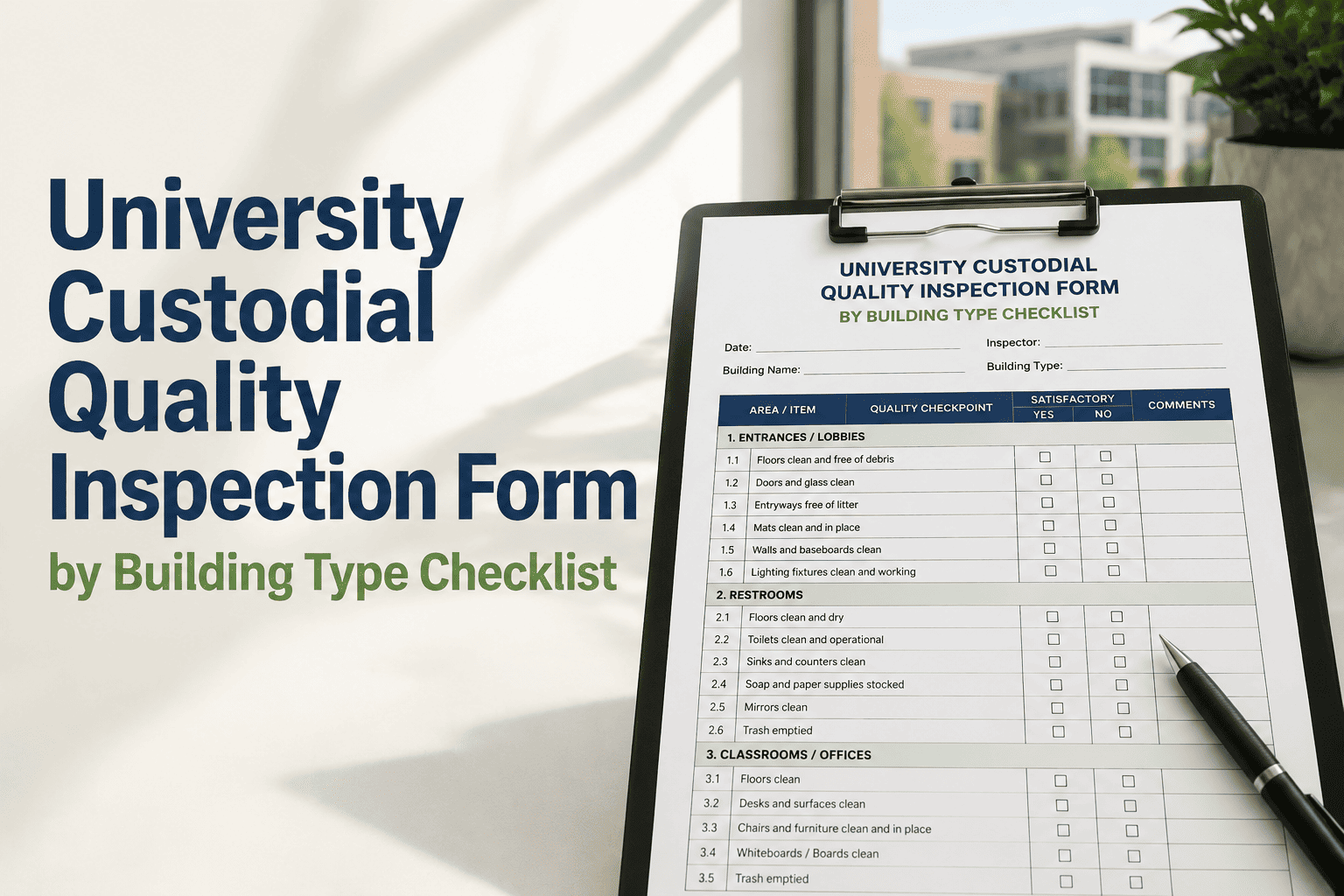
University Custodial Quality Inspection Form by Building Type Checklist
By Corin Hale on June 24, 2026
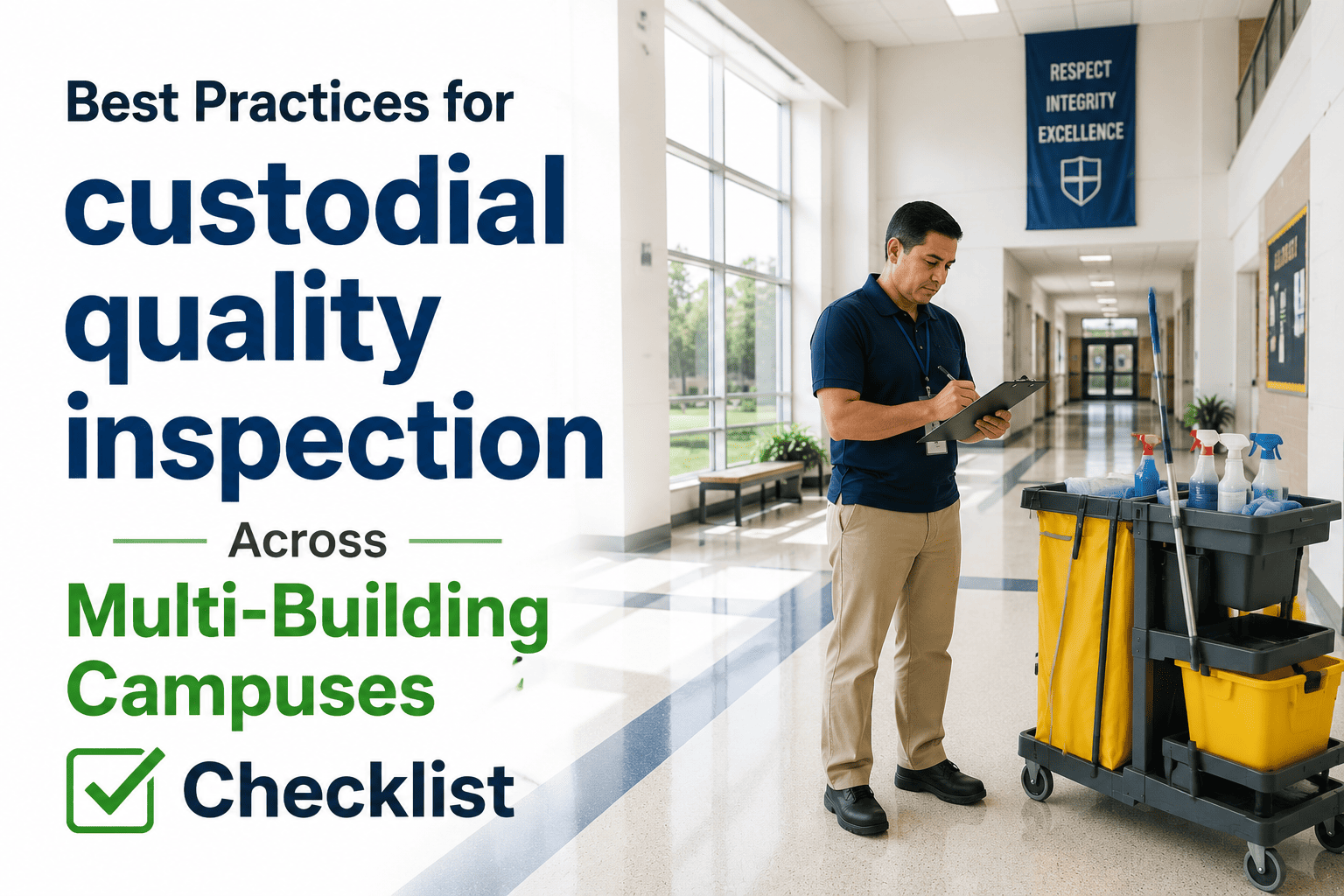
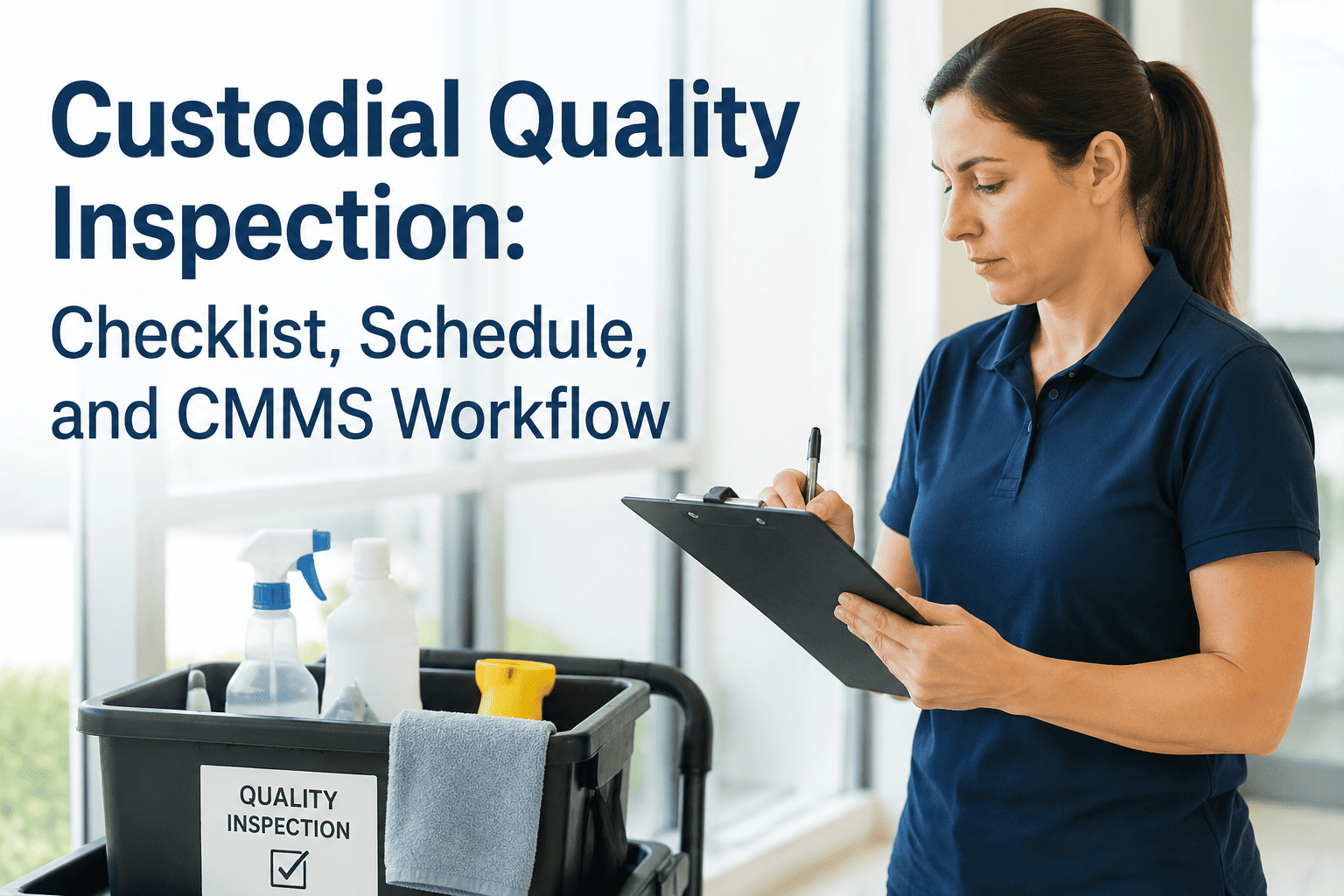
A single custodial inspection form rarely fits an entire campus. A 400-seat lecture hall, a wet chemistry lab, a residence hall bathroom, and a dining servery each carry different soil loads, different health risks, and different APPA appearance targets — so grading them all against one generic sheet hides the failures that matter most. A building-type custodial quality inspection form scores each space against the attributes that actually drive its cleanliness rating, gives supervisors a defensible record, and turns every failed line item into a tracked work order. Build each building-type form, route failures to the right custodian, and trend scores per building in OxMaint.
Building-Type Inspections — OxMaint CMMS
One Form Per Building Type. One Score You Can Defend. One Work Order Per Miss.
OxMaint stores a tailored inspection form for every building type on your campus, auto-creates a work order from each failed line item, and trends APPA scores per building — so quality problems surface before complaints do.
Grade Against the Target Level — Not "Clean Enough"
APPA defines five appearance levels: Level 1 Orderly Spotlessness, Level 2 Ordinary Tidiness, Level 3 Casual Inattention, Level 4 Moderate Dinginess, Level 5 Unkempt Neglect. Most campuses target Level 2 for general space and Level 1 or 2 for restrooms, dining, and health areas. Items marked Health carry an infection-control or safety risk. Items marked APPA map to a scored appearance attribute. Score each building type against its own target, log every failed item in OxMaint.
APPA Appearance Levels at a Glance
1Orderly Spotlessness
2Ordinary Tidiness
3Casual Inattention
4Moderate Dinginess
5Unkempt Neglect
Target zone for most higher-ed space: Level 1–2. Anything drifting to Level 3 is an exception to log and correct.
Teaching space is the most visible measure of custodial quality on campus and the one most tied to student perception of the institution. Inspect for a Level 1–2 appearance with attention to high-touch points and floor-walked aisles.
Target Level 2Classroom Inspection Points
2. Restrooms & Locker Rooms
Restrooms drive more cleanliness complaints than any other space and carry the highest infection-control stakes. These are typically held to a stricter target than general space and inspected more often.
Target Level 1–2Restroom & Locker Room Points
3. Teaching & Science Labs
Labs combine cleaning duties with strict boundaries — custodians clean floors and common surfaces but must not disturb benches, chemicals, or equipment. The inspection form must reflect that division clearly.
Target Level 2Lab Inspection Points
4. Residence Halls
Residence halls run 24/7 with heavy common-area traffic and shared bathrooms. Inspect common space daily and grade against a consistent target so students experience the same standard floor to floor.
Target Level 2Residence Hall Common Areas
5. Dining & Food Service
Dining areas sit at the intersection of custodial and food-safety standards. Front-of-house cleanliness is judged constantly by students and parents, so this form leans to a Level 1 target on visible surfaces.
Target Level 1–2Dining Area Points
6. Library & Study Commons
Libraries demand a quiet, low-disruption clean and a high appearance standard across long open hours. Inspect for dust control, floor care, and high-touch sanitation around shared technology.
Target Level 1–2Library & Commons Points
7. Administrative Offices
Offices are lower-traffic and often moved to alternate-day cleaning to free labor for higher-risk space. Inspect against the agreed service frequency rather than a daily standard.
Target Level 2Office Inspection Points
8. Athletics & Recreation
Rec centers and athletics facilities combine restroom-grade hygiene with heavy floor wear and shared equipment. Skin-contact surfaces make infection control the leading concern on this form.
Target Level 1–2Athletics & Rec Points
Per-Building Scoring — OxMaint CMMS
Eight Building Types. Eight Tailored Forms. One Dashboard of Scores You Can Act On.
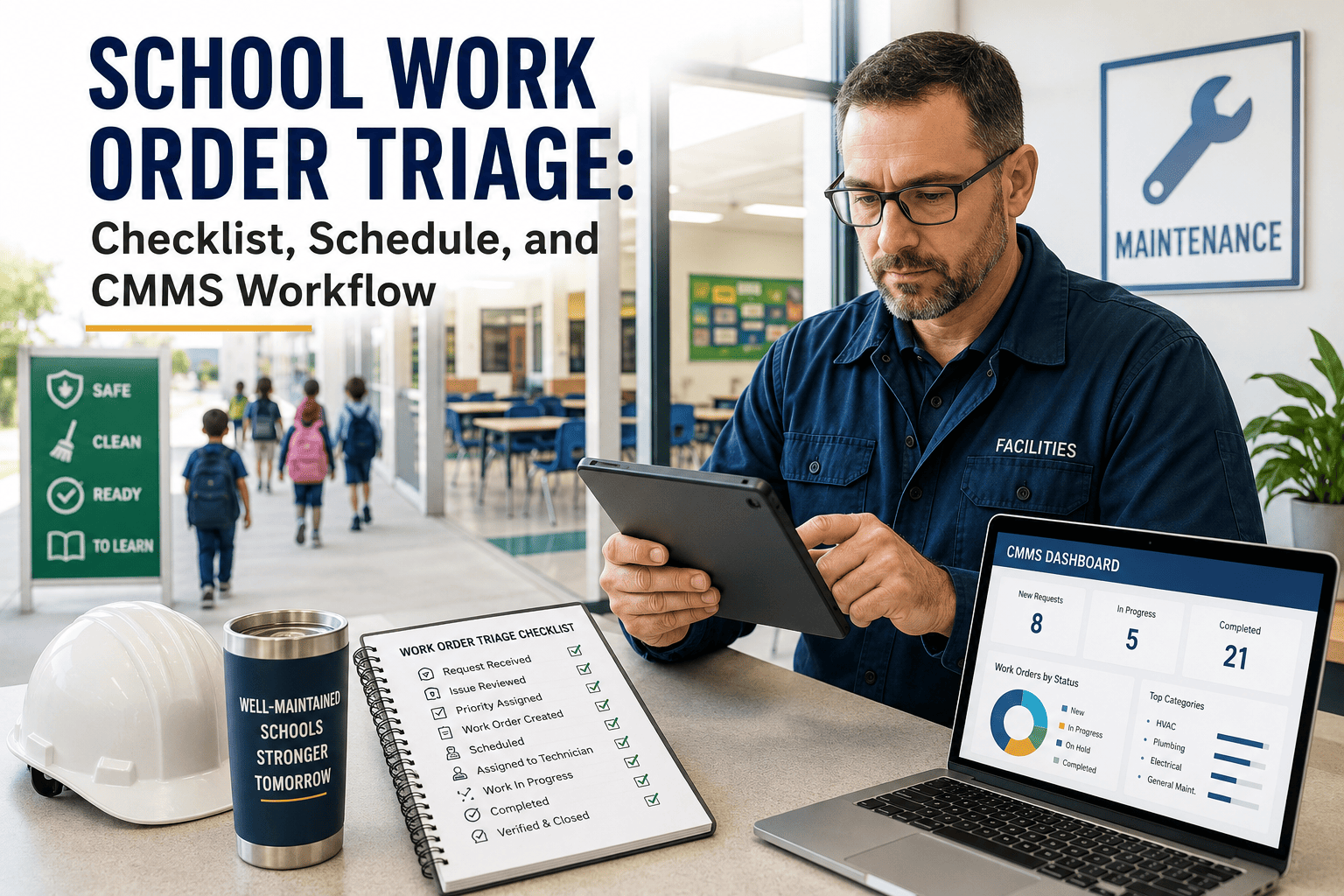
OxMaint lets you assign the right inspection form to each building type, captures scores on a phone in seconds, and converts every failed line item into an assigned work order — so you stop chasing complaints and start trending quality.
Different spaces carry different soil loads, health risks, and appearance targets. A lab, restroom, and lecture hall fail for different reasons, so a single generic form hides the misses that matter. Building-type forms in OxMaint grade each space against its own target.
Most campuses target Level 2 for general space and Level 1–2 for restrooms, dining, and athletics where hygiene is critical. The target belongs to the space, not the campus. OxMaint stores the target level per building type and flags any drift toward Level 3.
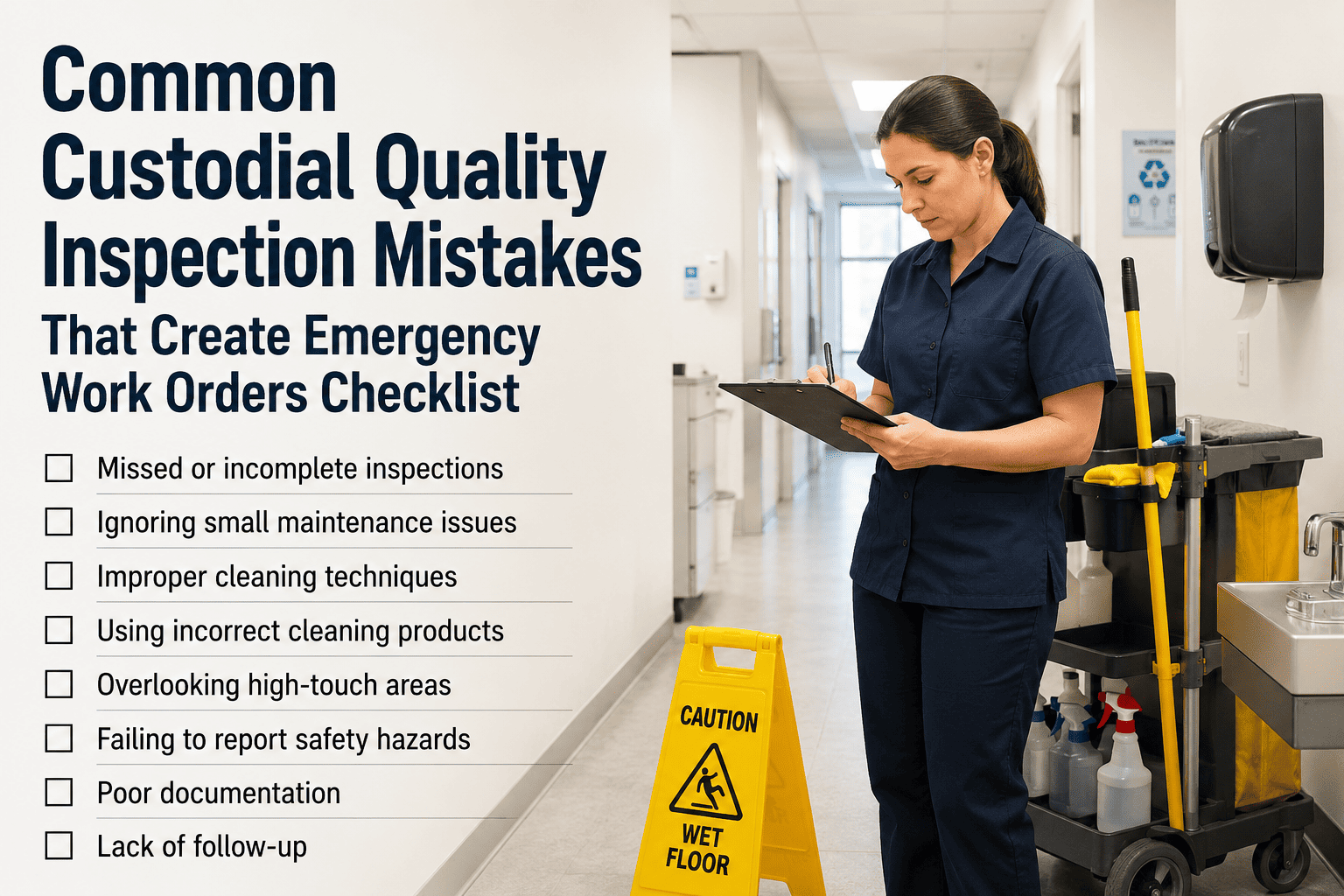
When an inspector marks an item as failing, OxMaint creates a work order with the location, photo, and priority and assigns it to the responsible custodian. The miss is tracked to closure instead of being lost on paper. Book a demo to see it live.
Yes. Mobile inspection forms can be completed in a few taps, with photos attached on the spot. This keeps inspectors moving between buildings instead of returning to a desk to enter results, and scores post to the dashboard instantly.
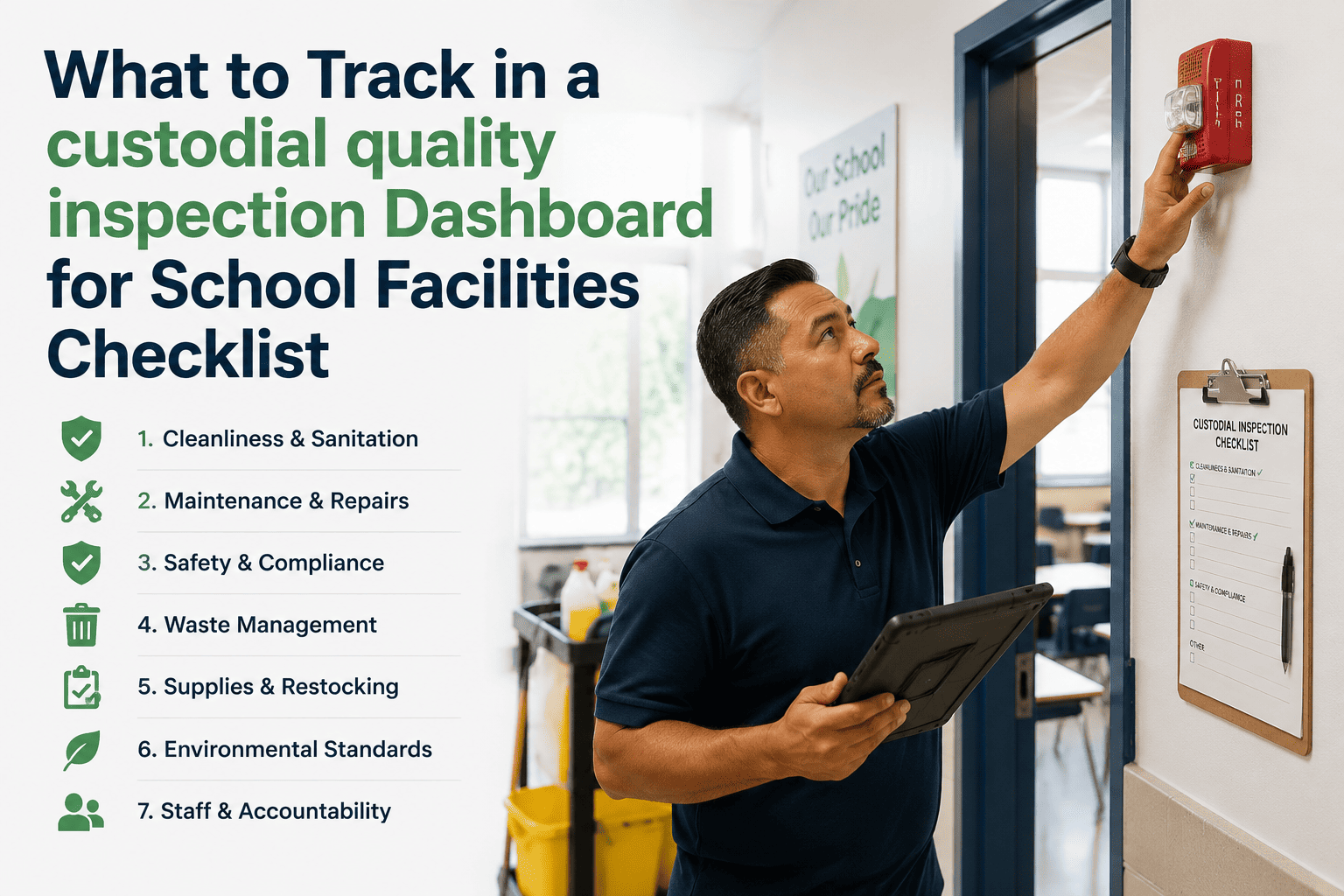
Trended scores per building show leadership exactly where cleanliness is slipping and what level current staffing actually sustains. That evidence supports staffing and equipment requests far better than complaints. Start trending free in OxMaint.
Start Free — Scales to Your Whole Campus
Stand Up Building-Type Inspections in an Afternoon. Trend Every Score From Day One.
From the first classroom walkthrough to a campus-wide quality dashboard, OxMaint gives facilities teams building-type forms, mobile scoring, and automatic work orders in one place. Free to start, built to scale across every building you manage.