Predictive Maintenance for Chiller: AI Detection of Refrigerant Leak
By shreen on January 29, 2026
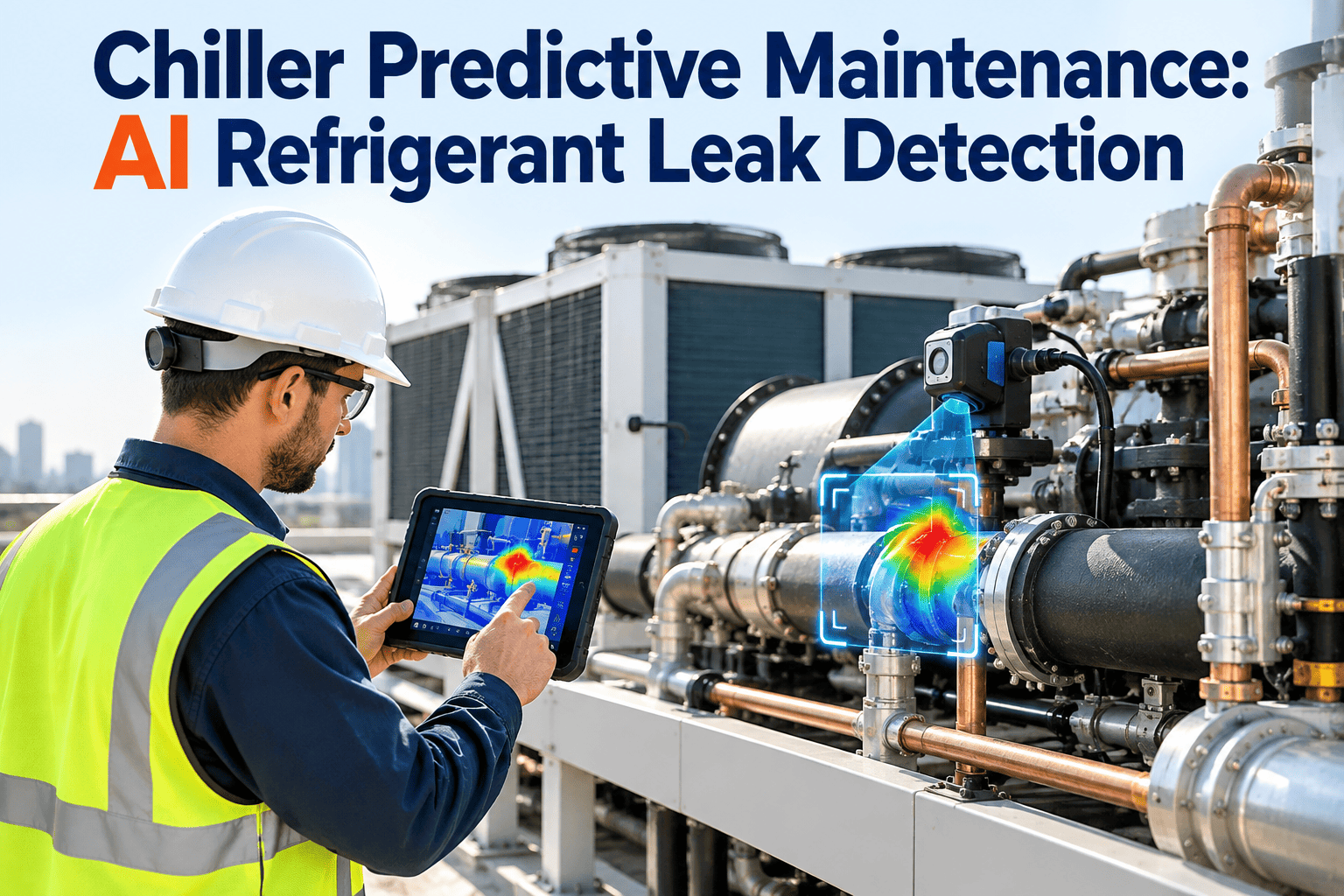
Refrigerant leaks in chiller systems silently drain operational budgets while degrading cooling performance and triggering regulatory penalties. Traditional detection methods, including scheduled inspections and manual pressure checks, consistently miss the subtle early indicators that precede catastrophic failures. AI-powered predictive maintenance transforms refrigerant leak detection from reactive troubleshooting to proactive prevention, identifying anomalies in superheat, subcooling, and pressure differentials weeks before visible symptoms appear. Schedule a consultation to explore how AI-driven leak detection can protect your chiller investments and ensure regulatory compliance.
Why AI Detection for Chiller Refrigerant Leaks
Commercial and industrial chillers represent significant capital investments, yet refrigerant leaks remain one of the most costly and difficult maintenance challenges. Manual monitoring methods miss the granular patterns that signal developing leaks, leaving facilities exposed to compounding efficiency losses, equipment damage, and environmental compliance risks.
The Case for AI-Powered Leak Detection
$96M
Potential annual savings for food retail industry by reducing refrigerant leak rates to GreenChill standards
93%
Of confirmed refrigerant leaks detected early through AI-powered monitoring systems before critical failures occur
40%
Reduction in refrigerant leak incidents achieved by leading retailers using AI-driven predictive maintenance
25%
Equipment lifespan extension through early-stage leak detection and proactive maintenance intervention
Ready to eliminate undetected refrigerant leaks? Join facilities using AI analytics to protect chiller systems and reduce maintenance costs.
AI-powered leak detection platforms continuously analyze multiple operational parameters simultaneously, identifying subtle deviations that indicate developing leaks long before traditional methods would detect them. Machine learning models trained on millions of operational data points recognize patterns invisible to human observation.
AI Leak Detection ProcessFrom sensor data to actionable alerts
01
Continuous Parameter Monitoring
IoT sensors capture superheat, subcooling, suction pressure, discharge pressure, and temperature differentials at sub-second intervals. This high-resolution data creates a comprehensive operational baseline for each chiller system.
02
Machine Learning Analysis
AI algorithms compare real-time data against learned normal operating patterns. Neural networks detect subtle correlations between valve positions, compressor cycles, and refrigerant levels that indicate potential leaks.
03
Anomaly Detection and Scoring
Extremely randomized trees and ensemble models score each deviation against probability thresholds. The system distinguishes between normal operational variations and genuine leak indicators, minimizing false alarms.
04
Predictive Alert Generation
When leak probability exceeds configured thresholds, the system generates prioritized alerts with root cause diagnosis. Maintenance teams receive specific guidance on leak location and recommended corrective actions.
05
CMMS Integration and Work Orders
Direct integration with maintenance management systems automatically creates work orders, schedules technician dispatch, and documents compliance records. Sign up for Oxmaint to centralize chiller maintenance across your facility portfolio.
Key Detection Capabilities
AI leak detection platforms monitor multiple failure modes and performance indicators simultaneously, providing comprehensive protection against refrigerant loss from any source within the chiller system.
AI Detection Features
Superheat Analysis
Continuous monitoring of evaporator superheat reveals refrigerant charge degradation. Rising superheat values indicate insufficient refrigerant reaching the evaporator, triggering early leak alerts.
Subcooling Monitoring
Declining subcooling values at the condenser outlet indicate refrigerant loss. AI correlates subcooling trends with ambient conditions to separate leak signals from normal operational variations.
Pressure Differential
Machine learning models establish expected pressure relationships under varying load conditions. Deviations from predicted suction/discharge pressure ratios signal refrigerant circuit integrity issues.
COP Degradation
AI tracks coefficient of performance against load-normalized baselines. Even minor COP decline triggers investigation, as efficiency loss often precedes detectable refrigerant shortage.
Compressor Behavior
Abnormal compressor cycling patterns, extended run times, and short-cycling indicate system struggling to maintain setpoints due to insufficient refrigerant charge.
Valve Position Analysis
Expansion valve position trends reveal compensation for low refrigerant. AI detects when valves operate outside normal ranges to maintain superheat, indicating charge deficiency.
See AI leak detection in action. Book a demo and we will show you real-time chiller monitoring and predictive alerts for your facility type.
Understanding the capabilities difference between manual leak detection and AI-powered predictive maintenance reveals why facility managers are transitioning to intelligent refrigerant monitoring systems.
Leak Detection Approach Comparison
Traditional Detection
Scheduled manual inspections and pressure tests
Electronic sniffers require technician presence
Leaks detected only after significant refrigerant loss
No correlation with operating conditions or load
Reactive response to performance complaints
7-20%annual charge loss undetected
AI-Powered Detection
Continuous 24/7 automated monitoring
Multi-parameter pattern recognition
Early detection before measurable loss
Load-normalized baseline comparison
Predictive alerts with root cause diagnosis
<2%loss with continuous AI monitoring
Chiller Monitoring Parameters
Comprehensive leak detection requires monitoring at multiple points throughout the refrigeration circuit. Each parameter contributes unique diagnostic value to the AI detection system.
Critical Monitoring Points
Parameter
Sensor Type
Leak Indicator
Detection Value
Evaporator Superheat
Temperature sensors
Rising above setpoint
Primary early warning for low charge
Condenser Subcooling
Temperature sensors
Declining below baseline
Confirms refrigerant shortage
Suction Pressure
Pressure transducer
Lower than expected for load
Indicates evaporator starvation
Discharge Pressure
Pressure transducer
Lower than load-predicted
Correlates with charge deficiency
Expansion Valve Position
Position feedback
Compensating beyond normal range
Shows system adaptation to low charge
Compressor Current
Current transformer
Reduced amp draw
Less refrigerant to compress
AI models correlate all parameters simultaneously to eliminate false positives and pinpoint leak probability with high confidence.
Protect Your Chiller Investment with AI Detection
Oxmaint integrates AI-powered refrigerant leak detection with comprehensive maintenance management, centralizing alerts, work orders, and compliance documentation in one platform while delivering early warning before costly failures occur.
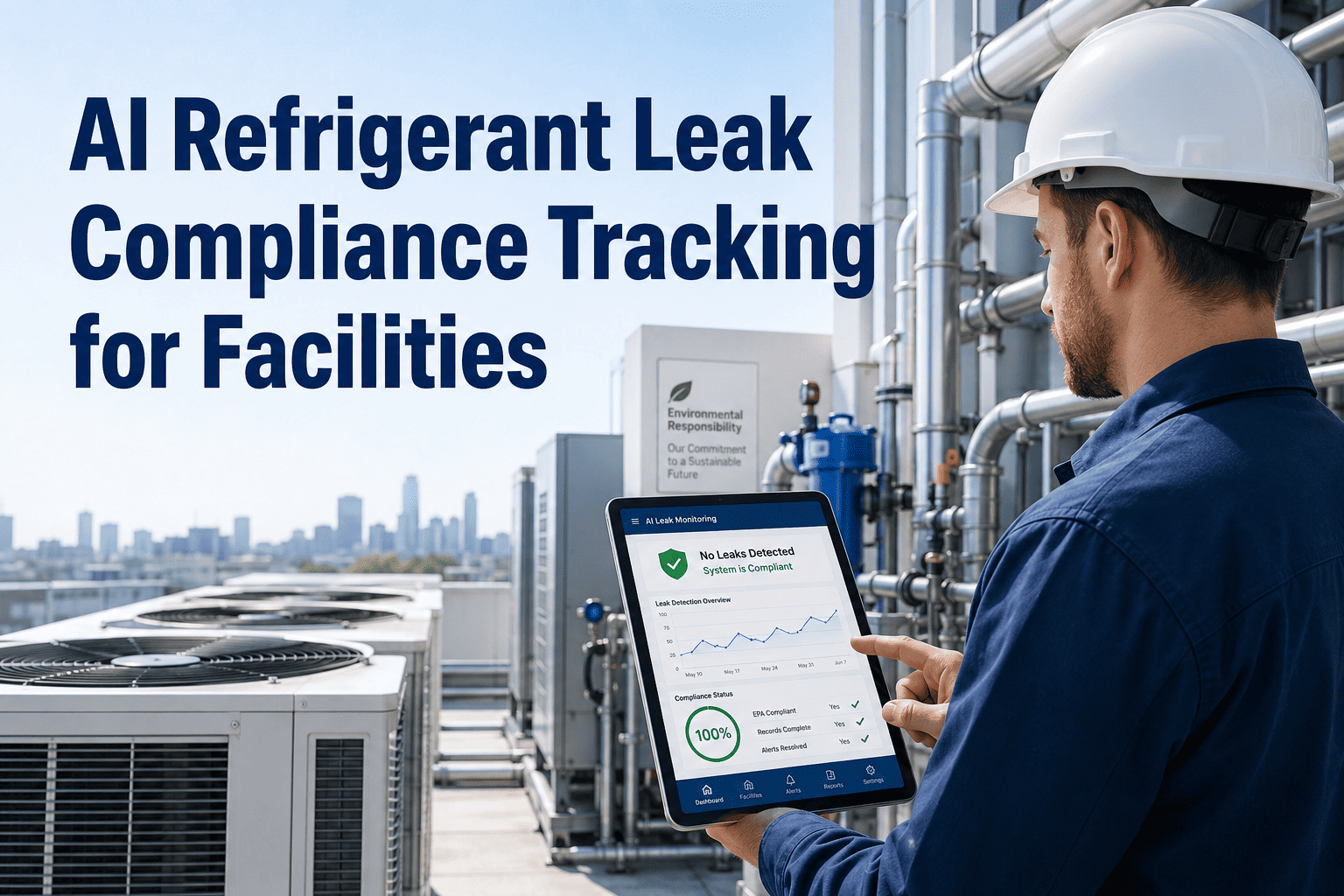
Non-compliance penalties can reach $25,000 per day per incident. AI detection ensures leaks are identified and documented within regulatory timeframes.
Simplify regulatory compliance. Create a free Oxmaint account to centralize leak detection, documentation, and reporting requirements.
Deploying AI-powered leak detection requires careful integration with existing chiller controls, BMS systems, and maintenance workflows. A phased approach delivers quick wins while building comprehensive monitoring capabilities.
Deployment Roadmap
Week 1-2
Assessment
Chiller inventory and sensor auditBMS integration planningBaseline data collection
Week 3-4
Integration
Sensor installation if neededData pipeline configurationCMMS connection setup
Week 5-6
AI Training
Normal operation baselineAnomaly threshold tuningAlert workflow testing
Week 7+
Live Monitoring
24/7 detection activationContinuous model refinementPortfolio expansion
Refrigerant leaks are silent budget killers. By the time you notice performance degradation, you have already lost hundreds of pounds of refrigerant and thousands of dollars in wasted energy. AI detection catches the warning signs weeks earlier, turning reactive emergency repairs into planned maintenance events.
Manual inspections cannot detect the subtle parameter shifts that precede refrigerant loss. Oxmaint helps you deploy AI monitoring that analyzes superheat, subcooling, and pressure patterns continuously, alerting maintenance teams to developing leaks weeks before traditional methods would identify a problem.
How early can AI detect refrigerant leaks compared to traditional methods?
AI-powered systems typically detect leak indicators 2-4 weeks before traditional methods would identify a problem. By analyzing subtle changes in superheat, subcooling, and pressure relationships, AI catches the early compensation patterns that precede measurable refrigerant loss. Schedule a consultation to learn how early detection applies to your chiller types.
What sensors are required for AI leak detection?
Most modern chillers already have the necessary sensors, including temperature sensors at evaporator and condenser, pressure transducers, and compressor current monitoring. AI platforms integrate with existing BMS data streams. If additional sensors are needed, installation is typically straightforward and non-invasive.
How does AI distinguish between actual leaks and normal operational variations?
Machine learning models are trained on load-normalized baselines that account for ambient conditions, cooling demand, and seasonal variations. The AI correlates multiple parameters simultaneously, looking for the specific pattern signatures that indicate refrigerant loss rather than normal operational changes. False positive rates are typically below 10%. Sign up for free to see how pattern recognition works.
Does AI leak detection satisfy EPA automatic leak detection requirements?
Yes, AI-based continuous monitoring systems satisfy the automatic leak detection requirements under EPA Section 608 and state-level regulations including CARB. The platforms provide the required documentation, timestamped alerts, and compliance reporting needed to demonstrate regulatory adherence.
What ROI can we expect from implementing AI leak detection?
Most facilities see ROI within 6-12 months through reduced refrigerant replacement costs, avoided emergency repairs, and improved energy efficiency. A single prevented catastrophic leak event often covers the annual cost of AI monitoring. Book a demo to discuss expected savings for your specific chiller inventory.



.jpeg)
.jpeg)
