Life sciences campuses operate at an entirely different scale of complexity than single-building research facilities. A mid-size campus may run twelve buildings, three cleanroom suites, forty HVAC zones, a central utility plant, and hundreds of shared research instruments — all subject to FDA 21 CFR Part 11, GMP documentation requirements, and institutional biosafety committee oversight simultaneously. When asset health data lives in building-specific spreadsheets, utility alarms go to individual engineers' inboxes, and PM records are assembled manually before each audit, the compliance burden alone consumes facility teams that should be focused on operations. Predictive maintenance AI changes this equation. Oxmaint AI centralizes asset health monitoring, compliance tracking, utility management, and cleanroom workflows across every building on campus — with predictive alerts that surface degradation before it reaches tenants, auditors, or the people running trials that cannot be interrupted. Start your free trial and connect your life sciences campus today.
$2.4M
Average cost of a single GMP facility shutdown triggered by a maintenance-related deviation
62%
of FDA 483 observations cite incomplete or missing maintenance and calibration records
8 wks
typical lag between HVAC degradation onset and first impact on cleanroom classification — detectable earlier with AI trending
3x
reduction in unplanned downtime at life sciences facilities using predictive maintenance AI vs reactive programs
What Predictive Maintenance AI Actually Does for a Life Sciences Campus
Predictive maintenance AI is not a buzzword here — it is a specific set of capabilities that change how facility teams operate across a multi-building campus. These are the four functions that matter most.
Capability 01
Asset Degradation Pattern Recognition
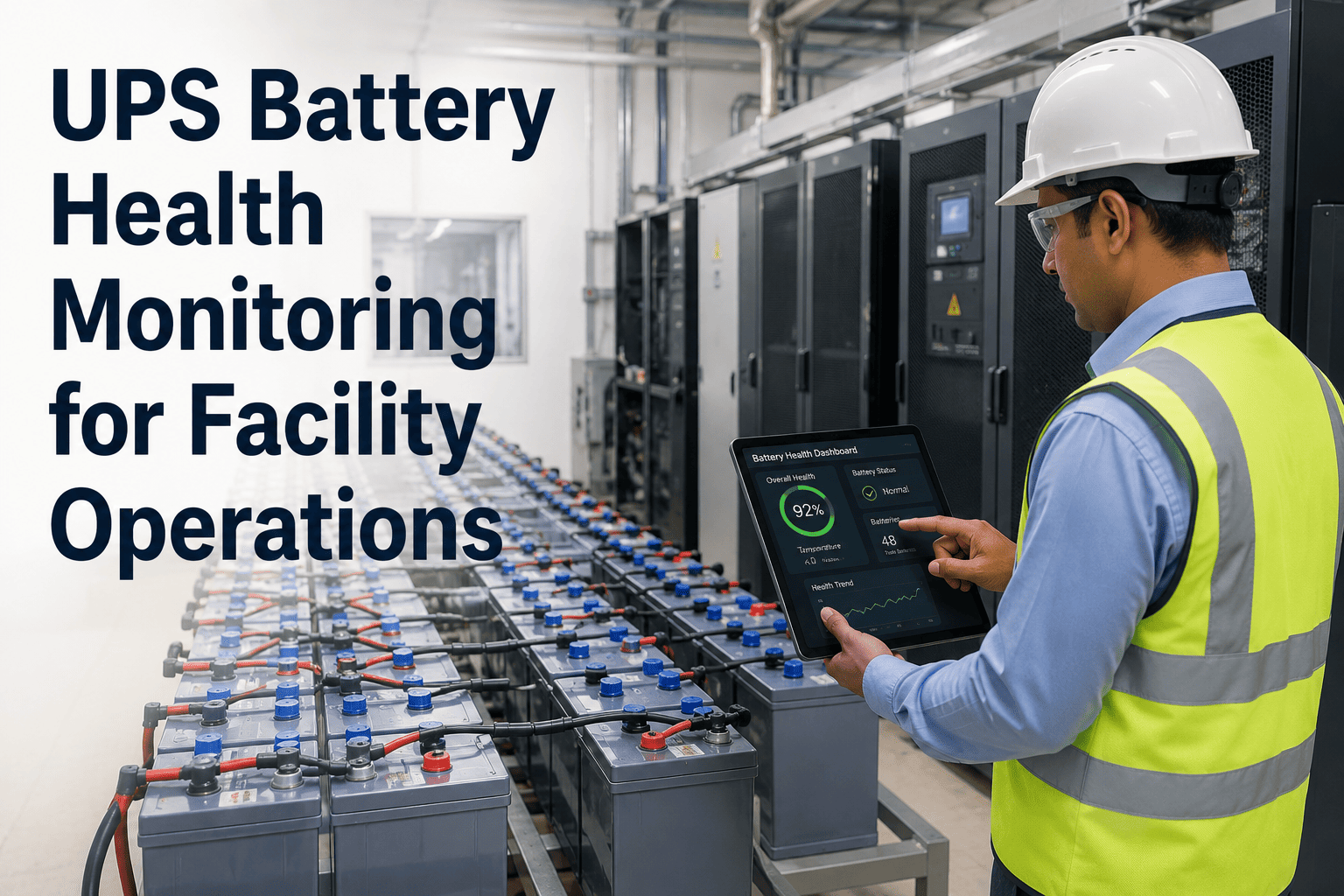
AI models trained on HVAC performance data, chiller efficiency curves, and AHU vibration baselines identify the early signatures of degradation — filter loading, bearing wear, coil fouling — weeks before performance crosses a threshold that triggers a manual alarm. Facility teams receive a ranked work order, not a crisis.
Capability 02
Compliance Timeline Forecasting
AI tracks the gap between current PM completion rates and upcoming regulatory inspection windows. If a critical calibration backlog is building before a scheduled FDA audit, the system surfaces the risk with enough lead time to close it — not the week before the inspection team arrives.
Capability 03
Utility Consumption Anomaly Detection
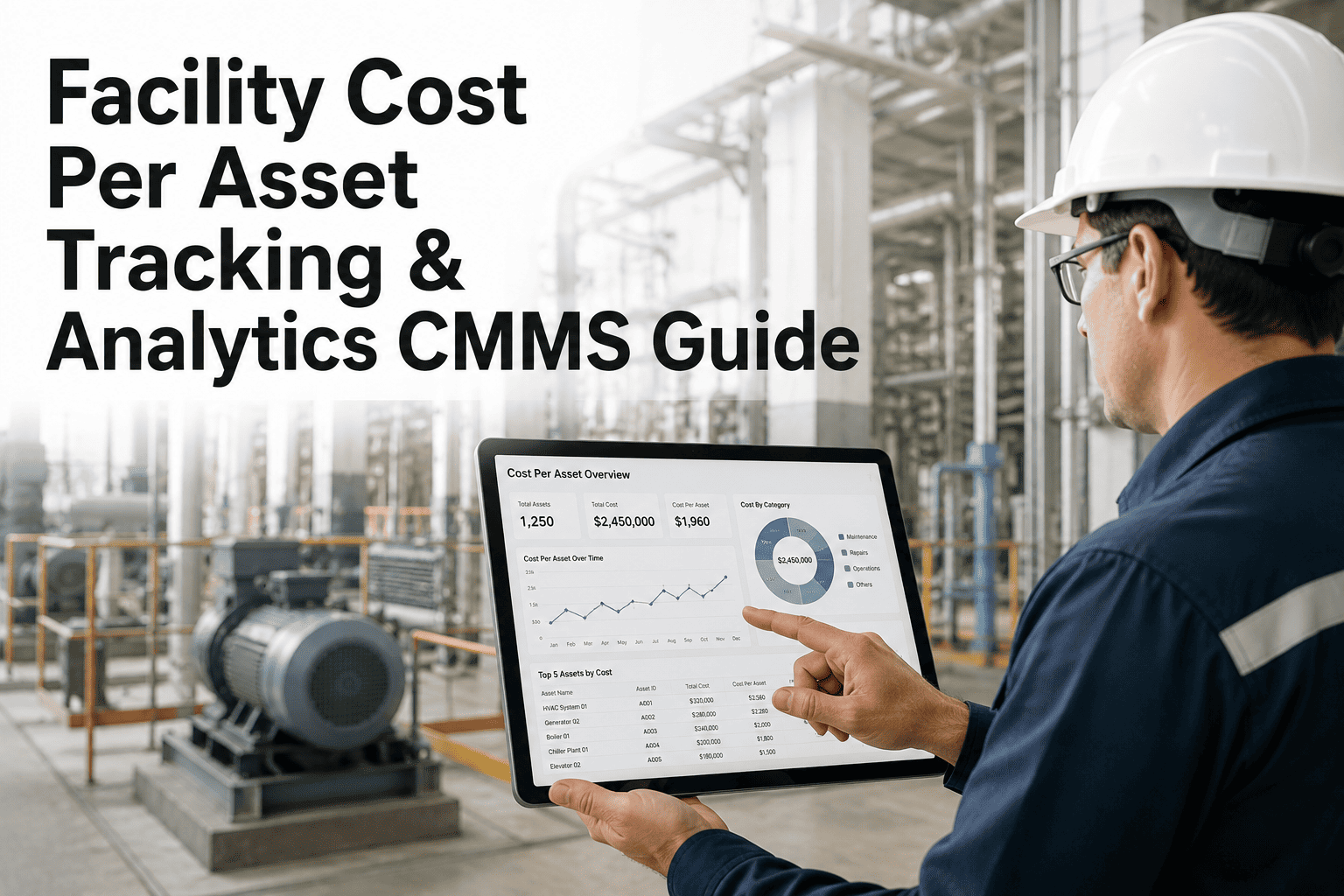
Campus-wide electricity, chilled water, compressed air, and gas consumption data fed into the CMMS creates a rolling baseline for each building. A 12% overnight electricity spike in Building 7 that does not match scheduled operations becomes a work order — not a mystery on the next utility bill.
Capability 04
Cross-Building Work Order Prioritization
AI ranks open work orders across the campus by risk — regulatory impact, production impact, and asset criticality. A technician team managing 200 open items across twelve buildings gets a prioritized daily queue that protects GMP spaces first, not the building whose manager called most recently.
Campus Infrastructure: What Each System Requires
Cleanroom HVAC and Environmental Monitoring
GMP Manufacturing, QC Labs, Cell Therapy Suites
Temperature, humidity, and differential pressure monitoring in every classified space requires continuous data logging, not periodic manual checks. Excursions auto-create CMMS deviation records with timestamp, duration, and assigned investigation work order — maintaining the data integrity chain required for 21 CFR Part 11 compliance.
Trigger: Excursion auto-creates deviation record + investigation WO
Central Utility Plant and Distribution
Chilled Water, Steam, Compressed Air, WFI Systems
Central utility plant equipment — chillers, boilers, air compressors, WFI generators — carries the highest consequence of failure on campus. Vibration trending, efficiency ratio monitoring, and water quality logging detect degradation in the asset generating data most relevant to FDA water system validation requirements.
Trigger: Efficiency ratio deviation + monthly water quality record
Calibrated Instrument Fleet
Analytical Equipment, Process Sensors, Environmental Monitors
A life sciences campus may manage thousands of calibrated instruments across research and GMP functions. Calibration due dates, out-of-tolerance events, and metrology vendor records must be stored as individual asset records — not as line items on a shared spreadsheet that someone updates manually twice a year.
Trigger: Calibration due date + out-of-tolerance auto-escalation
Cold Chain and Ultra-Low Storage
Sample Banks, Clinical Supply Storage, Reagent Freezers
Campus cold chain infrastructure protects samples with replacement values that can reach seven figures. Continuous temperature monitoring, alarm response work orders, and backup power test records combine in the CMMS to create the complete cold chain compliance package required for clinical trial supply oversight.
Trigger: Temp alarm auto-WO + quarterly backup power test record
Fire Protection and Life Safety
Sprinkler Systems, Clean Agent Suppression, Emergency Lighting
Life safety system PM across a multi-building campus requires jurisdiction-specific inspection intervals and authority-having-jurisdiction (AHJ) documentation. CMMS records with contractor sign-off and AHJ permit numbers eliminate the compliance gap that appears when a building changes facility managers and paper records go missing.
Trigger: Calendar + AHJ inspection cycle by jurisdiction
Predictive Maintenance AI for Life Sciences
Centralize Asset Health Across Your Entire Campus
Asset health monitoring, compliance timeline forecasting, utility anomaly detection, and cleanroom environmental records — all in one CMMS built for the scale and regulatory complexity of life sciences campus operations.
Compliance Coverage by Regulatory Framework
FDA 21 CFR Part 11
Electronic Records and Audit Trail
Timestamped CMMS records with technician sign-off
Audit trail for all work order modifications
Deviation record creation and investigation linkage
Export-ready packages for FDA inspection requests
GMP / EU Annex 1
Cleanroom and Environmental Control
Environmental monitoring excursion records
HVAC qualification support documentation
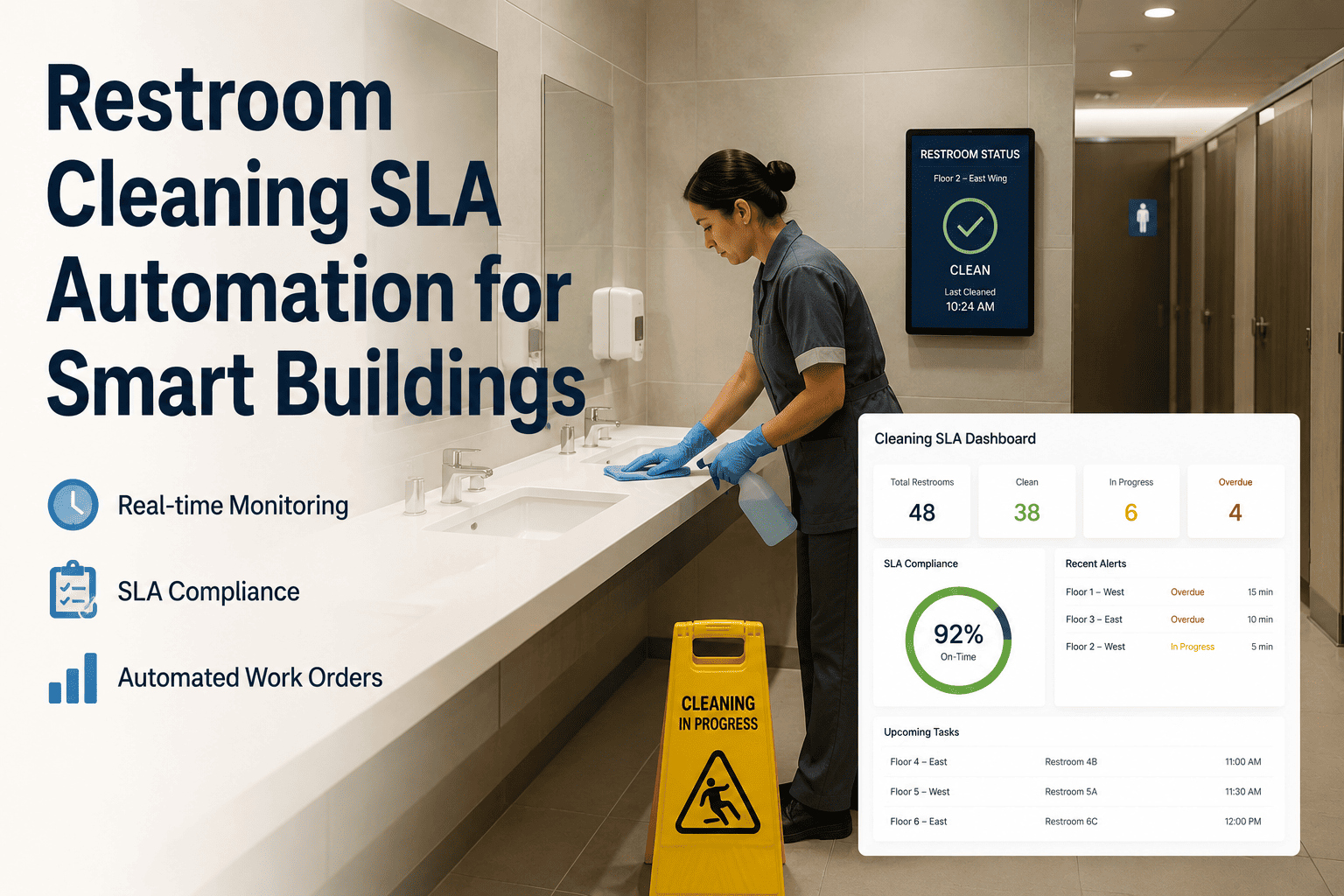
Cleaning and disinfection schedule records
Classified area access and maintenance log
ISO 9001 / ISO 17025
Quality Management and Calibration
Calibration instrument asset registry
Out-of-tolerance event records and CAPA linkage
Calibration interval justification documentation
Metrology vendor and certificate storage
PM Interval Reference — Life Sciences Campus Assets
| Asset |
PM Interval |
Regulatory Relevance |
CMMS Trigger |
| Cleanroom AHU |
Monthly filter + quarterly coil |
GMP / EU Annex 1 |
BAS data + Calendar |
| WFI System |
Daily conductivity + annual validation |
FDA 21 CFR 211 |
Conductivity threshold |
| Chiller Plant |
Quarterly + annual major |
Energy / Reliability |
Efficiency ratio trend |
| Cold Storage Fleet |
Annual compressor PM |
Clinical supply / GMP |
Temp alarm + Calendar |
| Calibrated Instruments |
Per calibration interval |
ISO 17025 / FDA |
Calendar (asset-specific) |
| Fire Suppression |
Semi-annual inspection |
AHJ / NFPA |
Calendar |
| Emergency Generator |
Monthly load test + annual major |
GMP / Life safety |
Calendar |
Frequently Asked Questions
How does predictive maintenance AI reduce FDA inspection risk at life sciences campuses?
Predictive AI surfaces calibration backlogs, PM completion rate gaps, and environmental monitoring excursion trends before inspection windows — giving facility teams time to remediate rather than explain. Combined with 21 CFR Part 11-compliant record-keeping, AI-driven CMMS programs eliminate the documentation gaps most commonly cited in FDA 483 observations.
Oxmaint AI is configured for life sciences compliance requirements.
Can Oxmaint manage maintenance records across multiple buildings on one campus?
Yes. Oxmaint supports multi-building campus configurations with building-level asset registries, cross-campus work order queues, and centralized compliance dashboards. Facility managers see campus-wide PM status, open work orders by building, and compliance risk by system — in one view rather than across multiple disconnected systems.
Book a demo to see the campus operations dashboard.
What environmental monitoring records does a life sciences CMMS need to maintain?
GMP facilities require continuous temperature, humidity, and differential pressure logs for classified spaces, with excursion records that include duration, deviation from setpoint, and investigation outcome. Oxmaint stores all environmental monitoring data with timestamps and technician sign-off, creating the continuous compliance record required for FDA and EU GMP inspections.
How does Oxmaint handle calibration tracking for large instrument fleets?
Each calibrated instrument is registered as an individual asset with calibration interval, last calibration date, certifying technician, and certificate storage. The system auto-generates calibration work orders in advance, routes to the approved metrology vendor, and flags out-of-tolerance events for CAPA linkage — eliminating the manual spreadsheet management that creates compliance gaps.
Oxmaint AI for Life Sciences Campuses
Stop Managing Compliance Risk with Spreadsheets
Asset health AI, environmental monitoring records, calibration tracking, cleanroom compliance, and cross-building work order management — all in one platform built for the regulatory and operational demands of life sciences campus facilities. Live across your campus in weeks.