UPS batteries are the silent guardians of facility power continuity — protecting servers, medical equipment, and critical operations during the gap between grid failure and generator start. Yet most facilities replace them on a fixed calendar schedule, wasting usable life on healthy batteries while missing degraded ones that will fail under real load. Smart UPS battery monitoring changes this entirely — using data to predict failure before it happens.
UPS Battery Health Monitoring for Facility Operations
Move from calendar-based replacement to data-driven battery lifecycle management — reduce costs by 35% and eliminate surprise failures in your critical facility infrastructure.
What Makes UPS Battery Health Complex
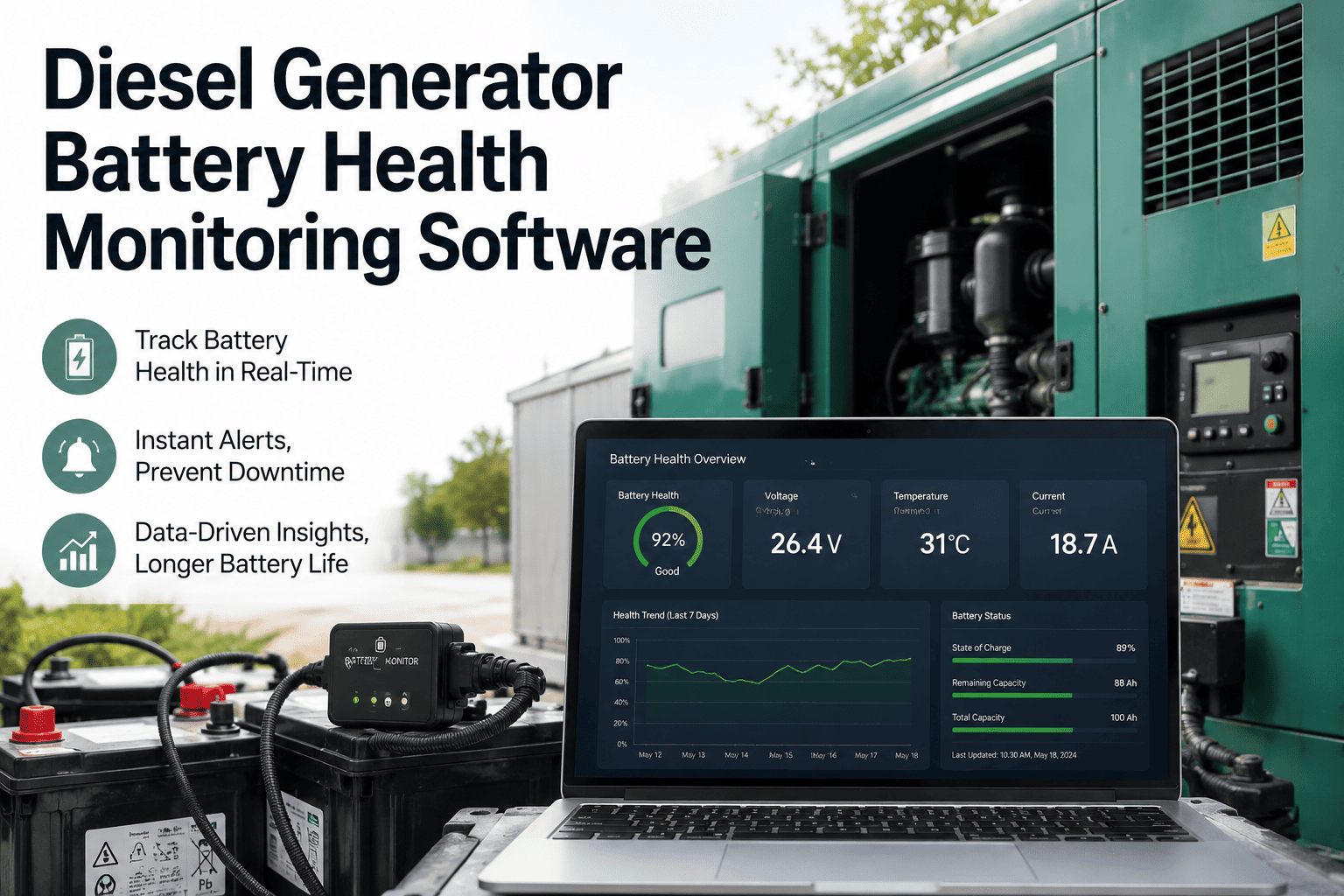
UPS batteries do not fail suddenly — they degrade gradually through a combination of thermal stress, charge cycles, and electrochemical aging. The challenge is that voltage readings remain near-normal until capacity has already dropped below acceptable thresholds. A battery at 60% state of health will still show 12.6V on a voltmeter while failing to sustain load for the required backup window. Only impedance or conductance testing reveals true health state.
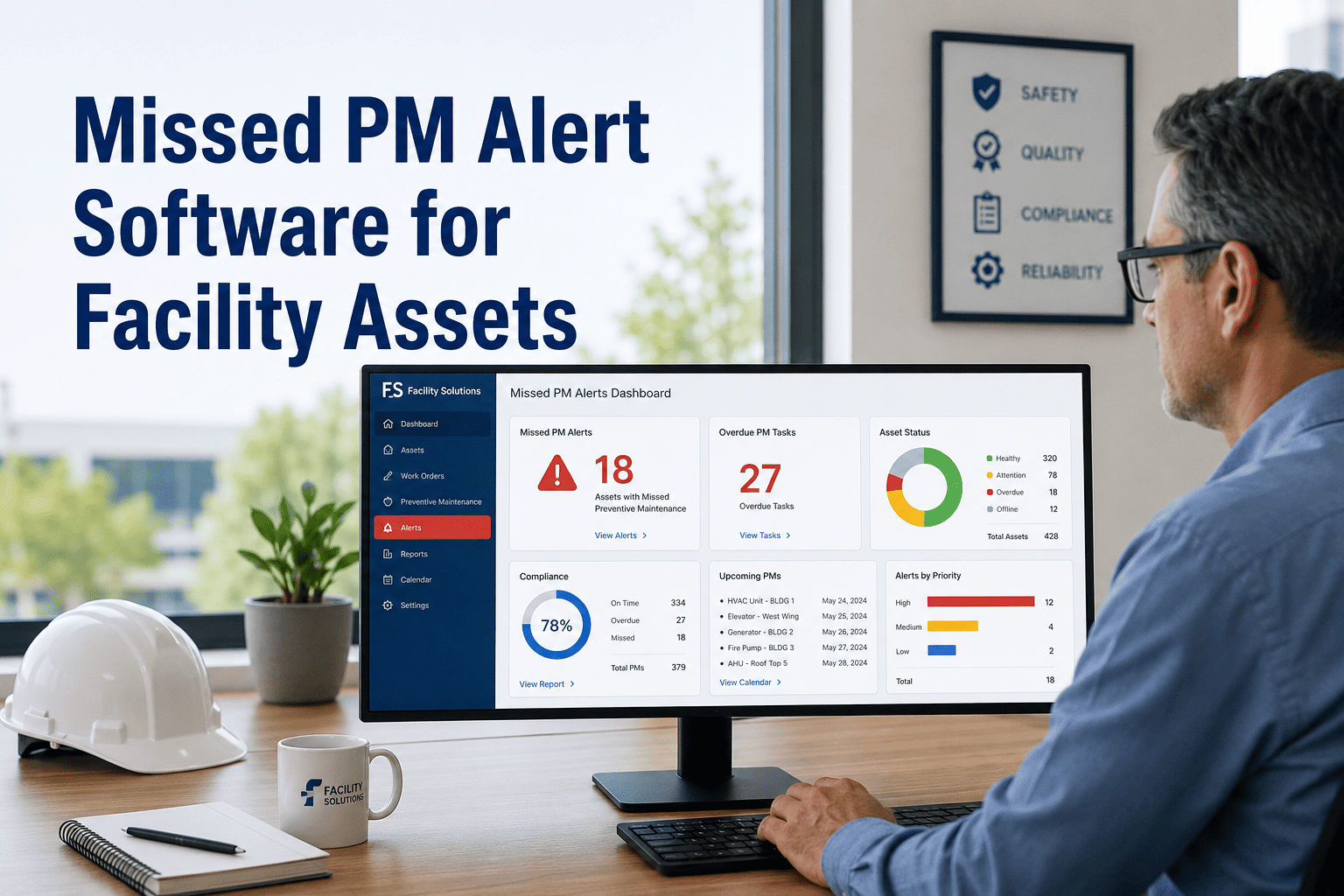
OxMaint integrates with UPS monitoring systems to deliver predictive battery alerts — automatically triggering replacement work orders before failures occur.
Key Parameters to Monitor in UPS Battery Systems
Effective UPS battery health monitoring tracks multiple parameters simultaneously. Each metric provides a different window into battery condition — together they build a complete picture of backup power readiness.
| Parameter | Healthy Range | Alert Threshold | Replace Threshold | Monitoring Method |
|---|---|---|---|---|
| Float voltage (per cell) | 2.25 – 2.30 V | < 2.20 V or > 2.35 V | Sustained deviation | BMS / IoT sensor |
| Internal impedance | < 120% of baseline | 121 – 149% of baseline | > 150% of baseline | Quarterly impedance test |
| State of charge | > 95% | 85 – 94% | < 80% | Charger / BMS reading |
| Battery temperature | 20 – 25°C | 26 – 33°C | > 33°C sustained | Thermal sensor / IoT |
| Estimated runtime | > 100% of required | 80 – 99% of required | < 80% of required | Load test / BMS |
| Charge cycles | < 200 full cycles | 200 – 299 cycles | > 300 full cycles | BMS cycle counter |
UPS Battery Lifecycle: From Install to Replace
Understanding where each battery is in its lifecycle allows facilities to plan replacement budget accurately and avoid emergency procurement at premium cost. The stages below represent a typical VRLA battery in a commercial facility environment.
Inspection Schedule for UPS Battery Systems
This schedule follows IEEE 1188 and IEEE 450 standards for standby battery systems in critical facilities. Each task maps directly to an OxMaint PM work order with required reading fields and technician sign-off.
The most expensive UPS maintenance mistake I see is treating battery strings as uniform — replacing an entire string when only two or three cells have failed. Good impedance testing, tracked in a CMMS with cell-level records, lets you identify and replace individual bad cells in a string while leaving healthy cells in service. That precision approach, combined with temperature-compensated float charging and room temperature control, can extend actual VRLA battery service life to 5–6 years versus the generic 3-year replacement cycle most facilities default to. OxMaint's asset management tracks individual cell readings over time so you can see which cells are trending toward failure — that is the difference between a planned replacement and a 2 AM emergency.
Frequently Asked Questions
Stop Replacing Batteries on a Calendar — Start Replacing on Data
OxMaint gives your facility team predictive battery health analytics, automated inspection schedules, and a full asset lifecycle record — so you replace batteries when they need it, not before or after. See it in a 30-minute demo tailored to your UPS configuration.