Occupant comfort is no longer a soft metric — it directly impacts employee productivity, lease renewal decisions, and building star ratings that influence property value. OxMaint's occupant comfort analytics give facility managers real-time insight into temperature, air quality, humidity, and lighting conditions across every zone — so comfort issues are resolved before occupants notice, not after they complain.
Blog · Occupant Experience · 2026
Occupant Comfort Analytics for Smart Facility Operations
Balance comfort, energy efficiency, and maintenance planning with live occupant experience data — across every floor, zone, and building in your portfolio.
Building Comfort Score
of 100 — 3 zones need attention
16%
Productivity loss linked to poor thermal comfort — Lawrence Berkeley Lab
34%
Of workplace complaints are HVAC-comfort related — IFMA Survey 2025
2.8×
Higher lease renewal rate for buildings with certified comfort programs
Four Comfort Dimensions OxMaint Monitors
01
Thermal Comfort
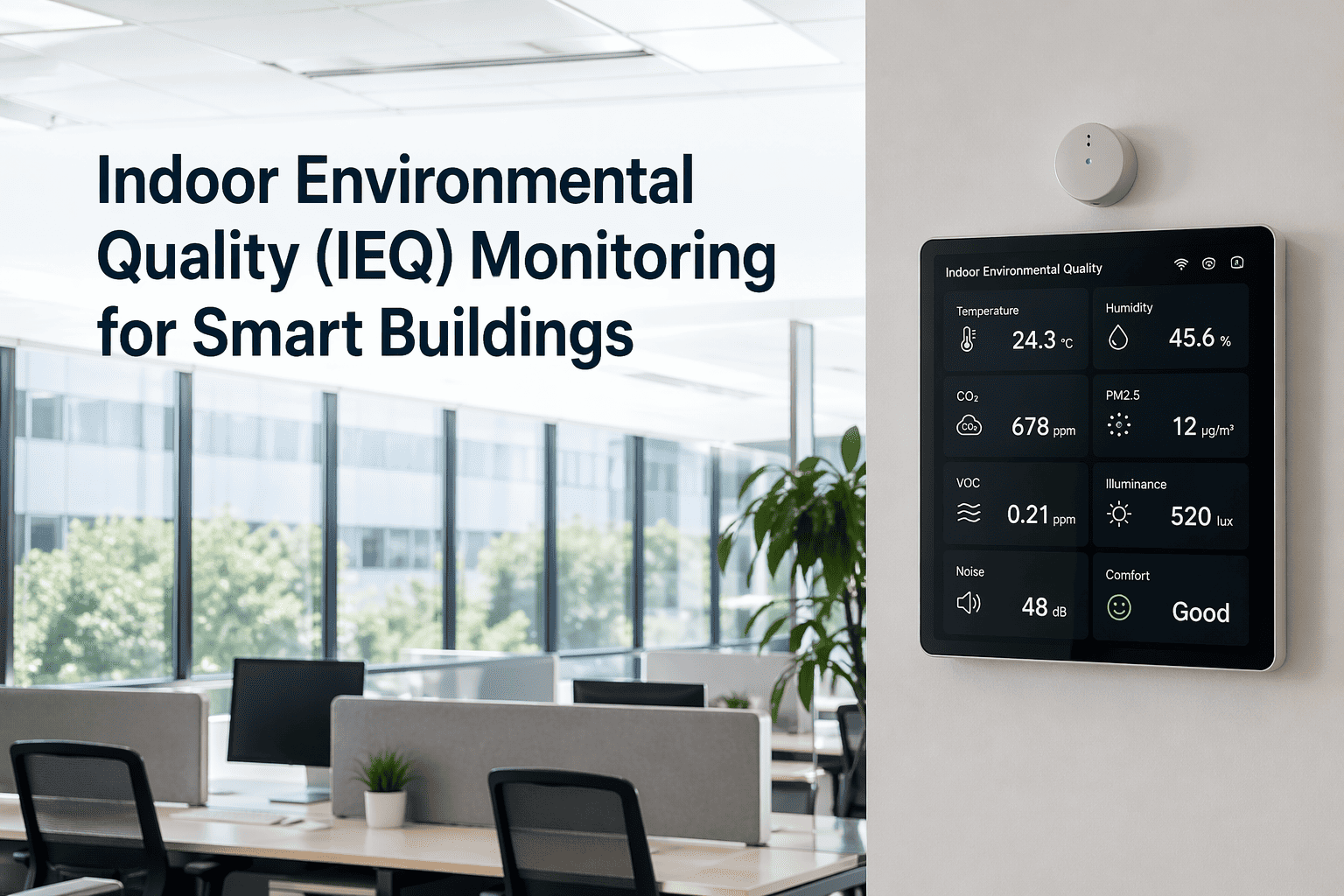
Target: 70–76°F (21–24°C) | Humidity: 40–60% RH
Zone-level temperature and humidity mapped against ASHRAE 55 comfort envelopes. Deviations trigger alerts before occupants feel discomfort.
02
Air Quality (IAQ)
CO₂ <1000 ppm | PM2.5 <12 μg/m³ | VOC <500 ppb
Continuous indoor air quality monitoring with automatic ventilation adjustment recommendations when thresholds are approached.
03
Acoustic Environment
Target: <45 dB background | <55 dB peak in open plan
Noise level monitoring in sensitive zones — meeting rooms, collaboration areas — with correlation to HVAC equipment vibration sources.
04
Lighting & Glare
Target: 300–500 lux workplanes | <19 UGR glare index
Lux level and color temperature monitoring by zone — flags areas where fixture maintenance or shading adjustments are needed for occupant wellbeing.
Comfort vs. Energy — The Balance OxMaint Manages
The traditional tension in facility management is between comfort and energy cost — operators over-cool or over-heat to avoid complaints, wasting energy. OxMaint's analytics layer maps real occupancy against comfort sensor data to identify exactly where energy is being spent unnecessarily on unoccupied or lightly used spaces, and where comfort is genuinely below standard.
| Scenario |
Traditional Response |
OxMaint Analytics Response |
Energy Saving |
| Complaint: "Too hot in Zone 3" |
Lower setpoint building-wide |
Diagnose Zone 3 VAV, fix supply air issue |
12–18% |
| Empty conference room, full cooling |
No action (undetected) |
Occupancy-linked setback triggered |
28–35% |
| Weekend over-conditioning |
Manual schedule override |
Auto-optimized schedule by occupancy prediction |
40–55% |
| IAQ complaint: "Stuffy air" |
Full ventilation increase |
Targeted ERV boost + filter check alert |
8–14% |
Expert Review
"Facilities that invest in real-time comfort analytics consistently outperform peers on both occupant satisfaction scores and energy intensity metrics. The insight that AI comfort monitoring delivers — showing exactly which zones are underperforming and why — eliminates the guesswork that leads facility teams to over-condition entire buildings when one zone has a maintenance issue. This is where smart building ROI becomes concrete and measurable."
— Dr. Thomas Nguyen, Senior Research Scientist, Center for the Built Environment, UC Berkeley · 2025
Know Your Building's Comfort Score Before Your Next Lease Review
OxMaint's comfort analytics connect to your existing sensors and BMS — live comfort scoring in under a week. No hardware project, no IT procurement.
Frequently Asked Questions
How does OxMaint collect occupant comfort data without installing new sensors everywhere?
OxMaint integrates first with your existing BMS and smart thermostat data — which covers thermal comfort and basic IAQ in most commercial buildings. For buildings without zone-level sensors,
OxMaint offers plug-and-play wireless sensor kits that install in 30 minutes per zone, no cabling required. You can start with existing data immediately and expand sensor coverage incrementally as your comfort program matures.
Can comfort analytics data be shared with tenants or property managers for transparency?
Yes — OxMaint includes configurable tenant-facing dashboards that show real-time comfort scores and historical trends for specific floors or zones. This is increasingly used by landlords as a differentiator in commercial lease negotiations and is aligned with WELL Building Standard and LEED certification documentation requirements.
Book a demo to see the tenant portal in action, and how comfort data is formatted for WELL v2 reporting submissions.
How does occupancy analytics integrate with comfort monitoring to reduce energy waste?
OxMaint combines comfort sensor data with occupancy signals from badge readers, Wi-Fi heat maps, or dedicated occupancy sensors to create an actual vs. expected occupancy model for each zone. When a zone is below expected occupancy for more than 30 minutes, the system adjusts HVAC setpoints to an energy-saving setback mode while maintaining comfort for actual occupants. This single feature typically reduces HVAC energy use by 18–28% in office buildings without any impact on occupant thermal comfort scores.
Smart Comfort Starts With Smart Data
OxMaint's occupant comfort analytics are free to start. Connect your first building today — comfort scores, zone alerts, and energy insights within the first week.