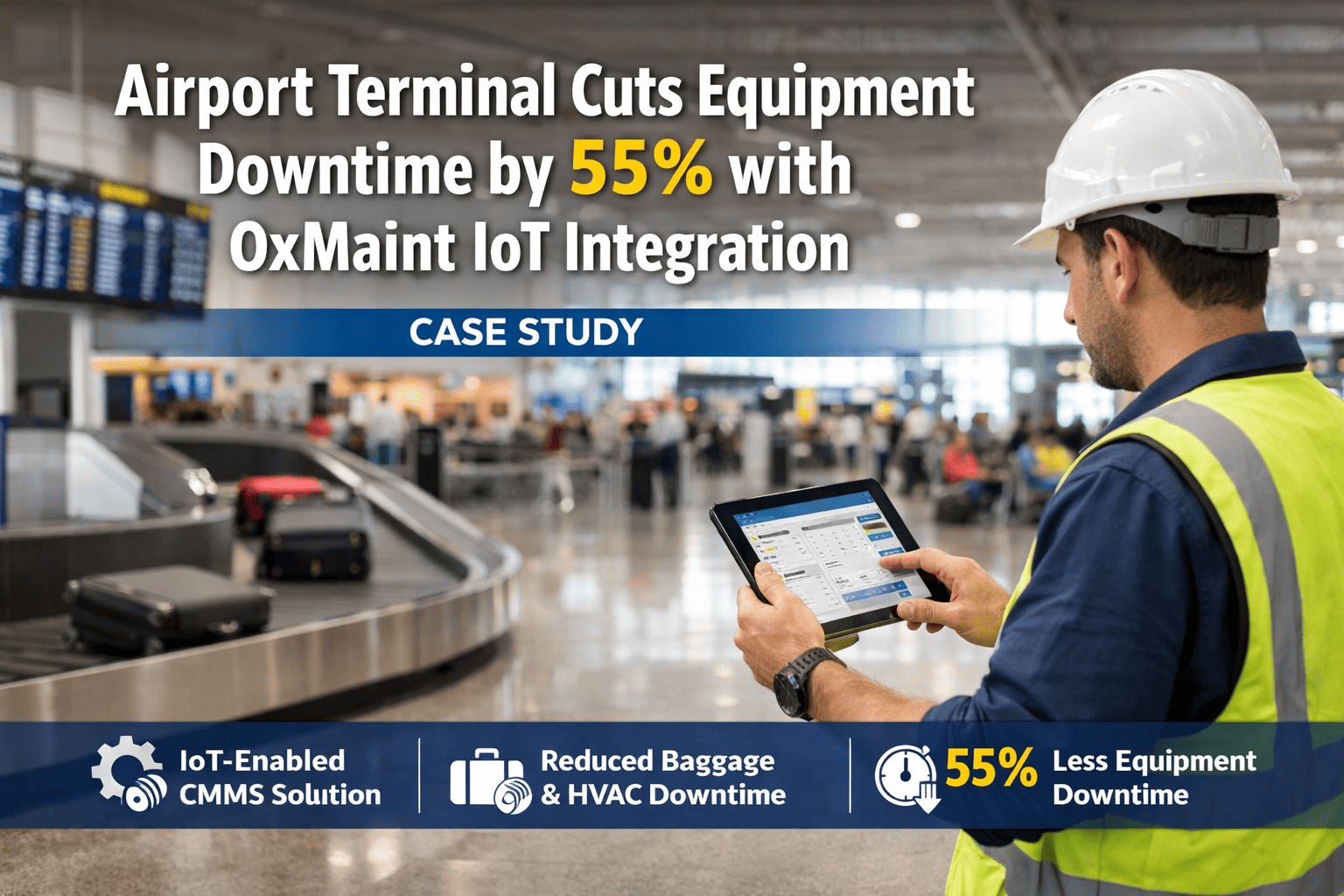
Airport Terminal Cuts Equipment Downtime by 55% with OxMaint IoT Integration

By James smith on April 8, 2026

airport-terminal-equipment-downtime-55-percent-oxmaint-iot

A major international airport terminal was facing escalating passenger complaints about baggage delays, temperature fluctuations in concourses, and escalating emergency repair costs across its baggage handling and HVAC systems. After deploying OxMaint with IoT sensor integration across 3.2 million square feet, the terminal reduced equipment downtime by 55%, cut HVAC-related passenger complaints by 72%, and achieved $4.2 million in documented maintenance savings within 14 months. Start your airport terminal transformation with Oxmaint — free trial, live in under 60 minutes.

Case Study · IoT Sensor Integration · Airport Terminal Operations

Airport Terminal Cuts Equipment Downtime by 55% with OxMaint IoT Integration

How a major international airport terminal transformed from reactive breakdown maintenance to predictive IoT-driven operations — eliminating baggage system failures, optimizing HVAC performance, and building a maintenance system that delivers passenger satisfaction.

55%
Equipment downtime reduction across terminal operations
72%
Reduction in HVAC-related passenger complaints
$4.2M
Documented maintenance savings over 14 months
3.2M
Square feet under IoT-enabled CMMS management

Before OxMaint: A Terminal Running on Emergency Mode

The airport terminal — serving 22 million annual passengers across 3.2 million square feet — was experiencing frequent baggage system jams, HVAC zone failures, and escalating emergency repair costs. The maintenance team was reactive by necessity, with no real-time visibility into equipment condition.

01
Baggage System Breakdowns
Conveyor motor failures and sensor misalignments caused 4-6 major baggage delays per month. Each delay triggered airline penalties and passenger compensation costs averaging $85,000 per incident.
02
HVAC Zone Failures
Air handling units and VAV boxes failed without warning, creating hot and cold zones across concourses. Passenger complaints spiked during summer months, damaging terminal reputation.
03
No Real-Time Condition Data
BMS data existed but was not connected to maintenance work orders. Technicians learned of failures only after passenger complaints or airline notifications — not before.
04
Escalating Emergency Spend
Emergency repair costs had grown 34% year over year. Overtime labor and expedited parts shipments were consuming budget that should have gone to preventive maintenance.

How OxMaint IoT Integration Transformed Terminal Operations

The airport deployed OxMaint with IoT sensor integration across baggage handling systems, air handling units, escalators, and boarding bridges. Real-time condition data now triggers automated work orders before failures occur.

Phase 1
IoT Sensor Deployment & Integration
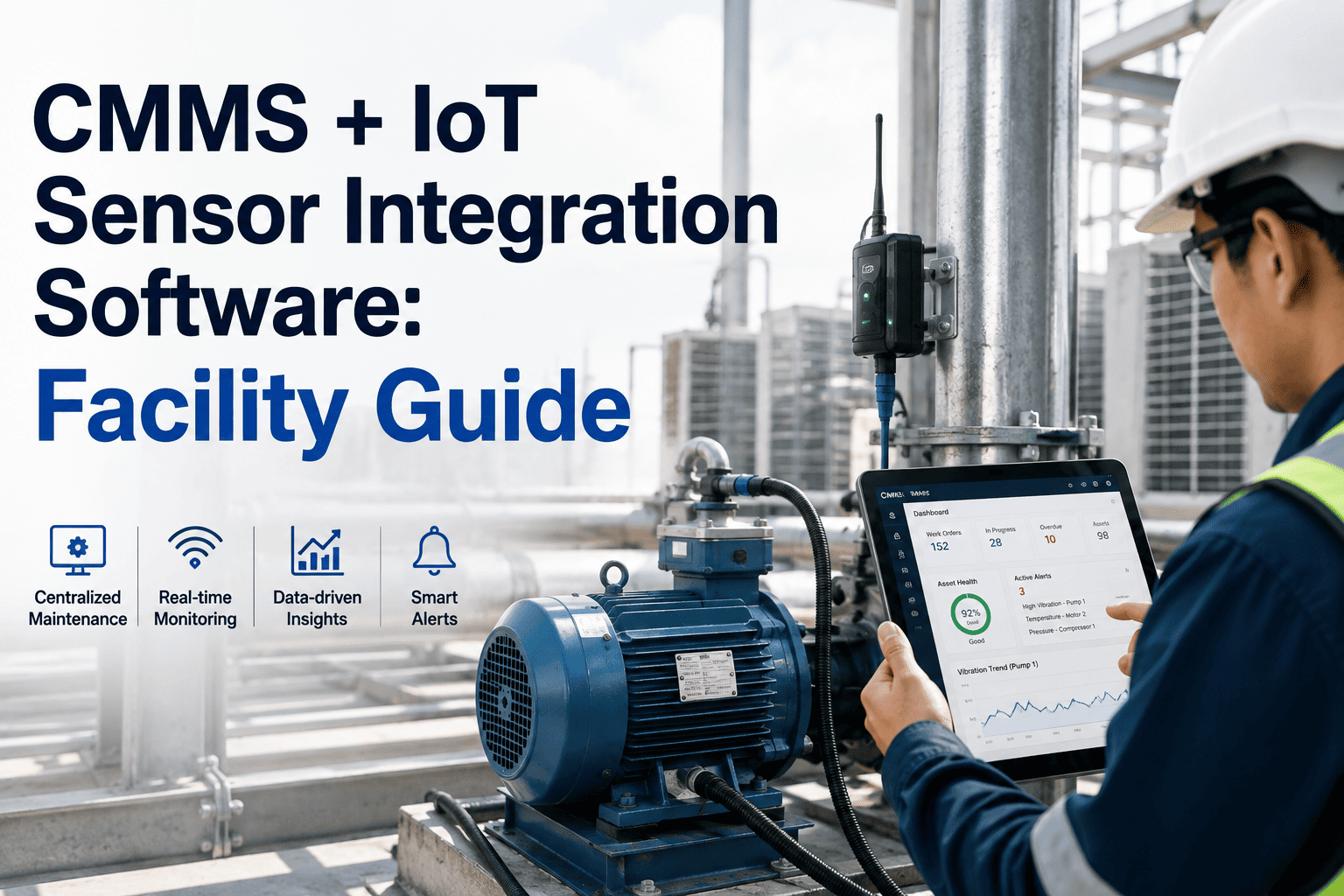
Vibration sensors on conveyor motors, temperature sensors on AHU coils, and current monitoring on baggage drive systems connected to OxMaint via existing BMS infrastructure. Baseline condition data established for 1,200+ critical assets.
Phase 2
Condition-Based Work Order Automation
Threshold-based triggers configured for motor vibration, bearing temperature, belt alignment, and AHU filter pressure drop. Automated work orders generated when conditions degrade past defined limits.
Phase 3
Mobile Work Order Execution & Dashboard
48 facility technicians received mobile devices with OxMaint app. Real-time terminal dashboards show equipment health scores, active alerts, and technician assignment status.
IoT Integration
Real-Time Sensor Connectivity
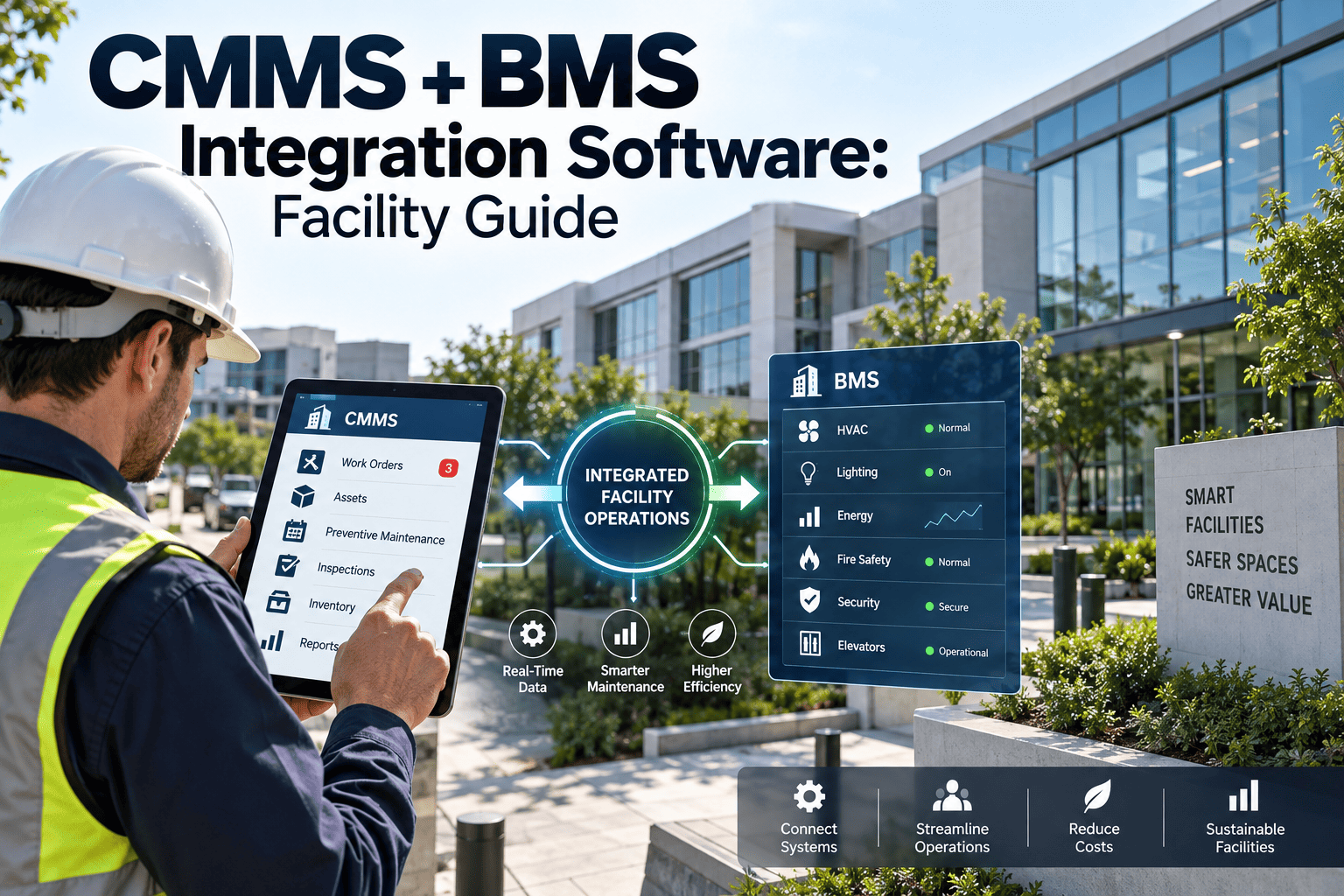
Vibration, temperature, current, and pressure sensors feed live data into OxMaint. No custom middleware required — standard API integration with existing BMS.
Predictive Alerts
Failure Prediction Models
Machine learning algorithms analyze sensor trends to predict equipment failure 2-6 weeks in advance. Automated alerts trigger preventive work orders before passengers are impacted.
Passenger Impact Scoring
Risk-Based Priority System
Every work order includes passenger impact score — baggage system failures prioritized over cosmetic issues. Limited technician hours allocated to highest passenger-impact repairs.
Connect Your Terminal's IoT Sensors to OxMaint in Under 2 Weeks
Stop reacting to equipment failures after passengers are already impacted. OxMaint integrates with your existing BMS and IoT infrastructure to deliver predictive alerts and automated work orders.

14-Month Performance Metrics: From Reactive to Predictive Terminal Operations

Within 14 months of full OxMaint IoT deployment, the airport terminal transformed its maintenance operations and passenger experience metrics. Key performance indicators improved across every category.

55%
Equipment Downtime Reduction
Baggage system downtime dropped from 187 hours to 84 hours annually. HVAC zone failures reduced by 61%. Escalator and boarding bridge reliability improved by 48%.
72%
HVAC Passenger Complaints Drop
Temperature-related passenger complaints fell from 143 to 40 per month. Real-time AHU monitoring catches coil freezing and damper failures before zones become uncomfortable.
$4.2M
Maintenance Savings
Emergency repair spending reduced by 58%. Overtime labor cut by 47%. Extended equipment life through early intervention documented at $1.8M in avoided replacements.
93%
Airline Satisfaction Score
Baggage system reliability improved from 82% to 97% on-time performance. Airline partner satisfaction survey scores increased from 2.8 to 4.6 out of 5.

Sensor Data That Changed Terminal Operations

The most impactful IoT data streams delivered early warnings that prevented major failures. Here is what the terminal's sensor network detected and what was prevented.

Vibration Sensors
Baggage Conveyor Motors
Detected bearing degradation on mainline conveyor motors 18 days before predicted failure. Preventive bearing replacement took 4 hours instead of 3 days of emergency downtime.
Prevented: $340K in airline penalties + $85K in emergency repair
Temperature Sensors
AHU Cooling Coils
Identified coil icing patterns across 6 air handling units before complete freeze-ups. Automated alerts triggered defrost cycles and filter replacements.
Prevented: $420K in passenger compensation + $120K in emergency repairs
Current Monitoring
Baggage Sortation Drives
Detected abnormal current draw on 4 sortation drives, indicating pending motor failure. Preventive motor replacements scheduled during night shifts.
Prevented: $210K in missed flight baggage claims + $65K in repairs
Pressure Sensors
AHU Filter Banks
Real-time filter differential pressure monitoring triggers replacement orders when filters reach 80% of service life — never a clogged filter failure.
Prevented: $180K in HVAC inefficiency + $45K in emergency filter replacements
Your Terminal's IoT Data Is Already Speaking. OxMaint Helps You Listen.
Join airport operators who have eliminated baggage system failures and HVAC complaints through predictive IoT maintenance. OxMaint connects to your existing sensors and starts generating ROI from day one. Start your free trial now.

Before and After: 14-Month Terminal Operations Metrics

Metric Before OxMaint After OxMaint (14 Months) Improvement
Baggage System Downtime (Annual) 187 hours 84 hours -55%
HVAC Passenger Complaints (Monthly) 143 complaints 40 complaints -72%
Emergency Repair Spend $2.1M annually $882K annually -58%
Overtime Labor Hours 9,400 hours/year 5,000 hours/year -47%
Baggage On-Time Performance 82% 97% +15% points
Mean Time To Detect (MTTD) 8.5 hours 12 minutes -98%
Before OxMaint, we learned about baggage system failures when passengers started complaining at the carousel. Now our IoT sensors detect conveyor motor degradation 2-3 weeks before failure. We replaced a mainline drive motor during a night shift instead of during peak departure hours — that single event paid for the entire OxMaint deployment. Our airline partners have noticed the difference. Baggage on-time performance is up to 97%, and HVAC complaints are down 72%. This is what proactive maintenance looks like.
Robert Chen
Director of Terminal Operations, International Airport (22M annual passengers)

Industry Expert Assessment: Airport Terminal IoT Maintenance

This case study represents the state of the art in airport terminal maintenance. The integration of IoT sensor data with a modern CMMS is no longer optional — it is the baseline for airports serving 20+ million passengers annually. The 55% downtime reduction and 72% complaint drop are achievable results when condition-based maintenance replaces calendar-based PMs. The key insight here is the passenger impact scoring system, which ensures limited technician hours are allocated to equipment that most affects traveler experience. Other terminals should take note.
Elena Vasquez, A.A.E.
Airport Maintenance & Operations Consultant | Former Deputy Director, LAX

Airport Operators Ask About IoT-Enabled CMMS

How long does it take to connect existing airport IoT sensors to OxMaint?
Most airport terminals complete IoT sensor integration within 2-4 weeks. OxMaint connects to standard BMS protocols including BACnet, Modbus, and OPC UA. If your terminal already has vibration sensors, temperature monitoring, or current sensors in place, integration is typically faster — often under 2 weeks. Book a demo to see the integration process.
What airport equipment can OxMaint monitor with IoT sensors?
OxMaint monitors baggage handling systems (conveyor motors, sortation drives, belt alignment), HVAC equipment (AHUs, VAV boxes, chillers, cooling towers), vertical transportation (escalators, elevators, boarding bridges), and passenger boarding equipment (jet bridges, pre-conditioned air units). Any equipment with existing or add-on sensors can feed condition data into OxMaint. Start free and connect your first asset today.
Does OxMaint help with airport compliance and audit requirements?
Yes. OxMaint automatically logs all IoT sensor readings, work order triggers, technician responses, and repair completions with timestamps. Generate audit-ready reports for TSA, FAA, and local aviation authority compliance in minutes. The platform helped this terminal reduce audit preparation time from 4 weeks to 2 days. Book a demo to see compliance reporting.
What is the typical ROI for an airport terminal using OxMaint IoT?
ROI comes from three sources: reduced baggage system penalties (this terminal saved $1.2M in airline penalties), lower HVAC emergency repairs (saved $680K), and extended equipment life through early intervention (saved $1.8M in avoided replacements). Most terminals document full platform payback within 6-9 months from baggage system improvement alone. Book a demo to model ROI for your terminal.
Can OxMaint predict equipment failures before they impact passengers?
Yes. OxMaint's machine learning models analyze sensor trend data to predict failures 2-6 weeks in advance. The system generated 14 predictive alerts during the first 8 months of deployment, and 12 of those alerts resulted in preventive repairs that avoided passenger-impacting failures. The two false positives cost minimal inspection time — far less than the cost of one baggage system breakdown. Start free and see predictive alerts in action.
Airport Terminal · IoT-Enabled CMMS · Free to Start
Your Passengers Deserve Better Than Reactive Maintenance. Start Predicting Failures Today.
OxMaint connects to your existing IoT sensors, predicts equipment failures before they impact passengers, and automates work orders so your team stops firefighting. Deploy on baggage handling and HVAC this month — no IT project, no sensor replacement. Prove the ROI in 90 days.

Share This Story, Choose Your Platform!