Every building you manage is a complex system of interconnected components — foundations, roofing, electrical panels, plumbing networks, HVAC units, and fire safety equipment — all aging simultaneously under load, weather, and daily use. Without a structured inspection checklist, small cracks become structural failures, minor leaks become mold infestations, and code violations become six-figure fines. The building inspection services industry has grown to $5.5 billion in 2025, driven by tighter codes, rising insurance requirements, and the costly consequences of deferred maintenance. A single missed foundation issue averages $5,165 to repair — but catching it early during a routine inspection costs almost nothing. This comprehensive 2026 checklist gives facility managers, property owners, and inspection teams a complete, interval-based framework covering every critical building system. Sign up for Oxmaint to turn this checklist into automated, trackable digital work orders your team can execute from any mobile device.
What Happens When Building Inspections Get Skipped
Neglecting scheduled building inspections does not just risk code violations — it creates a cascade of structural, safety, and financial problems that compound over time. Here is what property managers and facility teams consistently report when inspections are missed or delayed.
86%
of building inspections uncover issues that should have been caught earlier through routine checks
$14K
average amount buyers negotiate off purchase price using inspection findings — proving early detection pays
60-70%
of all inspections find electrical problems — the single most common issue across residential and commercial buildings
Foundation Failure
Undetected cracks and settlement escalate into major structural damage. Average repair cost ranges from $2,200 to $8,100+ per incident.
Roof Deterioration
Missed shingle damage and poor drainage lead to water intrusion, mold growth, and interior damage. Replacement runs $5,800 to $13,200+.
Electrical Hazards
Outdated panels, aluminum wiring, and missing GFCI outlets create fire risks. Rewiring costs $2,000 to $12,000 depending on scope.
Safety Violations
Missing smoke detectors, blocked exits, and faulty sprinklers put occupants at risk and expose owners to fines up to $25,000+.
Stop Reactive Maintenance
Automate your building inspection schedules with Oxmaint
Set up recurring inspections, assign qualified inspectors, get mobile notifications, and track every finding — all from one platform.
Exterior and Site Inspection Checklist
The exterior inspection is your first line of defense — it catches water intrusion paths, structural settlement, and safety hazards before they reach interior systems. These items should be completed during every scheduled walkthrough. Sign up for Oxmaint to assign exterior checklists automatically to the right inspector on schedule.
Roof and Building Envelope Checklist
Roof issues are found in nearly 20% of all building inspections — making the roof one of the most failure-prone systems in any structure. A compromised roof causes cascading damage to electrical, structural, and interior systems. These checks should be performed at least twice annually and after any major weather event.
Electrical Systems Inspection Checklist
Electrical problems are the most common finding in building inspections — appearing in 60-70% of all inspections. These checks protect against fire hazards, code violations, and system failures. Always have a qualified electrician perform detailed panel assessments. Book a demo to see how Oxmaint automates electrical inspection scheduling and compliance tracking.
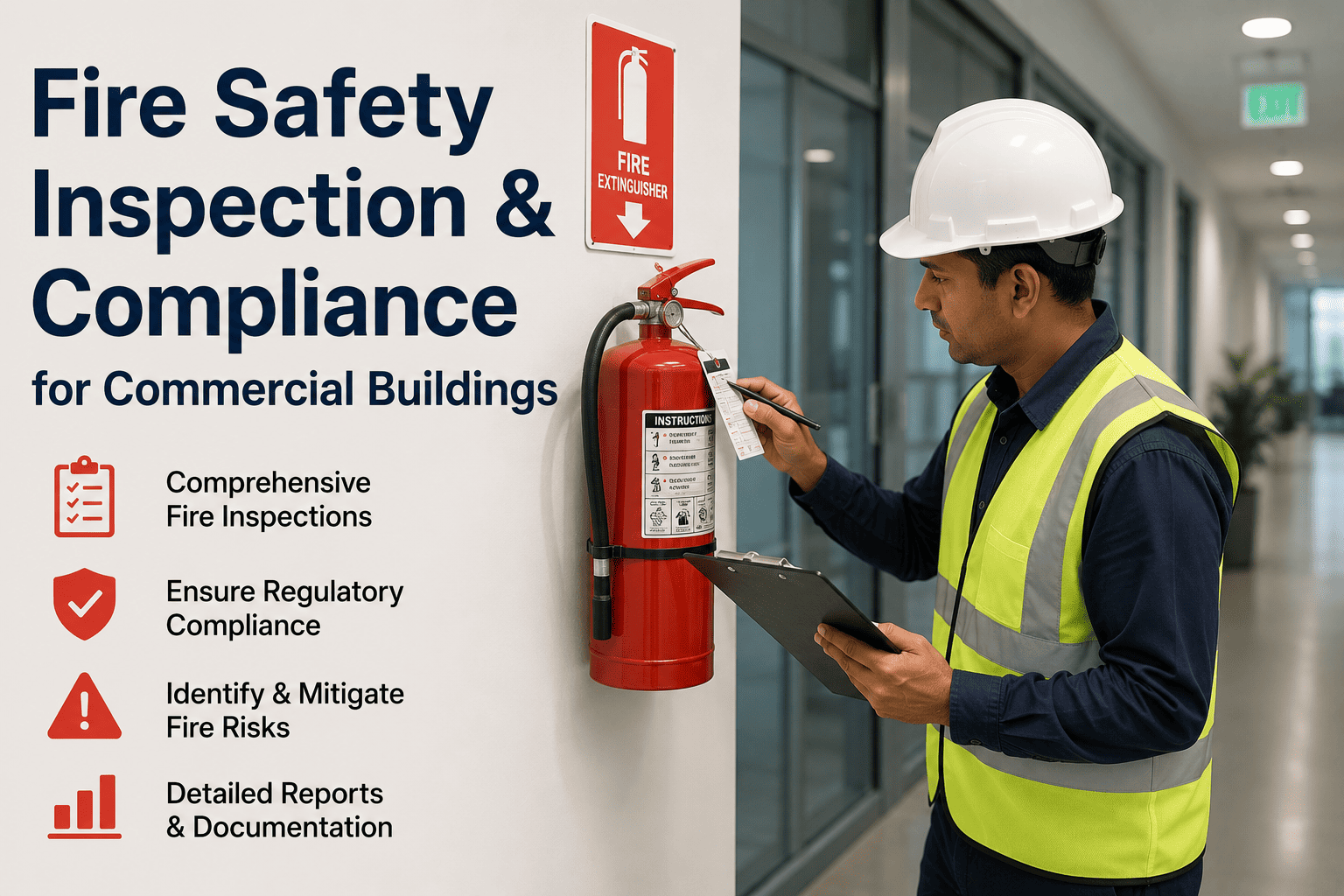
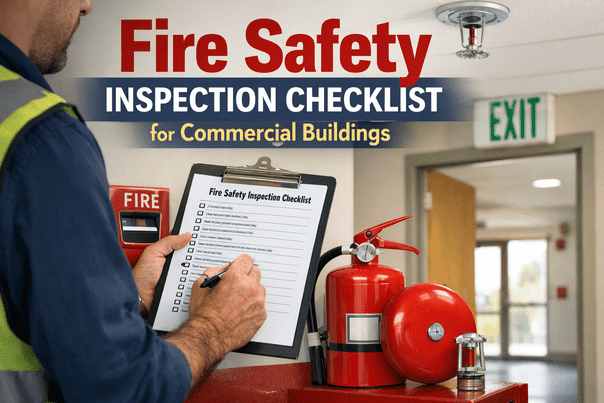
Plumbing, HVAC, and Fire Safety Checklist
These three systems protect occupant health, comfort, and safety. Plumbing failures cause water damage and mold; HVAC neglect raises energy costs 20-30% annually; and fire safety gaps put lives at risk. This combined checklist covers the essentials for each system in a single walkthrough.
Go Digital
Turn this checklist into automated work orders
Oxmaint converts every item above into trackable, assignable, mobile-ready inspection work orders — with photo capture, completion timestamps, and audit trails built in.
Inspection Frequency by Building Type
Different building types and systems require different inspection intervals. Always follow the stricter of the two — local code requirement or best practice — to stay ahead of problems and maintain compliance. Use Oxmaint's preventive scheduling to automate every interval below.
Commercial
Annually
minimum
Quarterly
Best practice: quarterly walkthroughs + annual full audit
Residential
Every 10 yrs
minimum
3-5 years
More frequent for pre-1970 buildings or sale events
High-Rise
Every 5 yrs
structural
Annual
Milestone inspections required at 25-30 years in many states
Fire Safety
Annually
minimum
Monthly
Monthly spot-checks for detectors, extinguishers, and exits
Roof
Annually
plus
Post-Storm
Always inspect after hail, high wind, or heavy snow events
How to Build an Inspection Program with CMMS
A checklist on paper is a start — but it does not scale. When you are managing multiple buildings across locations, a CMMS like Oxmaint turns your inspection checklist into an automated, accountable maintenance system. Here is how to set it up.
1
Register Every Building as an Asset
Enter each building into Oxmaint with its address, type, age, square footage, and system inventory. Attach floor plans, previous inspection reports, and compliance documents directly to the asset profile.
2
Create Inspection Templates by System
Build separate checklist templates for exterior, roof, electrical, plumbing, HVAC, and fire safety. Customize each with pass/fail fields, measurement inputs, and required photo documentation.
3
Set Recurring Schedules and Assign Inspectors
Configure auto-recurring work orders based on calendar intervals or compliance deadlines. Assign qualified inspectors and set mobile push notification reminders before each due date.
4
Execute, Document, and Resolve
Inspectors complete checklists on their phone, add photos and notes, flag issues by severity, and auto-generate corrective work orders — all from the field.
Sign up for Oxmaint to start today.
Your Buildings Deserve a Better Inspection System
Paper checklists get lost. Spreadsheets fall behind. Oxmaint gives your facility team automated inspection scheduling, mobile digital checklists, real-time photo documentation, instant work order creation, and a complete audit trail for every building you manage — starting in minutes, not months.
Frequently Asked Questions
What should a building inspection checklist include?
A comprehensive building inspection checklist should cover eight core areas: structural integrity (foundation, load-bearing walls, floors), roof and building envelope (membrane, flashing, drainage), electrical systems (panel, wiring, outlets, grounding), plumbing and water systems (pipes, pressure, water heater), HVAC and air quality (system condition, ductwork, ventilation), fire and life safety (detectors, sprinklers, exits), exterior and site conditions (siding, windows, grading), and code compliance documentation (permits, ADA, occupancy certificates). Each area should include specific checkpoint items, condition ratings, and photo documentation requirements.
Sign up for Oxmaint to digitize and automate this entire checklist.
How often should commercial buildings be inspected?
Commercial properties typically require annual full inspections at minimum, with quarterly walkthroughs as best practice. High-rise buildings should be inspected every five years for structural and electrical systems, with annual reviews for fire safety. Specific systems like fire safety equipment, HVAC, and electrical panels should all receive at least annual attention. Many states have increased requirements — for example, Florida mandates milestone inspections for buildings reaching 25-30 years of age. Insurance carriers may also require more frequent inspections for older properties.
What are the most common issues found during building inspections?
Electrical problems — including missing GFCI outlets, improper wiring, and outdated panels — appear in 60-70% of inspections, making them the single most frequent finding. Roof issues such as missing shingles and poor drainage affect roughly 19.7% of inspected properties. Window and door defects involving poor sealing show up in about 18.4% of inspections. Foundation problems, while less common, are among the most expensive to repair at an average of $5,165 per incident.
How does a CMMS improve building inspection processes?
A CMMS transforms building inspections from inconsistent manual processes into standardized, trackable digital workflows. Key improvements include standardized checklists that ensure every inspector covers every required item, automated scheduling that triggers inspections based on time intervals or compliance deadlines, mobile execution with real-time photo documentation, automatic work order generation when critical issues are flagged, and compliance reporting that generates audit-ready documentation instantly.
Book a demo to see Oxmaint's inspection management in action.
Is this building inspection checklist free to use?
Absolutely — this checklist is free to reference, print, and implement at your facility. For an even better experience,
sign up for Oxmaint to convert these inspection items into digital, mobile-ready work orders with automated scheduling, inspector assignment, photo capture, severity flagging, and full audit trail capabilities.
document.addEventListener('DOMContentLoaded', function() {
var radios = document.querySelectorAll('.bi-cl-radios input[type="radio"]');
radios.forEach(function(radio) {
radio.addEventListener('change', function() {
var row = this.closest('.bi-cl-row');
row.classList.remove('bi-row-pass', 'bi-row-fail');
if (this.value === 'pass') {
row.classList.add('bi-row-pass');
} else if (this.value === 'fail') {
row.classList.add('bi-row-fail');
}
var section = this.closest('.bi-cl-group');
var sectionName = section.getAttribute('data-section');
var checkedCount = section.querySelectorAll('input[type="radio"]:checked').length;
var counter = document.querySelector('.bi-cl-progress-count[data-section="' + sectionName + '"]');
if (counter) {
counter.textContent = checkedCount;
}
});
});
});




.jpeg)
