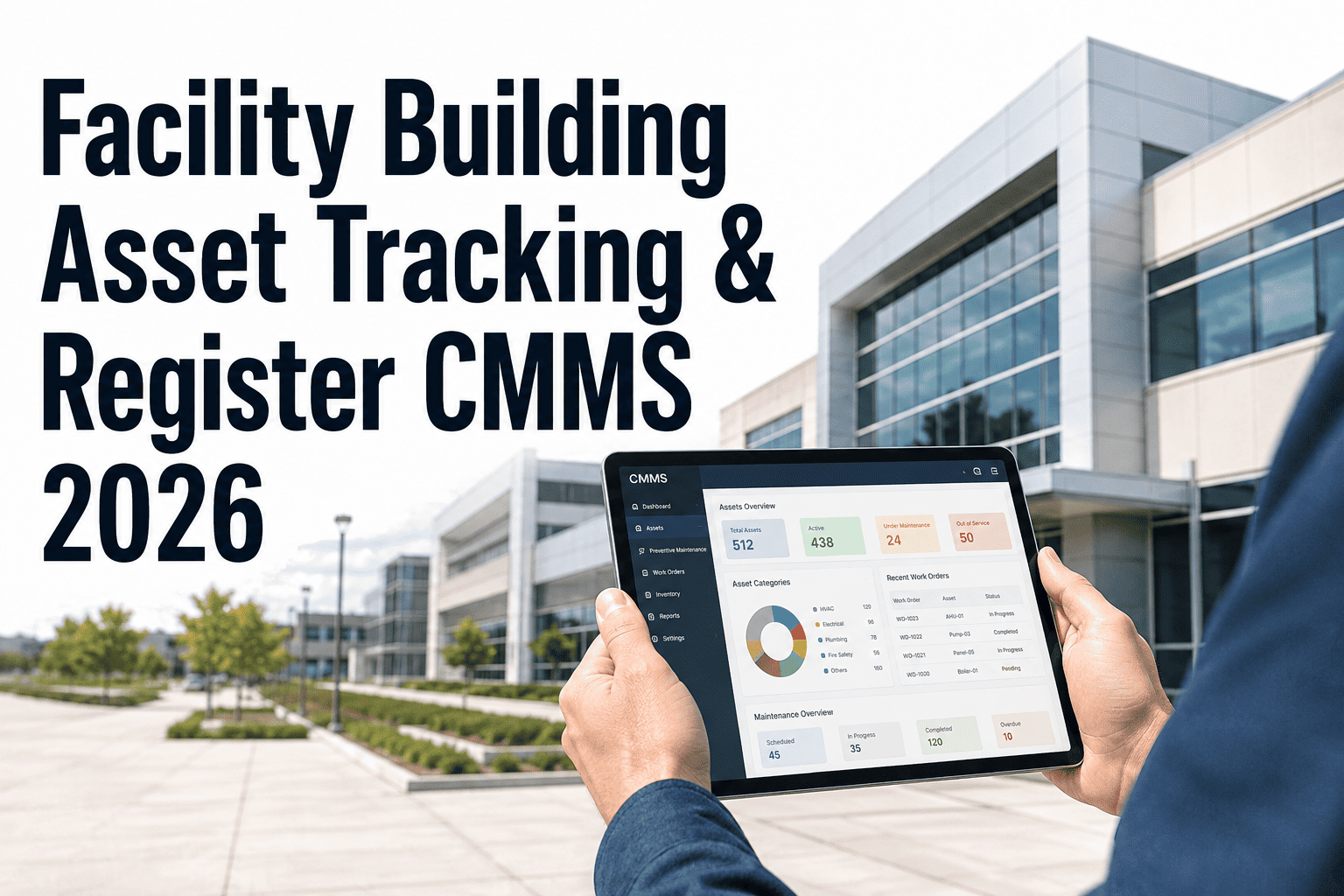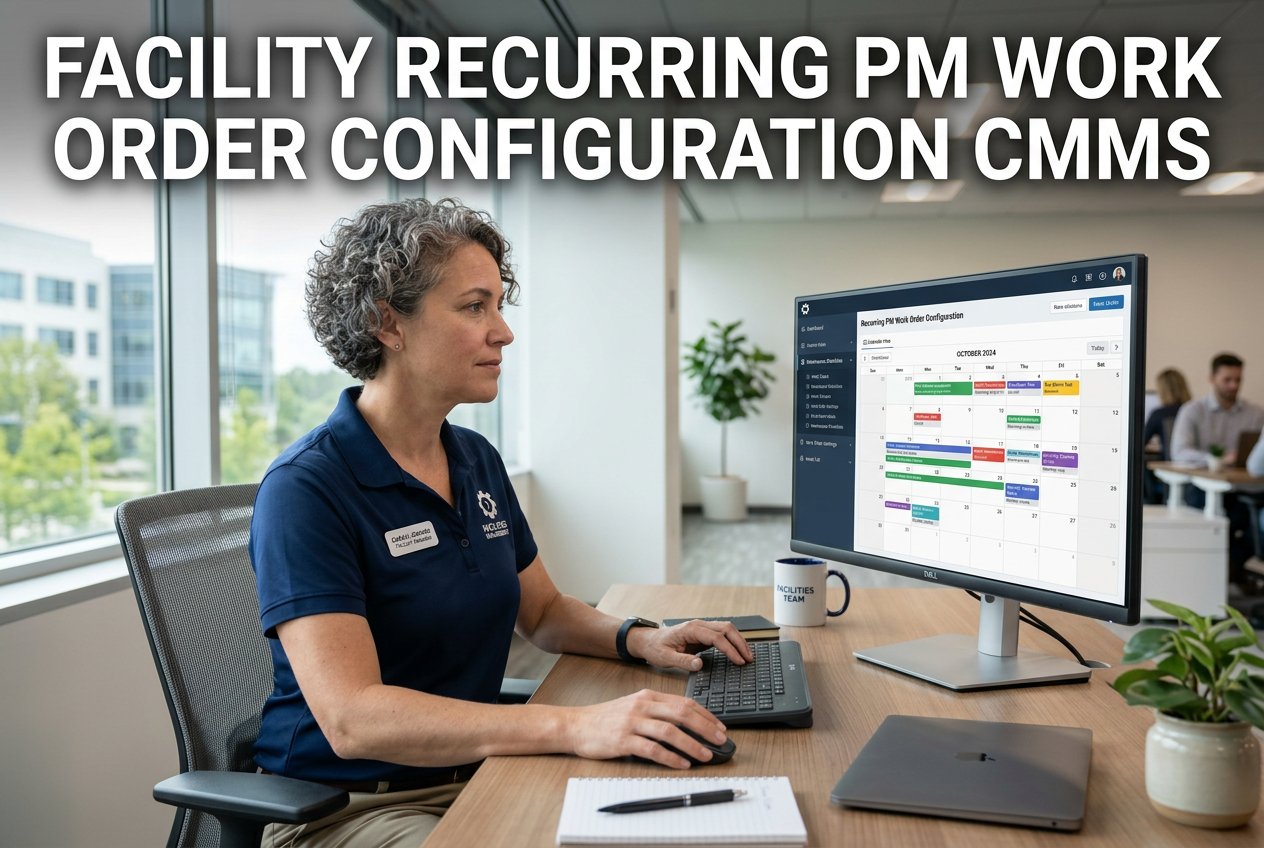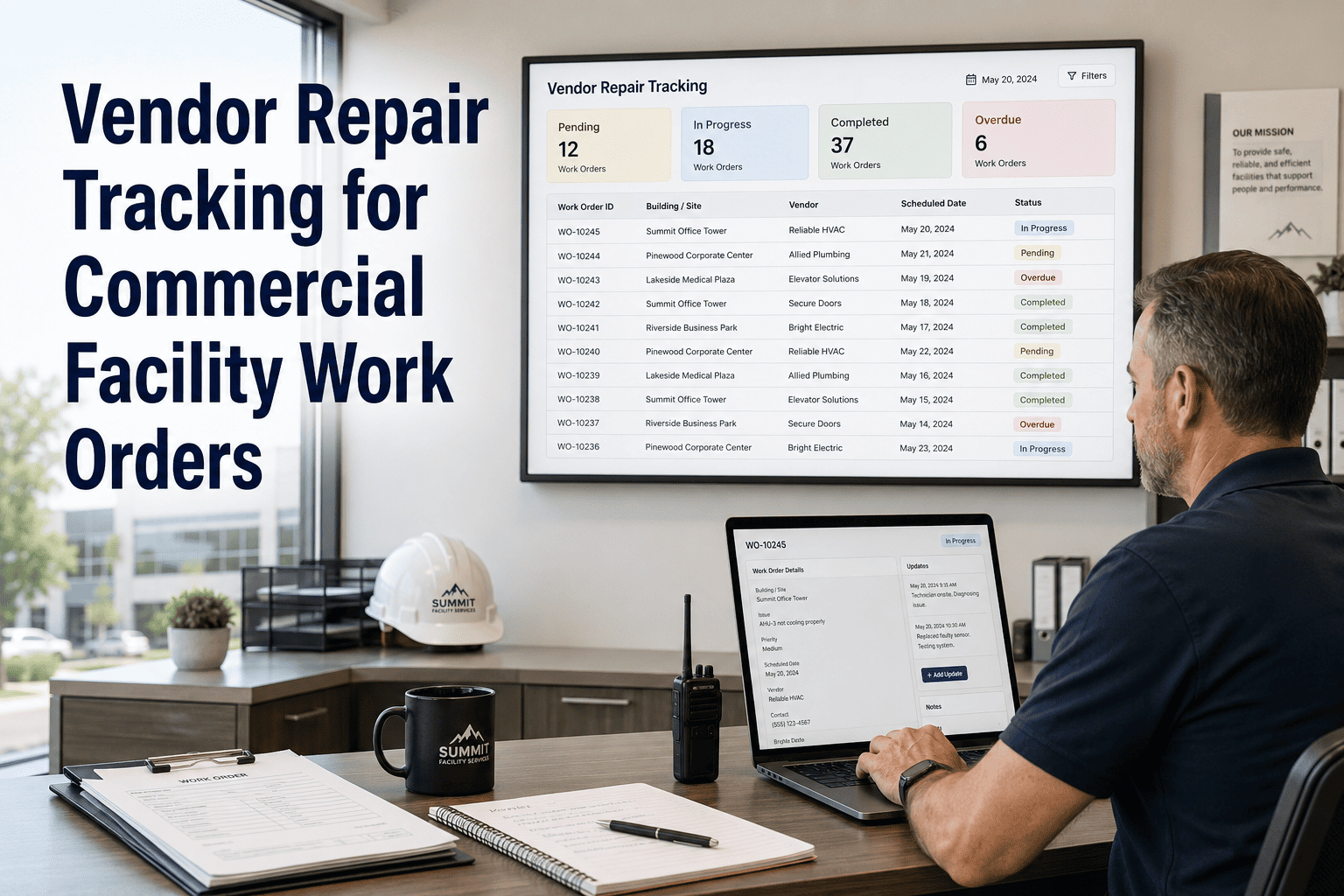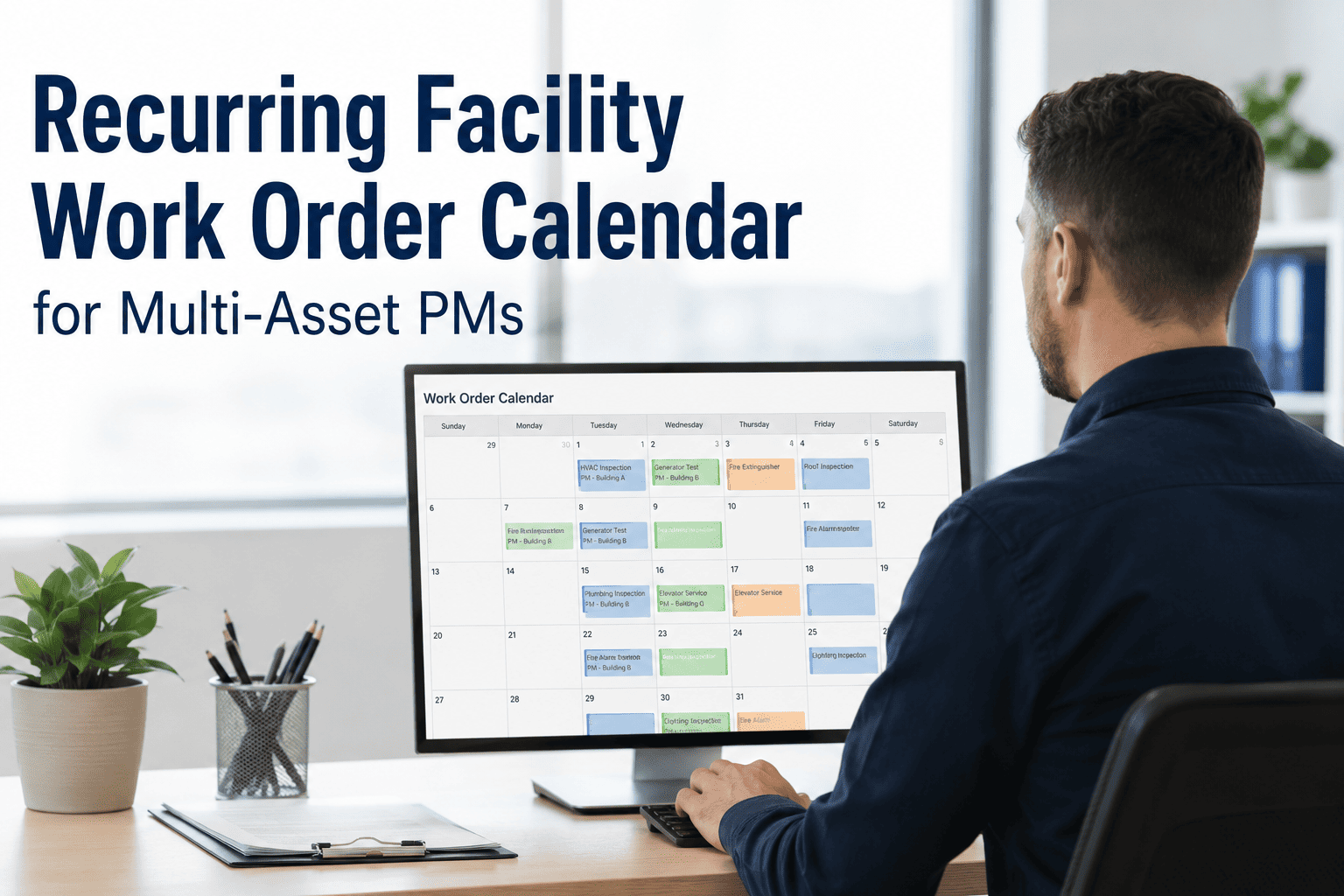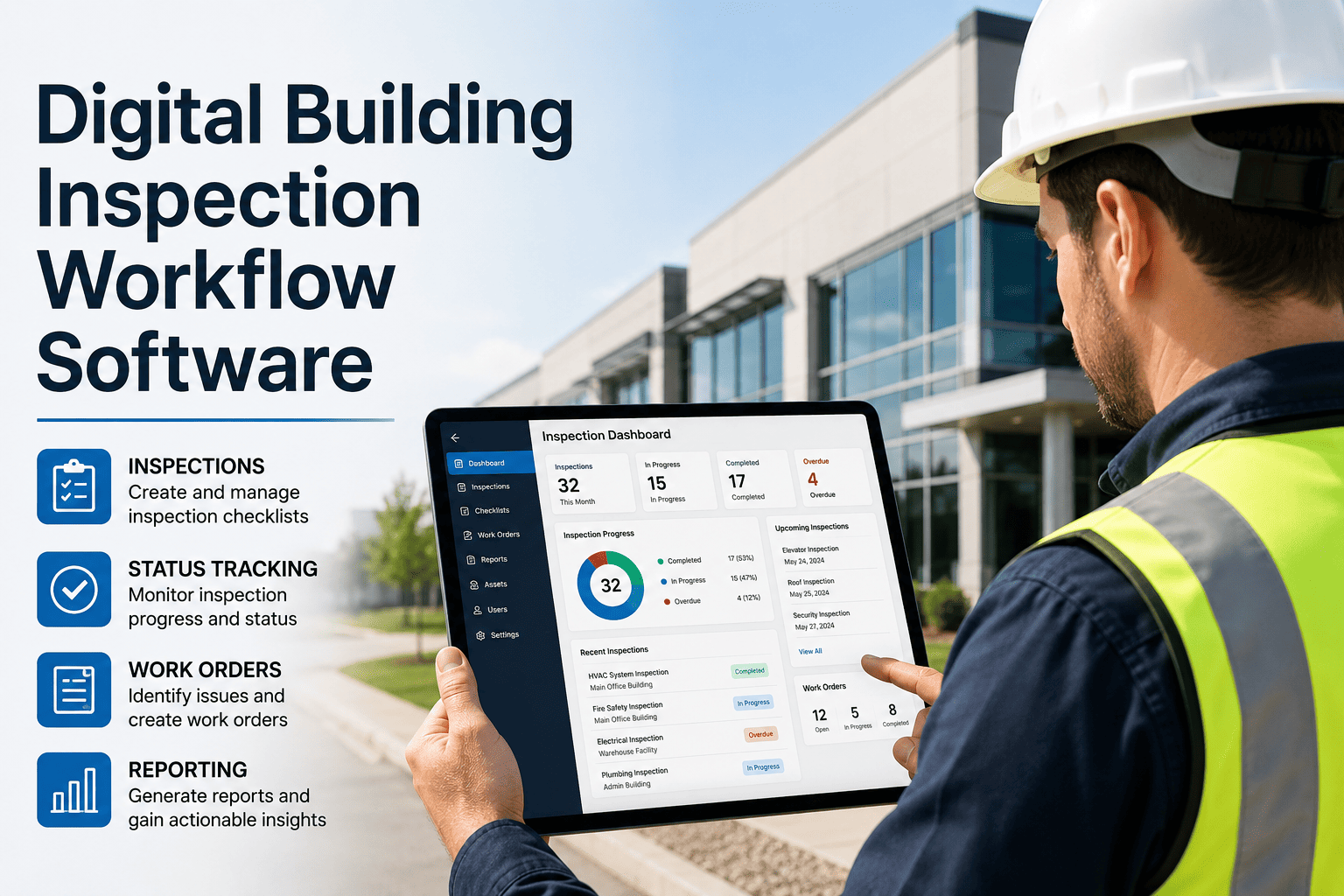
The fastest way to burn out a maintenance team is to treat every asset as equally important — putting the rooftop chiller and the breakroom microwave on the same monthly cycle until the calendar is full and the genuinely critical equipment still gets only a fraction of the attention it needs. Criticality-based preventive maintenance fixes that by scoring each asset on how badly its failure would hurt, then matching PM frequency to that score: heavy, condition-monitored coverage for the assets that cause safety or shutdown risk, and lighter, run-to-failure handling for the ones that simply do not. The result is fewer emergencies, lower cost, and a workload your team can actually sustain. This checklist builds that schedule tier by tier, and shows how OxMaint Preventive Maintenance auto-generates the right recurring work order for each asset. Book a demo to see your assets tiered and scheduled.
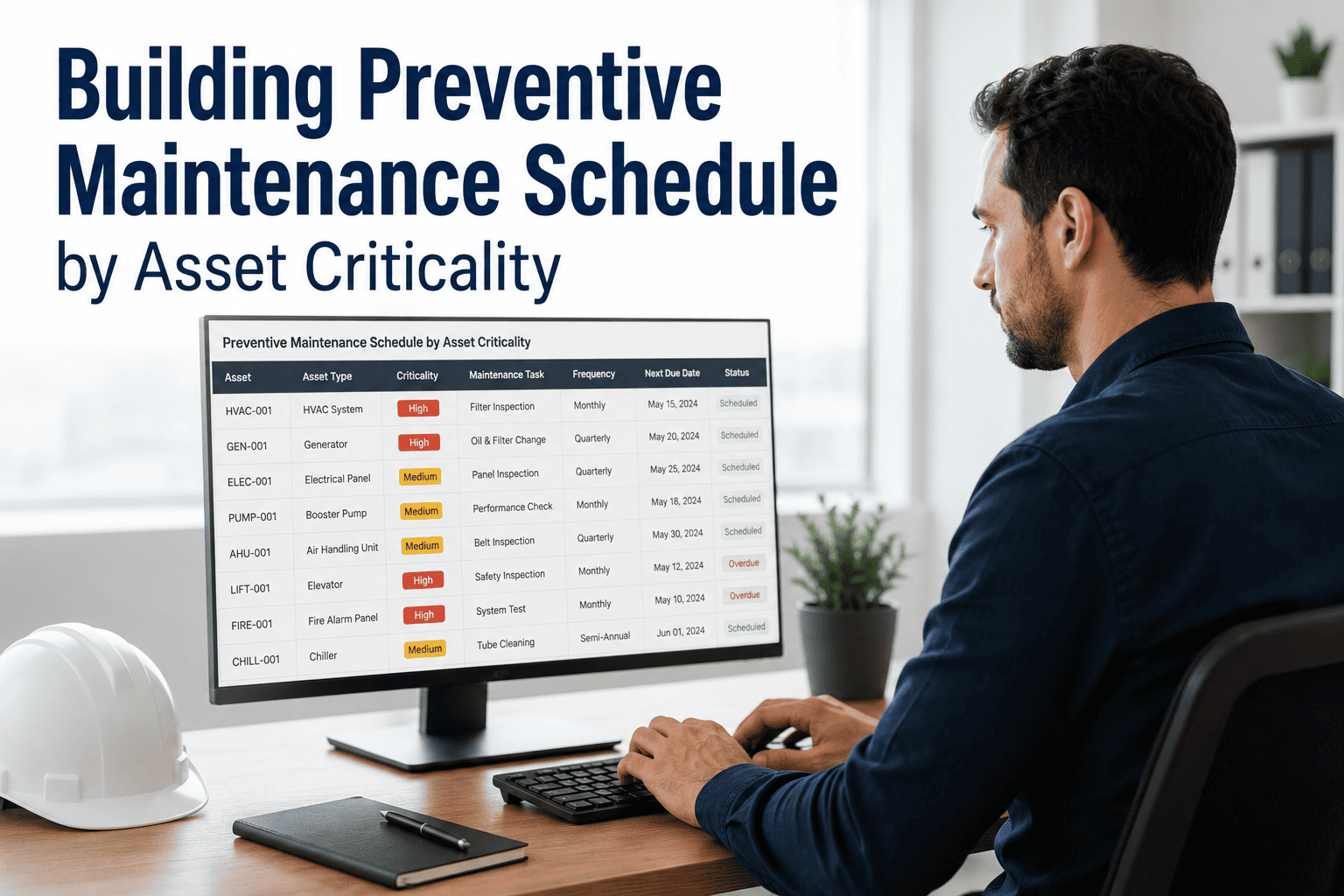
Building Preventive Maintenance Schedule by Asset Criticality
Create criticality-based PM schedules that protect your highest-risk facility assets without burying the team in low-value work — every tier matched to the right frequency, strategy, and recurring work order.
Rank Every Asset Before You Schedule Anything
Criticality is consequence, not age. Score each asset on how likely it is to fail and how badly that failure would hurt — then let the combined score place it in a tier that decides its entire maintenance strategy.
Score consequence across five dimensions — safety, operations, repair cost, regulatory exposure, and whether a redundant backup exists. The bands below turn the score into a tier and a strategy.
| Score | Tier | Strategy | PM Cadence |
|---|---|---|---|
| 20–25 | Tier 1 — Critical | Preventive + condition monitoring + spares | Frequent, never deferred |
| 12–19 | Tier 2 — Essential | Scheduled PM + spare-parts coverage | Monthly to quarterly |
| 6–11 | Tier 3 — Standard | Calendar PM; corrective acceptable | Quarterly to annual |
| 1–5 | Tier 4 — Non-critical | Run-to-failure with basic inspection | Inspect only / as needed |
The Checklist, Tier by Tier
Work down from the assets that can hurt you most. Check each task, set its frequency, and let the schedule concentrate effort where consequence is highest — not where the calendar happens to have room.
OxMaint scores each asset, assigns it a tier, and auto-generates the right recurring work order at the right frequency — so your fire and elevator PMs never slip while your team stops pouring hours into equipment that does not need them.
Where Your PM Hours Should Actually Go
A criticality schedule is as much about what you stop doing as what you start. Over-maintaining trivial assets steals the hours your critical equipment needs — so effort should taper sharply down the tiers.
Run-to-failure on Tier 4 is a deliberate, cost-optimal strategy — not neglect. It frees the capacity that keeps Tier 1 compliance high.
Compliance Targets by Building System
Once tiered, hold these completion-rate benchmarks. PM compliance below them is the earliest signal that reactive work is winning back the schedule.
What Reliability Professionals Say
When every asset sits on the same thirty-day cycle, the chiller gets the same attention as the breakroom unit — and that is exactly how a bearing failure turns into a six-figure weekend. Score by consequence of failure, not by age or by who shouts loudest. The top twenty percent of assets drive the overwhelming majority of your downtime; fund those first and the rest of the program gets easier.
Reliability Engineer · 20 Years Facility & Plant MaintenanceThe goal was never more preventive maintenance — it was right-sized maintenance. Over-maintaining the trivial is how good teams end up too busy to protect what matters. Putting Tier 4 assets on run-to-failure is a strategy, not laziness; it is the only way to give your fire systems and your elevators the compliance rate they actually require without hiring three more technicians.
Facilities Director · 18 Years Commercial PortfoliosFrequently Asked Questions
How do I actually score an asset's criticality?
Multiply probability of failure by consequence of failure, each rated one to five, and assess consequence across safety, operations, repair cost, regulatory exposure, and whether a redundant backup exists. The combined one-to-twenty-five score drops the asset into a tier that sets its strategy. Senior technicians often know which assets are "the important ones" — scoring simply documents that knowledge so it survives a retirement. Book a demo to see automated criticality scoring.
Doesn't criticality-based scheduling mean ignoring some assets?
No — putting low-consequence assets on run-to-failure is a deliberate, cost-optimal choice, not neglect. When a failure causes only minor disruption and a workaround exists, scheduled PM costs more than it saves. The point is to move effort toward assets where failure means safety risk or shutdown, not to abandon anything. Start free to set tier-based strategies per asset.
How does this stop my team from being overloaded?
By concentrating PM hours on the roughly twenty percent of assets that drive most downtime and right-sizing or removing frequency on the rest, you stop spending labor on equipment that does not reward it. Teams that treat every asset equally end up too busy to protect the critical few — tiering breaks that trap. The schedule becomes something the crew can sustain week after week. Book a demo to balance your PM load.
What PM compliance rate should I be aiming for?
Around 95% overall is the threshold for the full cost and lifespan benefits of preventive maintenance, with the highest tiers held even higher — fire and life safety near 96% and elevators near 92%. Compliance drifting below these targets is the earliest warning that reactive work is reclaiming the schedule. Track it by tier, not just as one portfolio number. Start free to track compliance by tier.
How often should I re-score asset criticality?
Review the full register at least annually, and update high-consequence or rapidly deteriorating assets more often — monthly where condition-monitoring data shows the probability of failure climbing. Criticality is not static: an aging asset, a new tenant use, or a lost redundancy can move an asset up a tier. Re-scoring keeps the schedule aligned with real risk. Book a demo to automate criticality reviews.
Protect the Critical Few — and Give Your Team a Schedule They Can Keep
OxMaint scores every building asset, tiers it by consequence of failure, and auto-schedules the right PM at the right frequency — so high-risk equipment never slips and your crew stops drowning in low-value work.