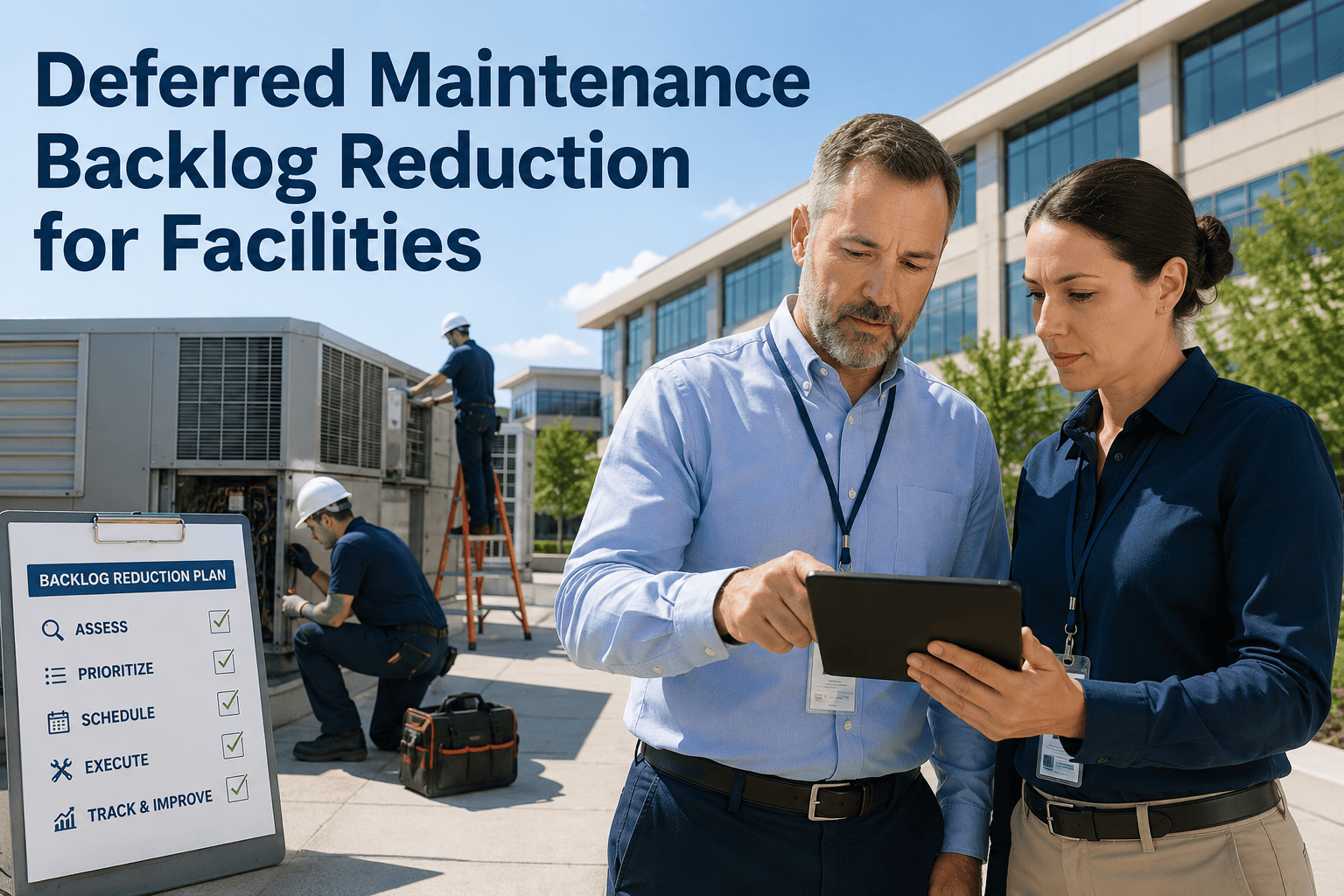
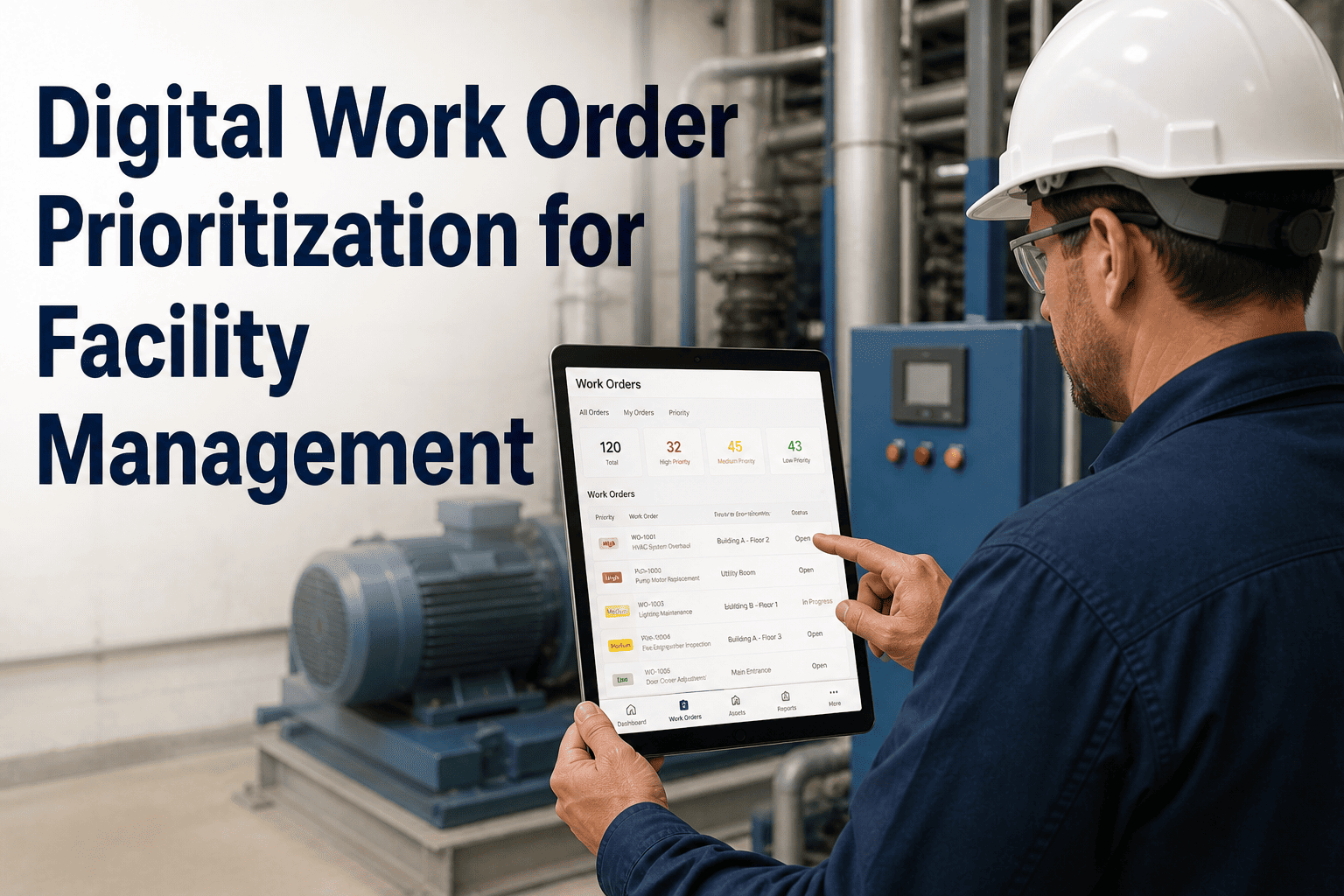
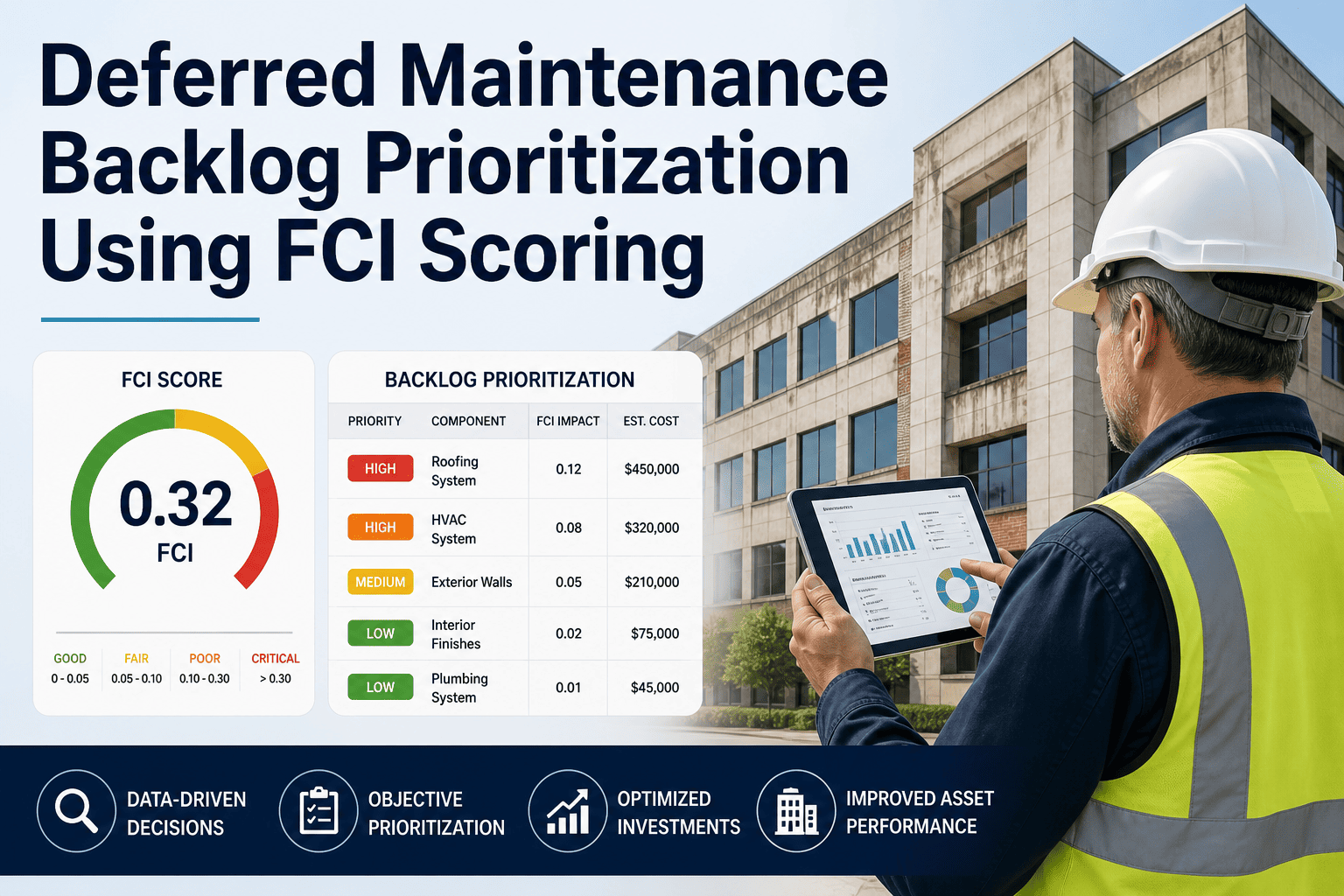
A growing deferred maintenance backlog is one of the clearest warning signs that a facility operation is losing control — and the longer it grows, the more expensive it becomes to unwind. Research from the American Institute of Architects estimates that every dollar of deferred maintenance generates four to five dollars in future repair costs if left unaddressed. Oxmaint's AI-driven prioritization engine helps facility teams systematically reduce backlogs by ranking deferred work by risk, cost consequence, and scheduling feasibility — turning an overwhelming list into an executable weekly plan. If your backlog is growing faster than your team can clear it, book a 30-minute backlog analysis session to build your reduction roadmap.
Backlog Reduction Intelligence
Your Maintenance Backlog Is Costing You More Every Week You Wait
Prioritize, schedule, and systematically eliminate deferred maintenance — before it becomes a capital emergency.
Facilities with growing backlog
73%
Backlog cleared within 90 days (Oxmaint users)
61%
Backlog items with no risk classification
82%
Why Maintenance Backlogs Keep Growing
Most teams know their backlog is a problem. What they lack is a system to stop it from compounding. These three root causes drive backlog growth in almost every facility operation.
01
No Priority Order
When every work order looks equally urgent, technicians tackle the easiest ones first — not the most critical. Low-risk items get closed while high-consequence deferred work ages further.
02
Reactive Work Crowds Out Planned Work
Every emergency callout consumes schedule capacity that was supposed to go toward backlog reduction. Without AI scheduling, the reactive-vs-planned ratio never improves.
03
No Visibility Across the Full Backlog
Teams managing backlog in spreadsheets have no real-time view of total deferred work, its aging, or its risk profile. What can't be measured can't be managed — or reduced.
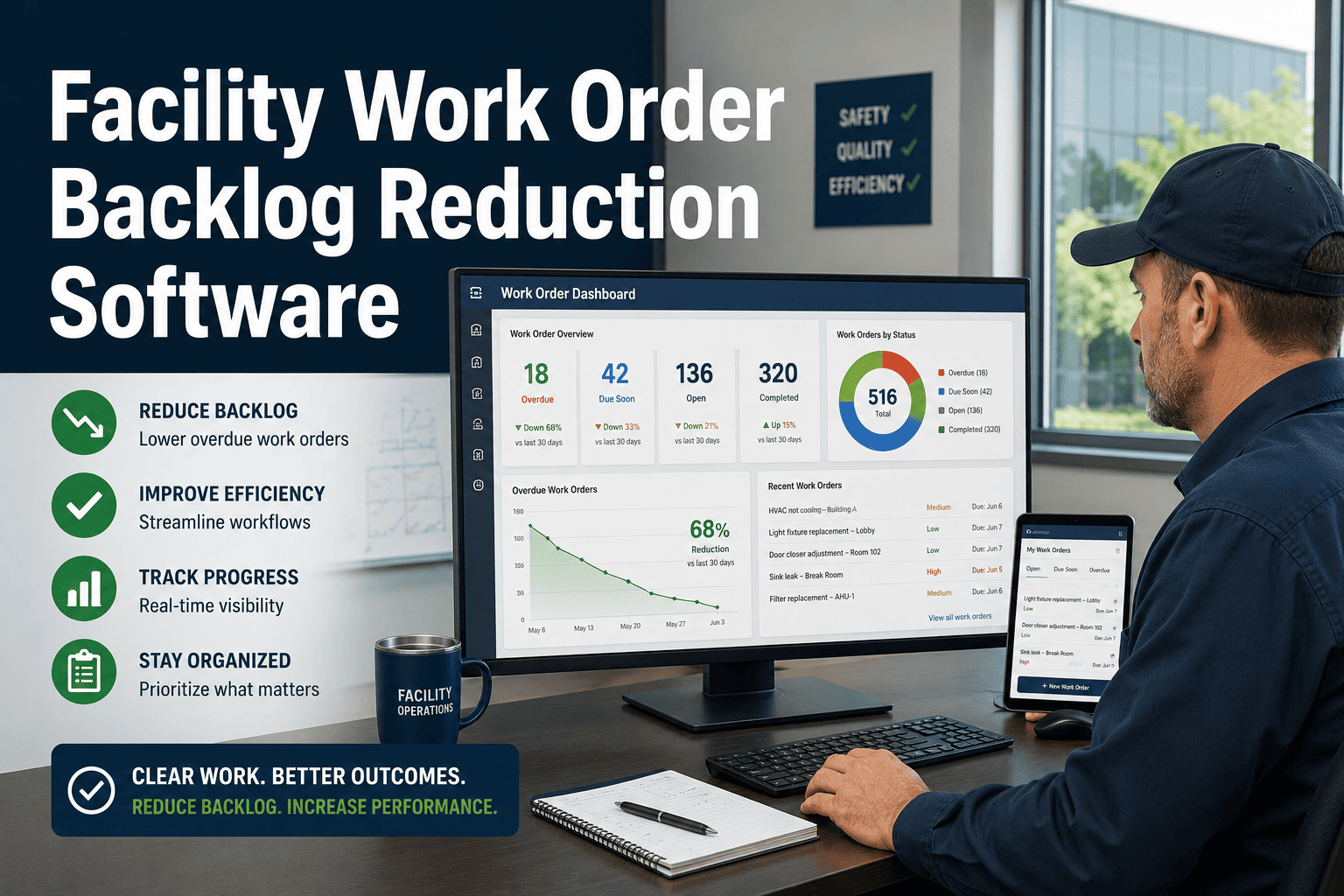
Stop adding to a backlog you can't see clearly. Oxmaint's dashboard gives you a live, risk-ranked view of every deferred work item — across every site — from day one.
Oxmaint's 4-Phase Backlog Reduction Framework
A structured approach to backlog reduction — from risk classification through full clearance — built into the platform from day one.
AI assigns each deferred work item a risk score, consequence severity, and asset criticality rating. The full backlog becomes ranked — not a flat list.
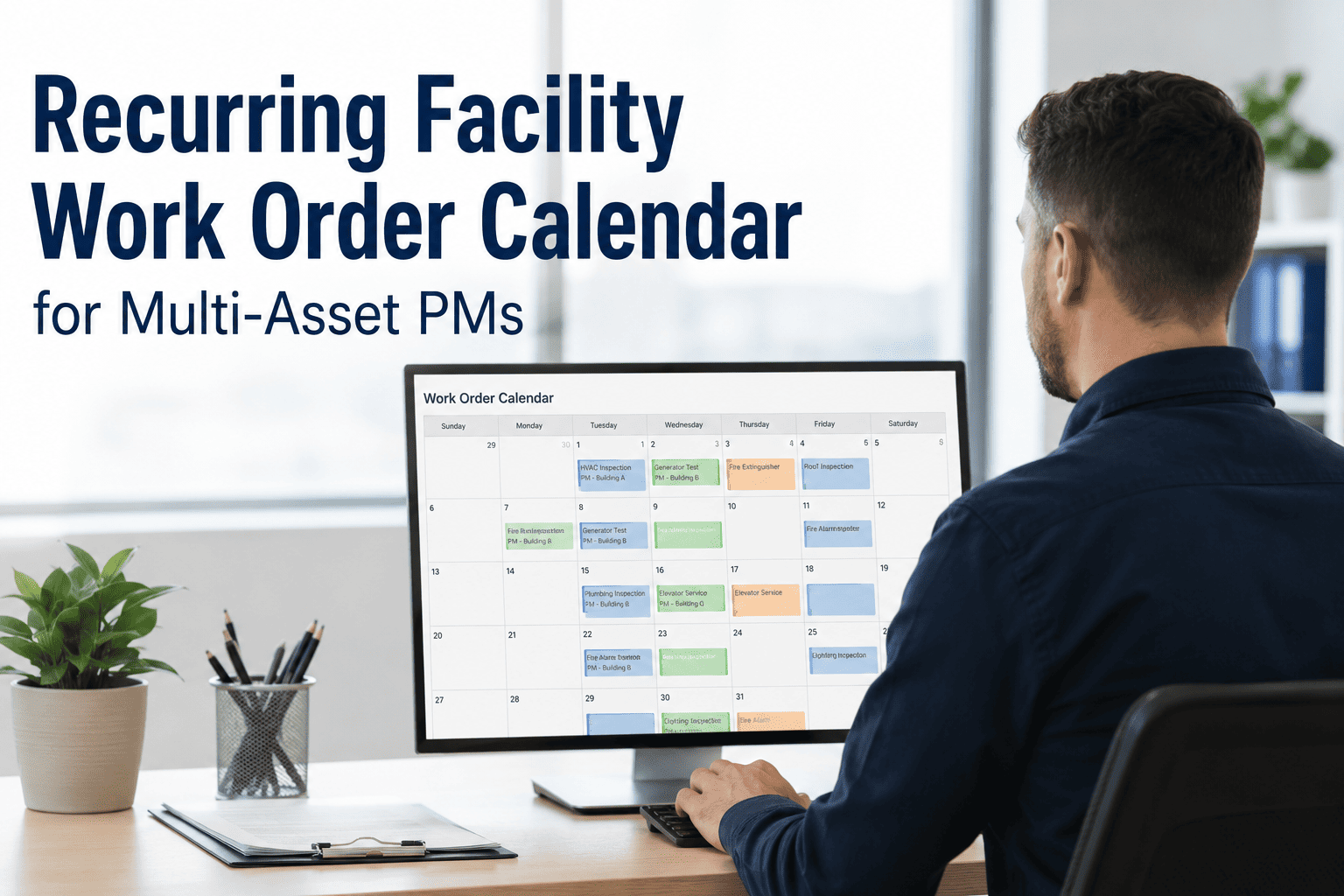
Top-risk items are auto-scheduled into the next available maintenance windows based on technician capacity, parts availability, and regulatory deadline requirements.
Every deferred item shows its age, escalation status, and deadline proximity. Items approaching compliance thresholds auto-escalate to management before they become violations.
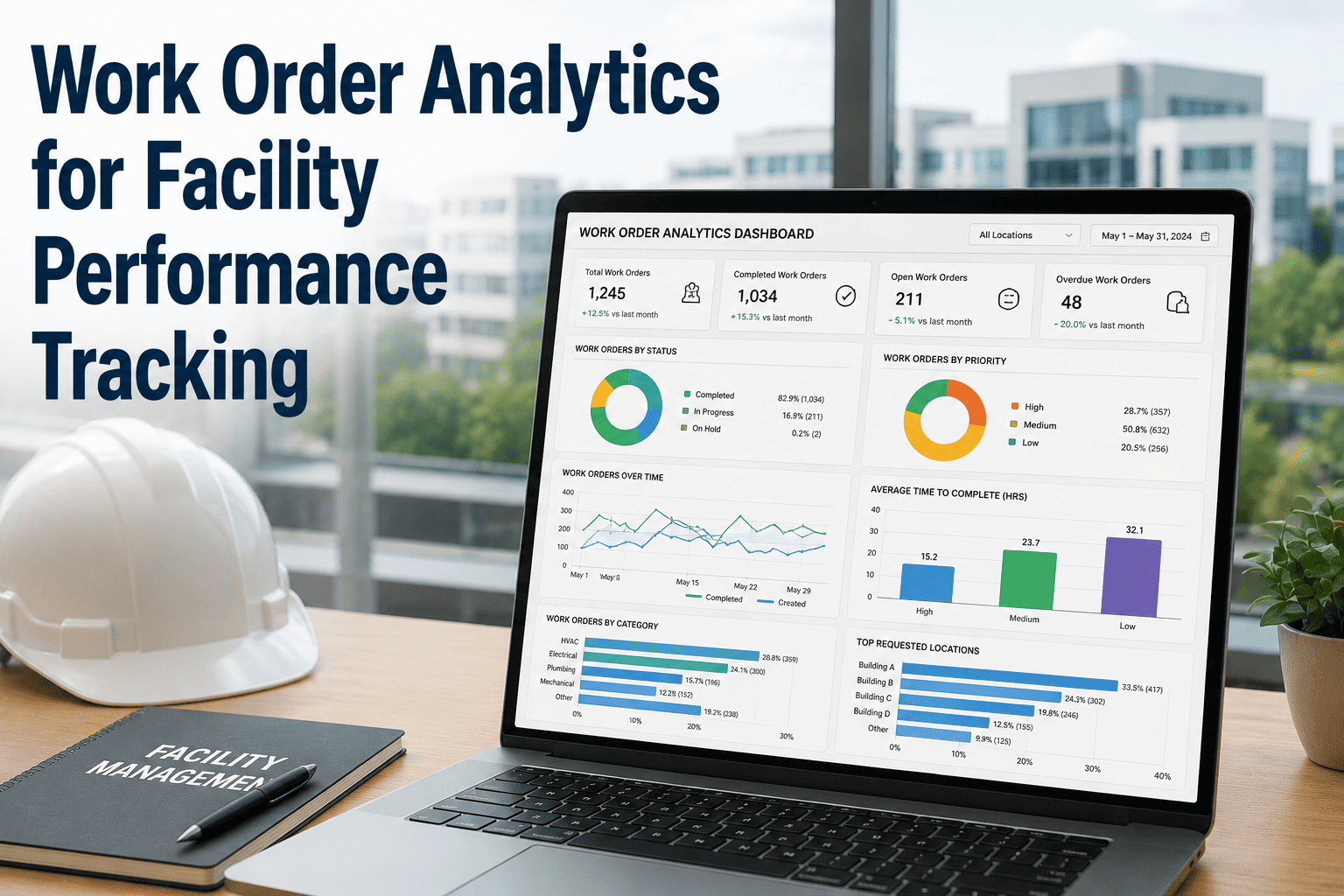
Weekly backlog reduction reports show total items closed, risk score improvement, and estimated cost avoidance — giving leadership the evidence they need to sustain resource allocation.
Backlog Reduction Benchmarks: With and Without AI
| Metric |
Industry Average (No AI) |
Oxmaint AI Users |
| Backlog items cleared per month |
8–12% |
22–35% |
| High-risk items identified and scheduled |
Manual, delayed |
Auto-flagged within 24 hrs |
| Backlog visibility (real-time) |
Weekly spreadsheet update |
Live dashboard, all sites |
| Compliance escalation |
Reactive (after violation) |
Predictive (before deadline) |
| Cost of backlog per deferred item |
Grows 4–5x if unaddressed |
Contained by risk scheduling |
"
Deferred maintenance backlogs are a financial liability that compounds silently. The facilities that reduce backlog fastest are not those with the most resources — they're the ones with the best prioritization data. AI risk scoring transforms a flat work queue into a triage system, and that single change drives the most meaningful reduction in total backlog cost.
Michael T. Harrington, PE
Licensed Professional Engineer, BOMI-certified RPA — former VP of Facilities Operations, Fortune 500 Healthcare Network
Frequently Asked Questions
How does Oxmaint prioritize a deferred maintenance backlog?
Oxmaint scores each deferred item across three dimensions: risk of failure consequence, asset criticality to operations, and regulatory or compliance deadline proximity. Items are ranked into a prioritized work queue and auto-scheduled into available maintenance windows. Teams no longer choose what to tackle based on what's easiest — the platform surfaces what's most important.
Start a free trial to import your current backlog and see it scored immediately.
How long does it typically take to reduce a maintenance backlog with Oxmaint?
Most facility teams see measurable backlog reduction within the first 30 days — primarily by eliminating duplicate items, scheduling previously unscheduled high-risk work, and improving technician wrench-time efficiency. A 50% backlog reduction over 90 days is a common outcome for teams that commit to the AI-suggested scheduling.
Book a session to build a 90-day reduction target specific to your current backlog volume.
Can Oxmaint help with compliance-driven deferred maintenance?
Yes. Oxmaint tracks regulatory inspection deadlines, life safety requirements, and code compliance timelines for each deferred work item. Items approaching compliance deadlines receive elevated priority scores and auto-escalation to management — ensuring no regulatory violation occurs due to an overlooked backlog item.
Sign up to configure compliance categories specific to your facility type and jurisdiction.
What reporting does Oxmaint provide to show backlog progress to leadership?
Oxmaint generates weekly and monthly backlog reduction reports showing total items closed, risk score improvement, aging trends, and estimated cost avoidance. Reports can be exported in PDF or shared via dashboard link — giving leadership a consistent, data-backed view of progress without manual preparation.
Book a demo to see a sample leadership backlog report for your facility type.
Turn Your Backlog Into a Cleared Work Queue
Oxmaint AI prioritizes, schedules, and tracks every deferred maintenance item — so your team works through the right things in the right order, every week.