Energy Optimization Software for Sustainable Facilities
By shreen on February 28, 2026
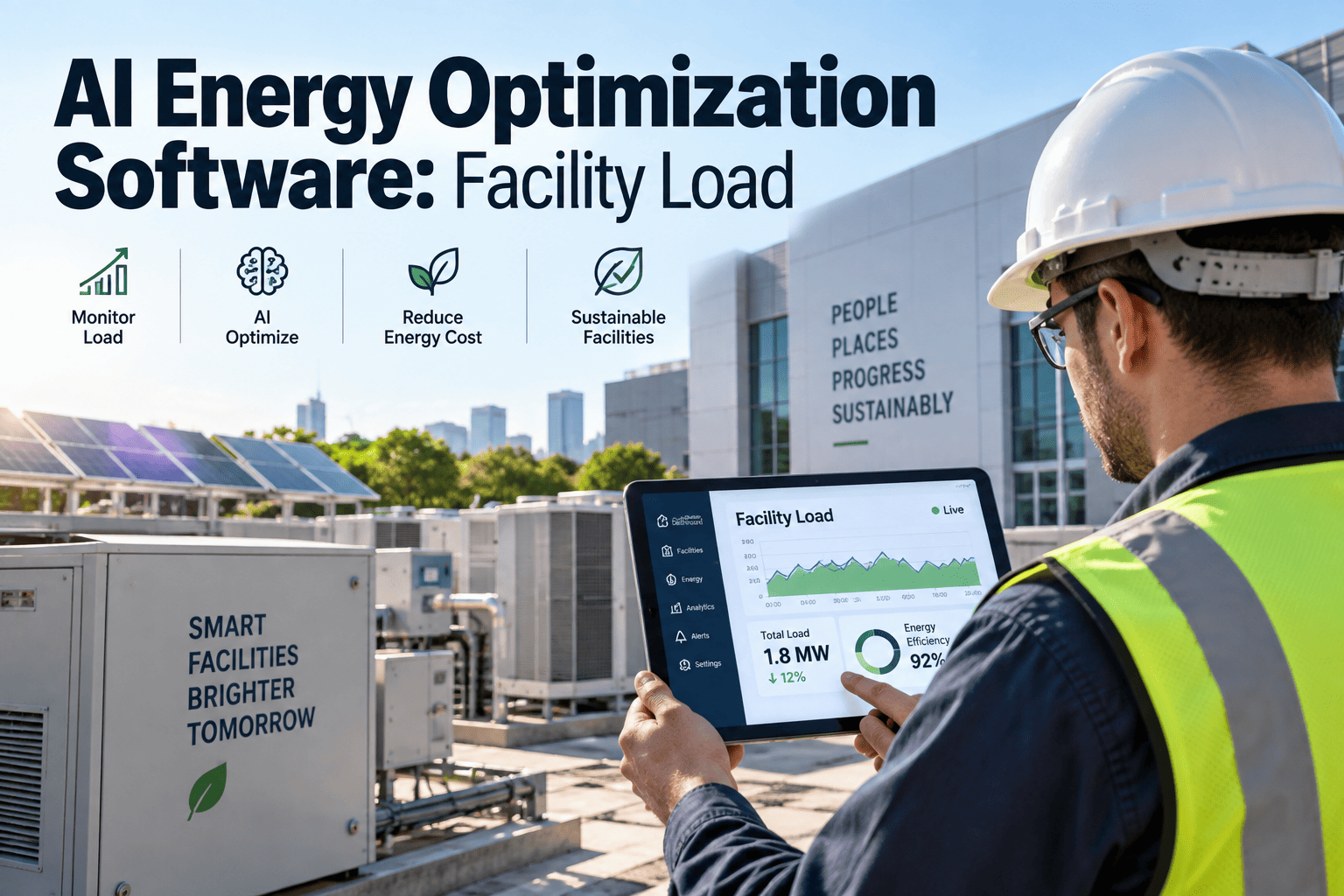
Facility managers across commercial buildings, manufacturing plants, and data centers are losing thousands of dollars each month to invisible energy waste — outdated HVAC schedules running at full capacity in empty wings, lighting systems ignoring daylight availability, and compressed air networks leaking without detection. Energy optimization software eliminates this waste by connecting every meter, sensor, and controller into one intelligent platform that continuously adjusts consumption in real time. Sign up for Oxmaint to unify your energy and maintenance data into a single operational dashboard.
Why Traditional Energy Management Falls Short
Spreadsheet-based energy tracking and quarterly utility reviews catch problems months after they start costing money. Building automation systems operate in silos — HVAC, lighting, and process equipment each running their own schedules with no cross-system intelligence. The result is overlapping demand peaks, wasted baseline loads during off-hours, and maintenance teams chasing comfort complaints instead of preventing energy drift. Facilities that adopt integrated energy optimization through Oxmaint close the gap between energy visibility and maintenance action.
30%
Average energy wasted in commercial buildings due to inefficient controls and deferred maintenance
72hrs
Average delay between an energy anomaly occurring and a maintenance team being notified
$18B
Annual energy spend wasted across U.S. commercial and industrial facilities from correctable inefficiencies
Key Insight
42%
of energy waste in facilities is directly linked to maintenance-deferred equipment — dirty coils, failing dampers, leaking valves, and miscalibrated sensors. Software that connects energy monitoring to maintenance workflows catches these issues at onset, not at failure.
Modern energy optimization platforms go far beyond simple monitoring. They combine real-time analytics, automated controls, and maintenance integration to deliver continuous improvement across your entire facility portfolio.
Real-Time Energy Dashboard
Consolidated view of every energy stream — electricity, gas, water, steam — broken down by building, floor, zone, and individual equipment. Anomaly detection flags deviations within minutes, not months.
Live MonitoringMulti-Utility
Automated Load Scheduling
AI-driven scheduling shifts non-critical loads to off-peak periods, staggers startup sequences to flatten demand peaks, and adjusts HVAC setpoints based on occupancy patterns and weather forecasts.
Peak ShavingDemand Response
Maintenance-Energy Integration
When energy data reveals a chiller running 15% above baseline, a work order generates automatically in your CMMS with diagnostic context. Maintenance teams fix the root cause, not the symptom. Start with Oxmaint to connect energy signals to maintenance action.
Auto Work OrdersCMMS Sync
Carbon and Compliance Reporting
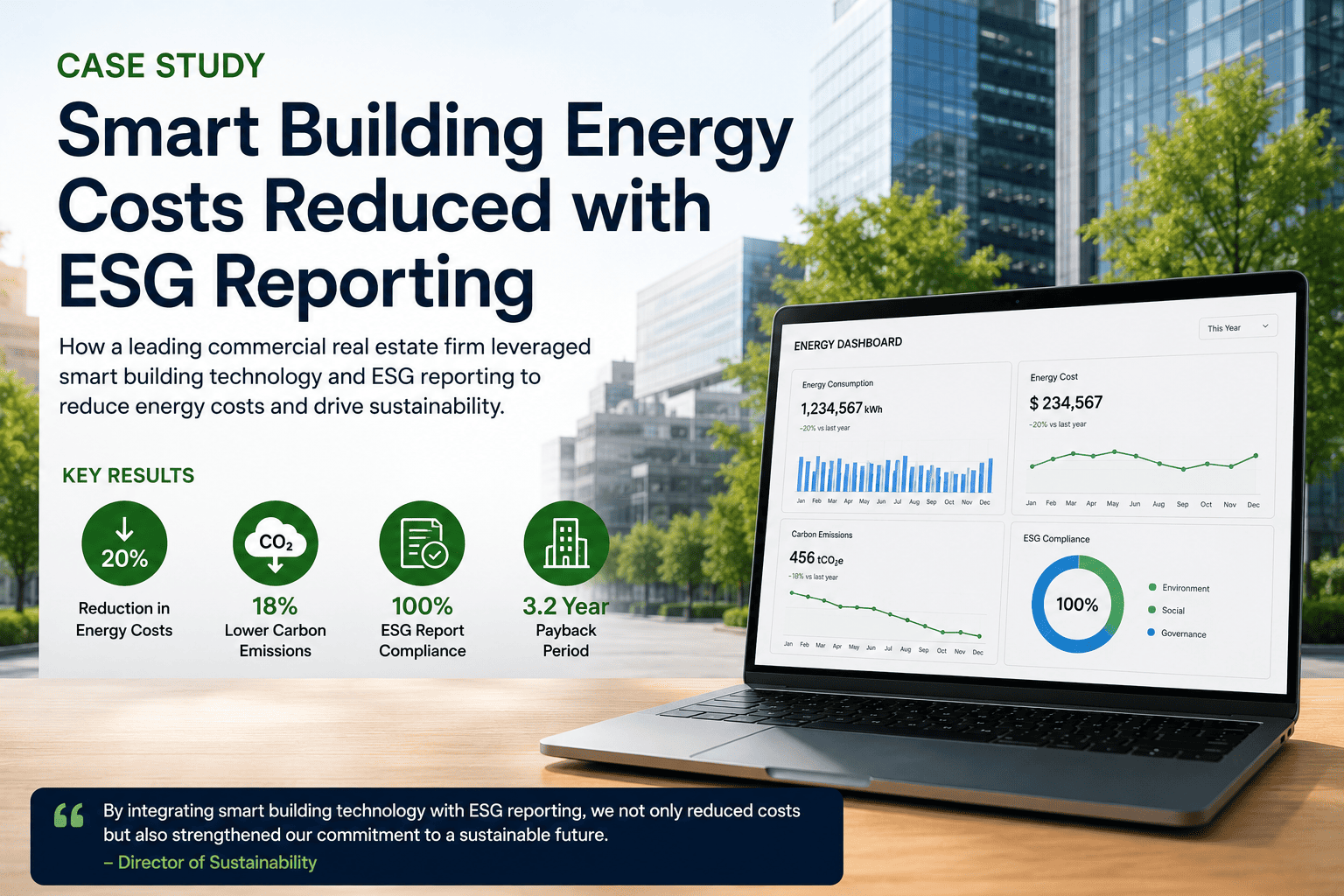
Automated ESG and sustainability reports generated from actual metered data — not estimates. Track Scope 1 and Scope 2 emissions, benchmark against industry standards, and produce audit-ready documentation for regulatory submissions.
ESG TrackingAudit-Ready
See How Your Facility's Energy Data Connects to Maintenance Action
Oxmaint bridges the gap between energy monitoring and maintenance execution — turning consumption anomalies into prioritized work orders with full diagnostic context.
Where Energy Optimization Delivers the Biggest Impact
Every facility has high-waste zones where energy optimization software delivers rapid, measurable returns. These are the systems where intelligent monitoring and automated controls make the greatest difference.
HVC
HVAC Systems
Heating, ventilation, and air conditioning typically accounts for 40-60% of a commercial building's total energy consumption. Optimization targets include occupancy-based setpoint adjustment, economizer control tuning, simultaneous heating-cooling elimination, and variable frequency drive optimization on air handlers and pumps.
What Optimization Detects
Rogue zones running heating and cooling simultaneously — resolved by schedule correction
Fan systems running at full speed during low-occupancy periods — resolved by VFD tuning
LTG
Lighting and Plug Loads
Lighting represents 15-25% of facility energy use. Smart scheduling, daylight harvesting integration, and occupancy-sensor tuning eliminate waste from lights running in unoccupied spaces. Plug load management identifies phantom draws from equipment left powered overnight.
What Optimization Detects
Entire floors lit during weekends and holidays — resolved by schedule override
Daylight sensors miscalibrated, keeping lights at full output near windows — resolved by sensor recalibration work order
CMP
Compressed Air Networks
Compressed air is one of the most expensive utilities in manufacturing — up to 30% of industrial electricity consumption. Leak detection, pressure optimization, and compressor sequencing deliver some of the fastest payback periods in energy management. Book a demo to see how leak detection connects to automated repair scheduling.
What Optimization Detects
System pressure set 15 PSI above actual process requirement — resolved by setpoint adjustment
Multiple compressors running at partial load instead of optimal sequencing — resolved by controller reprogramming
STM
Steam and Boiler Systems
Steam systems in industrial facilities lose 15-25% of generated energy through failed steam traps, insulation gaps, and condensate return failures. Continuous monitoring identifies degradation patterns that periodic manual inspections miss entirely.
What Optimization Detects
Failed-open steam traps venting live steam — resolved by trap replacement work order with location data
Boiler cycling frequency increasing due to scaling buildup — resolved by descaling maintenance ticket
Manual Energy Management vs. Software-Driven Optimization
Manual Approach
Monthly utility bill review catches problems 30-90 days late
BAS, lighting, and process systems managed in separate interfaces
Energy anomalies require manual investigation to identify root cause
Sustainability reports compiled manually from multiple data sources
No connection between energy spikes and maintenance scheduling
Oxmaint Energy + CMMS
Real-time anomaly detection flags issues within minutes of occurrence
Unified dashboard for all energy streams, buildings, and equipment
AI diagnostics pinpoint root cause and generate work orders automatically
Automated ESG and compliance reports generated from live metered data
Every energy deviation triggers a maintenance action with full context
Platform Integration Capabilities
Energy optimization software works best when it talks to everything in your facility — from building automation systems to your maintenance platform. Oxmaint connects these systems so energy intelligence drives maintenance action automatically.
BAS and SCADA Connectivity
Direct integration with BACnet, Modbus, and OPC-UA protocols allows the platform to read sensor data and push optimized setpoints back to building controllers without manual intervention.
BACnetModbus
IoT Sensor Networks
Wireless sub-meters, environmental sensors, and equipment monitors feed granular data into the platform — enabling zone-level analysis that utility meters alone cannot provide.
Sub-MeteringWireless
CMMS Work Order Pipeline
When the energy platform identifies equipment degradation — a chiller losing efficiency, a motor drawing excess current — it pushes a work order into Oxmaint with the diagnostic evidence attached.
Auto-TicketingDiagnostics
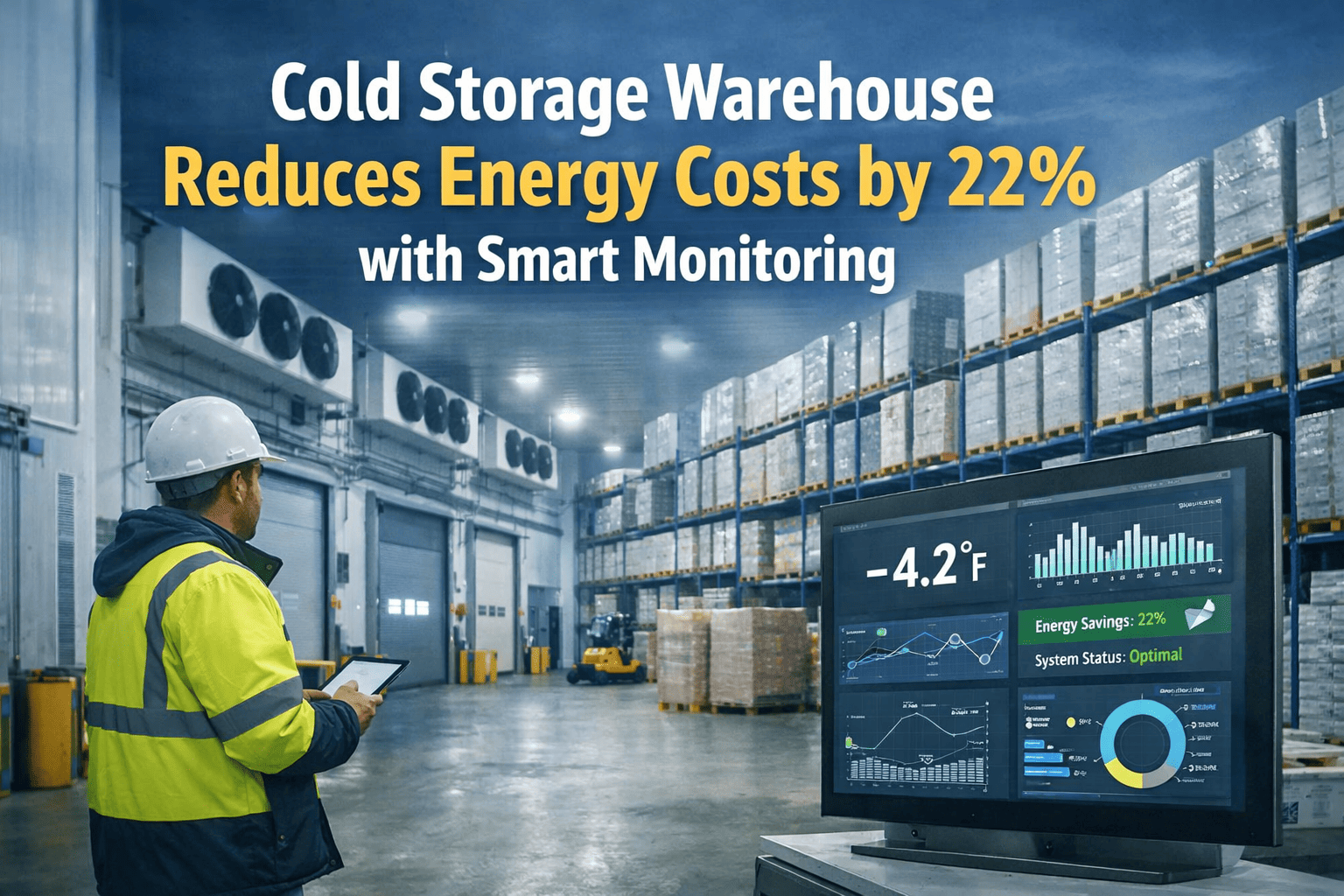
We were spending $40,000 a month more than necessary on energy because nobody could connect the dots between a failing economizer damper and our electricity bill. Within three months of connecting our energy data to the maintenance platform, we identified and fixed issues that cut our consumption by 22%.
Oxmaint connects every energy signal in your facility to the maintenance actions that eliminate waste at the source. Real-time anomaly detection, automated work orders, and continuous asset optimization — all in one platform built for facility teams who need results, not dashboards.
What types of facilities benefit most from energy optimization software?
Any facility with significant energy spend benefits — commercial office buildings, hospitals, manufacturing plants, data centers, universities, and retail portfolios. The highest returns come from facilities with complex HVAC systems, 24/7 operations, or multiple energy-intensive processes running in parallel. Sign up for Oxmaint to assess your facility's optimization potential.
How does energy optimization connect to maintenance management?
When the energy platform detects an anomaly — such as a chiller consuming 20% more electricity than its baseline — it automatically generates a maintenance work order in your CMMS with the relevant sensor data, severity classification, and recommended corrective action. This closes the loop between energy monitoring and the physical repair that eliminates the waste.
What is the typical payback period?
Most facilities see payback within 6-18 months depending on current waste levels and facility complexity. Quick wins — schedule corrections, simultaneous heating-cooling fixes, compressed air leak repairs — often deliver measurable savings within the first 30 days. Book a demo to model projected savings for your facility.
Does this require replacing our existing building automation system?
No. Energy optimization software integrates with your existing BAS, SCADA, and metering infrastructure through standard protocols like BACnet, Modbus, and OPC-UA. The platform layers intelligence on top of your current systems — no rip-and-replace required.
Can the platform handle multi-site facility portfolios?
Yes. Portfolio-level dashboards aggregate energy performance across all sites, enabling cross-facility benchmarking, centralized reporting, and standardized optimization strategies. Individual site teams retain local control while leadership gets portfolio-wide visibility. Sign up to explore multi-site features.