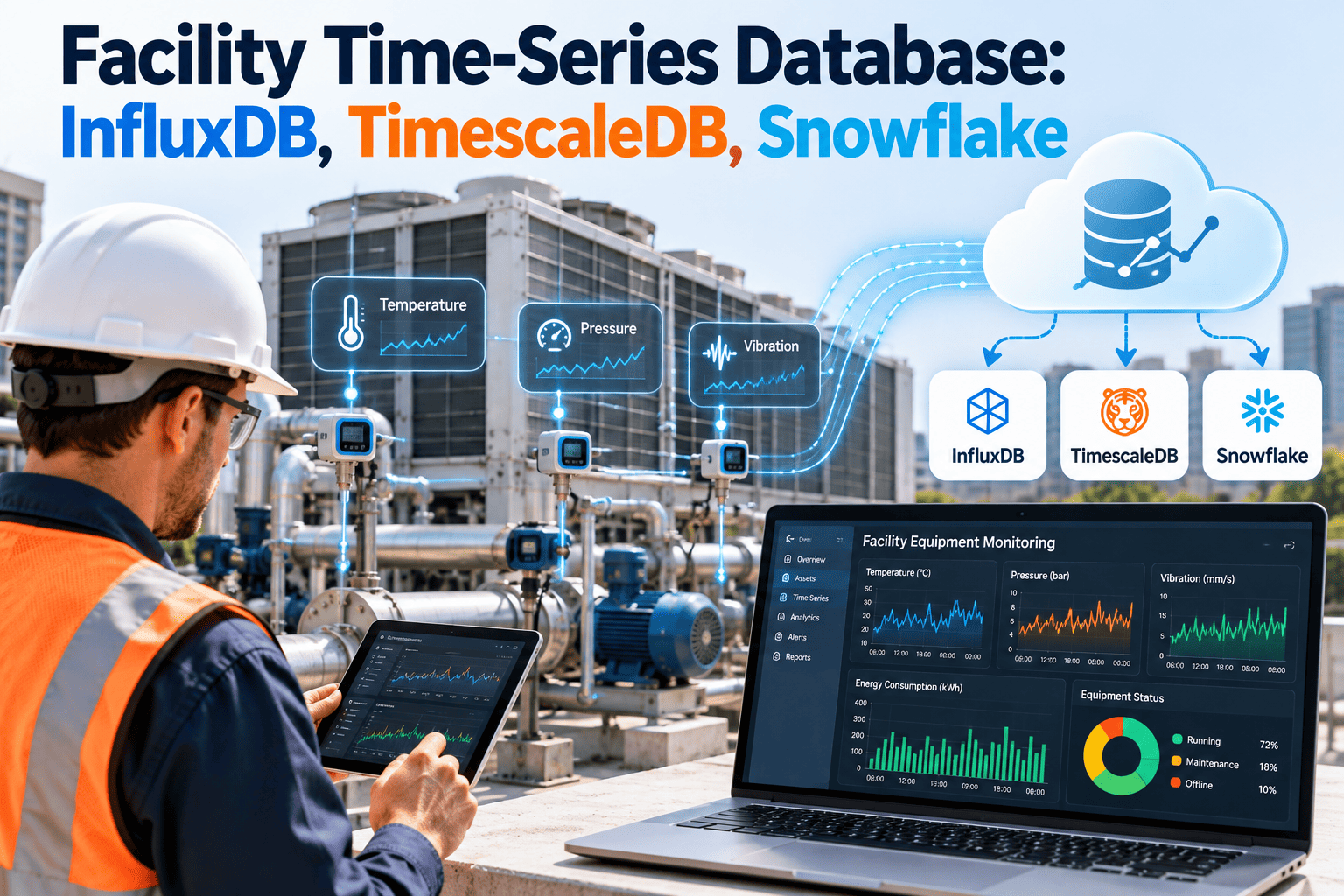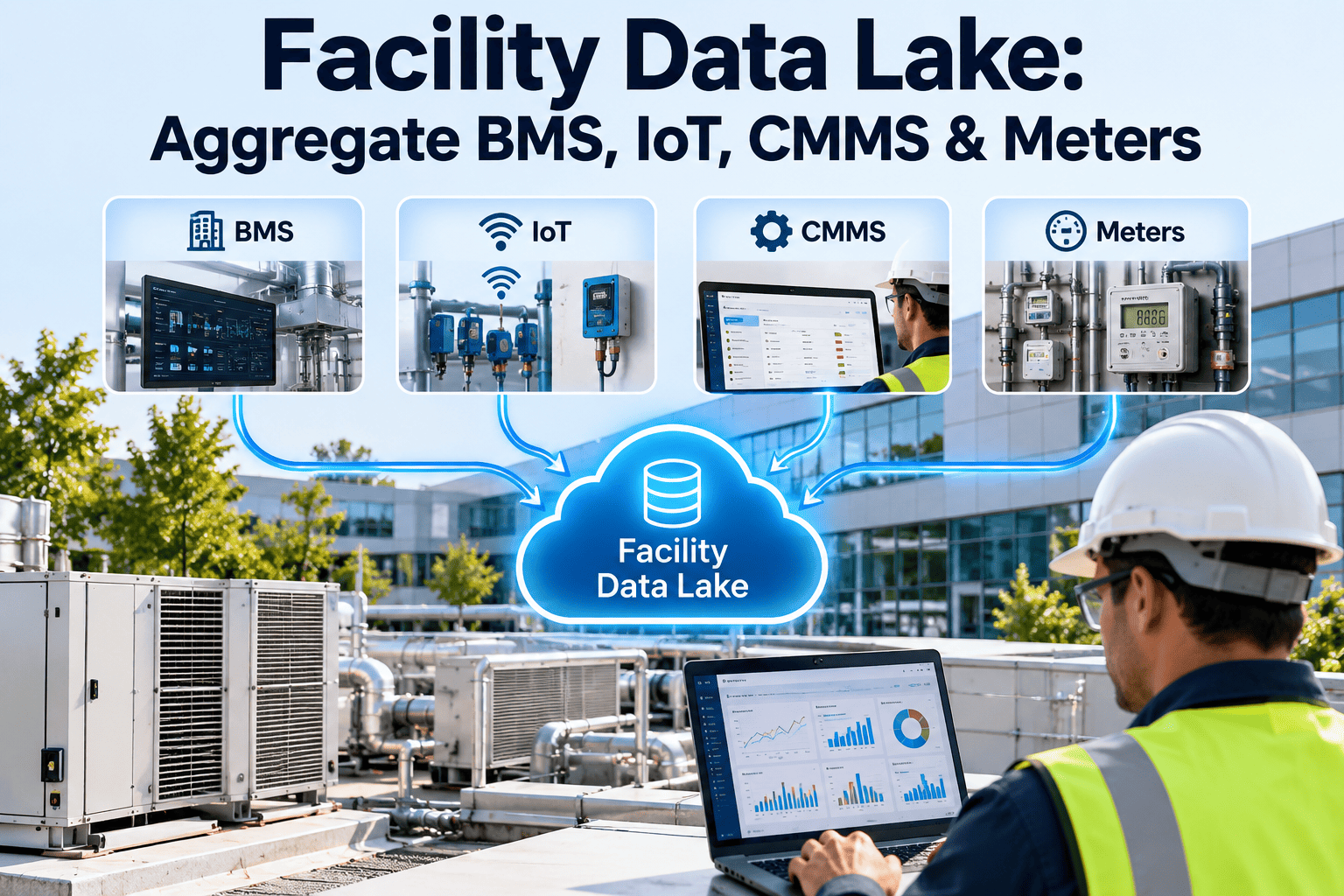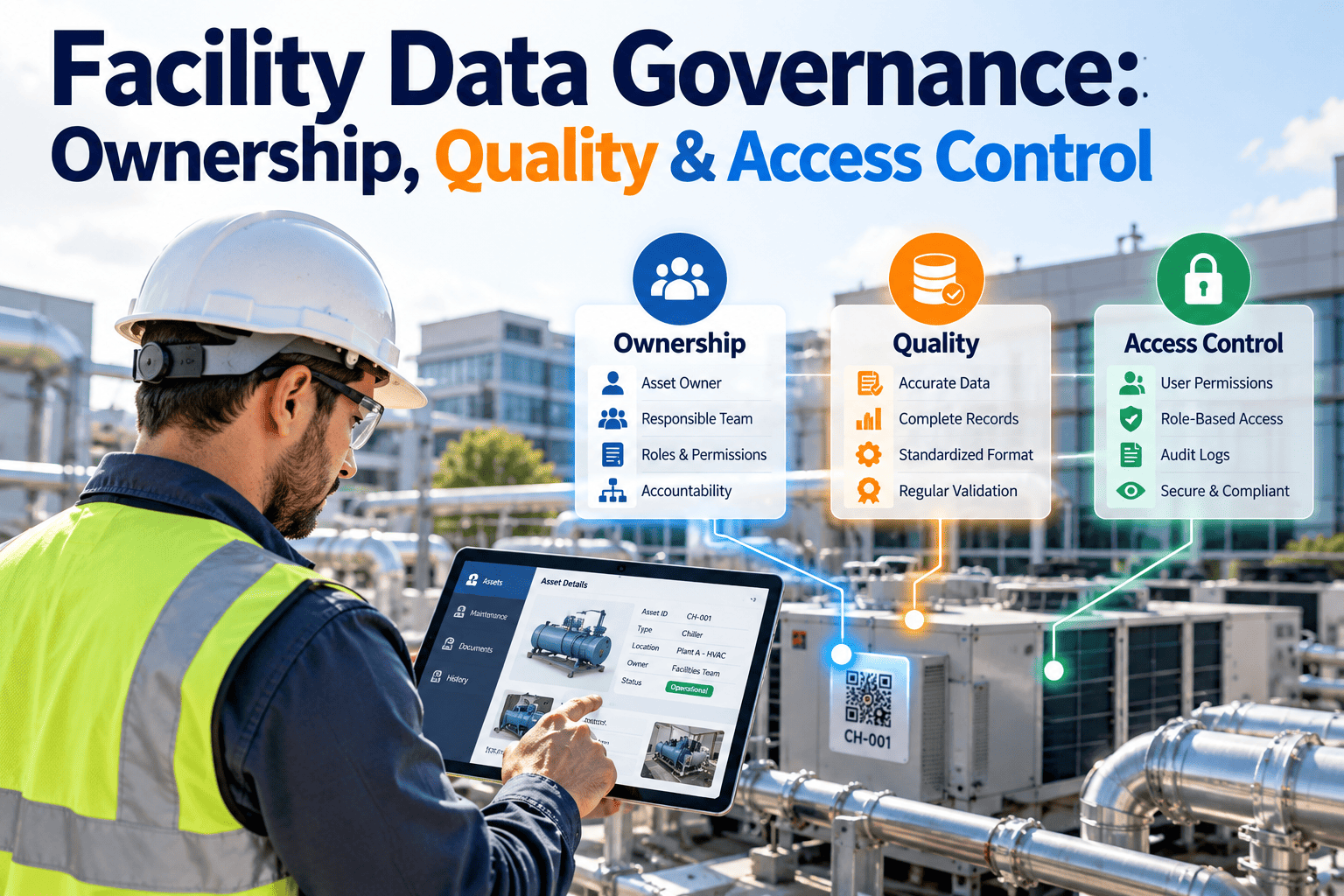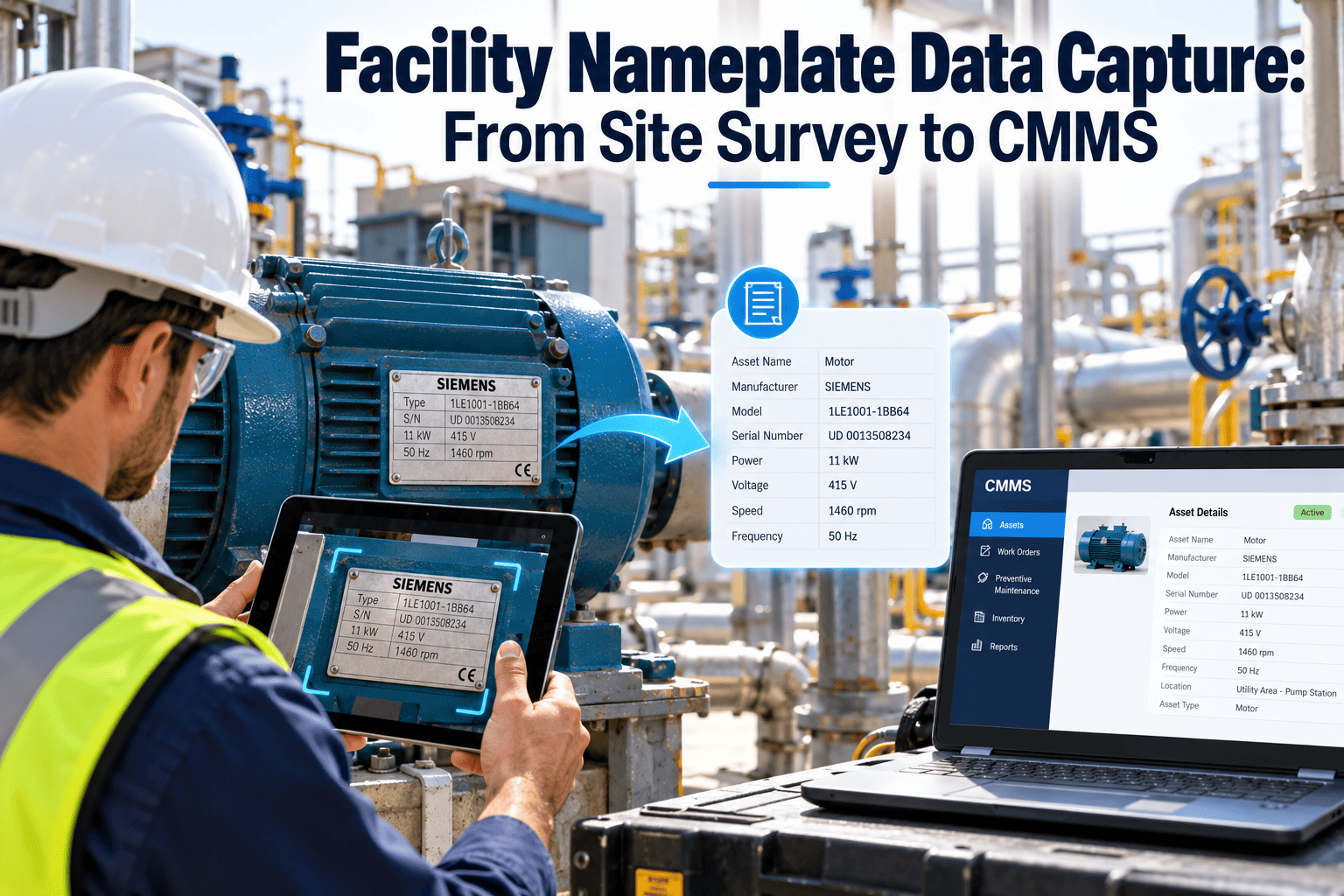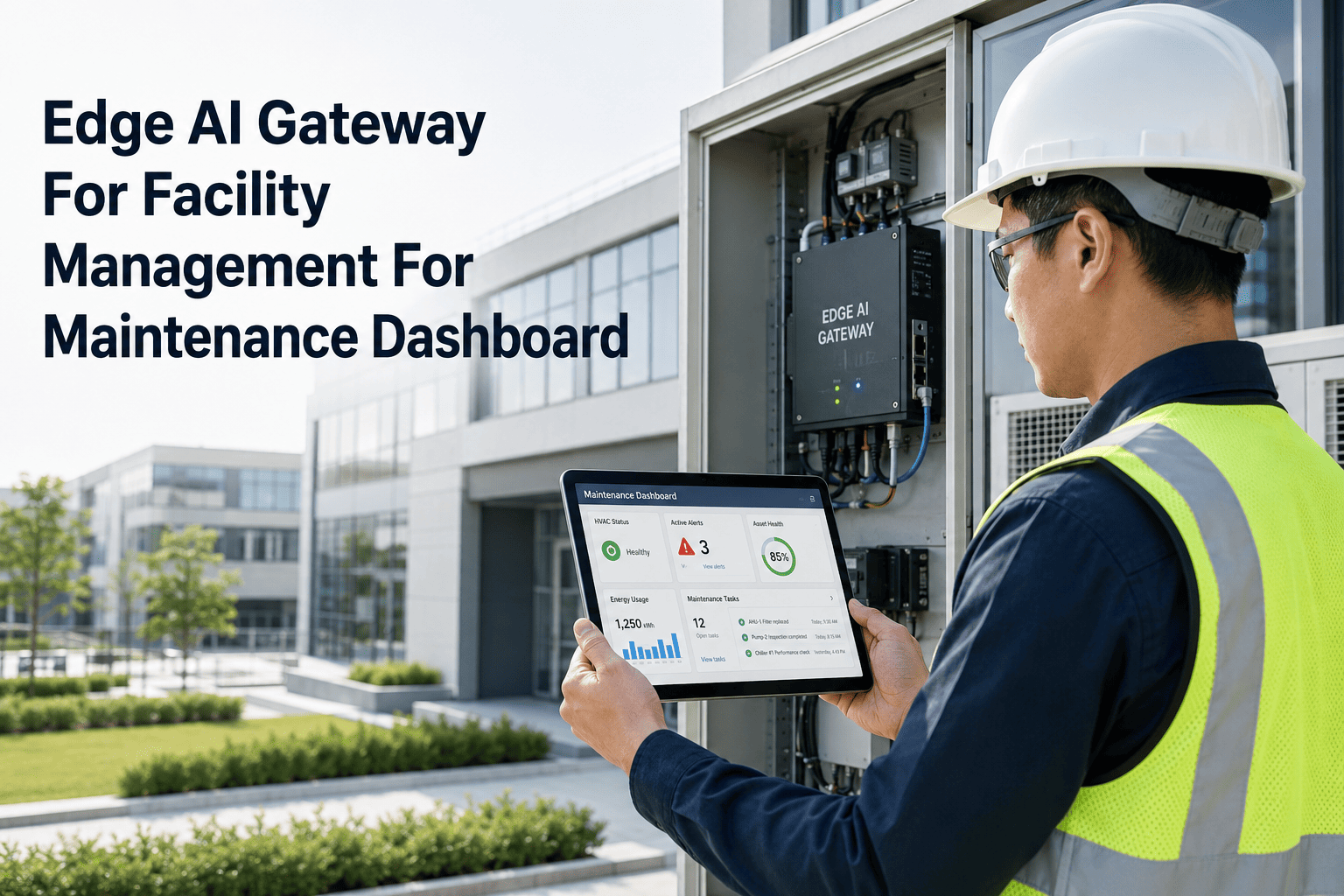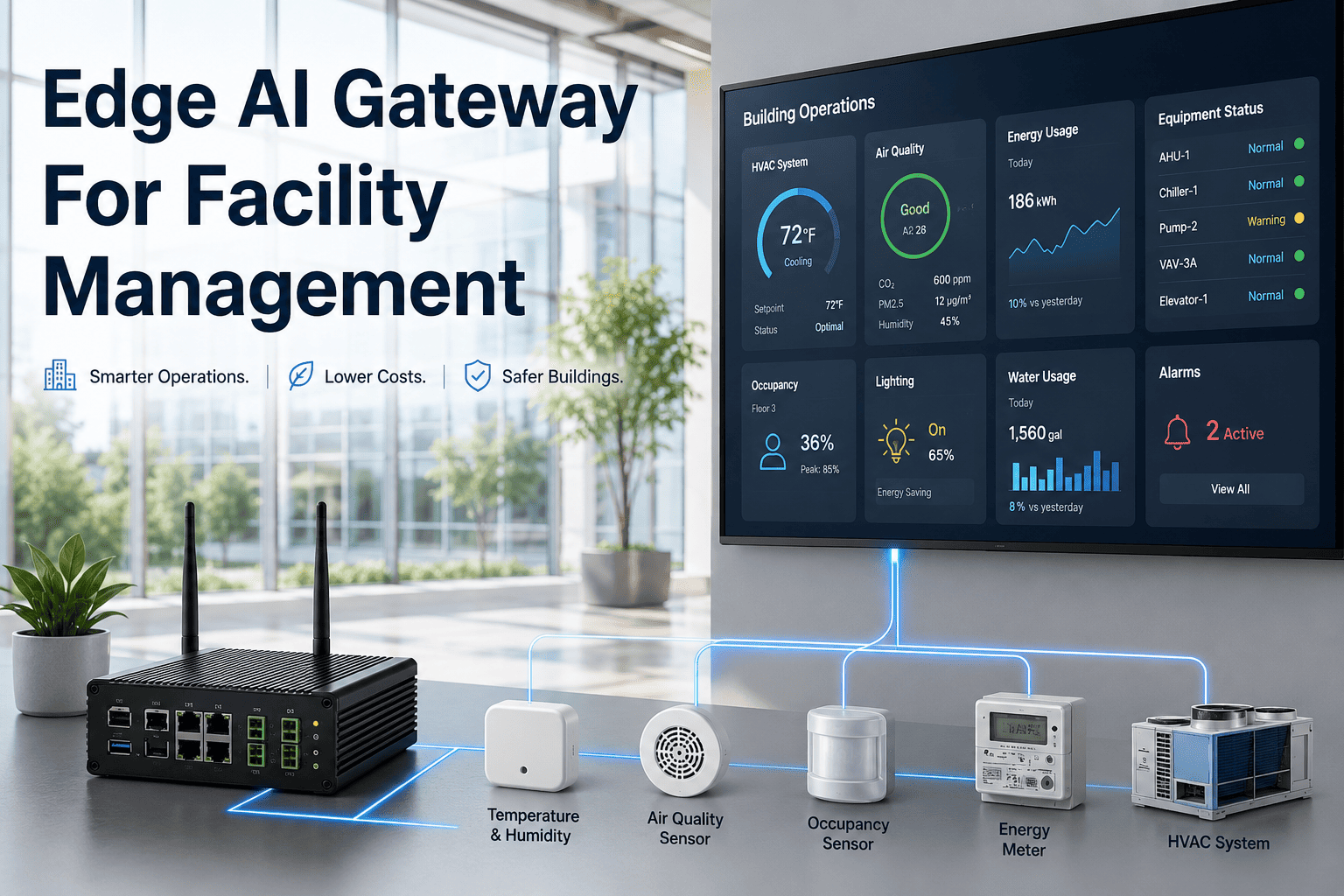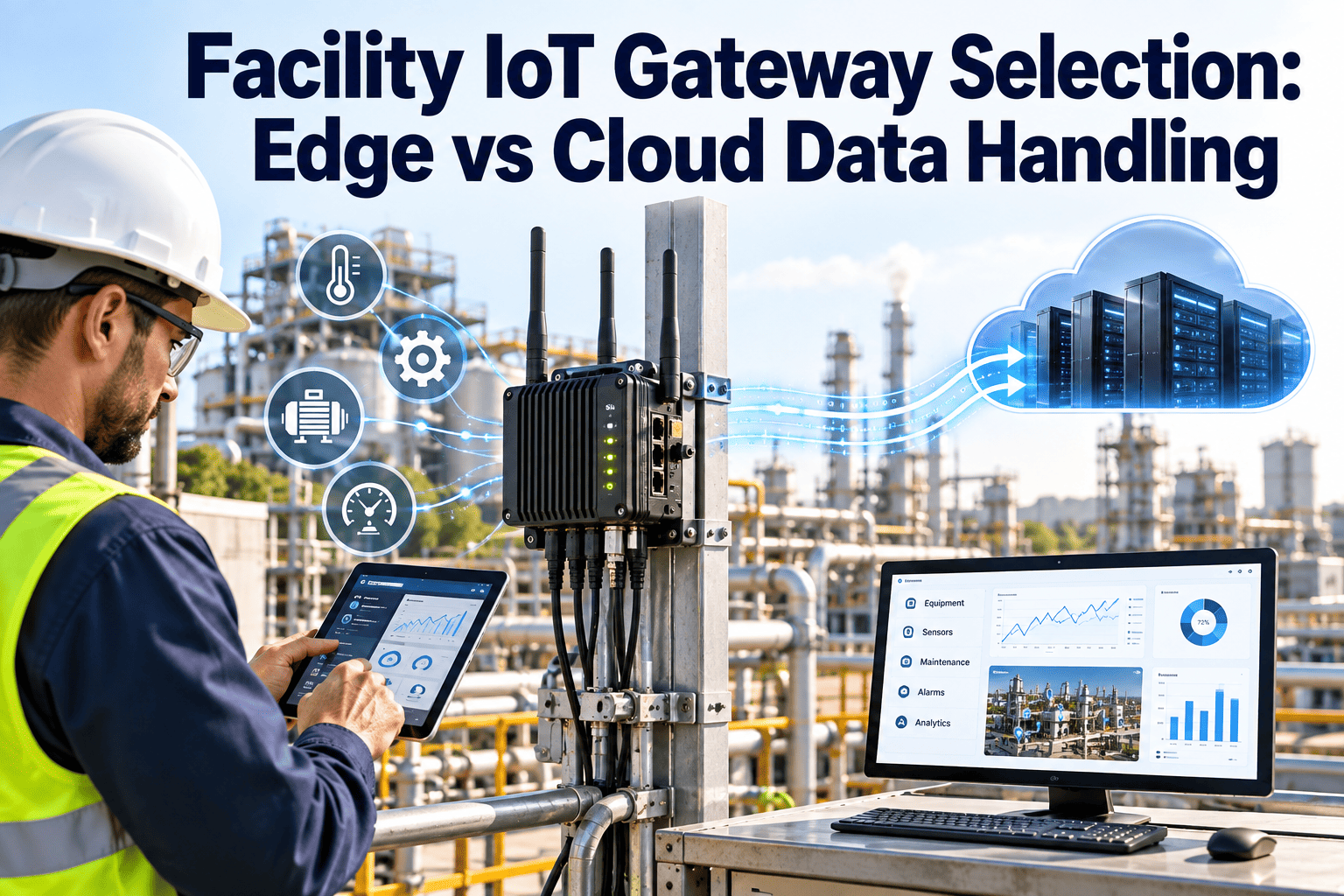
Every facility IoT project eventually reaches the same decision: where should data be processed? Send everything to the cloud and you may pay for bandwidth, add latency, and lose visibility during an outage. Process everything locally and you may struggle with fleet management, analytics, and updates. The gateway sits between building equipment and your software, so its design shapes reliability and cost. This guide compares edge and cloud handling and offers selection criteria, then shows how CMMS integration for building data turns readings into maintenance action.
Facility IoT Gateway Selection: Edge vs Cloud Data Handling
Gateways decide latency, cost, and reliability. Compare where to filter, store, and analyze building data, and choose hardware that fits your equipment and network.
What a facility gateway actually does
A gateway is more than a router. In commercial buildings it usually performs several jobs at once.
Protocol translation
Reads BACnet, Modbus, or OPC UA devices and publishes standard messages such as MQTT.
Data reduction
Samples, averages, and sends only changes, so fast signals do not flood the network.
Local buffering
Stores readings during an internet outage and forwards them when the link returns.
Security boundary
Separates operational equipment from business networks and controls outbound connections.
Edge and cloud, side by side
Edge handling
- Responds in milliseconds without an internet round trip
- Continues working when the connection drops
- Limits data volume and recurring transfer cost
- Keeps sensitive operational data on site
- Needs hardware management and firmware updates
Cloud handling
- Scales storage and analytics across many buildings
- Simplifies dashboards, reporting, and model updates
- Combines data from sites, weather, and maintenance history
- Depends on connectivity and adds transfer latency
- Costs grow with data volume and retention
Most successful designs are hybrid: time-sensitive filtering at the edge, fleet-wide analytics and records in the cloud.
Which tasks belong where
| Task | Best location | Reason |
|---|---|---|
| Protocol conversion | Edge | Devices sit on local control networks |
| Safety or fast alarm logic | Edge or controller | Should not depend on internet access |
| Noise filtering and deadbands | Edge | Reduces traffic before it leaves the site |
| Short-term buffering | Edge | Protects data during outages |
| Trend analysis across buildings | Cloud | Needs combined history |
| Machine learning model training | Cloud | Requires storage and compute |
| Work order creation and records | Cloud or CMMS | Shared by teams and auditors |
| Long-term archive | Cloud | Retention and reporting needs |
Selection criteria that matter
Protocol support
Confirm native support for the protocols your equipment uses, such as BACnet/IP, Modbus TCP or RTU, and OPC UA.
Point capacity
Check how many points and polling rates the device handles without lag.
Store-and-forward
Ask for buffer size and behavior after an extended outage.
Security features
Look for encrypted connections, certificate handling, role-based access, and update signing.
Remote management
Confirm you can monitor health, push configuration, and update firmware at scale.
Environment and power
Match temperature range, enclosure, mounting, and power options to the mechanical room.
Connect building data to maintenance action
Bring readings, assets, and work orders together so a gateway alert reaches the technician who can fix it.
Failure scenarios to test before buying
Cloud platform considerations
Major cloud providers, including AWS and Microsoft Azure, offer edge runtimes and device management services. Their tools differ, so evaluate them against your own needs.
- Portability: favor open messaging standards so you can change platforms later.
- Data ownership: confirm you can export historical data and mappings.
- Operating cost: estimate message volume, storage, and analytics charges.
- Skills: decide who will maintain the gateway fleet and cloud configuration.
- Integration: verify a supported path from telemetry to asset records and work orders.
Security practices for building gateways
Network
- Segment building controls from office systems
- Allow outbound connections only
- Disable unused ports and services
Identity
- Unique credentials for each device
- Multi-factor sign-in for consoles
- Remove vendor default passwords
Lifecycle
- Track firmware versions
- Test updates on one site first
- Log configuration changes
From gateway to CMMS workflow
Map each point to an asset ID
Define limits and durations
Create tasks from confirmed alerts
Assign staff and reserve parts
Close with findings and cause codes
Without asset mapping, even excellent data ends as a chart. With it, readings support preventive, corrective, and condition-based work.
Gateway selection FAQs
Do I need both edge and cloud?
Usually yes. Edge handles local reliability; cloud handles analytics, records, and multi-site views.
Can a gateway replace my BMS?
No. It moves and prepares data. Your controls still run the equipment.
Which protocols are most common?
BACnet and Modbus dominate older equipment, while MQTT is common for cloud messaging.
How do gateway alerts reach technicians?
Through asset-linked work orders. Request a demo to see the flow.
Where should a pilot start?
Pick one critical system and set up its assets in Oxmaint first.
Choose the gateway, then close the loop
Data only helps when maintenance teams can act on it. Connect your building signals to assets, schedules, and work orders.