Most facility management contracts list a page of service levels, and most of them are never checked after the first month. Targets like "prompt response" or "high customer satisfaction" cannot be measured, so they cannot be enforced. The SLAs that survive are the ones tied to timestamps, work order status, and completion records the client and vendor both trust. This guide covers the response, resolution, and PM compliance metrics worth writing into a contract, and how work order software makes them measurable.
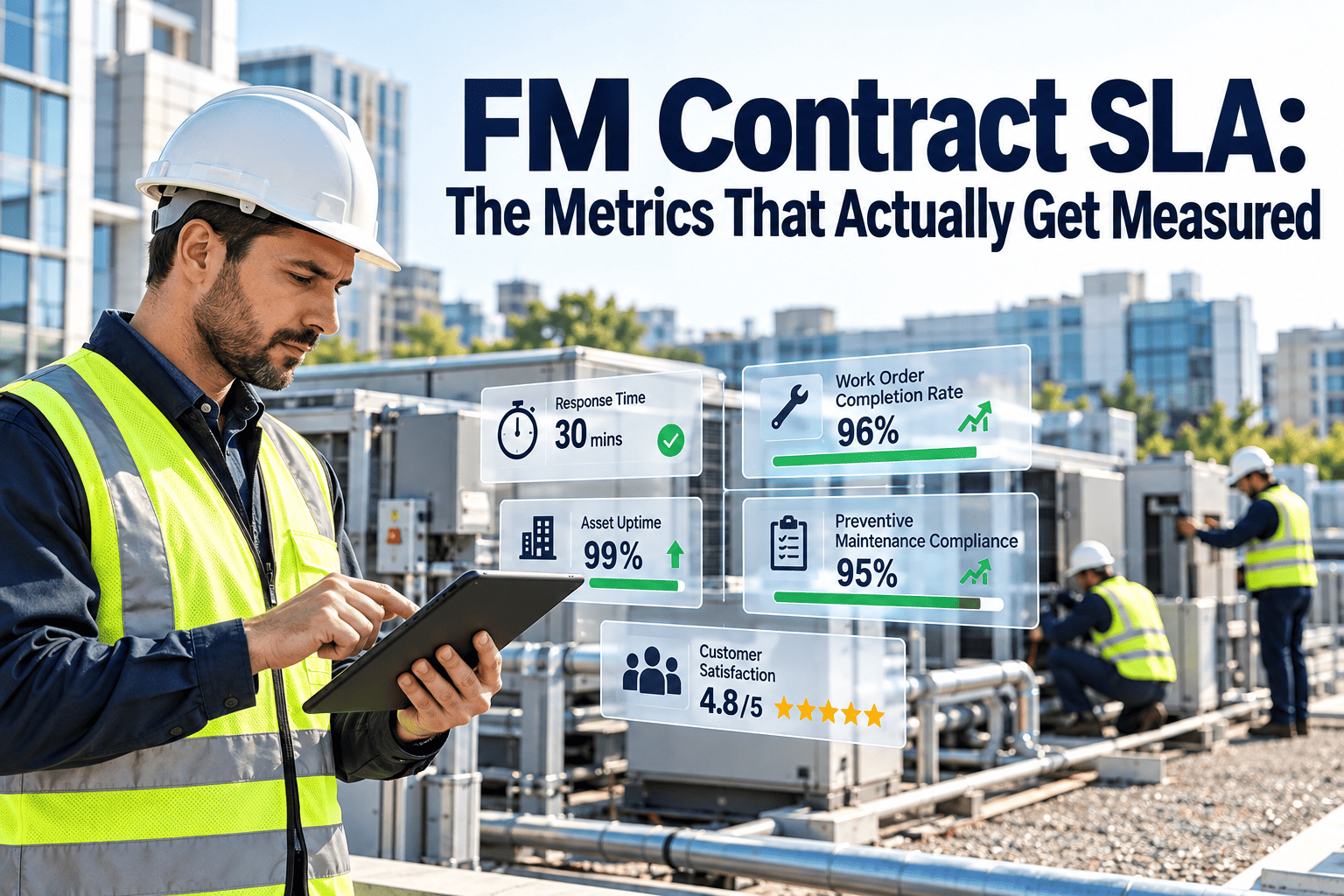
FM Contract SLA: The Metrics That Actually Get Measured
Drop the aspirational service levels. Write SLAs around response, resolution, and PM compliance that your system can prove.
Aspirational vs Measurable SLAs
| Aspirational Wording | Why It Fails | Measurable Version |
|---|---|---|
| Respond promptly to requests | No clock, no definition of response | Acknowledge P1 requests within 15 minutes; attend on site within 1 hour |
| Maintain equipment in good condition | No test for good | Complete 95 percent of scheduled PMs by the due date |
| Resolve issues quickly | Nobody agrees what quickly means | Resolve P2 requests within 24 hours of logging |
| High tenant satisfaction | Survey method undefined | Minimum score on a stated survey, sampled after work order close |
Targets shown are examples. Set yours from your site risk, hours of operation, and vendor scope.
The Core Metrics Worth Contracting
Priority Tiers Make Times Fair
P1 Emergency
Life safety, flooding, total loss of critical systems. Shortest clocks, 24/7 cover.
P2 Urgent
Business-impacting faults such as HVAC failure in occupied zones.
P3 Routine
Standard repairs with no immediate operational impact.
P4 Planned
Improvements and non-urgent work scheduled by agreement.
Define the clock rules
State when the clock starts, when it pauses, and who can pause it. Waiting on client access or approved quotes is a fair pause; waiting on the vendor's own parts is not.
Turn Contract Language Into Live Numbers
Capture every request, timestamp, and completion in one system and report SLA performance without spreadsheets.
From Request to Measured Result
Who owns the data
If the vendor alone controls the system of record, disputes follow. A shared platform with client visibility keeps timestamps neutral.
Penalties, Credits and Incentives
Service credits
- Tie to a monthly fee percentage
- Scale with severity of the miss
- Cap total exposure to keep the vendor viable
Incentives
- Reward sustained performance above target
- Link to contract extension terms
- Reward safety and quality, not only speed
Avoid perverse incentives
Response-only targets can push vendors to close tickets fast and reopen problems later. Pair speed metrics with first-time fix and repeat call rates.
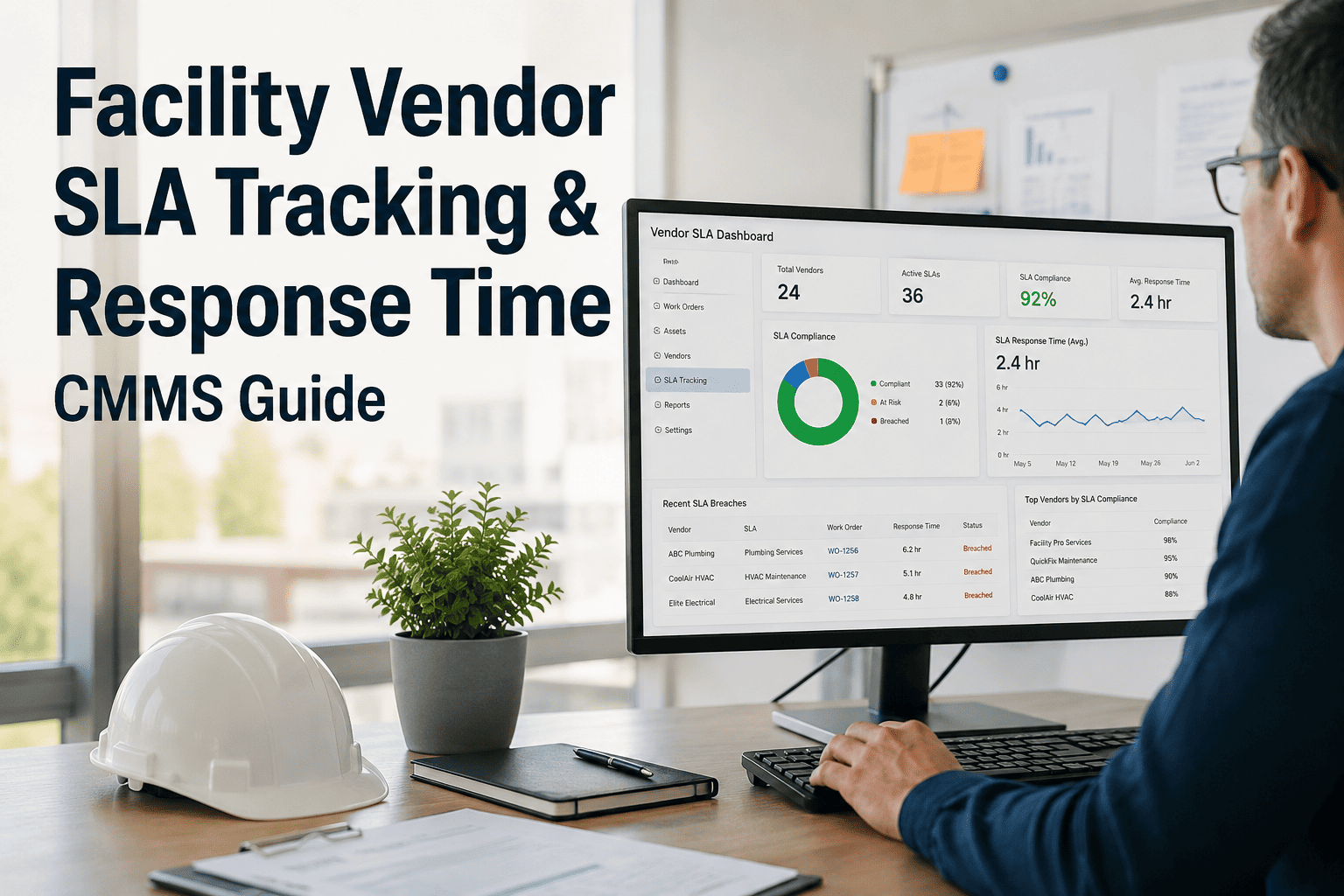
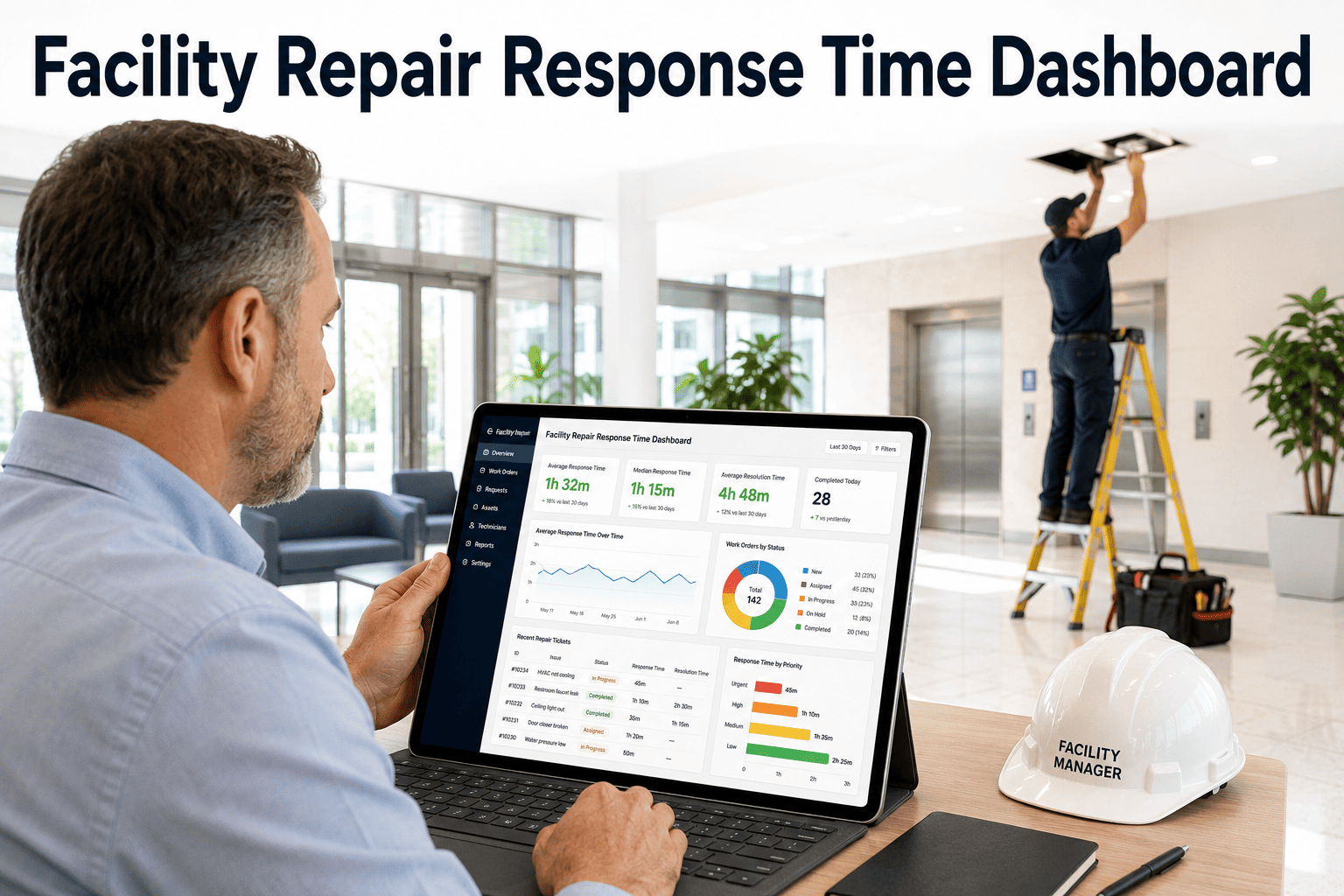
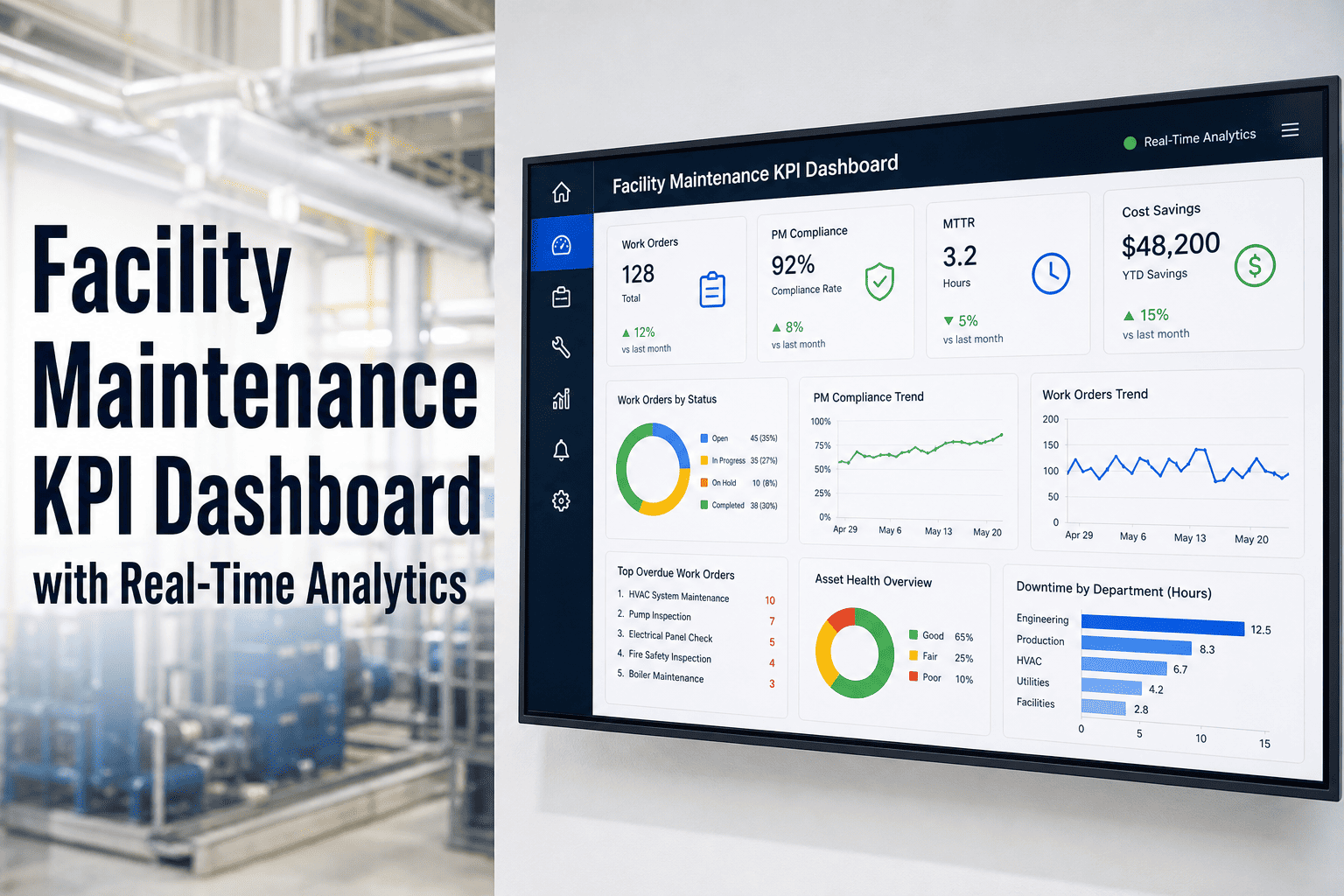
What the SLA Dashboard Should Show
SLA Drafting Checklist
- Each metric has a formula, data source, and reporting frequency
- Priority definitions use examples from your buildings
- Clock start, pause, and stop rules are written down
- Baseline performance is agreed before penalties begin
- Credits scale by severity and are capped
- A review clause allows targets to be revised after six months
- Both parties have access to the same records
How Oxmaint Supports SLA Tracking
Oxmaint work orders carry priority, timestamps, assignees, checklists, and completion notes, so SLA figures come from the record itself. Preventive maintenance scheduling shows PM compliance by asset and site, and dashboards give both parties one version of performance. Mobile completion and photo evidence back up disputed closures.
Frequently Asked Questions
What SLAs matter most in an FM contract?
How many SLAs should a contract have?
Are penalties or incentives better?
How do I prove a missed SLA?
Can I see an SLA dashboard first?
Measure What You Contract
Give your FM partnership SLAs both sides can see, trust, and act on.