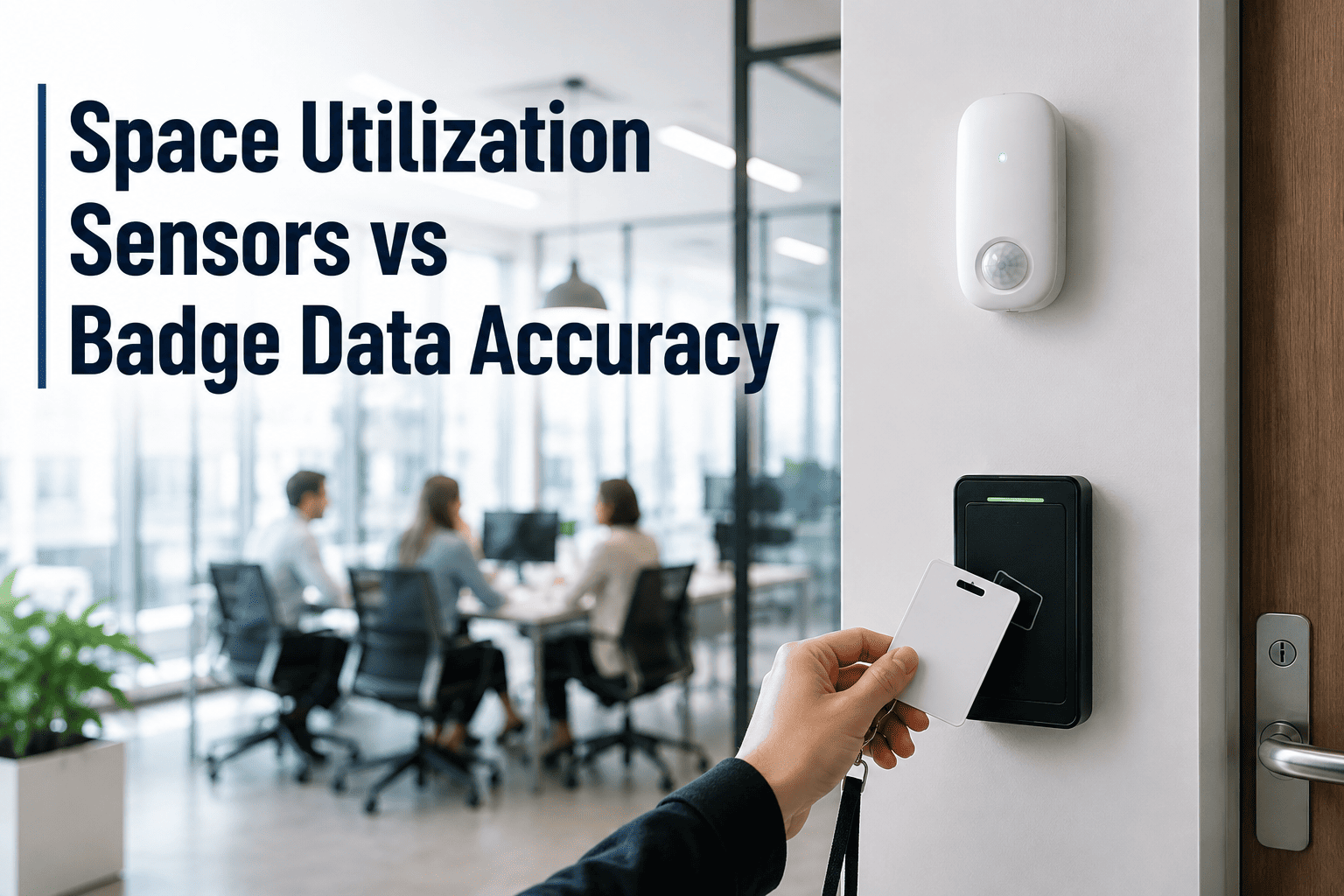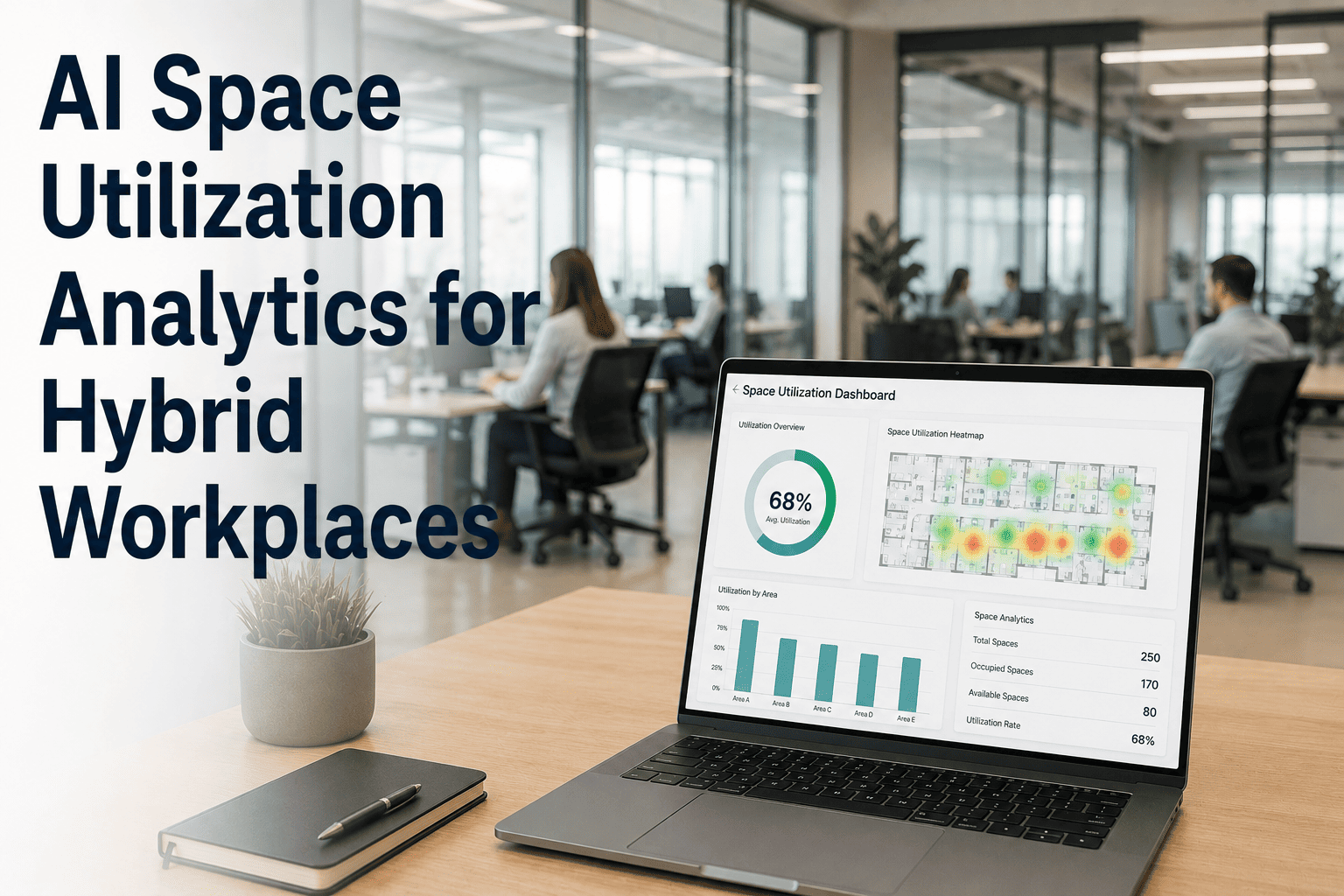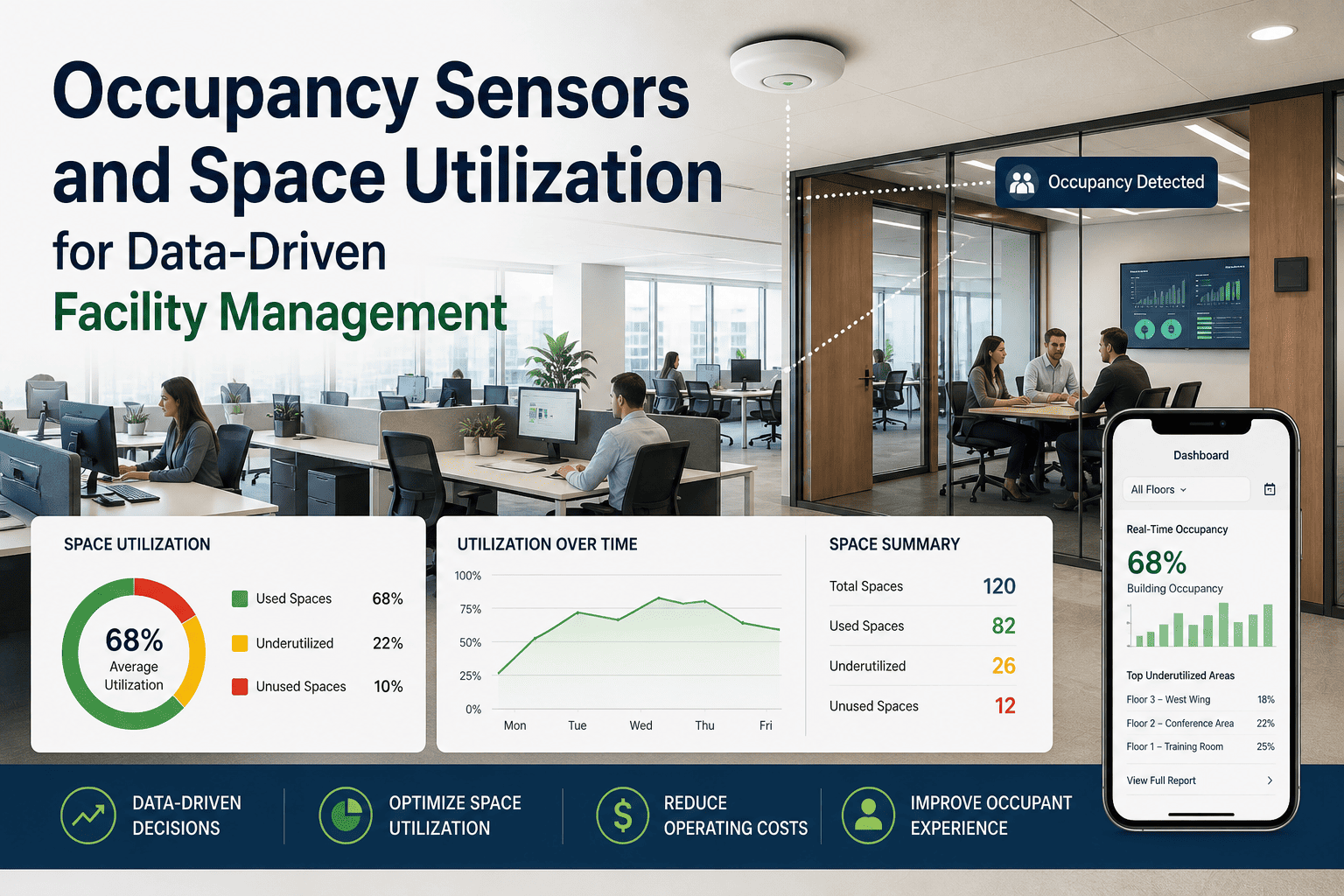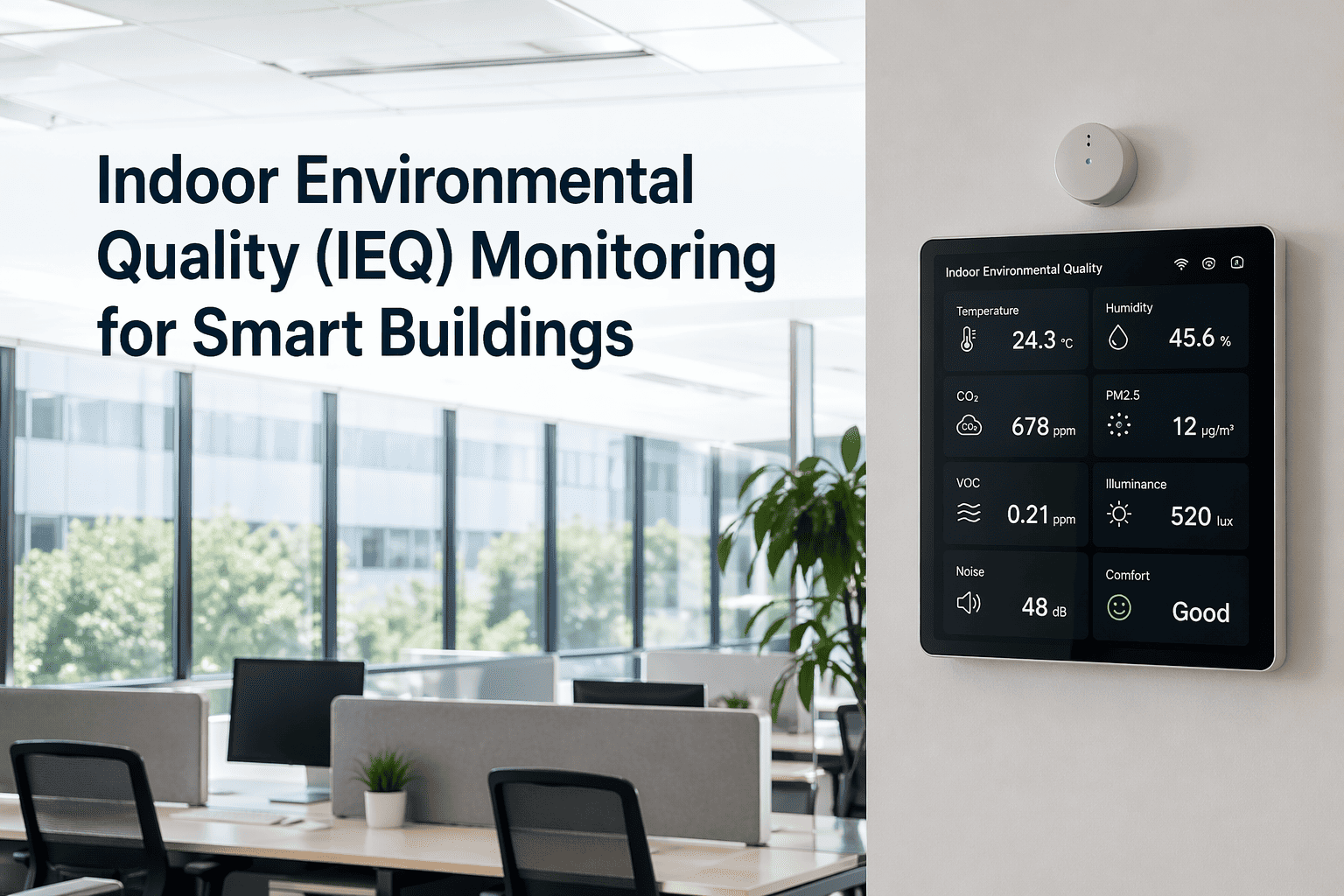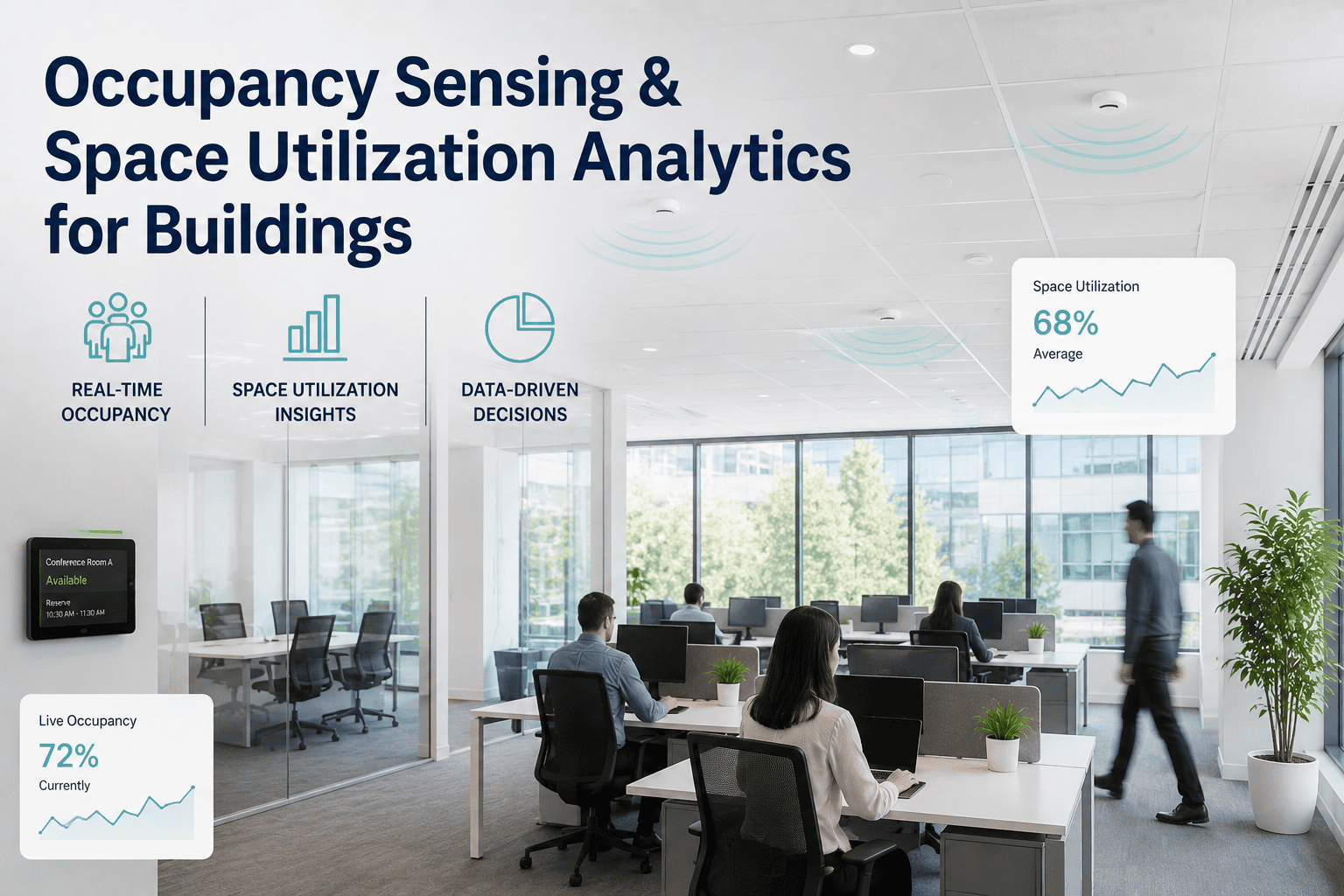
Commercial real estate is the second-largest cost line on most corporate balance sheets, yet the average office building is occupied at 42% of its theoretical capacity on any given workday. Occupancy sensing and space utilization analytics close the gap between real estate you are paying for and space your people are actually using — generating data that drives smarter cleaning schedules, more efficient HVAC operation, and credible evidence for portfolio right-sizing decisions that can reduce real estate costs by 15 to 30%. OxMaint's facility management platform integrates occupancy sensor data with maintenance workflows, cleaning dispatch, and energy management — so space data produces operational action, not just occupancy dashboards that no one acts on.
The 4 Occupancy Sensor Technologies Compared
5 Operational Decisions Occupancy Data Should Be Driving
Turn Occupancy Data Into Maintenance Actions — Automatically
OxMaint connects occupancy sensor data to cleaning dispatch, PM interval adjustment, and energy management workflows. Every high-use space triggers the right response without manual monitoring. Book a demo to see the integration.
Space Utilization Benchmarks by Asset Type
| Space Type | Industry Avg Utilization | High-Performance Target | Key Optimization Lever |
|---|---|---|---|
| Open-plan workstations | 38–52% | 65–75% | Hoteling policy + occupancy booking |
| Conference rooms (small, 4–6 pax) | 28–40% | 55–65% | Real-time display + no-show release |
| Conference rooms (large, 10+ pax) | 18–28% | 40–50% | Divisible room configuration + rebooking |
| Lobby and reception areas | 12–25% | 25–35% | Multi-function programming |
| Collaboration / informal zones | 20–35% | 50–65% | Variety of seating types and acoustic privacy |
| Restrooms (peak period) | Varies by floor population | Below 80% fixture utilization | Demand-based cleaning and supply management |
Expert Review
The organizations getting the most value from occupancy analytics are not the ones with the most sensors — they are the ones that have connected occupancy data to decisions. Knowing that your building is 41% occupied is interesting. Knowing that Floor 8 is consistently below 25% occupancy every Tuesday through Thursday, and using that data to trigger a leasing conversation, reconfigure the HVAC schedule for that zone, and dispatch cleaning only on occupied days — that is value. The data has to feed a system that acts on it. A CMMS that receives occupancy signals and generates maintenance, cleaning, and energy actions is where space analytics become operational savings rather than dashboard statistics that sit in a quarterly report.
Frequently Asked Questions
Do occupancy sensors require Wi-Fi or building network infrastructure?
Not necessarily. Modern occupancy sensors are available in several connectivity options depending on building infrastructure. Zigbee and Z-Wave sensors form mesh networks that require only a gateway device with internet connectivity — ideal for buildings without structured cabling in workspace areas. LoRaWAN sensors transmit over long ranges with minimal power and require only a building-mounted gateway. For buildings with existing structured cabling, wired PoE sensors offer the most reliable data quality. BACnet-connected PIR sensors integrate directly with BMS systems for HVAC control without any additional network infrastructure. The connectivity choice is driven by building topology and integration requirements — a pre-implementation connectivity audit is the first step for any occupancy sensing project.
How do occupancy sensors trigger cleaning work orders in OxMaint?
OxMaint's sensor integration allows occupancy threshold rules to be configured per space. When a restroom exceeds a defined usage count, or when a floor zone accumulates more than a set number of occupancy-hours since last cleaning, OxMaint automatically generates a cleaning work order assigned to the appropriate facilities team member. The work order includes the specific location, the trigger condition (usage count or occupancy hours), and the cleaning checklist for that space type. Cleaning staff receive the assignment on mobile, complete the task, and close the work order with photo documentation — creating a condition-based cleaning record rather than a schedule-based one. Book a demo to see cleaning dispatch configured for your facility.
What privacy regulations apply to occupancy sensing in commercial workplaces?
Privacy requirements for occupancy sensing depend on the sensor technology and jurisdiction. Aggregate count sensors (PIR, mm-wave radar, anonymous people counters) that collect no personally identifiable information are generally exempt from GDPR, CCPA, and similar regulations because they produce no data linkable to an individual. Camera-based AI counting systems that process images — even anonymized — may require privacy impact assessments and employee notification under GDPR in EU jurisdictions and CCPA in California. Badge-based occupancy tracking uses existing consent frameworks from employment agreements. The safest approach for most commercial building operators is to use anonymous aggregate counting as the primary occupancy data source and limit camera-based systems to building entry points where individual counting accuracy is most critical.
How long does it take to have actionable space utilization data from a new occupancy sensor deployment?
First-day data is available immediately after sensor installation — you will see real-time occupancy counts and zone activity within hours of deployment. However, meaningful utilization trend data requires a minimum of 4 to 6 weeks to account for day-of-week variation, seasonal patterns, and any atypical weeks caused by holidays or special events. Portfolio-level right-sizing decisions are most credibly supported by 3 to 6 months of data covering multiple business cycles. For HVAC energy optimization through demand-controlled ventilation, baseline energy consumption should be measured for 30 days before and after DCV activation to accurately quantify savings. OxMaint displays occupancy trends from the first day of data collection and generates utilization reports on any time period on demand.
Stop Maintaining Empty Space the Same Way You Maintain Full Space
OxMaint connects occupancy sensor data to cleaning dispatch, PM scheduling, and energy management — so every operational decision reflects how your building is actually being used, not how you assumed it would be.