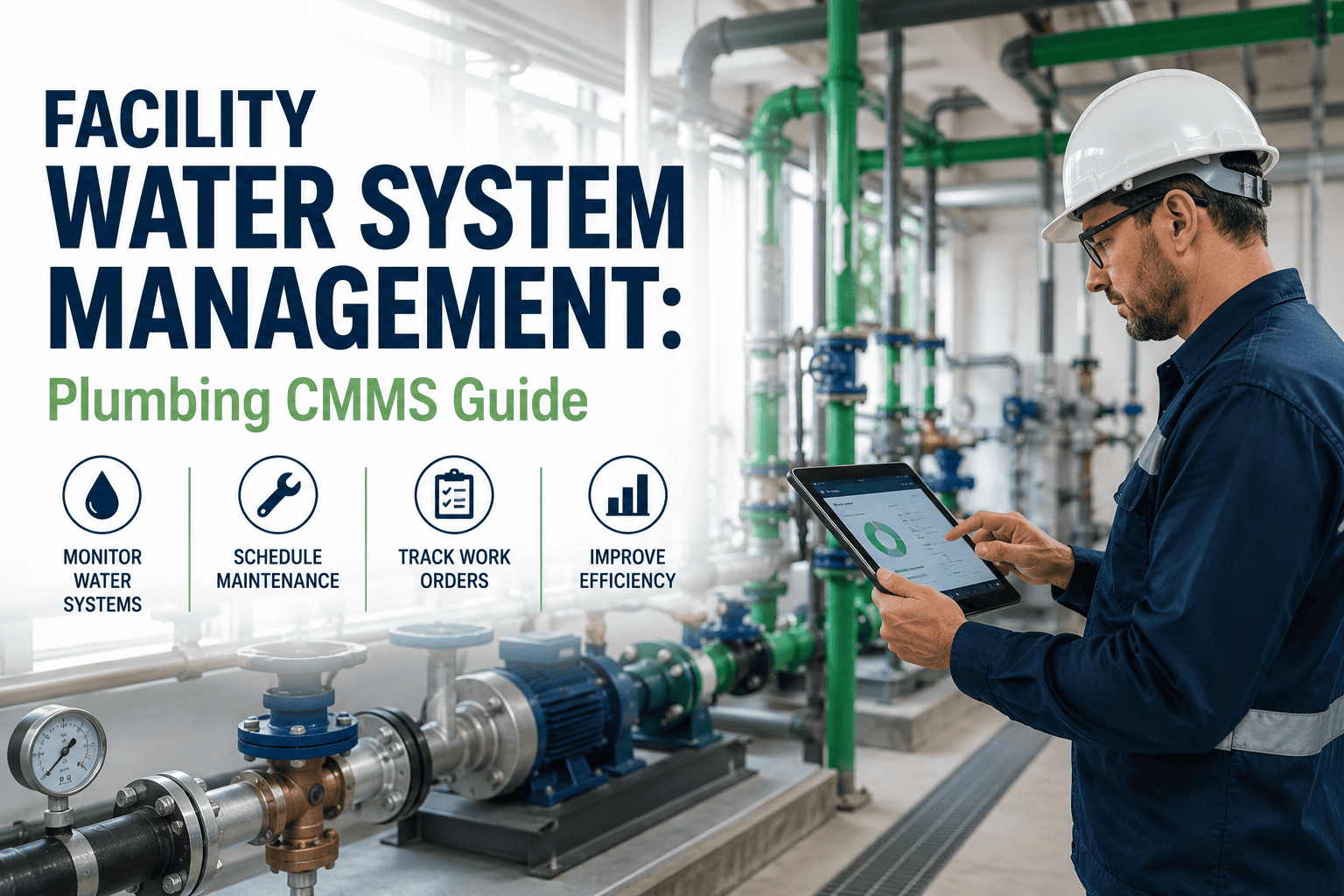
Plumbing pump failures account for nearly 40% of all facility water system emergencies, yet most breakdowns are entirely preventable with routine inspection. Without a structured checklist, technicians miss early warning signs like abnormal vibration, seal degradation, and pressure inconsistencies that signal developing problems. A standardized pump inspection checklist ensures every check is completed consistently across all facility water systems. OXmaint's maintenance management software includes built-in pump inspection checklists with automated scheduling and mobile-friendly workflows—start your free trial today to protect your water systems.
75%
Reduction in Unplanned Pump Downtime
3x
Longer Pump Lifespan with Regular Inspections
40%
Lower Maintenance Costs Year-Over-Year
100%
Compliance with Facility Water Safety Codes
Ready to Eliminate Unexpected Pump Failures?
Digitize your pump inspection checklists with automated scheduling, mobile access, and instant work order generation.
Complete Plumbing Pump Inspection Checklist
A thorough pump inspection covers mechanical, electrical, hydraulic, and safety components in a systematic order. This checklist follows ASHRAE and IPC standards to ensure your facility water pumps receive comprehensive evaluation during every inspection cycle.
01
Pre-Inspection Setup
Verify pump is safe to inspect (LOTO if needed)
Record pump ID, make, model, and serial number
Note current operating hours and runtime
Check last inspection date and findings
Gather required tools and PPE
02
Visual & External Inspection
Check for visible leaks at seals, gaskets, flanges
Inspect pump housing for cracks or corrosion
Verify mounting bolts are tight and base is stable
Examine piping connections for wear or damage
Check for unusual noise, vibration, or odor
03
Mechanical Components
Inspect impeller for wear, erosion, or damage
Check shaft alignment and coupling condition
Evaluate bearing condition (noise, temperature, play)
Inspect mechanical seals or packing glands
Verify shaft sleeve condition and runout
04
Electrical Systems
Measure motor amperage (all three phases)
Check motor winding insulation resistance
Inspect electrical connections and terminals
Test overload protection and motor starter
Verify VFD operation (if equipped)
05
Hydraulic Performance
Record suction and discharge pressure readings
Measure flow rate and compare to design specs
Check for cavitation signs (noise, vibration, pitting)
Inspect check valves and isolation valves
Verify pressure relief valve operation
06
Safety & Controls
Test high/low pressure cutoff switches
Verify float switches and level sensors
Check alarm systems and notification panels
Inspect backflow prevention devices
Test emergency shutoff and manual overrides
OXmaint's digital checklist platform guides technicians through every inspection step with mobile-friendly forms, photo documentation, and automatic work order generation for any deficiency found. Try OXmaint free and standardize your pump inspections today.
Get Free Pump Inspection Checklist Templates
OXmaint includes professionally designed pump inspection checklists with automated scheduling, mobile access for field technicians, and instant deficiency tracking.
Pump Condition Severity Classification
Consistent severity ratings ensure the right response to pump deficiencies. Use these classifications to prioritize repairs, schedule maintenance windows, and allocate budget based on actual risk to your water systems.
Priority 1
Critical Failure
Emergency
Pump inoperable, major leak, or safety hazard. Water service interrupted or contamination risk present.
Action: Immediate shutdown and emergency repair
Timeline: Within 4 hours
Priority 2
Major Degradation
Urgent
Significant performance loss, bearing failure imminent, or seal leaking beyond acceptable rate. Backup systems active.
Action: Schedule urgent repair during off-hours
Timeline: Within 48 hours
Priority 3
Moderate Wear
Planned
Early-stage degradation detected. Performance slightly below spec. Component replacement needed at next scheduled maintenance.
Action: Plan repair during next maintenance window
Timeline: Within 30 days
Priority 4
Minor Observation
Monitor
Cosmetic issue or minor variance within tolerance. No immediate performance impact. Continue monitoring at regular intervals.
Action: Document and monitor at next inspection
Timeline: Next quarterly inspection
Effective pump inspections go beyond checking items off a list. Consider these factors to maximize the value of every inspection:
Inspect Under Load: Always inspect pumps while they are running at normal operating conditions. Many deficiencies—like cavitation, vibration, and seal leaks—only appear under load.
Baseline Readings: Establish baseline vibration, temperature, and pressure readings for each pump. Deviations from baseline are more meaningful than absolute values.
Seasonal Adjustments: Water demand varies by season. Adjust inspection frequency during peak demand periods and verify standby pump readiness before high-use seasons.
Documentation Matters: Record all readings, not just deficiencies. Trending normal data over time reveals gradual degradation long before a failure occurs.
Pump Types & Inspection Focus Areas
Different pump types in facility water systems require specific inspection attention. Understanding the unique failure modes and maintenance needs of each pump type ensures your checklist covers the right areas.
Centrifugal Pumps
Impeller wear ring clearance
Mechanical seal face condition
Shaft alignment and coupling
Bearing temperature and vibration
Suction strainer condition
Booster Pumps
Pressure switch calibration
Pressure tank air charge (bladder type)
Check valve seating and backflow
VFD speed and ramp settings
System pressure at all zones
Sump & Sewage Pumps
Float switch operation and travel
Pit cleanliness and debris removal
Discharge pipe and check valve
Alarm panel and backup battery
Impeller clogging and vane condition
Vibration analysis is the single most effective predictive tool for pump health. Establish baseline vibration readings on all three axes (horizontal, vertical, axial) when pumps are newly installed or rebuilt. Use a handheld vibration meter during routine inspections and compare against baseline. A 25% increase from baseline in any axis warrants investigation. A 50% increase indicates imminent bearing or alignment failure. Trending vibration data over time catches problems months before catastrophic failure—saving thousands in emergency repairs and water damage.
Sample Inspection Report Sections
Professional pump inspection documentation should capture both quantitative measurements and qualitative observations. These sample sections show how to format findings for clear communication with management and maintenance teams.
Inspection Summary Section
Inspection Date: February 15, 2026
Pumps Inspected: 12 units (4 domestic, 3 booster, 3 sump, 2 fire)
Deficiencies Found: 5 total (1 Emergency, 1 Urgent, 3 Monitor)
Immediate Action Required: DWP-03 mechanical seal replacement
Estimated Repair Cost: $6,200
Potential Loss Avoided: $95,000+ (flood damage prevention)
Deficiency Detail Section
Finding #: PI-2026-003
Equipment: DWP-03 Domestic Water Pump
Component: Mechanical Seal Assembly
Observation: Visible drip leak at 2 drops/sec
Vibration Reading: 8.2 mm/s (baseline: 3.1 mm/s)
Severity: EMERGENCY
Probable Cause: Seal face wear, shaft sleeve scoring
Recommendation: Replace mechanical seal, inspect shaft sleeve
1
Record All Measurements: Document pressure, flow, vibration, and temperature readings even when normal. Trending data over time reveals gradual degradation invisible in a single inspection.
2
Be Specific with Locations: "DWP-03, Basement Mechanical Room B, south wall" is actionable. "Domestic water pump" is not. Maintenance teams need exact locations for efficient response.
3
Include Photos: Capture photos of leaks, corrosion, vibration meter readings, and nameplate data. Visual evidence eliminates ambiguity and supports budget justification for repairs.
4
Compare to Previous Inspections: Reference historical data: "Vibration increased from 3.1 mm/s (June 2025) to 8.2 mm/s (current)—a 164% increase in 8 months" tells a much stronger story.
Inspection Scheduling & Frequency Guide
Not all pumps need the same inspection frequency. Critical pumps serving life safety systems require more frequent checks than redundant auxiliary units. Use these guidelines to set appropriate schedules based on pump criticality and application.
Daily / Weekly Checks
Visual leak check on all running pumps
Listen for unusual noise or vibration
Check suction and discharge pressure gauges
Verify sump pump alarm panel status
Monthly Inspections
Record motor amperage and voltage
Measure bearing temperatures
Test standby pump auto-start sequence
Verify pressure tank pre-charge (booster)
Quarterly / Annual
Full vibration analysis on all three axes
Motor insulation resistance testing
Shaft alignment verification
Performance curve test (flow vs. pressure)
Compliance & Code Requirements
Facility plumbing pumps must meet local plumbing codes, health department regulations, and insurance requirements. Proper documentation demonstrates compliance and protects your facility during inspections and audits.
Plumbing Codes (IPC/UPC)
Backflow preventer testing (annual)
Cross-connection control documentation
Water pressure compliance records
Sewage ejector pump maintenance logs
Emergency pump power backup verification
Health Department
Potable water system integrity records
Legionella prevention program documentation
Water temperature monitoring logs
Disinfection system maintenance records
Water quality testing and certification
Insurance & Internal
Preventive maintenance completion records
Equipment condition assessment reports
Work order history and closure rates
Capital replacement planning documentation
Emergency response procedure records
OXmaint's CMMS platform maintains complete audit trails with timestamped inspection records, technician identification, deficiency documentation, and corrective action verification—all accessible instantly for any code inspection or insurance audit.
Stay Compliant with Automated Documentation
OXmaint automatically captures all required compliance data, schedules recurring inspections, and generates audit-ready reports on demand. Never miss a code deadline again.
Paper vs Digital Pump Inspections
Transitioning from paper-based pump inspections to a digital CMMS platform delivers measurable improvements in inspection consistency, response time, and maintenance outcomes.
Inspection Completion
Paper: 45-60 minutes per pump
Digital: 15-25 minutes per pump
Photo Documentation
Paper: Separate camera, manual attach
Digital: In-app capture, auto-linked
Work Order Creation
Paper: Manual entry hours later
Digital: Instant from inspection
Trend Analysis
Paper: Impractical to compare
Digital: Automatic trending charts
Schedule Compliance
Paper: Easily missed or forgotten
Digital: Automated reminders
Audit Readiness
Paper: Hours to compile records
Digital: Instant report generation
Frequently Asked Questions
How often should plumbing pumps be inspected?
Critical pumps (domestic water, fire suppression) should have daily visual checks and monthly detailed inspections. Non-critical pumps (sump, condensate) can follow a quarterly full inspection schedule with weekly visual checks. Adjust frequency based on pump age, criticality, and operating environment. OXmaint automates scheduling for all pump types—
try it free.
What are the most common causes of plumbing pump failure?
The top causes include bearing failure (35%), mechanical seal failure (25%), impeller wear or clogging (15%), cavitation damage (10%), and electrical issues like motor burnout (15%). Regular inspections catch all of these in early stages.
Book a demo to see how OXmaint tracks failure patterns.
What qualifications are needed to inspect facility pumps?
Basic visual and operational checks can be performed by trained facility staff. Electrical testing requires a qualified electrician. Vibration analysis and alignment work typically requires a certified maintenance technician or specialist. Backflow preventer testing must be performed by a certified backflow tester as required by local codes.
How do I know when to repair vs. replace a pump?
Generally, replace when repair costs exceed 50-60% of replacement cost, when the pump has exceeded its expected service life (typically 15-20 years for commercial pumps), when efficiency has dropped more than 15% from original specs, or when replacement parts are no longer available. OXmaint's equipment history tracking helps you make data-driven repair/replace decisions—
start your free trial.
Can pump inspection checklists integrate with a CMMS?
Yes, digital pump inspection checklists should integrate directly with your CMMS for automatic work order generation, equipment history linkage, parts inventory tracking, and trend analysis. OXmaint provides native pump inspection checklists with full CMMS integration—
schedule a demo to see it in action.
Protect Your Facility Water Systems with OXmaint
Join facility teams using OXmaint to prevent pump failures, reduce emergency repairs, and maintain full compliance. Our platform includes ready-to-use pump inspection checklists, automated scheduling, mobile-friendly workflows, and instant work order generation—all in one integrated system.