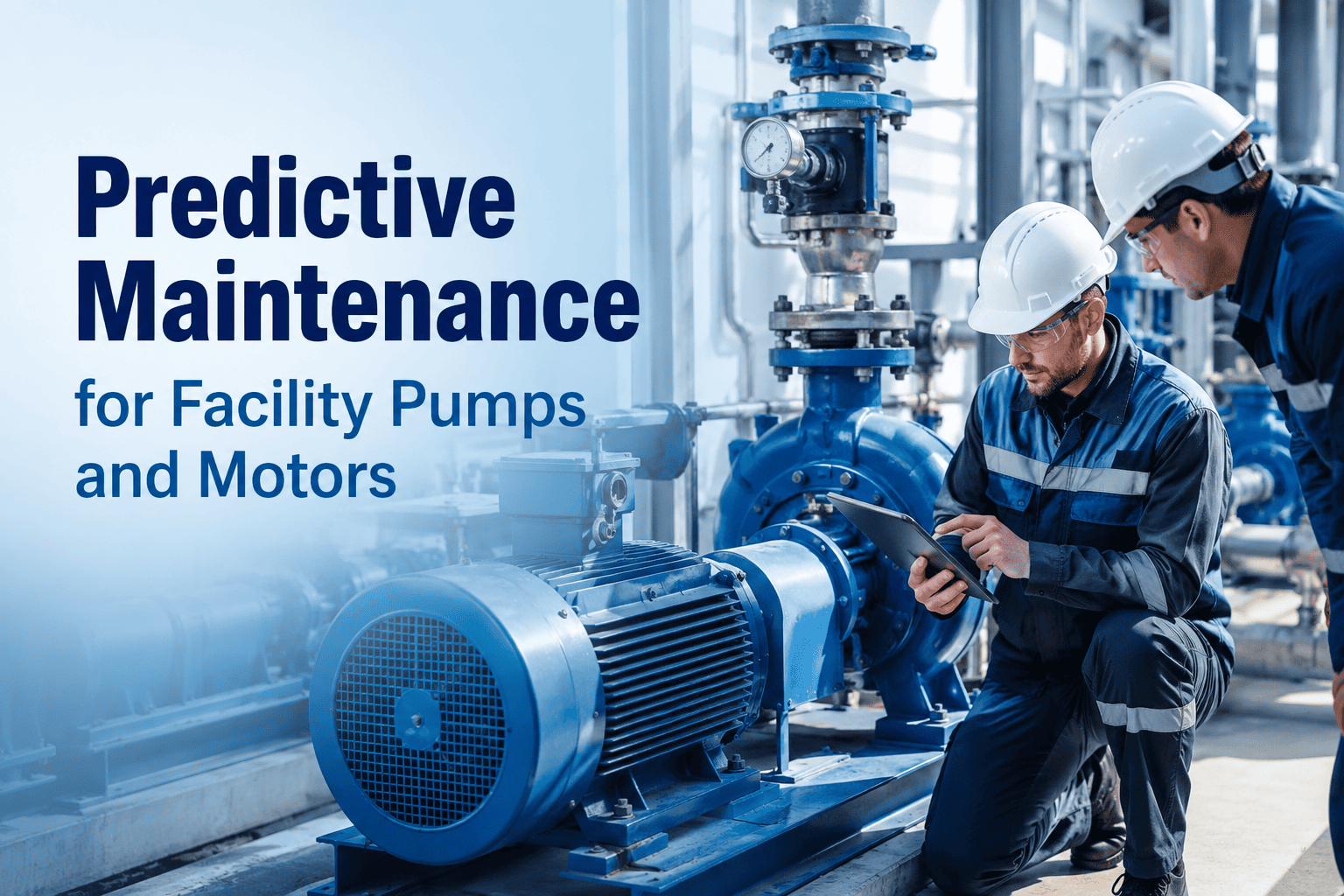
Plumbing pump failures cost commercial facilities an average of $15,000 per incident in emergency repairs and water damage—not counting the operational disruptions that cascade through entire buildings. With pumps operating 24/7 in water distribution, sewage handling, and pressure boosting applications, traditional reactive maintenance leaves facility managers perpetually one failure away from crisis. The solution? AI-powered predictive maintenance that transforms pump monitoring from guesswork into precision science. Studies show predictive approaches reduce pump failures by up to 85% while cutting maintenance costs by
25-40%. OXmaint's maintenance management software integrates AI-powered pump monitoring directly into your maintenance workflows—start your free trial today to experience proactive pump management.
Reactive Maintenance
15-25%
Failure Prevention Rate
Unexpected breakdowns
Emergency repair costs 3-5x higher
Average 8-24 hour downtime
Water damage risks
VS
AI Predictive Maintenance
85-95%
Failure Prevention Rate
2-4 weeks advance warning
Planned repairs during off-hours
Zero unplanned downtime
Optimized parts inventory
AI predictive maintenance delivers 70% better failure prevention while reducing costs by 40%
Why Traditional Pump Maintenance Fails Modern Facilities
Traditional pump maintenance operates on two flawed approaches: reactive maintenance (fix it when it breaks) and time-based preventive maintenance (service at fixed intervals regardless of actual condition). Both methods waste money and leave facilities vulnerable. Research from the U.S. Department of Energy indicates that reactive maintenance costs 3-5 times more than planned maintenance, while time-based approaches either service equipment too early (wasting resources) or too late (after degradation begins).
Plumbing pumps face unique challenges that amplify these problems. Water quality variations, sediment accumulation, and continuous operation cycles accelerate wear in unpredictable patterns. A pump might run flawlessly for months, then deteriorate rapidly due to bearing wear or seal degradation. Without continuous monitoring, these early warning signs go undetected until catastrophic failure occurs. OXmaint's CMMS platform connects AI monitoring directly to maintenance workflows, ensuring no warning sign gets missed.
01
Emergency Premiums
After-hours emergency calls cost 2-3x standard rates. Weekend and holiday failures multiply costs further with expedited parts shipping.
02
Collateral Damage
Pump failures cause water damage, flooded mechanical rooms, and contamination. Secondary repairs often exceed pump replacement costs.
03
Operational Disruption
Building occupants without water service, HVAC system failures, and production shutdowns create cascading business impacts.
04
Shortened Lifespan
Running pumps to failure damages motors, shafts, and housings. Premature replacement costs 30-50% of pump lifecycle value.
05
Compliance Risks
Health code violations for sewage pump failures, legionella risks from stagnant water, and insurance claim denials for negligent maintenance.
The financial impact compounds across facility portfolios. A single commercial building may operate 10-20 pumps across domestic water, fire protection, HVAC, and sewage systems. Annual maintenance costs using reactive approaches can exceed $50,000 per building, with emergency incidents adding $15,000-$75,000 per occurrence. Ready to break this costly cycle? Schedule a demo with OXmaint to see how AI monitoring transforms pump reliability economics.
Stop Paying Emergency Premiums
OXmaint's AI-powered pump monitoring detects problems weeks before failure, converting emergency repairs into planned maintenance at a fraction of the cost.
How AI Transforms Pump Monitoring and Maintenance
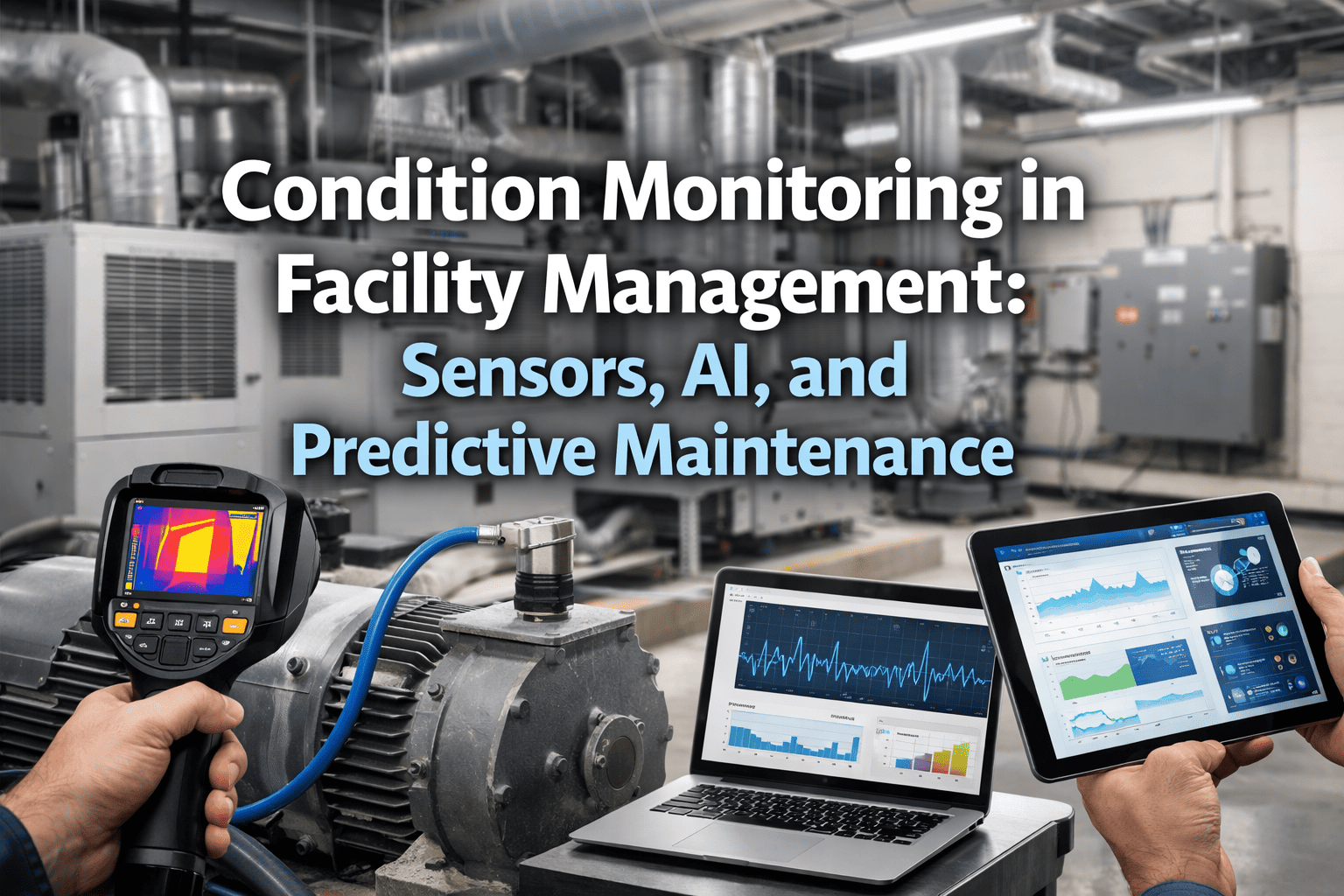
AI-powered predictive maintenance combines continuous sensor monitoring with machine learning algorithms trained on millions of pump operating patterns. These systems analyze vibration signatures, temperature trends, power consumption, flow rates, and pressure differentials in real-time—detecting subtle anomalies that indicate developing problems weeks before human inspection could identify them.
1
Sensor Deployment
Vibration, temperature, pressure, and power sensors installed on pump assemblies
2
Data Collection
Continuous streaming of operational parameters to cloud analytics platform
3
AI Analysis
Machine learning models compare patterns against known failure signatures
4
Predictive Alerts
Automated work orders and alerts generated with recommended actions
Failure Detection Lead Time:
2-4 Weeks Before Breakdown
The AI learns each pump's unique operating characteristics, establishing baseline patterns that account for load variations, seasonal changes, and system interactions. When deviations occur—a slight increase in vibration frequency indicating bearing wear, or power consumption changes suggesting impeller degradation—the system flags the anomaly and predicts remaining useful life. Try OXmaint free and experience how our platform converts AI insights into actionable maintenance tasks.
Key Parameters AI Monitors for Pump Health
Effective predictive maintenance requires monitoring multiple parameters simultaneously—no single measurement tells the complete health story. AI systems excel at correlating data across parameters, identifying complex failure patterns that isolated measurements would miss.
Vibration Analysis
Detects: Bearing wear, shaft misalignment, impeller damage, cavitation
Detection accuracy: 92-98%
Temperature Monitoring
Detects: Bearing overheating, seal friction, motor winding issues
Warning lead time: 1-3 weeks
Power Consumption
Detects: Impeller wear, blockages, motor degradation, efficiency loss
Energy savings potential: 15-25%
Flow Rate Analysis
Detects: Impeller erosion, pipe blockages, valve issues, air entrainment
Deviation threshold: ±5% baseline
Pressure Differential
Detects: Wear ring clearance, internal leakage, system restrictions
Early warning: 2-4 weeks
Motor Current Signature
Detects: Rotor bar defects, stator issues, electrical imbalances
Motor fault detection: 95%+
OXmaint's CMMS platform integrates these AI monitoring capabilities directly into your maintenance workflow. When sensors detect anomalies, the system automatically creates work orders with specific diagnostic information, recommended actions, and predicted urgency levels. Book a consultation to discuss sensor integration for your pump systems.
Head-to-Head: Complete Maintenance Approach Comparison
The data demonstrates why leading facility managers are transitioning to AI predictive approaches. Manufacturers using OXmaint's integrated monitoring and maintenance platform report dramatic improvements across every metric. Don't let outdated maintenance practices drain your budget—book your personalized demo and see exactly how these improvements translate to your facility.
See the Performance Difference for Yourself
OXmaint's AI-powered pump monitoring detects degradation patterns your current processes miss. Our 30-minute demo shows real prediction accuracy using pump types common to your facility.
The ROI Equation: Financial Impact of AI Pump Monitoring
The financial case for AI predictive maintenance builds from multiple savings streams that compound across pump portfolios. Converting emergency repairs to planned maintenance alone delivers 40-60% cost reduction per incident. Factor in extended equipment life, energy optimization, and avoided collateral damage, and ROI timelines accelerate dramatically.
Emergency Repair Elimination
Converting 4 emergency calls to planned maintenance
$45,000
Downtime Prevention
Avoiding 32 hours of unplanned outages
$24,000
Equipment Life Extension
20% lifespan increase across pump portfolio
$18,000
Energy Optimization
15% efficiency improvement from early degradation detection
$12,000
Collateral Damage Prevention
Avoided water damage and secondary repairs
$35,000
Total Annual Savings:
$134,000+
Typical payback period: 4-8 months
Beyond direct cost savings, AI monitoring enables capabilities impossible with traditional approaches. Real-time performance dashboards identify efficiency degradation before energy costs spike. Automated compliance documentation satisfies insurance requirements while reducing administrative burden. Complete maintenance histories support warranty claims and capital planning decisions.
OXmaint's maintenance management software maximizes these savings by connecting AI monitoring directly to maintenance actions. When sensor data indicates bearing wear trending toward failure, OXmaint automatically generates work orders with part requirements, estimated labor, and optimal scheduling windows—turning predictive insights into proactive maintenance execution. Schedule a demo to see this integration in action.
Pump Types: Where AI Monitoring Delivers Greatest Impact
Booster Pumps
Pressure maintenance, high-rise water distribution, fire system boosting
Failure prediction: 94% accuracy
Submersible Pumps
Sump pits, elevator shafts, basement drainage, groundwater control
Seal failure detection: 2-3 weeks early
Circulating Pumps
HVAC hydronic systems, domestic hot water recirculation, heating loops
Energy savings: 18-25%
Sewage Ejector Pumps
Below-grade waste removal, lift stations, grinder pump systems
Clog prediction: 85% accuracy
Fire Pumps
Fire suppression systems, standpipe boosting, sprinkler pressure maintenance
Compliance monitoring: 100% documented
Variable Speed Pumps
Demand-based water systems, pressure zone management, energy-efficient operations
VFD health monitoring included
No matter your pump configuration, OXmaint's maintenance management platform adapts to your specific monitoring and maintenance requirements. Our team has helped facility managers across all building types implement AI-powered pump monitoring with measurable results. Book a consultation to discuss your pump system challenges.
What Pumps Are You Managing?
OXmaint serves commercial buildings, hospitals, hotels, manufacturing facilities, and multi-family properties. Let us show you how AI monitoring integrates with your specific pump systems.
Common Pump Failure Modes AI Detects Early
Bearing Wear
Noise/heat at failure
Vibration frequency shift
3-6 weeks
Seal Degradation
Visible leakage
Temperature + vibration correlation
2-4 weeks
Impeller Erosion
Performance decline
Power consumption + flow analysis
4-8 weeks
Cavitation
Loud operation
Acoustic signature analysis
Real-time
Motor Winding Failure
Motor stops
Current signature + temperature
2-3 weeks
Shaft Misalignment
Coupling damage
Vibration pattern analysis
Immediate detection
Blockage/Clogging
Complete stoppage
Pressure + current anomaly
1-2 weeks
Each failure mode produces distinct signatures that AI algorithms recognize from patterns across thousands of pump installations. The key advantage: detecting degradation during the "P-F interval" (potential failure to functional failure window) when repairs are simple and inexpensive, rather than after catastrophic failure when damage compounds.
Implementation: Getting Started with AI Pump Monitoring
Transitioning from reactive or preventive maintenance to AI predictive monitoring follows a proven path that minimizes risk while demonstrating value quickly. Smart facility managers start with pilot programs on critical pumps, measuring performance against baseline metrics before expanding across portfolios.
Week 1-2
Assessment
Pump inventory audit, criticality ranking, sensor selection, baseline data collection
Week 3-4
Installation
Sensor mounting, network connectivity, CMMS integration, alert configuration
Week 5-8
Learning Period
AI model training on your pump patterns, baseline establishment, threshold calibration
Week 9+
Active Monitoring
Predictive alerts active, automated work orders, continuous model improvement
OXmaint's CMMS platform connects directly with pump monitoring systems, automatically generating work orders when AI detects degradation patterns. This integration transforms sensor data into actionable maintenance tasks, ensuring predictions trigger timely response rather than accumulating in unread dashboards. The result: faster resolution, better traceability, and continuous reliability improvement driven by real operational data.
Our implementation specialists guide you through every phase, from initial assessment to full predictive operation. Most facilities see first predictive alerts within 60 days and measurable ROI within the first year. Schedule your free consultation to get a customized implementation roadmap for your pump systems.
Making the Right Choice for Your Facility
While AI predictive maintenance delivers superior performance for most pump applications, implementation priorities should align with pump criticality and failure consequences. Mission-critical pumps supporting life safety, continuous operations, or high-value assets warrant immediate AI monitoring investment. Secondary pumps with redundancy or lower failure impact may follow in subsequent phases.
Immediate AI Monitoring Priority:
Fire pumps (life safety critical)
Sewage ejector pumps (health/compliance)
Single-pump systems (no redundancy)
High-rise booster pumps
Hospital/healthcare facilities
Data center cooling pumps
Phase 2 Implementation:
Duplex pump systems (backup available)
HVAC circulating pumps
Domestic hot water recirculation
Landscape irrigation pumps
Cooling tower pumps
Condensate return pumps
Not sure which pumps should receive AI monitoring first? OXmaint's team can help you evaluate your pump portfolio and recommend the optimal implementation sequence based on criticality, failure history, and budget constraints. Book a free consultation to discuss your specific situation and get expert guidance on your predictive maintenance transformation.
Frequently Asked Questions
How much does AI pump monitoring cost compared to traditional maintenance?
Sensor systems for pump monitoring typically range from $500-$2,500 per pump depending on parameter coverage. However, the ROI calculation favors AI monitoring: a single prevented emergency failure ($15,000+ average cost) can fund monitoring for 10+ pumps. Most facilities achieve positive ROI within 4-12 months through eliminated emergencies, extended equipment life, and optimized maintenance scheduling.
Schedule a demo to get a cost analysis specific to your pump portfolio.
Can AI monitoring work with my existing pumps, or do I need new equipment?
AI monitoring retrofits to virtually any pump installation. Sensors attach externally to pump housings, motors, and piping without modifying equipment. Wireless connectivity options eliminate cabling requirements in difficult-to-access locations. Even pumps decades old can benefit from predictive monitoring—often these older assets benefit most from condition-based maintenance. OXmaint's platform supports all major sensor protocols—
try it free to see integration options for your equipment.
What accuracy can we expect from AI failure predictions?
Modern AI pump monitoring achieves 85-95% failure prediction accuracy with 2-4 weeks advance warning for most failure modes. Specific accuracy varies by failure type: bearing failures predict at 92-98% accuracy, seal degradation at 88-94%, and motor issues at 90-96%. Systems continuously improve as they learn from your specific pump operating patterns. Want to see prediction accuracy on your pump types?
Book a live demo.
How long until the AI system learns my pump patterns?
Initial baseline establishment typically requires 4-8 weeks of operational data to capture normal operating variations across load cycles, time-of-day patterns, and seasonal changes. However, AI models arrive pre-trained on patterns from thousands of similar pumps, enabling anomaly detection from day one. Full predictive accuracy develops over 2-3 months as the system learns your specific pump characteristics.
Sign up today to start your learning period.
Does AI monitoring integrate with our existing building management or CMMS systems?
Yes. OXmaint's platform provides native integrations with major BMS platforms and can export data via standard protocols (BACnet, Modbus, REST APIs). For existing CMMS users, OXmaint can serve as your primary maintenance platform or integrate with current systems. Predictive alerts automatically generate work orders with diagnostic details, part requirements, and scheduling recommendations.
Talk to our team about integration with your specific systems.
Transform Your Pump Maintenance with OXmaint
Join facility managers using OXmaint's maintenance management platform with integrated AI pump monitoring to achieve 85%+ failure prevention while cutting maintenance costs by 40%. See how predictive alerts connect directly to maintenance workflows for proactive pump management.