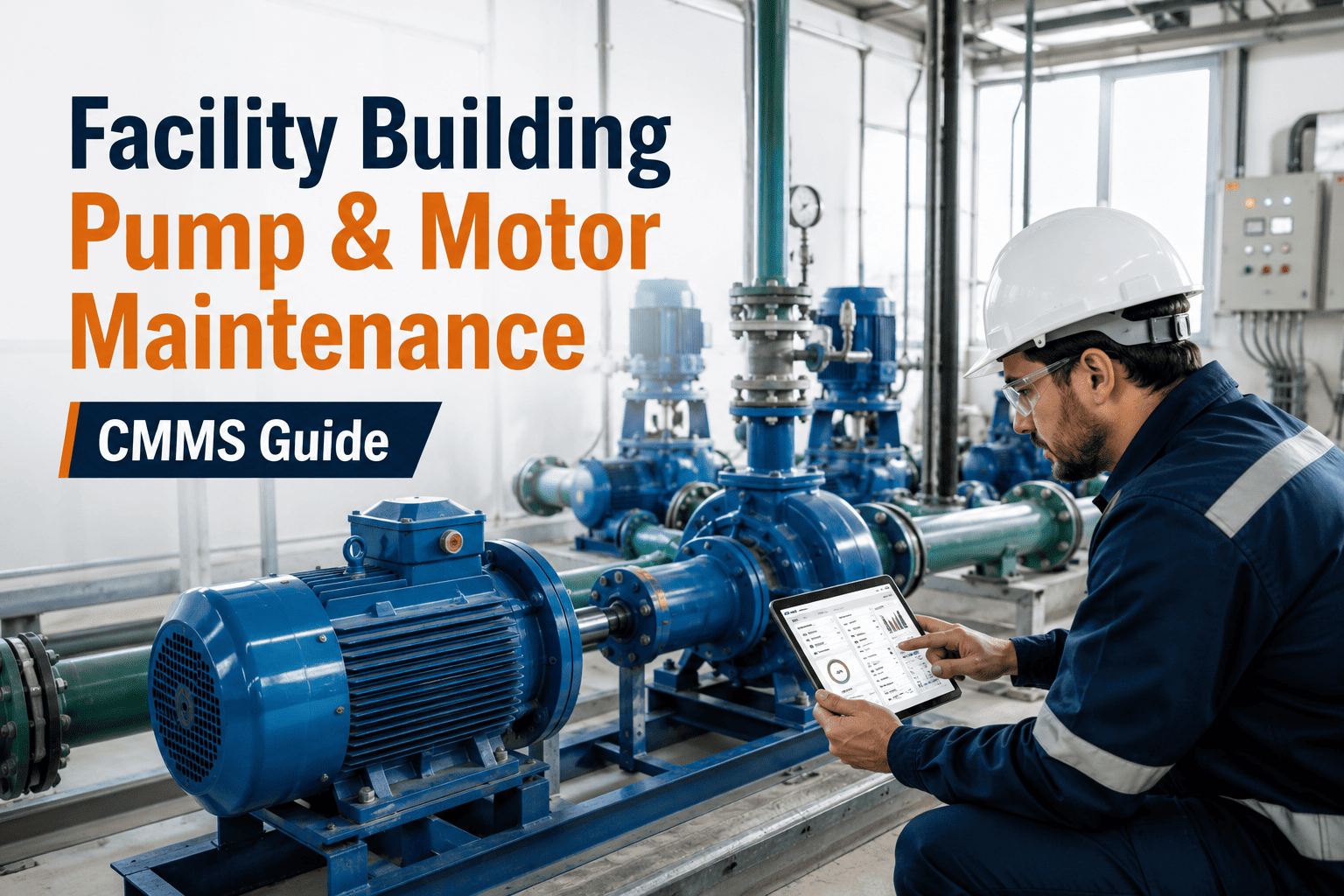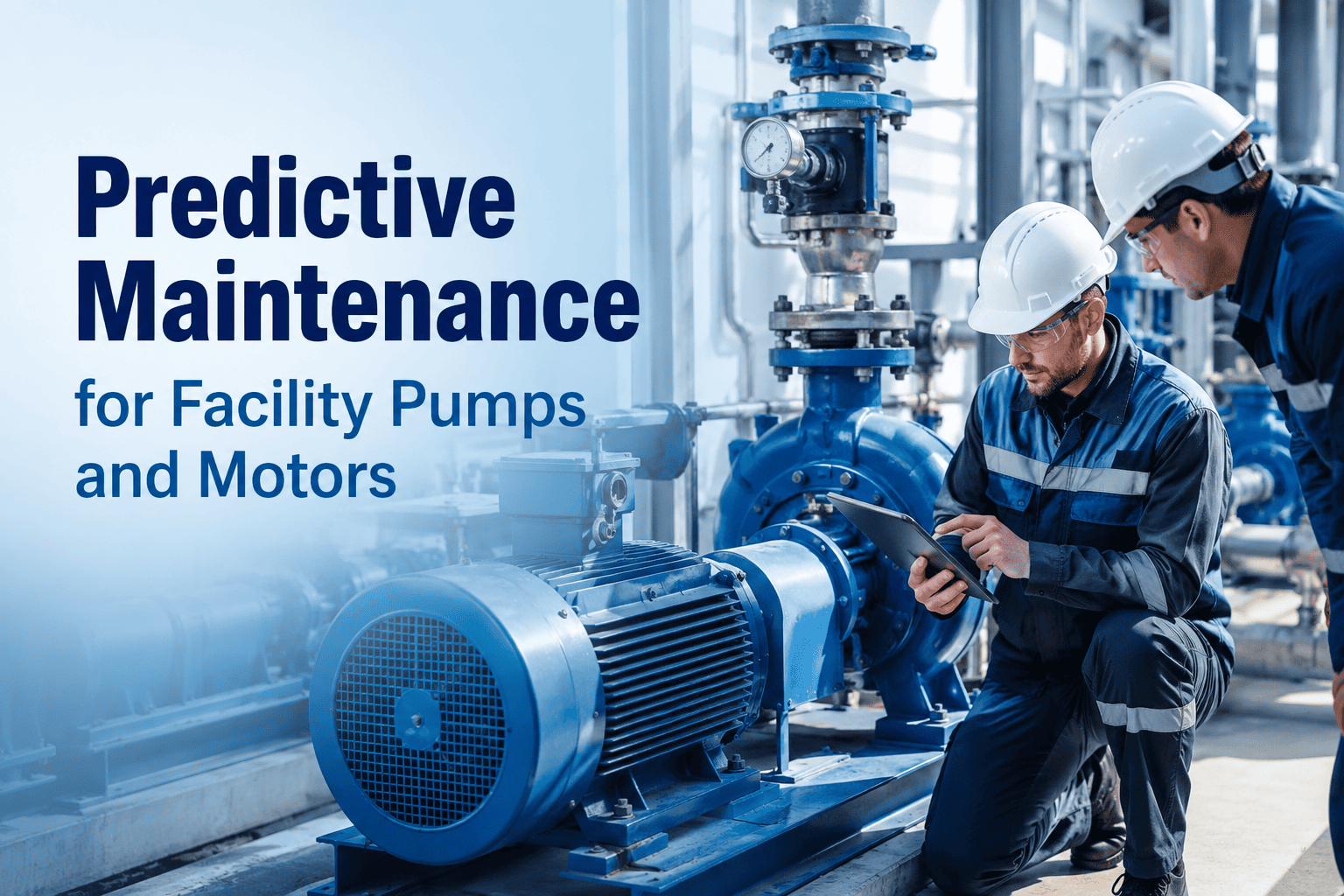
Pumps and motors are the circulatory system of any large facility — when they fail unexpectedly, the cascade effect hits HVAC, plumbing, fire suppression, and cooling simultaneously. Predictive maintenance eliminates reactive pump and motor failure by continuously monitoring vibration signatures, operating temperatures, runtime patterns, and historical failure data to flag degradation before it becomes a breakdown. Sign Up Free and start monitoring your critical rotating equipment today.
A Pump That Fails on a Friday Night Costs 8x More Than One Fixed on Tuesday
Oxmaint's Predictive Maintenance AI monitors vibration, temperature, runtime, and failure patterns across your pumps and motors — alerting your team days before failure, not after.
What the AI Monitors — Signal by Signal
Imbalance, misalignment, bearing wear, and cavitation each produce distinct vibration frequency signatures. AI models trained on failure libraries detect these patterns at sub-threshold levels, weeks before mechanical damage becomes irreversible.
Motor winding and bearing temperatures that climb gradually over operating cycles indicate insulation degradation or lubrication failure. Oxmaint tracks temperature trends, not just instantaneous values, to catch slow-burn failure modes that threshold alarms miss.
Abnormal starts-per-hour, excessive short cycling, and duty cycle deviations signal control system issues, pressure problems, or impeller wear. Runtime pattern analysis builds a baseline for each asset and alerts on statistically significant deviations.
Historical failure data from thousands of similar assets trains the AI to recognize pre-failure behavioral signatures. When a pump's current data profile matches patterns that preceded past failures, a predictive alert is generated with estimated time to failure and recommended action.
Failure Mode vs Detection Lead Time
| Failure Mode | Reactive Detection | Predictive Detection | Warning Lead Time | Typical Repair Cost Avoided |
|---|---|---|---|---|
| Bearing Wear | Noise / seizure | Vibration frequency shift | 14–21 days | $4,200 avg |
| Impeller Cavitation | Flow loss / damage | Acoustic signature + flow delta | 7–14 days | $6,800 avg |
| Motor Overheating | Trip / winding burn | Temperature trend anomaly | 5–10 days | $9,500 avg |
| Seal Degradation | Visible leak | Pressure variance + runtime deviation | 10–18 days | $2,100 avg |
| Coupling Misalignment | Vibration / failure | Harmonic vibration pattern | 7–12 days | $3,600 avg |
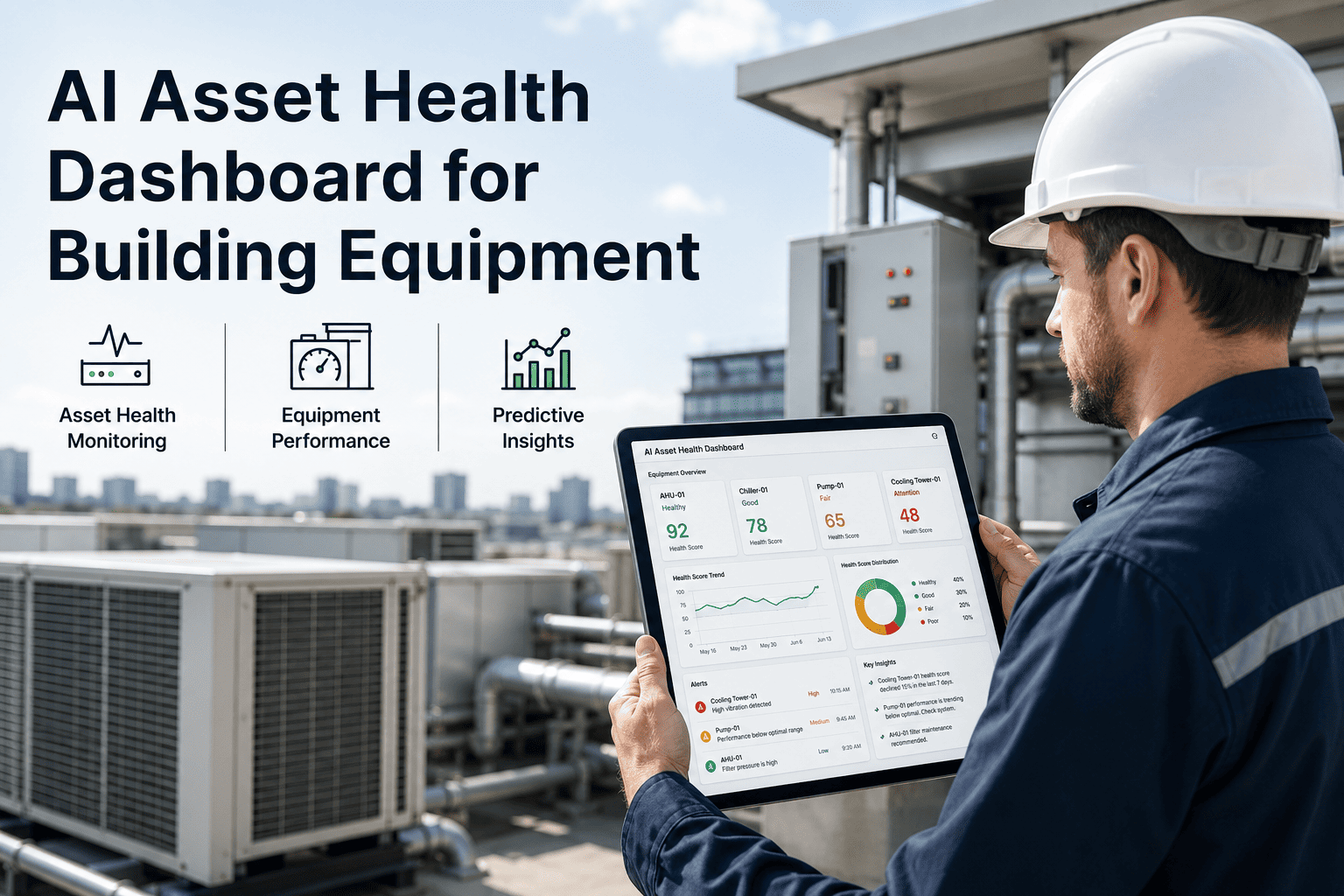
Each asset receives a continuous 0–100 health score calculated from live sensor readings, maintenance history age, and failure probability models. Scores below 50 trigger scheduled inspection alerts. Scores below 25 trigger urgent work orders automatically.
The shift from time-based to condition-based maintenance for pumps and motors is one of the highest-ROI operational changes a facility team can make. Time-based PMs over-maintain healthy equipment and under-maintain degrading ones — you're essentially replacing parts by calendar, not by need. Vibration and temperature trending with AI pattern recognition gives you actual condition data, which means you intervene precisely when needed. In my experience, facilities that adopt predictive monitoring for rotating equipment reduce their total maintenance spend on those assets by 35 to 45 percent within 18 months of deployment.
Connect Your Pumps and Motors to Oxmaint's Predictive AI in Days
No rip-and-replace. No complex integration. Retrofit sensors connect to existing assets and start streaming health data immediately. Your first predictive alert could arrive within 48 hours.