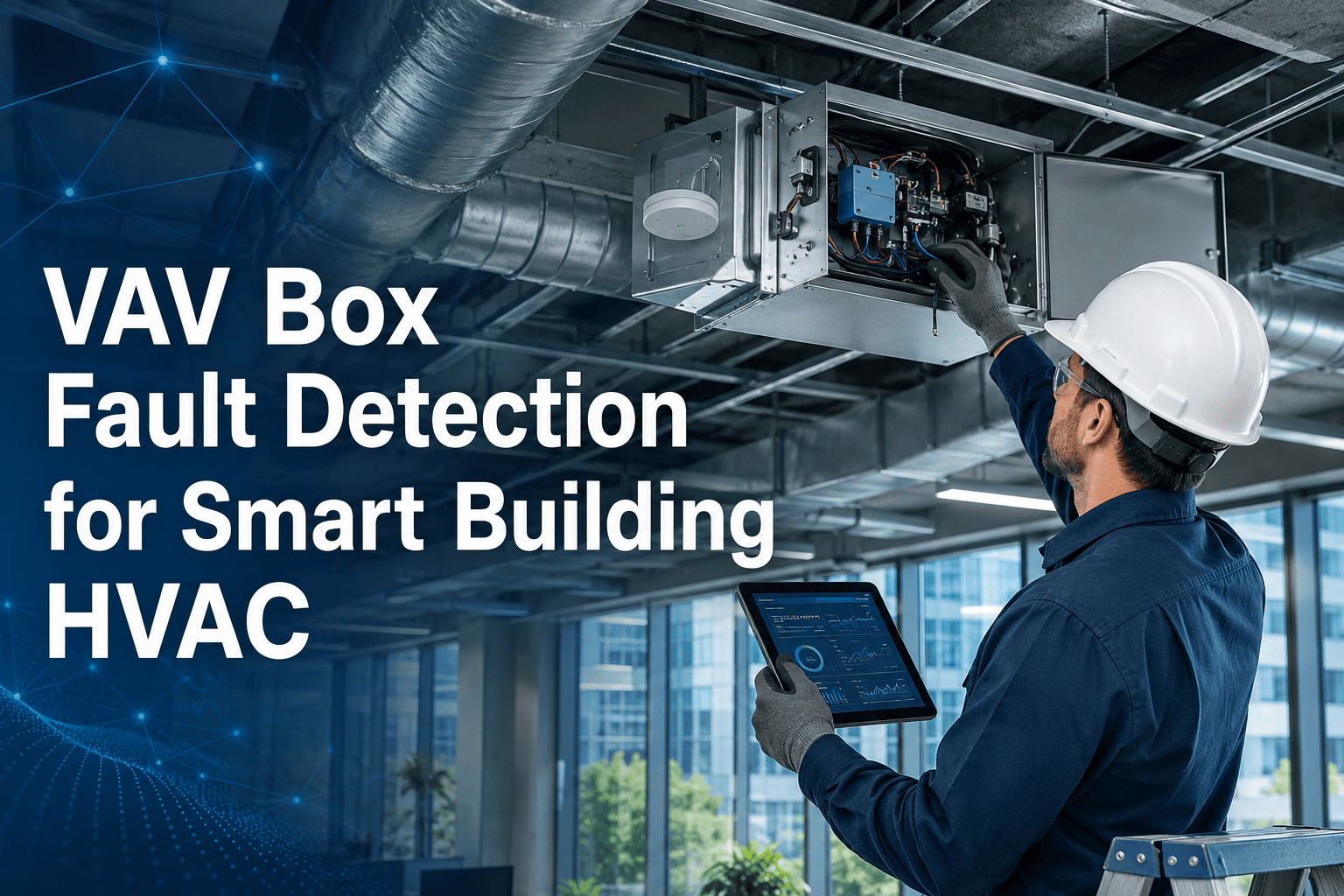
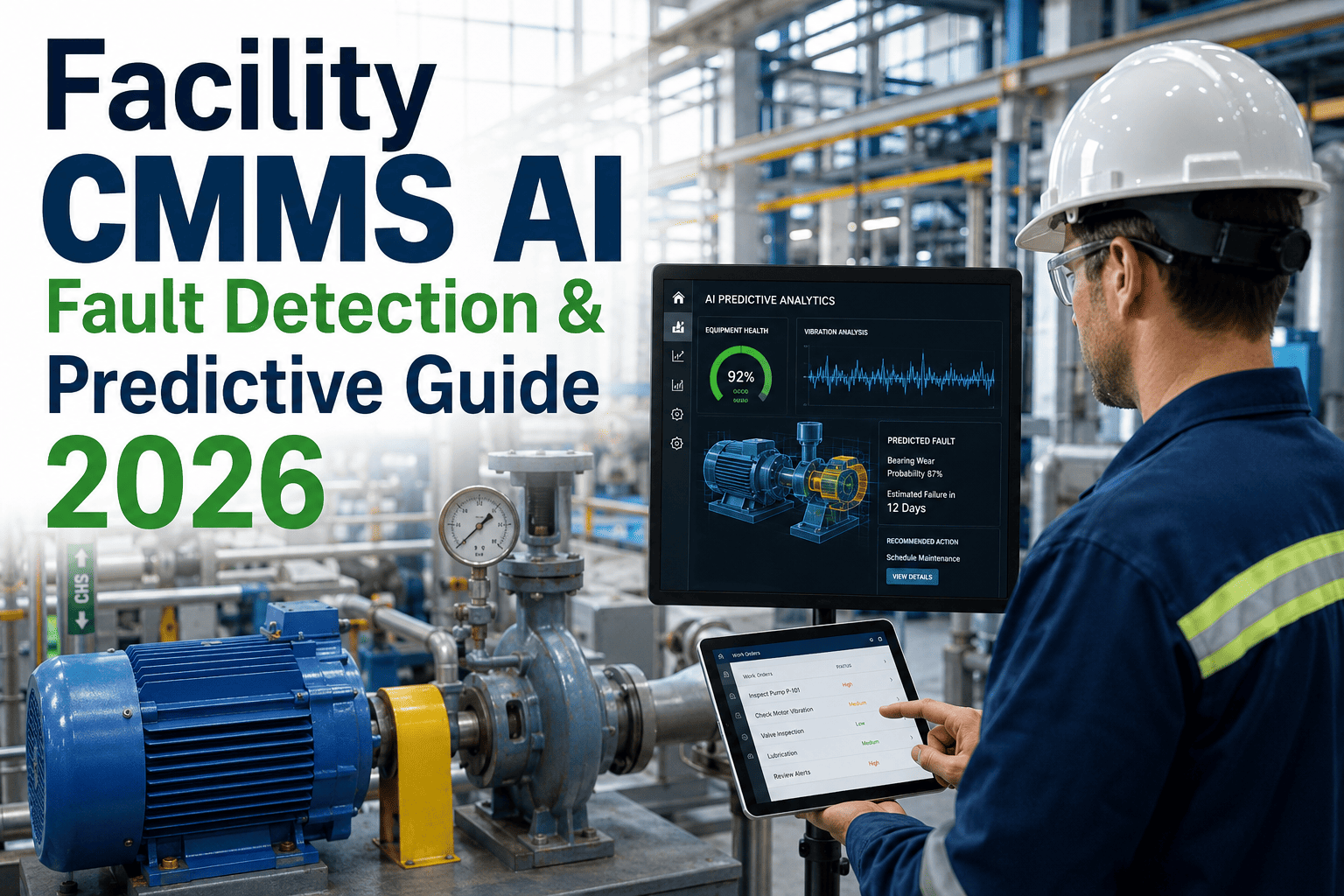
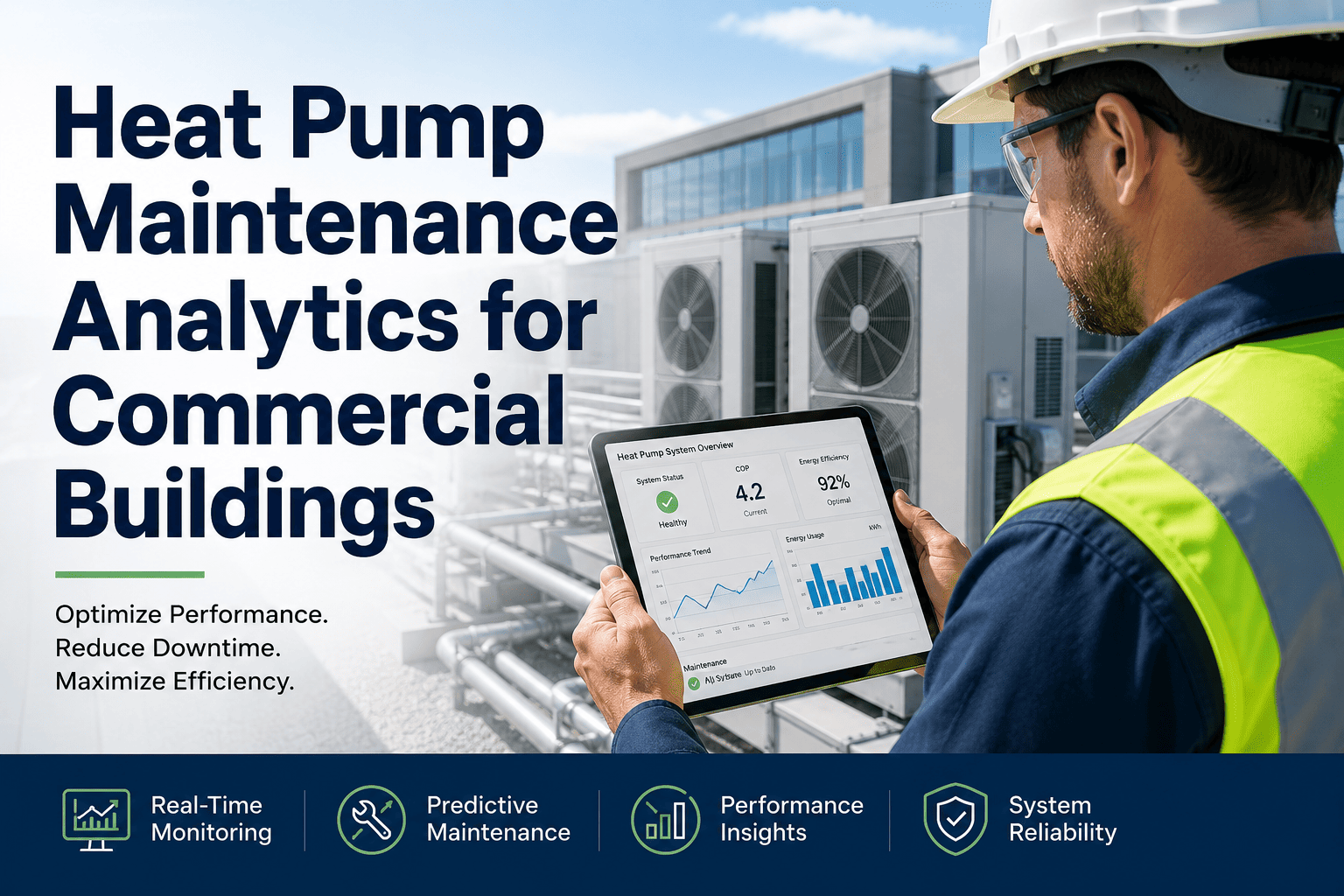
Variable Air Volume systems are the core of comfort control in most commercial buildings built or renovated since the 1990s, yet stuck dampers, broken actuators, and calibration drift in VAV boxes are among the most under-diagnosed sources of occupant complaints and energy waste in facilities today. A single stuck-open VAV box can increase zone energy consumption by 30 to 40%, and building-wide calibration drift across dozens of boxes can add hundreds of thousands of dollars in annual HVAC operating cost before a single complaint is filed. Oxmaint's Predictive Maintenance AI applies automated fault detection logic to VAV system data, surfacing the specific box, the specific fault, and the likely repair action before occupants notice anything has gone wrong.
30–40%
Zone energy increase from a single stuck-open VAV damper
15–25%
HVAC energy saved annually with active VAV fault detection
60%
Occupant comfort complaints tied to VAV airflow issues in studies
72 hrs
Typical time from VAV fault occurrence to occupant-reported complaint
The 6 Most Common VAV Box Faults — and Why They Go Undetected
Most building automation systems report VAV box setpoints and supply air temperatures, but do not perform fault detection against expected performance baselines. The result is that faults that produce a gradual energy or comfort drift — not an outright alarm — remain invisible until they escalate. These are the six faults that account for the majority of undetected VAV performance loss in commercial buildings.
Actuator failure or mechanical jamming leaves damper fixed at one position regardless of BAS command. Stuck-open causes over-conditioning and simultaneous heating and cooling energy waste. Stuck-closed creates comfort complaints and potential ventilation code violation. Detectable via comparison of commanded position vs airflow sensor feedback.
Velocity pressure sensors clog with dust or drift in calibration, causing the VAV controller to modulate the damper based on inaccurate flow readings. The BAS reports nominal operation while actual airflow is well outside the setpoint. This fault causes simultaneous energy waste and comfort failure with no BAS alarm.
Hot water or electric reheat coils that fail to activate when commanded allow cold primary air to reach occupied zones below heating setpoint. This fault presents as persistent heating complaints in perimeter zones, particularly in winter, and is often misdiagnosed as thermostat or setpoint issues before the coil is inspected.
VAV boxes with minimum airflow setpoints set higher than necessary over-ventilate zones at minimum, forcing the air handling unit to condition excess air. Portfolio-wide minimum position creep from aggressive commissioning settings or BAS software updates can add 8 to 15% to AHU energy consumption without any individual box appearing faulty.
Discharge air temperature sensor offset causes the zone to request more cooling or heating than the actual thermal load requires. This fault amplifies energy consumption and occupant discomfort simultaneously, and because it operates within normal BAS reporting ranges, it is rarely identified during routine checks.
Improper PID tuning or control loop instability causes the damper to cycle continuously rather than settle at setpoint. Hunting increases actuator wear, shortens component life, and creates persistent minor airflow variance that cumulatively penalizes energy performance across an entire floor if multiple boxes exhibit the same behavior.
Fault Detection Logic — How AI Identifies VAV Issues
AI fault detection for VAV systems compares real-time sensor data against physics-based performance models and statistical baselines derived from each box's own historical behavior. This approach identifies faults that rule-based alarms miss because the fault manifests as a deviation from expected normal operation — not an absolute setpoint breach.
| Fault Type |
Data Inputs Used |
Detection Method |
Typical Lead Time |
| Stuck Damper |
Commanded position, airflow feedback |
Position-flow correlation failure |
Same shift |
| Airflow Sensor Drift |
Flow sensor, commanded position, zone temp |
Statistical deviation from baseline model |
1–3 days |
| Reheat Failure |
Discharge temp, heating command, supply air |
Delta-T response validation |
Same shift |
| Min Position Creep |
Portfolio airflow at minimum, AHU supply |
Fleet-level baseline comparison |
Weekly trend |
| Hunting/Oscillation |
Damper position time-series |
Frequency analysis of control signal |
Hours |
Find Every Stuck Damper and Drifting Sensor Across Your Building
Oxmaint's AI runs continuous fault detection on your VAV system data, ranking issues by energy and comfort impact so your technicians fix the problems that matter most first.
"The dirty secret of commercial building HVAC is that most VAV systems in the field are operating with between 15 and 35% of their boxes in some state of fault — stuck dampers, drifted sensors, miscalibrated minimums. The BAS sees setpoints, not performance. You need fault detection that compares what the system is doing against what physics says it should be doing, on every box, every hour. I have seen buildings cut HVAC energy 20% in the first three months after implementing automated fault detection — not from capital projects, just from finding and fixing what was already broken."
Dr. James Pritchard, PhD HVAC Engineering
Building Systems Commissioning Expert · Former Research Lead, Lawrence Berkeley National Laboratory · 25 Years Commercial Building Analytics
Frequently Asked Questions
Does VAV fault detection require new hardware or sensors in our building?
In most commercial buildings with existing BAS infrastructure, VAV fault detection can be implemented using data already being collected — damper position commands, airflow measurements, zone temperatures, and discharge air temperatures are standard BAS data points in virtually all modern VAV systems. The AI analysis layer connects to existing BAS data via API or data connector, applying fault detection logic without requiring additional hardware installation in most cases. Where buildings have older BAS systems with limited data export capability, a lightweight edge device can collect and forward the relevant data points without requiring a full BAS replacement.
Oxmaint connects to your existing infrastructure to deliver fault detection as an analytics layer on top of what you already have.
How do we prioritize which VAV faults to repair first across a large building?
Fault prioritization should be driven by a combination of energy impact, comfort severity, and component risk. Stuck-open dampers on large zones with high reheat consumption have the highest energy impact and should typically be addressed first. Faults in zones with persistent occupant comfort complaints should be escalated even if the raw energy impact is modest, because comfort-driven complaints consume FM team time and affect productivity and lease renewal decisions. Fault detection platforms like Oxmaint rank detected issues by estimated energy waste and comfort severity, giving technicians a clear priority queue rather than a flat list of alerts that requires manual triage.
Book a demo to see how prioritized fault queues work in practice for a multi-floor commercial building.
What is a realistic energy savings estimate from VAV fault correction?
Industry studies and operational case data consistently show 15 to 25% HVAC energy savings from systematic VAV fault detection and correction programs, with the variance driven primarily by how degraded the baseline fleet condition was before fault detection began. Buildings that have undergone recent commissioning typically show savings at the lower end of this range; older buildings where VAV systems have not been systematically evaluated in several years often show savings well above 20%. The payback period for fault detection implementation is typically under 12 months in buildings above 100,000 square feet, and under 18 months for smaller portfolios, based on electricity cost savings alone and without accounting for reduced maintenance reactive labor and extended component life from operating equipment within intended parameters.
Every Day Your VAV Faults Go Undetected Is Energy and Comfort You Are Paying For