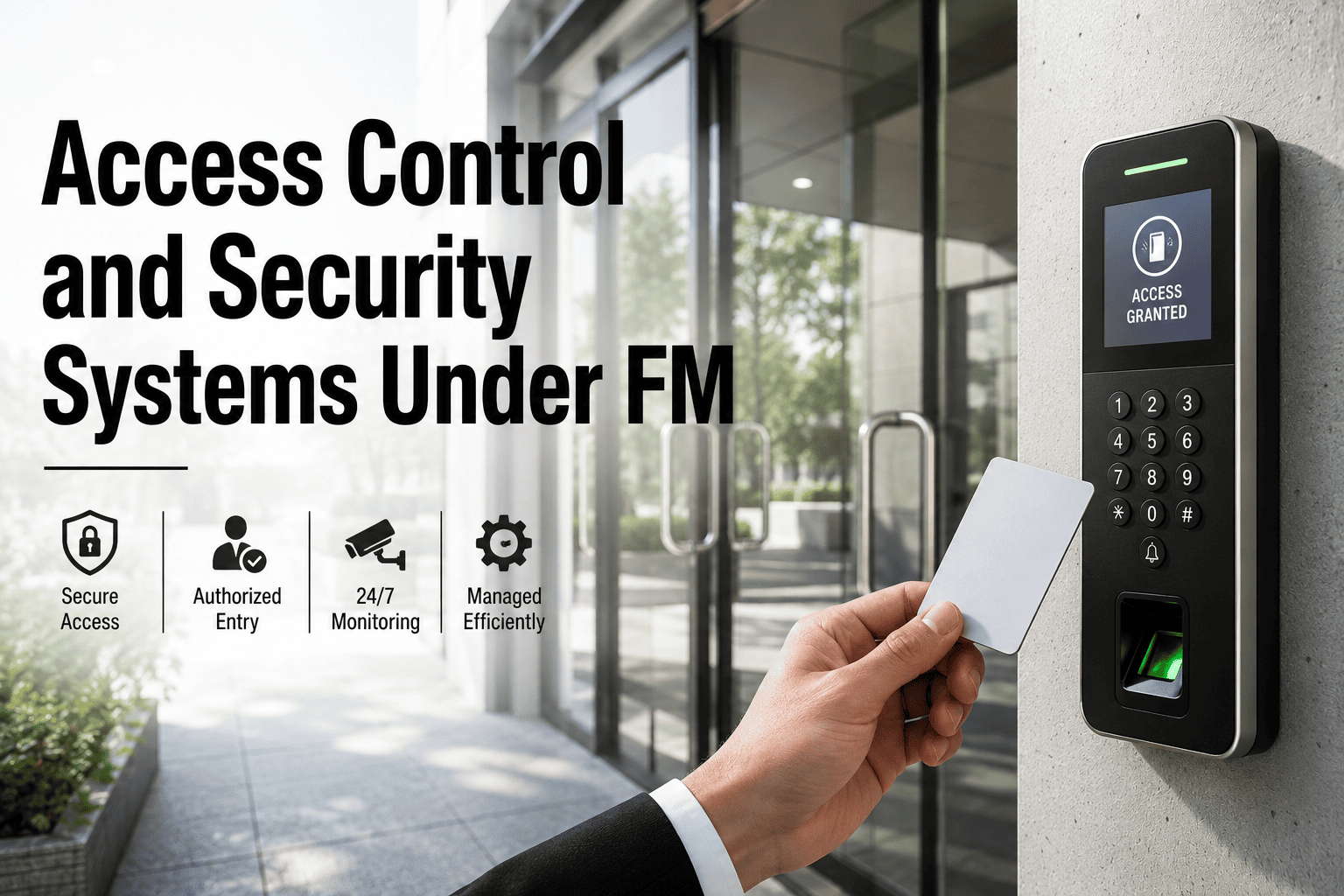
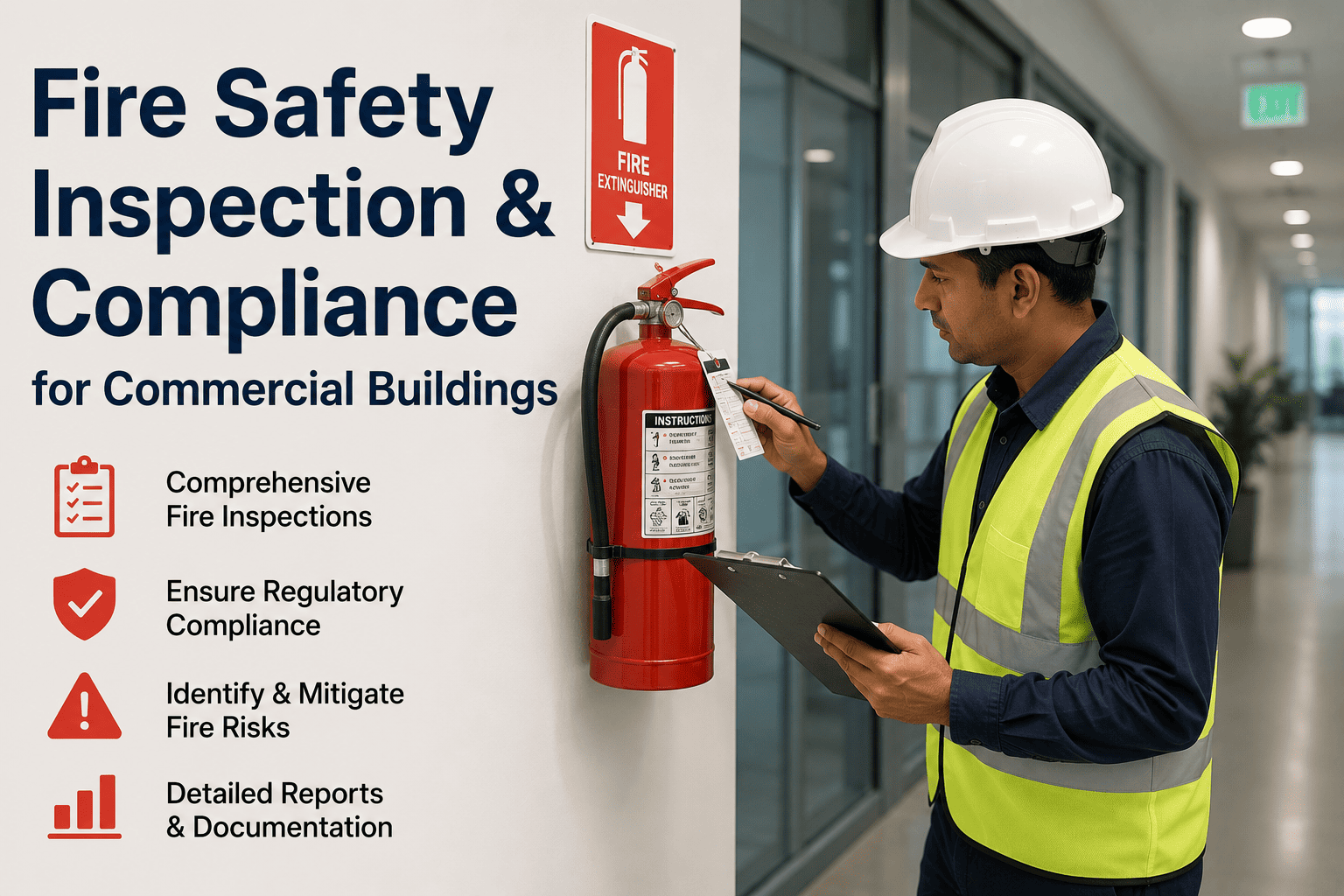
Workplace violence is the fourth-leading cause of occupational fatalities in the United States, accounting for 761 deaths and over 37,000 serious non-fatal injuries annually according to the Bureau of Labor Statistics. For facility managers, workplace violence prevention is not a human resources function. It is a physical security programme built into the built environment, maintained through documented inspection schedules, and proven through tested response protocols. Access control systems that have not been audited, surveillance coverage that was never mapped against blind spots, and emergency response plans that exist on paper but have never been drilled are the three most common gaps that convert a manageable security risk into a critical incident. OSHA has published explicit employer guidance on workplace violence prevention programmes under General Duty Clause enforcement, and California SB 553 became the first state law mandating written workplace violence prevention plans for most employers effective July 2024. The regulatory environment for commercial facility security compliance is tightening. Sign up free to schedule your access control, surveillance, and emergency system inspection programme in Oxmaint, or book a demo to see facility security compliance tracking configured for your building type and occupancy.
Schedule Every Security Inspection and Drill as a Recurring PM Task in Oxmaint
Oxmaint pre-loads access control audits, surveillance coverage reviews, emergency lighting tests, and lockdown drill documentation as recurring compliance tasks linked to your security asset register. Every completion generates a timestamped record. Every gap triggers a corrective work order.
The Four Types of Workplace Violence Facility Managers Must Plan For
OSHA classifies workplace violence into four types, each requiring different physical security countermeasures and facility design responses. Effective workplace violence prevention programmes address all four, not just the most visible type.
Physical Security Systems That FM Teams Must Inspect and Maintain
Workplace violence prevention in commercial facilities is sustained by the ongoing maintenance of physical security infrastructure. Each system below requires documented inspection intervals, tested functionality records, and deficiency work orders that close before the next inspection cycle.
| Security System | Monthly Inspection | Quarterly Testing | Annual Audit |
|---|---|---|---|
| Access Control System | Credential database review, terminated employee access audit, door hardware visual inspection | Card reader functional test, door prop alarm test, remote lock and unlock verification | Full coverage map review, camera-to-door correlation audit, penetration test of entry points |
| CCTV and IP Camera System | Image quality check, lens cleaning, recording storage capacity verification | Camera coverage map review, blind spot identification, motion detection zone testing | Full coverage gap analysis, resolution and frame rate compliance review, retention period audit |
| Intrusion Detection System | Panel status check, tamper indicator review, battery backup level verification | Zone-by-zone functional test, alarm notification test to monitoring centre | Full system test by licensed contractor, detection sensitivity calibration, UL 2050 compliance audit |
| Duress Alarm and Panic Button System | Device location verification, battery status check on wireless units | Full activation test for each device, response time measurement to designated receivers | Coverage map review, response protocol drill with documented timing and personnel accountability |
| Emergency Communication System | Speaker intelligibility check, amplifier status indicator review | Zone-by-zone announcement test, backup power transfer test | Full system intelligibility measurement per NFPA 72, mass notification integration test |
| Exterior Lighting | Visual inspection of all parking, pathway, and entry lights, burned-out lamp replacement | Photometric measurement at key entry points and parking zones, timer and sensor calibration | Full site photometric survey against IESNA RP-33 security lighting standards |
OSHA and Regulatory Compliance Framework for Workplace Violence Prevention
No single federal OSHA standard specifically addresses workplace violence for general industry. Enforcement is conducted under Section 5(a)(1), the General Duty Clause, which requires employers to provide a workplace free from recognised hazards. The regulatory landscape varies significantly by state and industry.
Connect Your Workplace Violence Prevention Programme to Your Compliance Management System
Oxmaint links security system inspections, drill documentation, incident logs, and corrective action work orders to a single compliance record exportable on demand for OSHA, Cal/OSHA, Joint Commission, and insurance audits. Book a demo to see security compliance tracking for your facility type.
Before vs After: Reactive Security Management vs Planned Prevention Programme
| Security Activity | Reactive Facility | Oxmaint-Managed Facility |
|---|---|---|
| Access credential audit | Terminated employees discovered to have active credentials during incident investigation. No scheduled review process. | Monthly credential audit scheduled as PM task. Deficiencies auto-generate deactivation work orders within 24 hours. |
| Camera coverage review | Blind spots discovered after incident. No systematic coverage gap documentation or remediation schedule. | Quarterly coverage map review generates blind spot report. Capital remediation requests linked to documented gap findings. |
| Duress alarm testing | Panic buttons not tested since installation. Response time and notification path unknown. Discovered non-functional during actual activation. | Quarterly functional test with measured response times. Non-functional devices trigger priority work order before next cycle. |
| Emergency drill documentation | Drills conducted irregularly. No record of participants, timing, or deficiencies. Cannot demonstrate compliance programme to OSHA or insurer. | Drill scheduled as annual PM. Completion logged with participant count, timing, and observed deficiencies. Exportable for regulatory inspection. |
| Security incident log | Incidents logged inconsistently in multiple formats. Cannot produce complete incident history for OSHA investigation or insurance claim. | Every security incident logged as work order with date, location, type, and corrective action. Complete history exportable on demand. |
| Regulatory compliance response | OSHA inspection requires 2 to 4 weeks to assemble documentation. Missing records create citation exposure. | All inspection, drill, incident, and corrective action records exportable as compliance package in under 60 seconds. |
How Oxmaint Supports Workplace Violence Prevention Compliance
Workplace violence prevention compliance for FM teams is fundamentally a documentation and scheduling problem. OSHA, Cal/OSHA SB 553, and Joint Commission all look for the same thing during investigations and audits: evidence that the facility identified security hazards, implemented corrective measures, tested those measures on a schedule, and documented the outcomes. Oxmaint connects every security system inspection, drill, incident log, and corrective work order into a single timestamped record that proves programme implementation without manual compilation.
Access control, CCTV, intrusion detection, duress alarms, and emergency communication systems each get their own recurring PM task schedule linked to the specific asset. Overdue tasks escalate automatically. No calendar management required. Sign up free to activate security inspection templates.
Security incidents logged in Oxmaint include date, location, incident type, staff involved, and immediate response. Each finding auto-generates a corrective work order with assigned responsibility and target completion date. Cal/OSHA SB 553 Violent Incident Log requirements are met automatically.
Lockdown, evacuation, and active threat response drills are scheduled as annual PM tasks in Oxmaint. Completion requires entering participant count, drill duration, and observed deficiencies before the work order closes. Every drill generates a timestamped, exportable compliance record. Book a demo to configure drill scheduling for your facility type.
All security inspections, incident logs, drill records, and corrective action completions are timestamped and technician-attributed in Oxmaint. OSHA investigations, Cal/OSHA SB 553 audits, Joint Commission inspections, and insurance reviews all receive a complete compliance documentation package exported on demand without manual assembly.
Workplace Violence Prevention Compliance Benchmarks
Frequently Asked Questions: Workplace Violence Prevention for Facility Managers
QWhat documentation does OSHA require for a workplace violence prevention programme?
QDoes California SB 553 apply to facility managers outside California?
QHow often should access control credentials be audited for terminated employees?
QCan Oxmaint manage workplace violence prevention compliance across a multi-site portfolio?
Every Security System That Is Not on a Tested Inspection Schedule Is a Compliance Risk and a Liability Exposure
Oxmaint pre-loads security system inspection schedules, drill documentation templates, and incident log structures as recurring PM tasks linked to your security asset register. Every completion logs with timestamp and attribution. Every deficiency triggers a corrective work order. Every audit request produces a complete compliance package in under 60 seconds. Book a 30-minute demo to see workplace violence prevention compliance management configured for your building type and occupancy category.