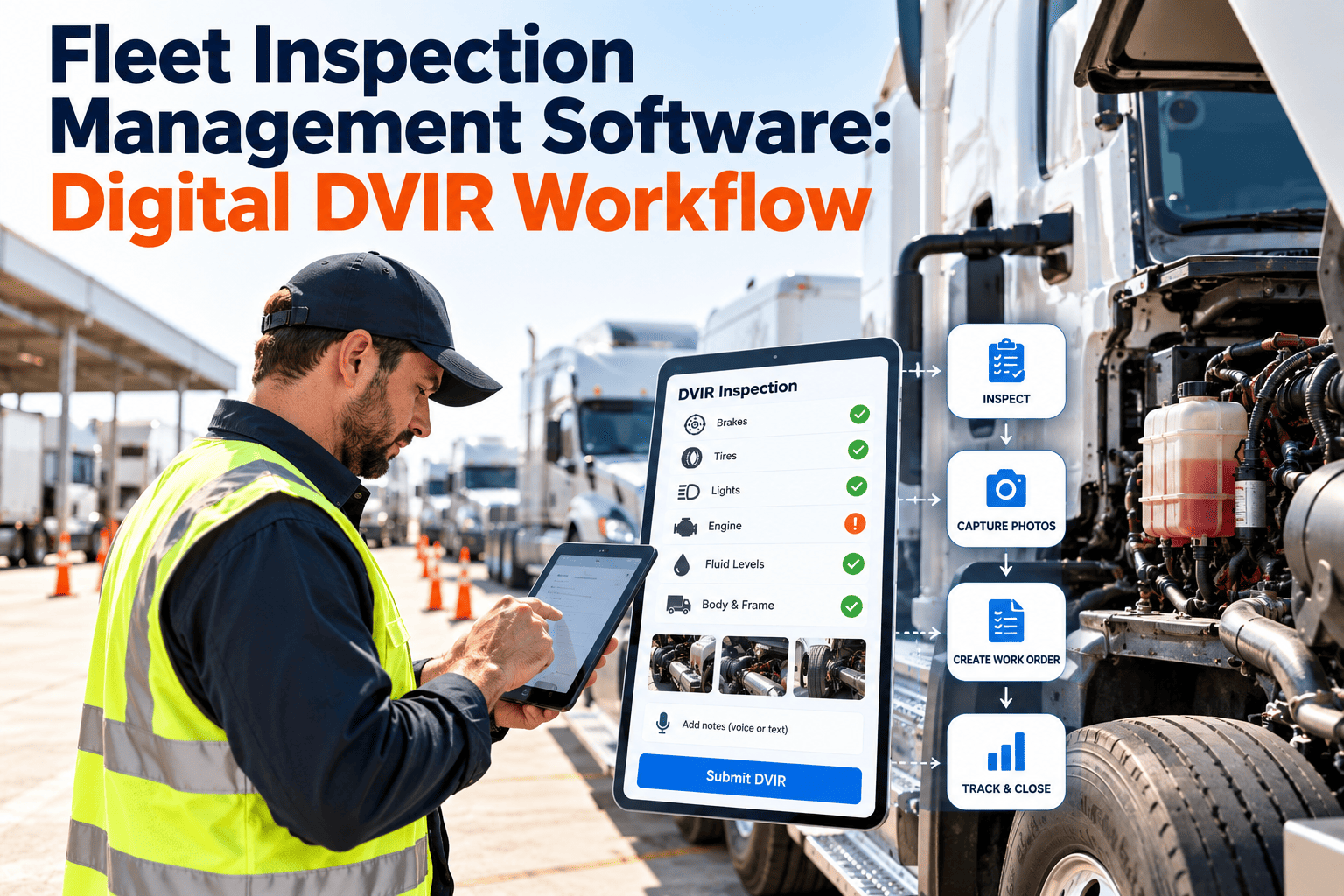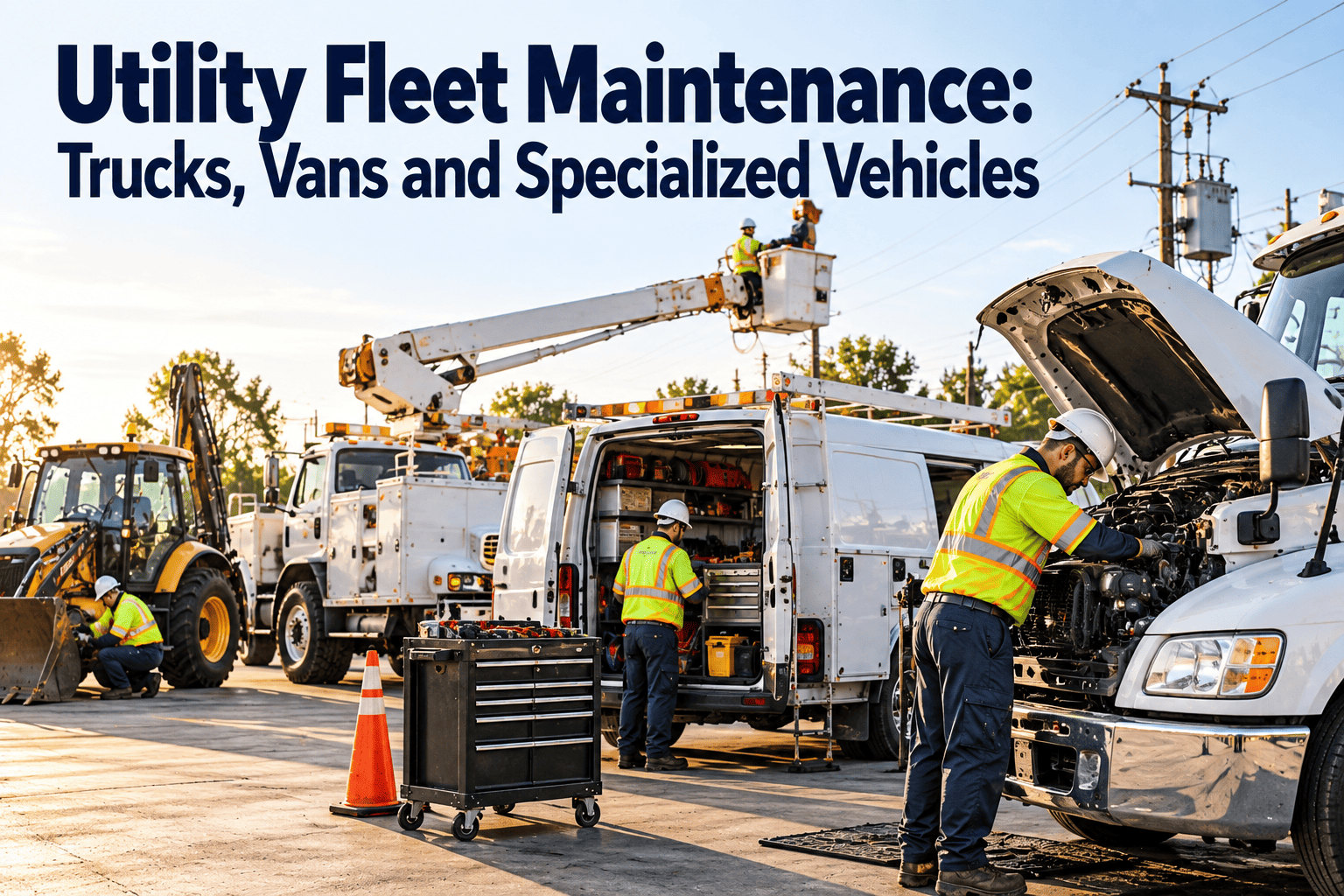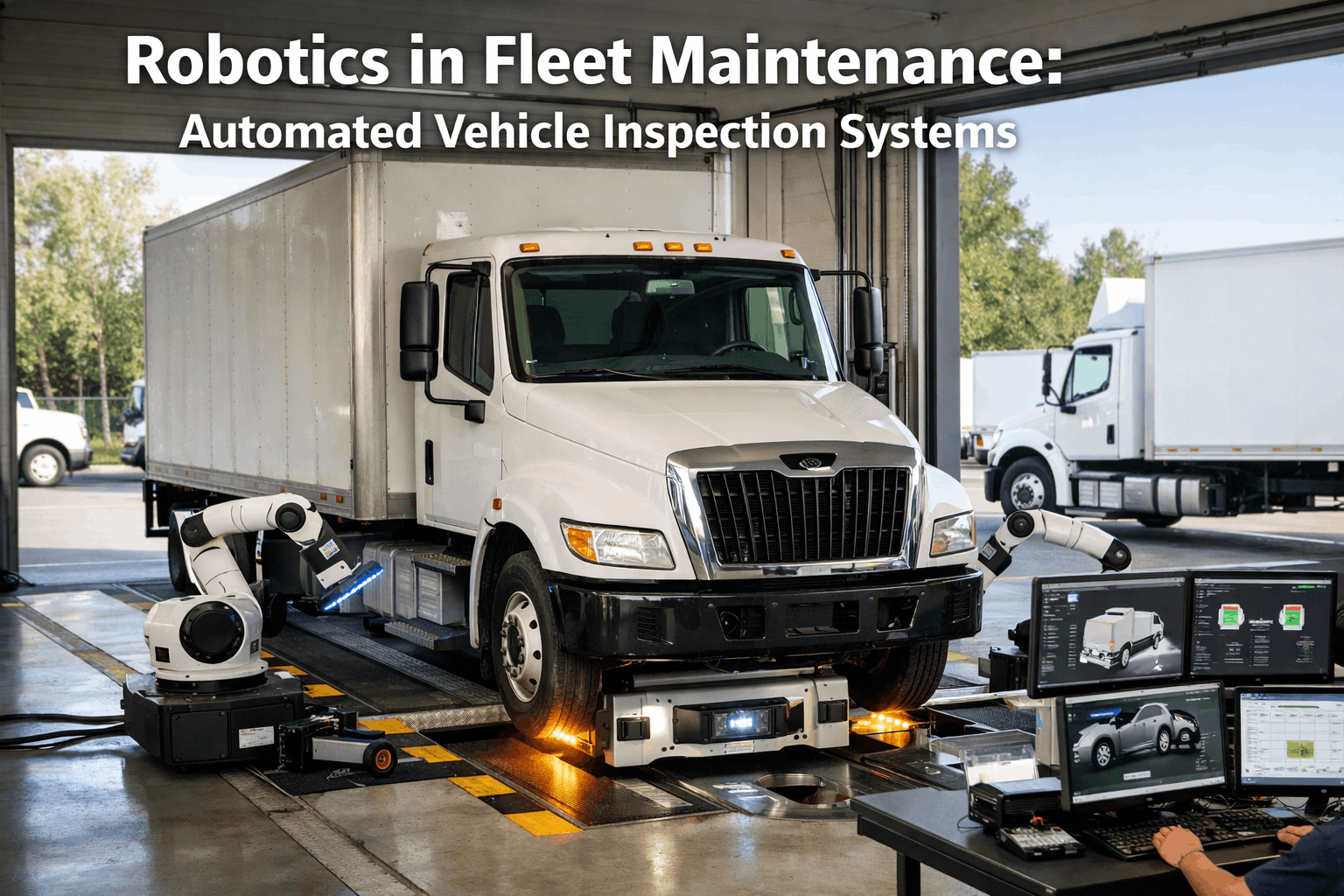
An excavator that goes down on a jobsite doesn't just sit idle — it stops a dig crew, a paving crew, and every trade scheduled behind them for the day. Construction fleets run a mix of excavators, wheel loaders, dozers, and haul trucks across scattered jobsites, often with no fixed shop nearby, which turns a routine hydraulic hose failure into a half-day recovery instead of a ten-minute fix. Contractors who protect their schedules track every machine's hours, service history, and undercarriage wear the same way they track labor costs, treating maintenance as part of the project schedule rather than a separate concern handled after the fact, and the ones who do it well now run that tracking through construction fleet maintenance software instead of a foreman's notebook.
Excavators, loaders, and haul trucks — one schedule slip and the whole jobsite waits
Construction equipment doesn't run on mileage. It runs on engine hours, hydraulic cycles, and undercarriage wear across jobsites that move every few months, which makes a spreadsheet-based PM schedule fall apart fast.
Hours in the dirt matter more than the calendar
A fleet of pickup trucks can run on a mileage-based PM schedule without much thought. An excavator working full shifts on a grading job accumulates engine hours far faster than a machine sitting half-utilized on a smaller site, so two identical machines can need service on completely different timelines.
Maintenance decisions made two hundred miles from the shop
Unlike a fleet returning to one yard every night, construction equipment often sits on a jobsite for weeks or months, which means a maintenance program has to work through a phone or tablet, not a shop terminal.
No fixed home base
Equipment moves between sites, so service history has to travel with the asset, not with a location.
Owned and rented mixed together
Rental units brought in for a project still need inspection and incident tracking, even though they leave the fleet when the job ends.
Harsh, dusty operating conditions
Dust and debris accelerate filter clogging, seal wear, and undercarriage abrasion far faster than on-road use.
Warranty and inspection paperwork
Manufacturer warranty claims often require documented service intervals, which are easy to lose track of on paper across sites.
What an unplanned failure actually costs versus a scheduled service
The math on heavy equipment downtime rarely stops at the repair invoice. A crew standing idle, a rental substitute brought in on short notice, and a schedule slip that ripples into the next trade all add to the real cost.
Track every excavator, loader, and haul truck from one dashboard.
Engine hours, undercarriage wear, and inspection history — logged by asset, wherever the jobsite is.
The inspection has to happen where the machine is, not where the office is
An operator standing next to an excavator at 6 a.m. is the person best positioned to catch a hydraulic leak or a worn track pad, provided the reporting tool is as fast as a phone camera and a checklist.
Operator pre-shift check
A mobile inspection checklist covers fluid levels, undercarriage condition, and hydraulic leaks before the engine starts.
Flagged issue becomes a work order
Any flagged item routes directly to the maintenance team with photos attached, no phone call required.
Parts checked against site inventory
Common wear parts — filters, hoses, ground-engaging tools — are checked against stock before a technician is dispatched.
Repair logged to the asset
Labor, parts, and downtime are recorded against that specific machine's permanent history, not the jobsite.
The single most expensive wear item on tracked equipment
Undercarriage replacement on an excavator or dozer can rival the cost of a major engine repair, and it wears out faster in abrasive soil, rocky ground, or demolition debris than in normal grading work.
- Track tension checked on a fixed interval, not only when a problem is already visible.
- Sprocket, roller, and idler wear measured and logged against hours in service.
- Ground conditions noted per jobsite, since abrasive soil accelerates wear far faster than average.
- Replacement planned around a scheduled downtime window instead of a mid-project failure.
Stocking wear parts for equipment that changes location every quarter
A construction fleet's parts strategy has to account for equipment that might be on three different jobsites in a single month, each with different ground conditions wearing down different components at different rates.
Ground-engaging tools wear fastest
Bucket teeth, cutting edges, and blades need frequent replacement, and the right stock level depends on which jobsite an excavator is currently working.
Filters and fluids by machine hour
Hydraulic and engine filters follow hour-based intervals, so inventory needs to track against usage, not a fixed monthly reorder point.
Dealer versus aftermarket sourcing
Warranty-covered machines often require OEM parts, while older equipment can move to aftermarket sourcing to control cost, and the system needs to track which applies to which asset.
Site-to-site part transfers
A part pulled from one jobsite's truck stock to fix a machine on another site needs to be logged, or inventory counts drift from reality within weeks.
Tying inventory directly to each machine's work order history means a bucket tooth or hydraulic filter reorders itself before the shelf runs empty, based on that specific machine's actual hours in the field rather than a generic monthly average.
Moving from a fixed hour interval to real machine condition
Most newer excavators, loaders, and haul trucks already report engine hours, fault codes, and fluid condition through onboard telematics. The maintenance opportunity is connecting that data stream to the work order system instead of letting it sit in a separate portal nobody checks daily.
- Engine hour data pulled automatically removes the manual hour-meter reading a technician would otherwise have to log by hand.
- Fault codes can open a work order directly, cutting the delay between a developing problem and a scheduled repair.
- Fluid analysis results tie into the same asset record as the rest of the machine's service history, building one complete picture over time.
- Utilization data by jobsite helps a contractor decide which machine to rotate into the next project based on remaining service life.
Why maintenance discipline shows up at resale, not just on the jobsite
Heavy equipment holds a meaningful share of its purchase price at resale, but only when the maintenance history backs up the condition of the machine. Buyers of used excavators and loaders increasingly ask for documented service records before making an offer.
Construction fleet maintenance — answered
Why does heavy equipment need hour-based maintenance instead of mileage-based?
Excavators, loaders, and dozers rack up engine hours through stationary digging and lifting cycles that don't register as mileage, so hours are the accurate measure of wear rather than distance traveled.
How should rental equipment be tracked alongside owned machines?
Rental units should still go through the same inspection and incident logging as owned equipment for the duration of the project, even though they're removed from the fleet's active asset list once returned to the rental company.
Can maintenance software work without cell signal on a remote jobsite?
Mobile inspection forms are designed to be filled out in the field and sync once a connection is available, so a remote site doesn't stop the checklist. Sign up to test the mobile workflow directly.
What maintenance records do warranty claims typically require?
Manufacturers generally expect documented service intervals matching the machine's operating hours, which is far easier to prove from a digital work order history than a paper log.
How does undercarriage tracking reduce total equipment cost?
Catching track and roller wear early lets a contractor schedule replacement during planned downtime instead of losing a machine mid-project. Book a demo to see wear tracking by asset.
Cold starts, heat, and mud all change the maintenance picture
Construction equipment works outdoors in whatever conditions the project schedule demands, and each season brings its own maintenance pressure. Winter cold starts strain batteries and hydraulic fluid viscosity, while summer heat accelerates coolant and belt wear on machines running full shifts.
- Wet season work packs mud and standing water into the undercarriage of tracked machines, accelerating wear that a dry-season inspection interval would miss.
- Standing water and mud also raise the risk of contaminated hydraulic fluid entering the system through a compromised seal.
- A maintenance schedule that adjusts inspection frequency by season, rather than running one fixed interval year-round, catches these condition-specific issues before they become failures.
Heavy equipment inspection isn't optional paperwork, it's an OSHA expectation
Occupational safety regulations expect documented inspection of heavy equipment before use, and a failure that leads to an injury investigation will surface whatever inspection records exist for that machine. A digital inspection trail protects the crew and the contractor at the same time.
When an operator's pre-shift checklist, a technician's scheduled service, and an annual certification all land in the same asset record, a safety audit or an incident investigation can be answered from one file instead of four separate sources scattered across the jobsite trailer.
What to look for beyond a basic work order list
Not every maintenance system is built for hour-based, jobsite-mobile heavy equipment. Contractors evaluating a platform are usually better served focusing on a short list of capabilities rather than a long features checklist.
- Asset tracking by engine hours and cycle counts, not just mileage, with PM triggers that follow the correct measure for each equipment class.
- Mobile inspection forms that work offline and sync once the jobsite has a connection again.
- Inventory management that ties parts consumption to a specific machine's work order, not a general shop stock count.
- Reporting that separates owned equipment from rented equipment without losing inspection history on either.
- A dashboard that shows utilization and downtime by machine, so idle equipment on one site can be reassigned to another instead of sitting unused.
The numbers that justify a maintenance system to ownership
A contractor evaluating whether a maintenance program is paying off looks at a handful of numbers, and each one is easier to defend when it comes from a system rather than a foreman's memory.
Equipment Utilization
Hours each machine actually works versus hours it sits idle across all active jobsites.
Unplanned Downtime
Hours lost to unscheduled repairs, tracked by machine and by equipment class over a project.
Maintenance Cost Per Hour
Parts and labor spend divided by hours in service, comparable across similar machines in the fleet.
PM Compliance Rate
Share of scheduled preventive maintenance completed on the correct interval instead of deferred past due.
Stop losing crew hours to equipment that should have been in the shop.
Hour-based PM triggers, mobile inspections, and undercarriage wear tracking for every machine on every site.
Free 14-day trial · No credit card