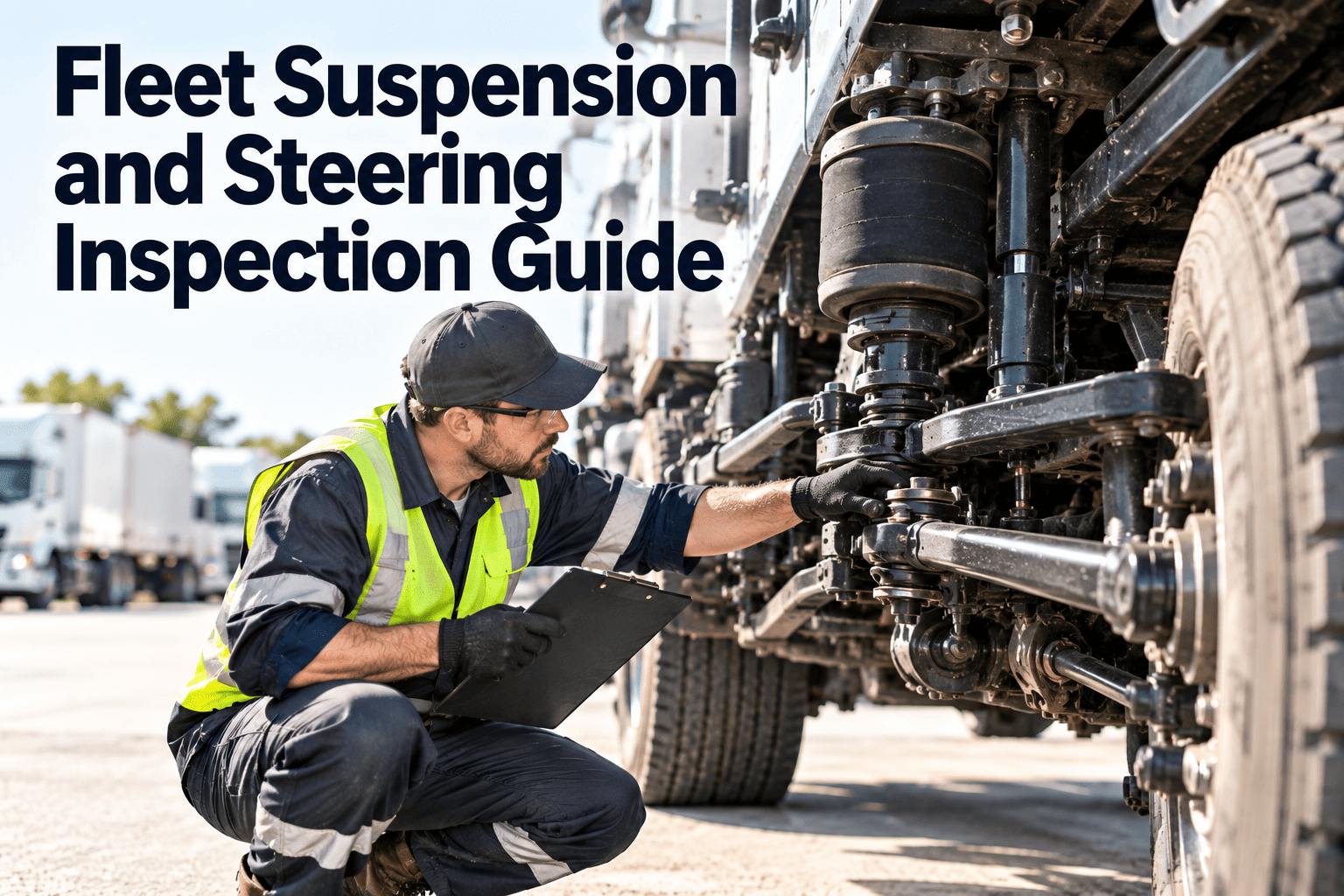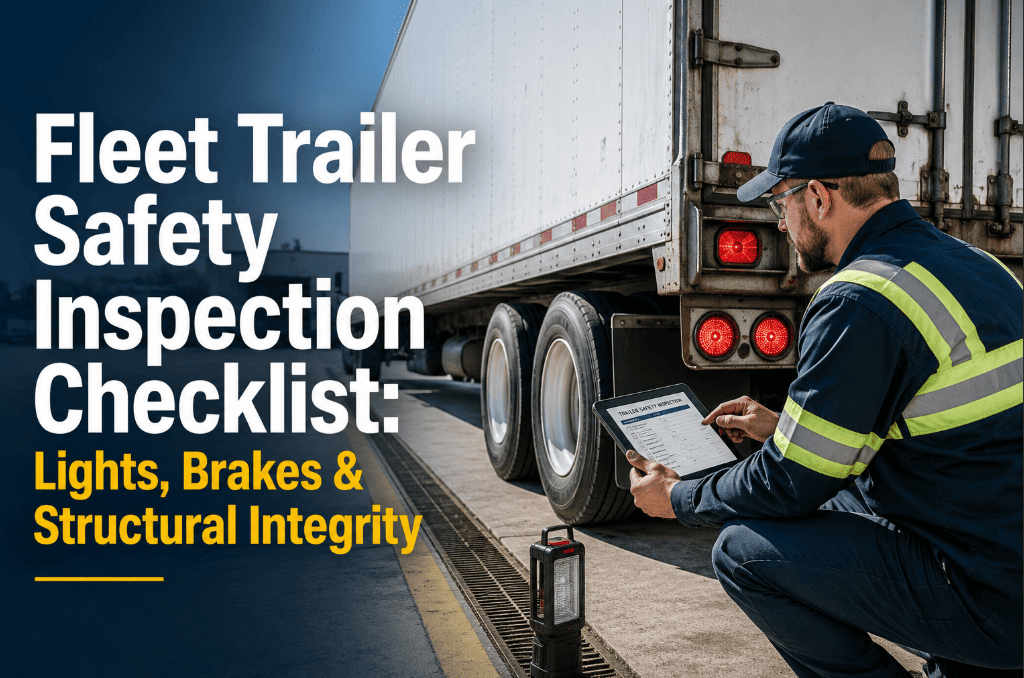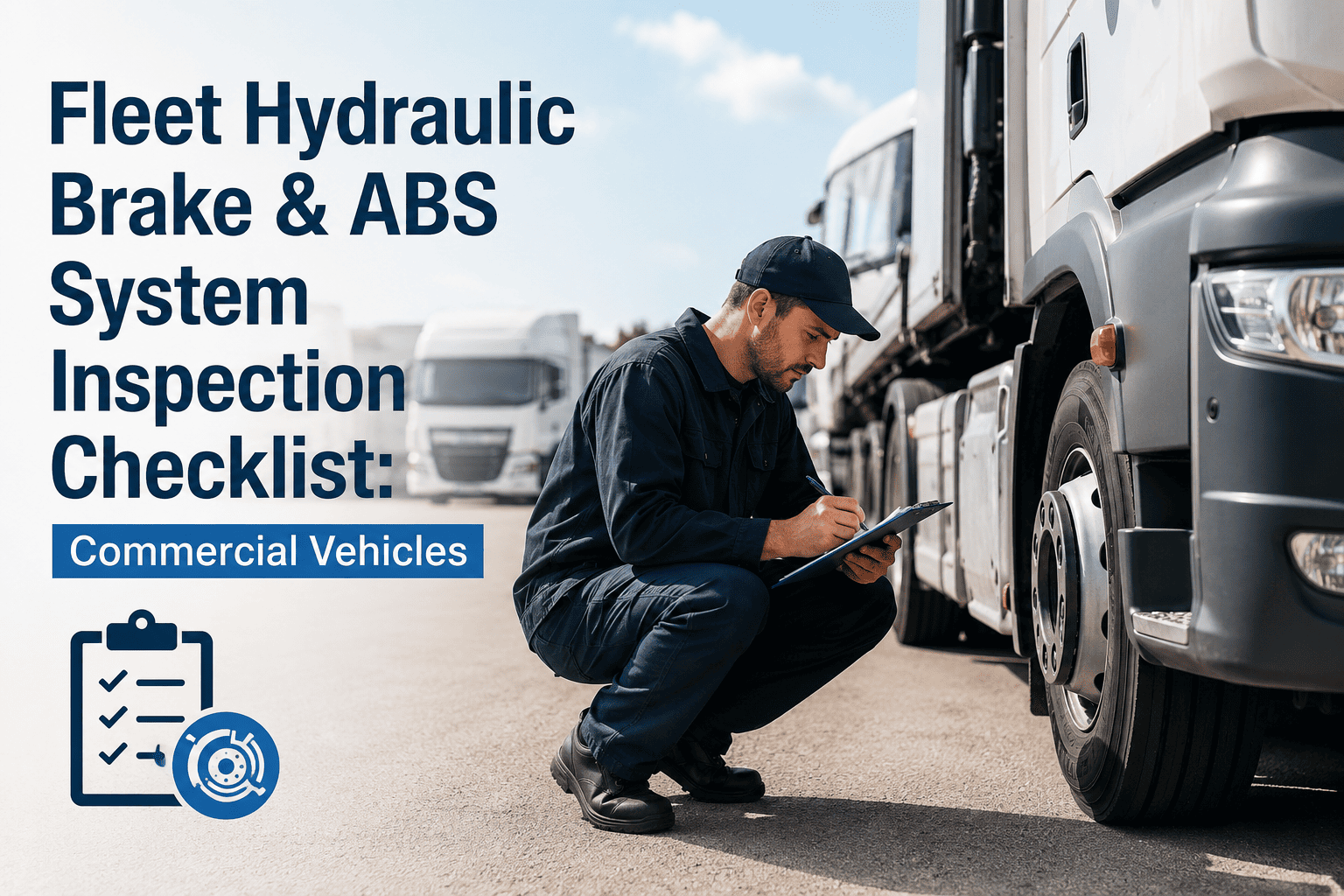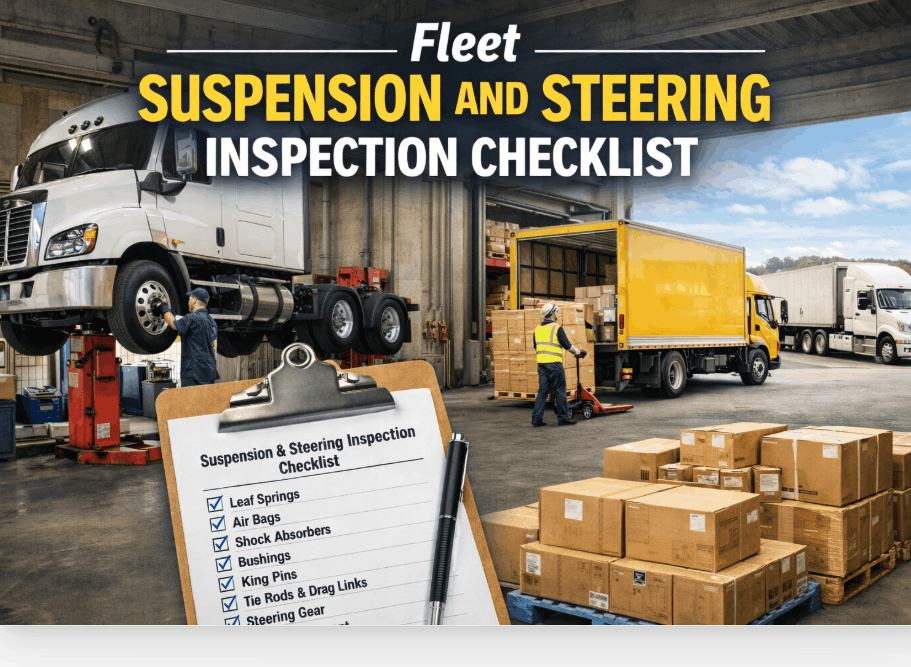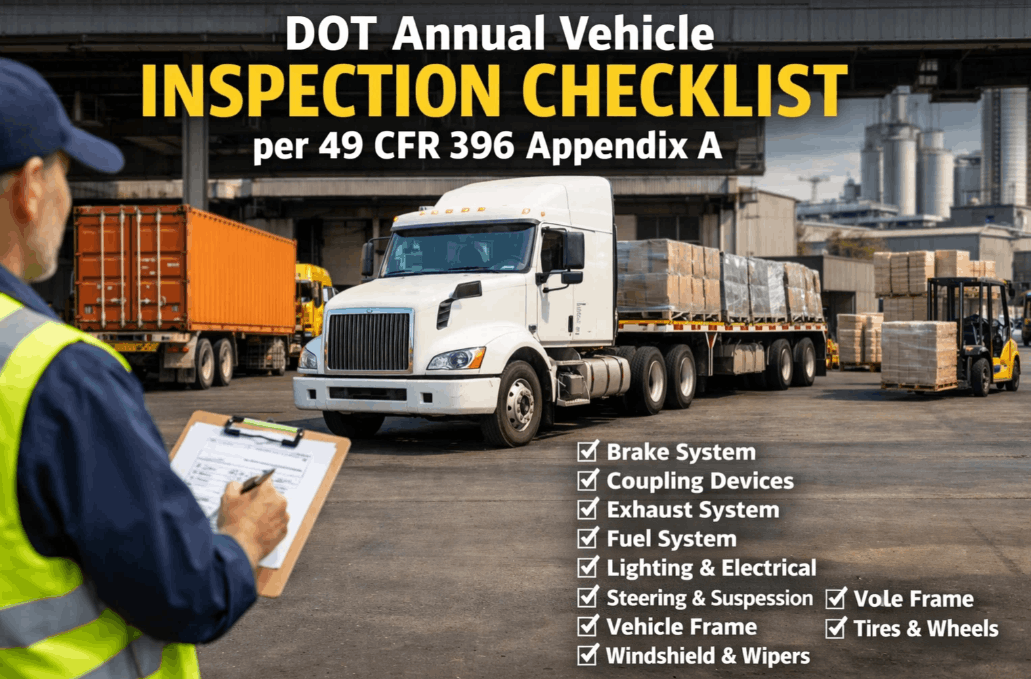
Every commercial motor vehicle operating in the United States must pass a DOT annual inspection per 49 CFR Part 396, Appendix A — no exceptions and no grace period when the sticker expires. An expired inspection sticker is an immediate out-of-service condition at any roadside stop. Civil penalties reach $16,000 per vehicle per day, and carriers with repeated violations risk operating authority suspension. In a 50-vehicle fleet, managing 50 different anniversary dates, qualified inspector records, defect corrections, and multi-state requirements manually is where compliance breaks down. OxMaint tracks every vehicle's annual inspection due date, sends 60/30-day alerts, and stores the completed certificate digitally — keeping your entire fleet in compliance without calendar management overhead.
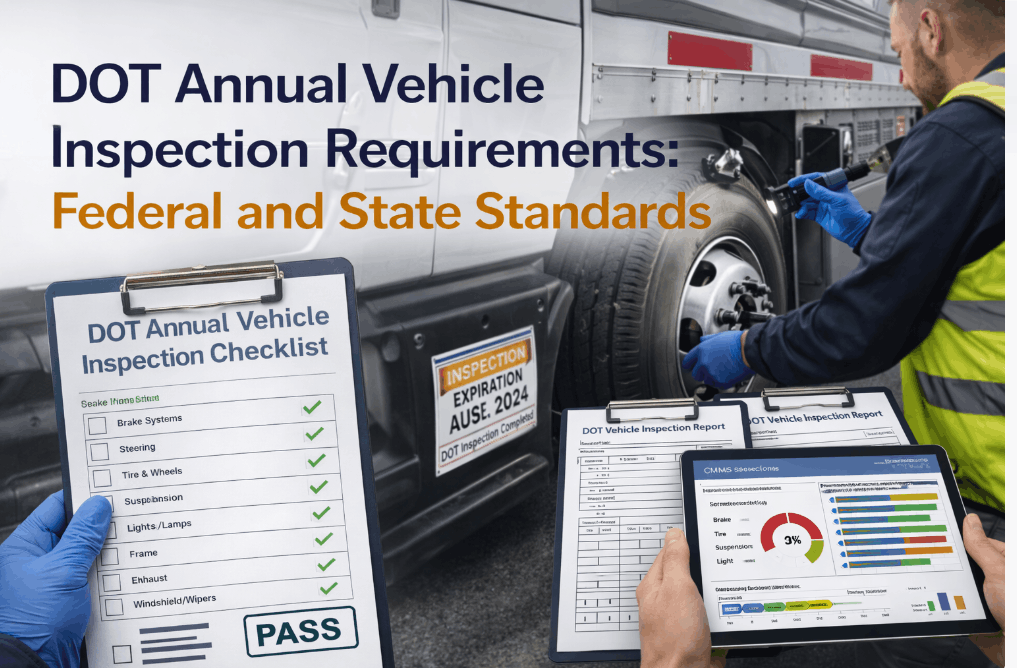
DOT Annual Vehicle Inspection Requirements: Federal and State Standards
Complete guide to DOT annual inspection under 49 CFR 396 Appendix A — brake systems, steering, suspension, frame, tyres, lights, exhaust, windshield, state-level variations, CMMS documentation strategy, and AI/OBD integration for inspection readiness.
49 CFR 396 Appendix A: The 17 Required Inspection Systems
49 CFR Part 396, Appendix A defines 17 vehicle systems that must be inspected, the specific components within each, and the criteria for rejection. This is not a pass/fail checklist — each system has detailed rejection criteria that qualify specific defect conditions as grounds for out-of-service designation. Inspectors must be qualified per 49 CFR 396.19, which requires demonstrated knowledge of inspection procedures and the ability to identify defects. OxMaint digitises the complete 49 CFR 396 Appendix A checklist with rejection criteria visible to the inspector at each item on mobile.
Brake System: Rejection Criteria and OOS Thresholds
Brake defects account for the largest share of annual inspection failures and roadside out-of-service orders. 49 CFR 396 Appendix A lists specific rejection criteria for every brake component — from lining thickness minimums to air leakage rate limits. A 5-axle tractor-trailer has brake components on 5 axles, each evaluated individually. OxMaint's 49 CFR 396 Appendix A checklist captures every brake item with rejection criteria visible to the inspector at each step, plus photo documentation per component.
State-Level Inspection Requirements: Key Variations
The federal standard is the floor, not the ceiling. States may — and many do — impose stricter intervals, state-specific forms, certified inspection stations, and fees. Carriers operating across multiple states need to track both federal and state requirements per vehicle per jurisdiction. OxMaint supports multi-state compliance with separate due-date tracking per jurisdiction per vehicle and state form storage alongside federal records.
Technology That Predicts Inspection Failures Before They Happen
The DOT annual inspection tests condition at a single point in time — but the components that fail inspections deteriorate gradually over months. OBD-II and J1939 continuous monitoring tracks brake lining wear, tyre pressure, and ABS fault codes in real time, creating an ongoing condition record that predicts inspection failure 30–90 days before the inspection date. AI digital twin modelling projects each component's wear trajectory against its 49 CFR 396 rejection threshold, scoring each vehicle's inspection readiness weekly. AI camera vision at depots performs automated walk-around defect detection daily — identifying tyre tread depth issues, lighting defects, and frame damage that would fail a 49 CFR 396 inspection before the vehicle leaves the yard. OxMaint integrates OBD condition data and AI vision flags into the inspection due-date workflow — vehicles flagged by technology are prioritised for shop inspection before they reach their annual date.
We had a $14,000 citation from an expired inspection sticker on a trailer we'd missed in our manual system. After moving to OxMaint, every unit in our 62-vehicle fleet has automated 60 and 30-day due-date alerts. We haven't missed an inspection date in two years.
OxMaint tracks every vehicle's inspection due date, sends automated alerts, and stores completed certificates digitally — free to start, no hardware required.
49 CFR 396.21: Documentation Requirements
Completing the inspection is only half the compliance requirement. 49 CFR 396.21 specifies exactly how the inspection must be documented, what the report must contain, and how long it must be retained. The completed report must identify the vehicle, date, inspector's name and certifying organisation, all components inspected, defects found, and corrective actions taken. OxMaint's digital inspection records capture all 49 CFR 396.21 required fields, attach photos per component, store inspector credentials, and make the certificate instantly retrievable for roadside or audit presentation.
Frequently Asked Questions
Every Vehicle. Every Date. Every Certificate. Tracked.
OxMaint keeps your fleet's annual inspections current — automatically.