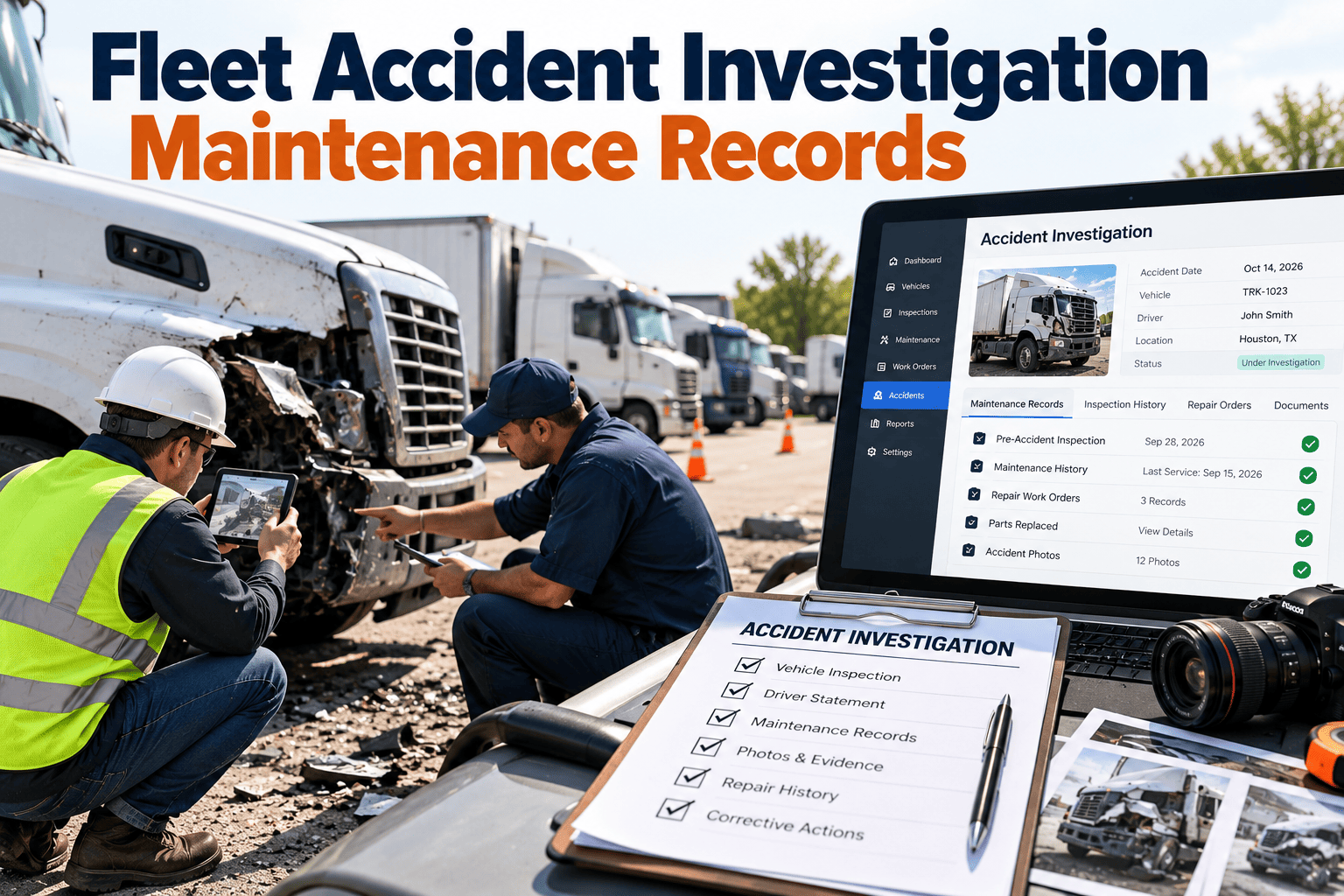
After a crash, one of the first questions an investigator, insurer or attorney asks is simple: what was the condition of that vehicle, and how do you know? Fleets that can answer with dated inspections, repair orders and part records protect drivers, defend claims and find real causes. Fleets that cannot are left piecing together paper, texts and memory. Maintenance records are evidence, and they need to be complete before an incident happens. This guide explains what to keep, how to preserve it, and how fleet maintenance software makes it retrievable.
Fleet Accident Investigation Maintenance Records
Build a maintenance record trail that stands up after a collision: pre-incident history, post-incident inspection, repair documentation and corrective action, all tied to one asset and one timeline.
Why maintenance records shape the outcome of an investigation
Maintenance history cannot prove who caused a crash, but it can show whether a vehicle was properly maintained, whether known defects were ignored, and whether a mechanical failure contributed.
What reviewers typically want to see
- Driver vehicle inspection reports before the incident
- Preventive maintenance completed on schedule
- Open defects at the time of the crash
- Recent repairs to brakes, steering, tires and lighting
- Parts used and who installed them
What weak records lead to
- Disputes over whether a defect was known
- Delays while documents are located and reconciled
- Repair history that cannot be confirmed
- Higher exposure in claims and litigation
- Root causes that are never identified
Why completeness matters as much as accuracy
- A record with missing dates or unsigned inspections invites doubt about the whole file.
- Consistent entries across vehicles show a maintenance program, not a one-off cleanup after an incident.
- Attachments such as photos, measurements and invoices turn a note into verifiable evidence.
- A single system of record avoids conflicting versions held by different departments or vendors.
The maintenance dossier: what to keep for every vehicle
Think of each asset as having a dossier that is always ready. If an incident occurs, you export it rather than build it.
| Record | What it shows | Where it should come from |
|---|---|---|
| Driver inspection reports | Defects reported and when they were reported | Pre-trip and post-trip inspection submissions |
| Preventive maintenance history | Whether scheduled service was done on time | PM work orders with completion dates and meter readings |
| Repair orders | What failed, what was fixed and by whom | Corrective work orders with labor and notes |
| Parts records | Which components were installed and from which supplier | Inventory issues linked to work orders |
| Periodic inspection reports | Condition at formal inspection intervals | Scheduled inspection records |
| Recalls and campaigns | Whether known manufacturer issues were addressed | Recall work orders and closure records |
| Prior damage and accidents | Earlier incidents and the repairs that followed | Asset history with photos and costs |
| Meter and usage data | Mileage and hours at each service point | Odometer and hour entries |
The first 72 hours: a maintenance records timeline
Speed matters, but so does sequence. These steps protect evidence and keep the investigation grounded in documented facts.
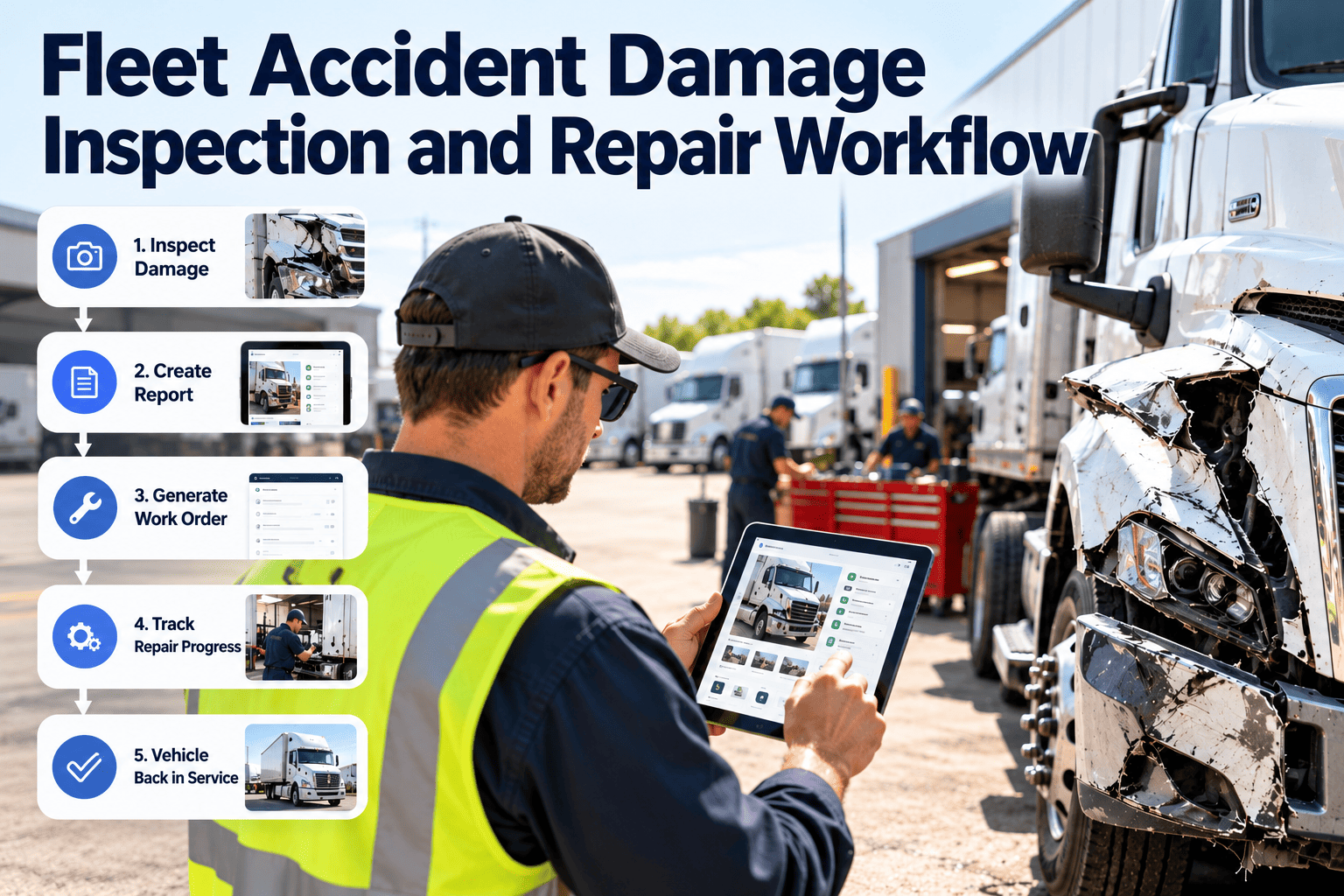
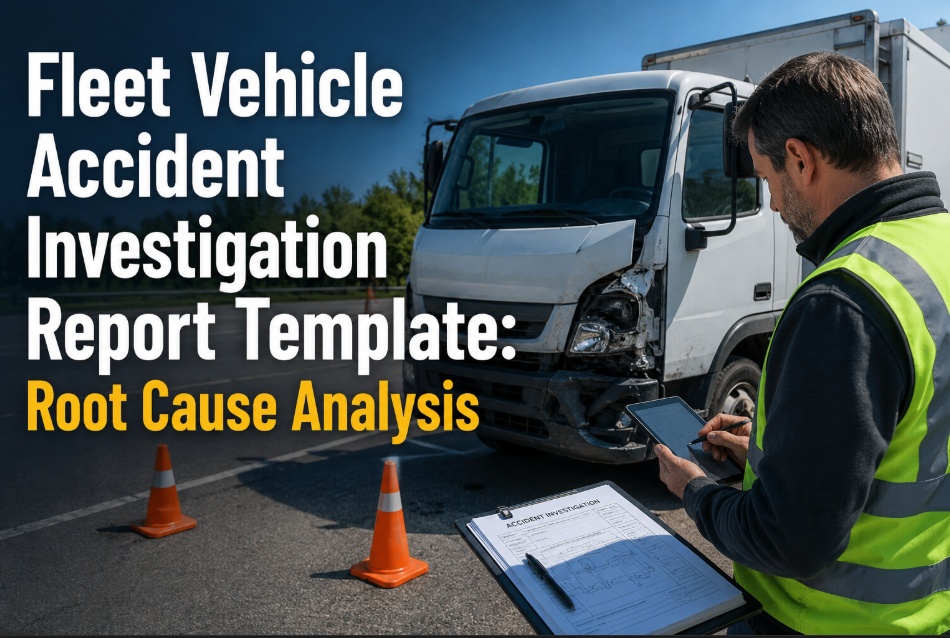
Create the incident record
- Open a work order or incident entry linked to the vehicle.
- Attach scene photos, location, time and driver statement.
- Flag the asset as out of service.
Secure the vehicle and the data
- Tow to a controlled location and restrict access.
- Do not repair, clean or replace parts until released.
- Confirm who must be notified before any component is touched.
Pull the pre-incident history
- Export inspections, PM and repair history for the asset.
- List all open defects and overdue items on the incident date.
- Note recent parts changes on safety-critical systems.
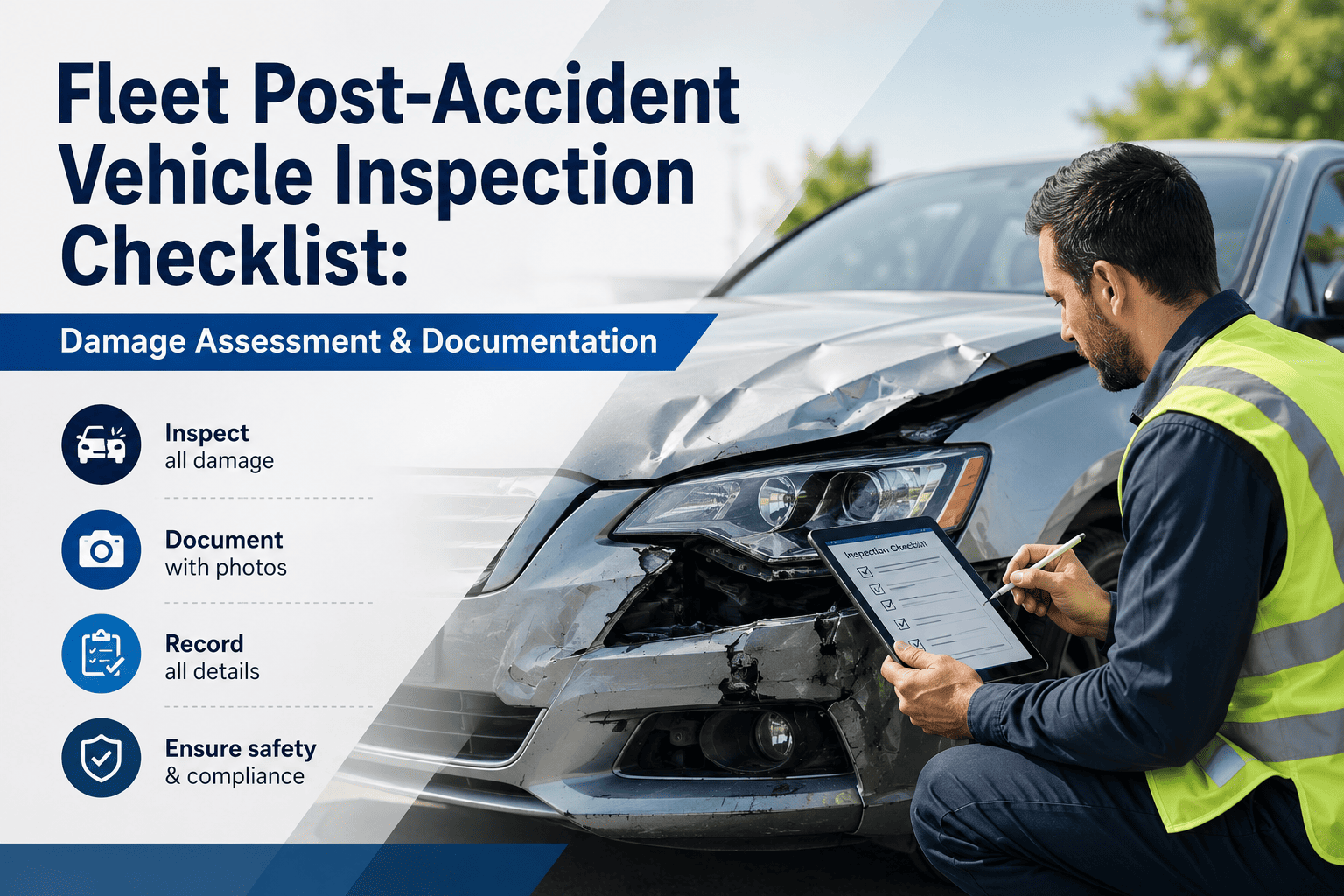
Complete the post-incident inspection
- Inspect brakes, steering, suspension, tires, lighting and structure.
- Photograph each finding and tie it to a component.
- Record who performed the inspection and with what authority.
Make every vehicle record ready before an incident happens
Keep inspections, work orders, parts and asset history connected in one maintenance system.
Which records answer which component questions
Investigators often focus on systems that affect control, visibility and stopping. Match each system to the records that speak to its condition.
| System | Questions raised | Records that help answer them |
|---|---|---|
| Brakes | Was braking capacity adequate and was wear within limits? | Brake inspections, lining measurements, recent repair orders |
| Tires and wheels | Were tread, pressure and condition acceptable? | Tire measurements, rotations, replacements, driver reports |
| Steering and suspension | Was there looseness, wear or a recent repair? | Inspection findings, alignment and component replacement history |
| Lighting and visibility | Were lamps, mirrors and wipers working? | Pre-trip defects, lamp replacements, glass and mirror repairs |
| Safety equipment | Were warning devices and restraints in place? | Equipment checks and inspection checklists |
| Driver assistance and telematics | Were systems operating and were alerts addressed? | Fault code history and related work orders |
Evidence handling: practices to adopt and avoid
Good intentions can damage an investigation. A quick repair, an edited entry or a missing photo can create doubt that is hard to remove later.
Do
- Photograph the vehicle before anything is moved or repaired.
- Keep removed parts labeled and stored until released.
- Record every action with a date, time and user name.
- Route questions on scope through safety or risk management.
- Keep entries factual and free of speculation.
Avoid
- Repairing or cleaning the unit before it is released.
- Discarding damaged parts or fluids.
- Backdating inspections or closing old defects after the fact.
- Recording opinions about fault in maintenance notes.
- Letting several people edit the same record without tracking changes.
Who owns which part of the record
Investigations stall when nobody is sure who is allowed to touch the vehicle, the file or the repair. Define responsibilities in advance and reflect them in system permissions.
| Role | Responsibility | Record it should produce |
|---|---|---|
| Driver | Reports the incident and any known defects promptly | Incident report, inspection history, photos from the scene |
| Dispatcher or supervisor | Removes the unit from service and notifies the right people | Out-of-service status with time and reason |
| Maintenance manager | Preserves the vehicle and assigns the inspection | Incident work order and chain of custody notes |
| Technician | Inspects and documents findings factually | Component findings, photos, measurements, sign-off |
| Safety or risk manager | Directs scope, releases the vehicle and coordinates with insurers | Release authorization and review summary |
| Parts and inventory lead | Controls removed parts and tracks replacements | Part tags, issue records and supplier details |
Pre-incident readiness checklist
Run through this list once a quarter. Each item is a small control that saves time when an incident occurs.
Records and process
- Every vehicle has a unique asset record with current meter readings.
- Driver inspections are submitted digitally and cannot be edited silently.
- Open defects are visible to supervisors and dispatch.
- An incident work order template exists and is used the same way each time.
- The team knows who authorizes release of a vehicle.
Evidence and access
- Photos can be attached from a phone at the scene or in the shop.
- Removed parts have a labeled storage area with limited access.
- Records can be exported by asset and date range.
- User permissions limit who can change or close critical entries.
- Retention rules are written down and reviewed with counsel.
Turning post-incident findings into prevention
An investigation is also a maintenance learning opportunity. Whatever the cause, review whether the fleet process allowed a preventable condition to exist.
Look for patterns
Compare incident findings across vehicles, routes and shops. Repeated tire, brake or lighting issues point to a process gap, not bad luck.
Adjust the schedule
If wear is found earlier than expected, shorten the preventive maintenance interval or add an inspection step for that component.
Close the loop
Convert each finding into a tracked corrective action with an owner and due date, then confirm completion across similar vehicles.
Compliance and retention considerations
Requirements depend on your country, vehicle class and operation. Confirm the rules that apply to you with your compliance team or counsel.
Accident register
US motor carriers under FMCSA rules maintain a register of qualifying crashes for a set period. Link each entry to maintenance records.
Inspection and repair records
Federal rules require inspection, repair and maintenance records to be retained for defined periods. Many fleets keep them longer.
Legal hold
When litigation is possible, records may need to be preserved beyond normal retention. Follow your counsel instructions.
Measures that show whether your records are investigation-ready
Review these regularly so gaps are found during normal operations, not during a claim.
Documenting damage and repair cost
Insurers, finance teams and auditors all ask for the same thing: a clear link between the incident, the damage and the money spent. Separate each cost category so nothing is double counted or missed.
| Cost category | What to record | Why it matters |
|---|---|---|
| Towing and recovery | Provider, date, location and invoice reference | Supports claim reimbursement and vendor review |
| Inspection labor | Hours, technician and tasks performed | Separates investigation time from repair time |
| Repair labor | Hours by task with start and finish times | Shows the scope and duration of repairs |
| Parts and materials | Part numbers, quantities and unit cost | Confirms what was replaced and at what price |
| Outside repair or body work | Vendor quotes, invoices and approvals | Documents authorization and third-party charges |
| Downtime and substitute vehicles | Days out of service and rental or backup unit used | Shows the operational impact of the incident |
Attach the proof to the work order
- Photos of damage before and after repair.
- Estimates, approvals and final invoices.
- Notes on parts that were removed and stored.
- Release sign-off from the person authorized to return the unit.
How Oxmaint supports accident investigation records
A maintenance management platform keeps the evidence trail connected to the asset instead of scattered across files.
Inspections
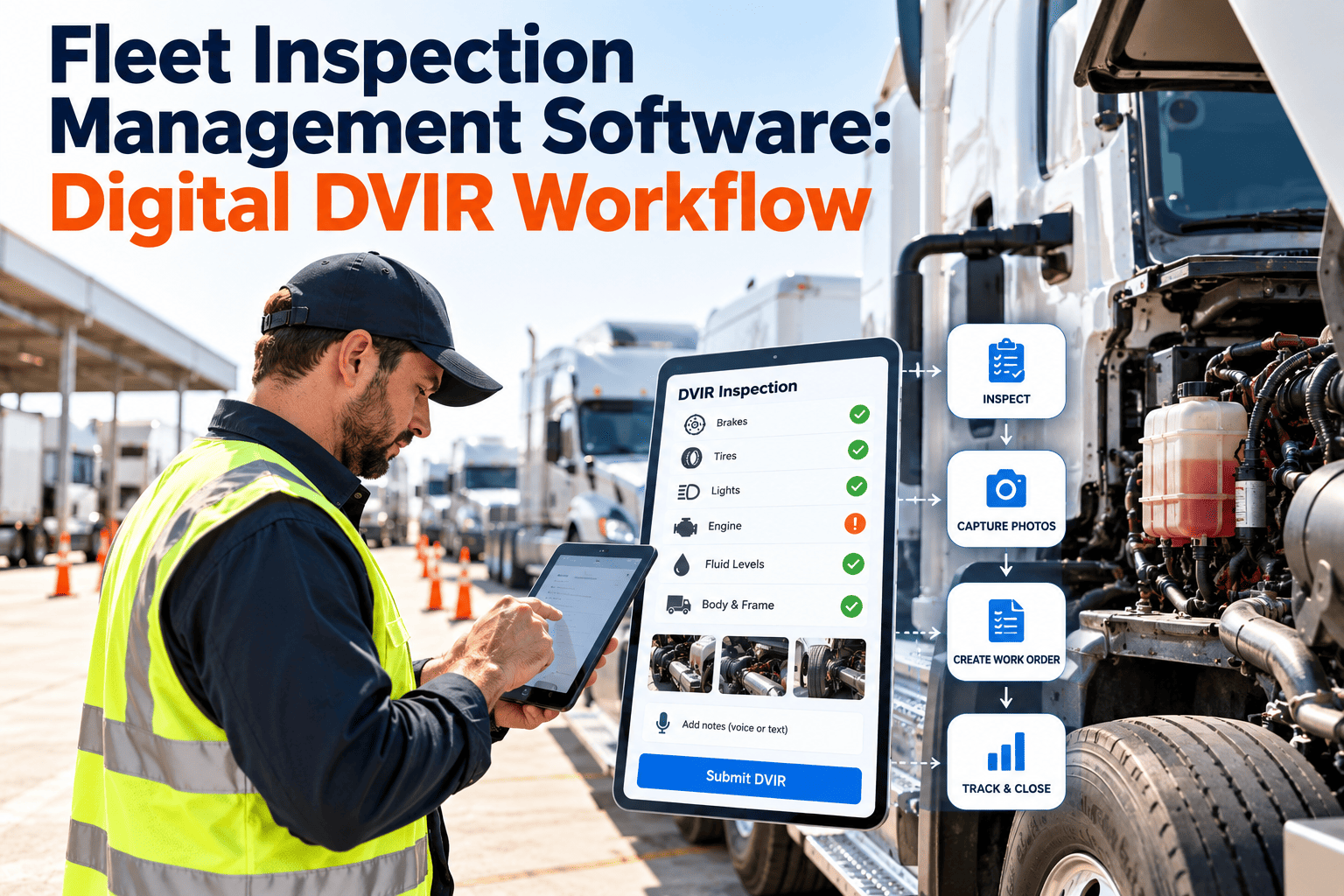
Mobile inspection forms capture defects, photos and timestamps from drivers before and after trips.
Preventive maintenance
Scheduled work by date or meter keeps service history current and shows what was overdue.
Work orders
Incident and repair work orders record findings, labor, parts, attachments and sign-off in one place.
Asset history and reporting
Each vehicle carries a complete history that can be reviewed, filtered and reported when needed.
Frequently asked questions
Which maintenance records matter most after a crash?
Driver inspection reports, preventive maintenance history, recent repairs and open defects on the incident date. Brake, tire, steering and lighting records usually receive the closest review.
Should we repair the vehicle right away?
Not until it is released by whoever manages the investigation or claim. Repairs can alter evidence, so document first and follow your legal and insurance guidance.
How long should maintenance records be kept?
Retention periods vary by jurisdiction and vehicle type, and a legal hold can extend them. Check applicable regulations and keep records in a system such as Oxmaint.
Can maintenance notes be used against the fleet?
Records may be requested in a claim, so keep entries factual and complete. Avoid opinions about fault, and record only observations and actions.
How do we set up an incident workflow in Oxmaint?
Configure incident work orders, inspection templates and required attachments to match your process. A short demo can walk through the setup.
Have the full maintenance story ready when it is asked for
Connect inspections, preventive maintenance, work orders and asset history so any vehicle record can be produced in minutes.