
Fatigue-related crashes account for 13% of all commercial vehicle accidents in the United States, and the FMCSA estimates that drowsy driving contributes to over 100,000 crashes annually — resulting in roughly 1,550 fatalities and 71,000 injuries. Despite Hours of Service regulations designed to prevent fatigue, compliance alone does not guarantee alertness. A driver can be fully HOS-compliant and still dangerously fatigued due to sleep disorders, irregular scheduling, or poor rest quality during mandatory off-duty periods. In 2026, leading fleets are moving beyond HOS compliance toward comprehensive fatigue management programs that combine regulation adherence, fatigue detection technology, scheduling science, and driver health initiatives. Fleets using structured fatigue programs alongside digital maintenance platforms like OxMaint report 31% fewer fatigue-related incidents and significantly lower insurance claim frequencies — because a well-rested driver is also more likely to complete thorough pre-trip inspections, report defects accurately, and handle equipment with care.
Fleet Fatigue Management Guide 2026
How fleet operators manage driver fatigue beyond HOS compliance — covering fatigue detection technology, scheduling best practices, sleep health programs, and the maintenance connection between rested drivers and safer equipment outcomes.
What Is Fleet Fatigue Management?
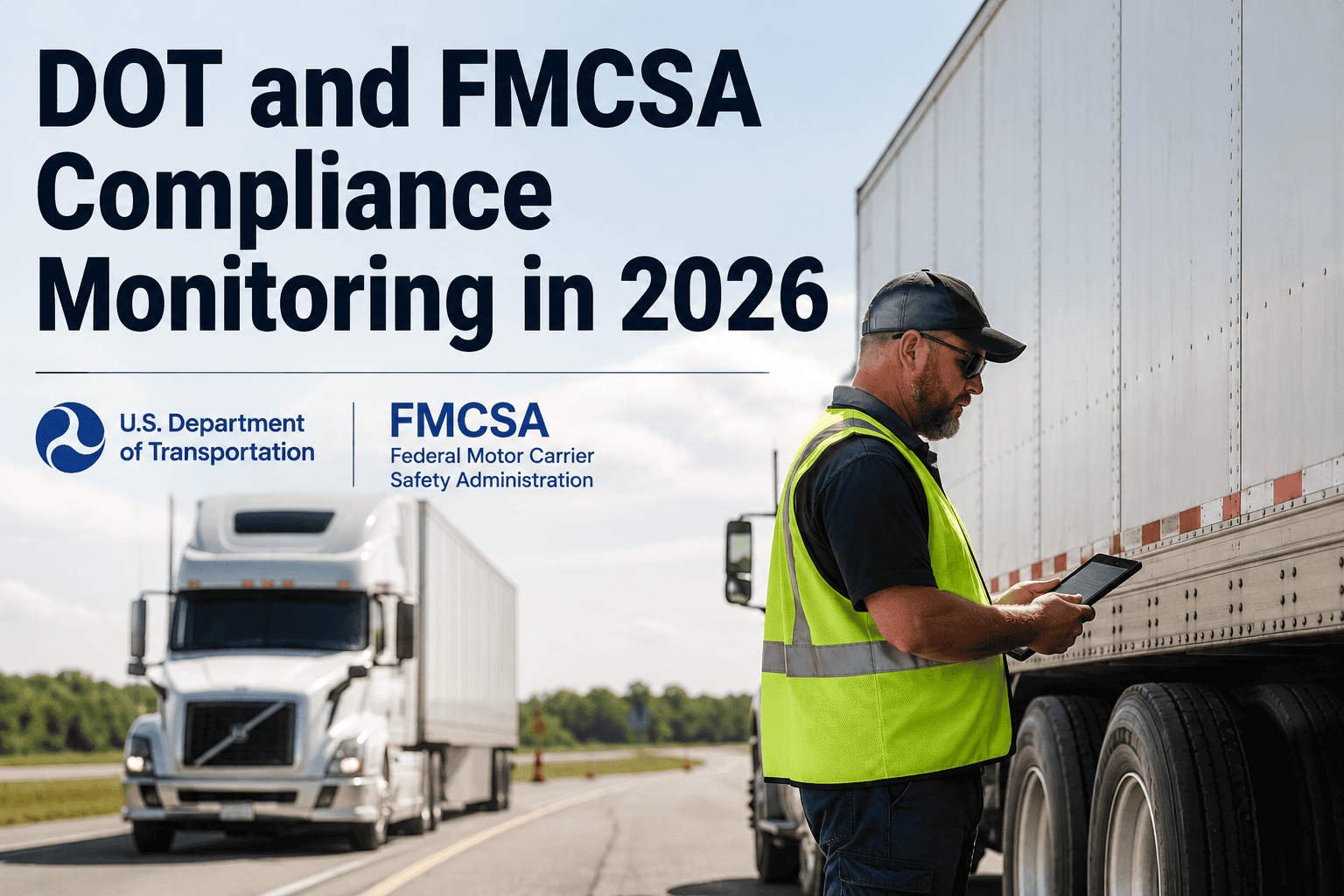
Fleet fatigue management is a systematic approach to ensuring drivers operate vehicles in an alert and rested state. It goes beyond Hours of Service compliance — which sets maximum driving hours but does not measure actual alertness — to include fatigue detection technology, circadian-aware scheduling, sleep disorder screening, and rest quality monitoring. The FMCSA's HOS rules (11-hour driving limit, 14-hour on-duty window, mandatory 30-minute break, 10-hour off-duty minimum) establish the regulatory floor, but research shows that 20% of fatigued driving occurs within HOS-compliant hours.
The connection between driver fatigue and equipment outcomes is well documented: fatigued drivers are 46% less likely to complete thorough pre-trip inspections and 2.1x more likely to miss critical defects that lead to roadside breakdowns. This is why fleets connecting fatigue management with digital inspection platforms like OxMaint see compound benefits — rested drivers produce better inspection data, which feeds better maintenance decisions, which produces safer vehicles. It is a reinforcing cycle. See how inspection quality correlates with driver alertness patterns in your fleet — start a free trial or book a demo to explore the data.
The Dos and Don'ts of Fleet Fatigue Management
Effective fatigue management is not just about what you do — it is equally about what you stop doing. These dos and don'ts are drawn from FMCSA guidelines, NSC research, and best practices from fleets that have achieved sustained fatigue incident reduction.
28% of commercial drivers have undiagnosed obstructive sleep apnea. Drivers with untreated OSA are 2.4x more likely to be involved in a preventable crash. Screen all drivers with BMI above 35 and those reporting chronic fatigue.
Human alertness drops 33% between 2:00 AM and 5:00 AM regardless of sleep duration. Schedule high-risk routes and longest hauls during daytime hours whenever possible. Rotate night schedules no more frequently than every 3 weeks.
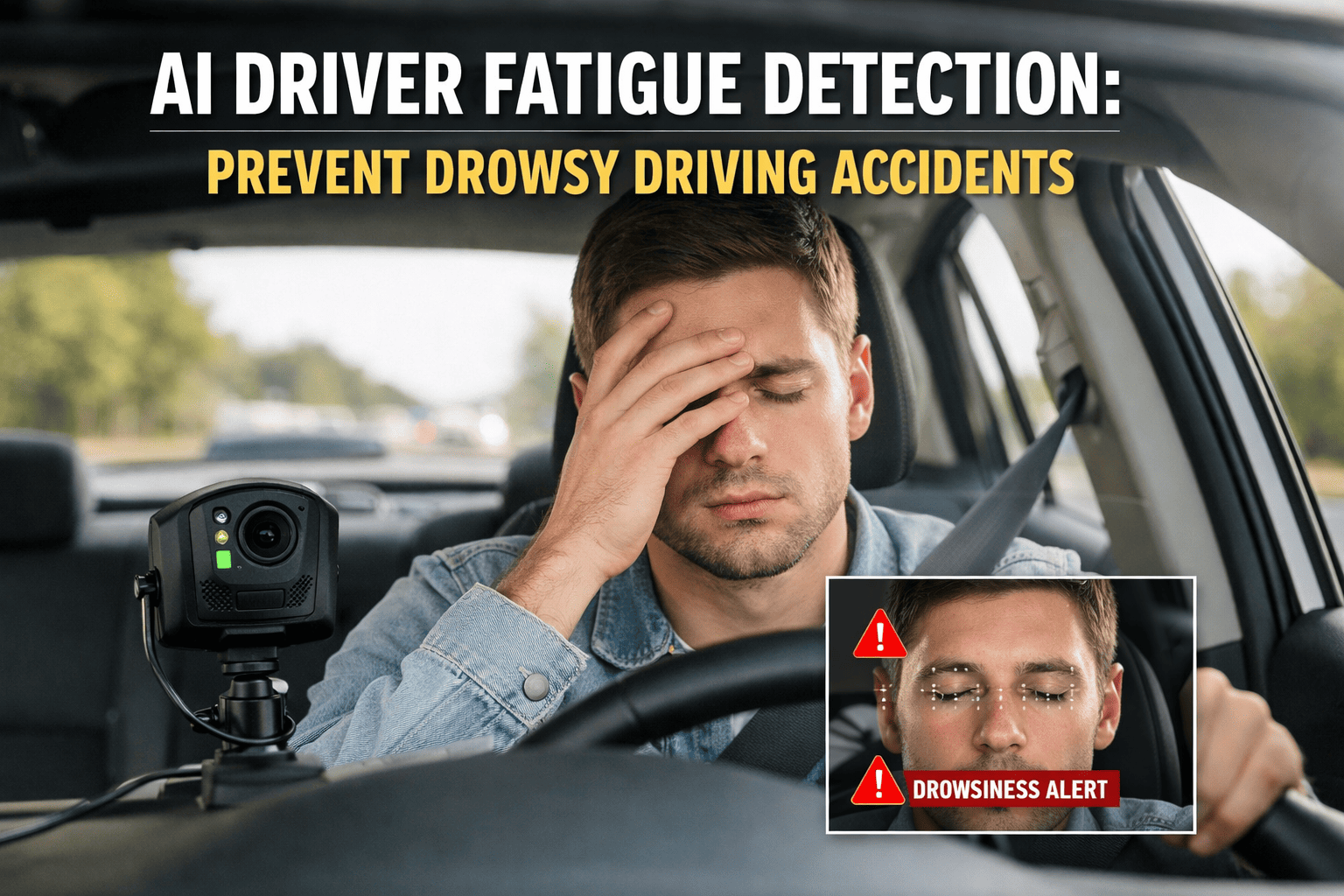
AI-powered driver-facing cameras that monitor eye closure duration (PERCLOS) and head position detect drowsiness 4–8 minutes before a microsleep event. Alert drivers in real time and generate fatigue event reports for coaching.
Track pre-trip inspection thoroughness against fatigue event timing. Drivers with fatigue events in the prior 24 hours submit 46% fewer defect reports — use this data to flag inspection records that may need supervisor review.
HOS rules prevent excessive driving hours but do not measure sleep quality, sleep disorders, or circadian misalignment. A driver can be fully HOS-compliant and dangerously fatigued. HOS is necessary but not sufficient.
The split sleeper berth provision allows flexibility but can be exploited to fragment rest into periods too short for restorative sleep. Monitor split sleeper usage patterns and flag drivers using splits more than 3x per week.
Fleets that discipline drivers for calling in fatigued create a culture where drivers hide drowsiness and push through. This is how fatal crashes happen. Build a no-penalty fatigue reporting policy and track its usage as a safety KPI.
After every preventable incident, review the driver's HOS data, sleep history, and fatigue camera data from the preceding 72 hours. 40% of fleets skip this analysis and miss the root cause — leading to repeat incidents with the same driver.
HOS Regulations Quick Reference: 2026 Rules
| Rule | Property-Carrying | Passenger-Carrying |
|---|---|---|
| Maximum Driving Time | 11 hours | 10 hours |
| On-Duty Window | 14 hours | 15 hours |
| Mandatory Break | 30 min after 8 hrs driving | No federal requirement |
| Off-Duty Minimum | 10 consecutive hours | 8 consecutive hours |
| Weekly Limit | 60/70 hours in 7/8 days | 60/70 hours in 7/8 days |
| 34-Hour Restart | Available | Available |
How OxMaint Connects Driver Alertness to Equipment Safety
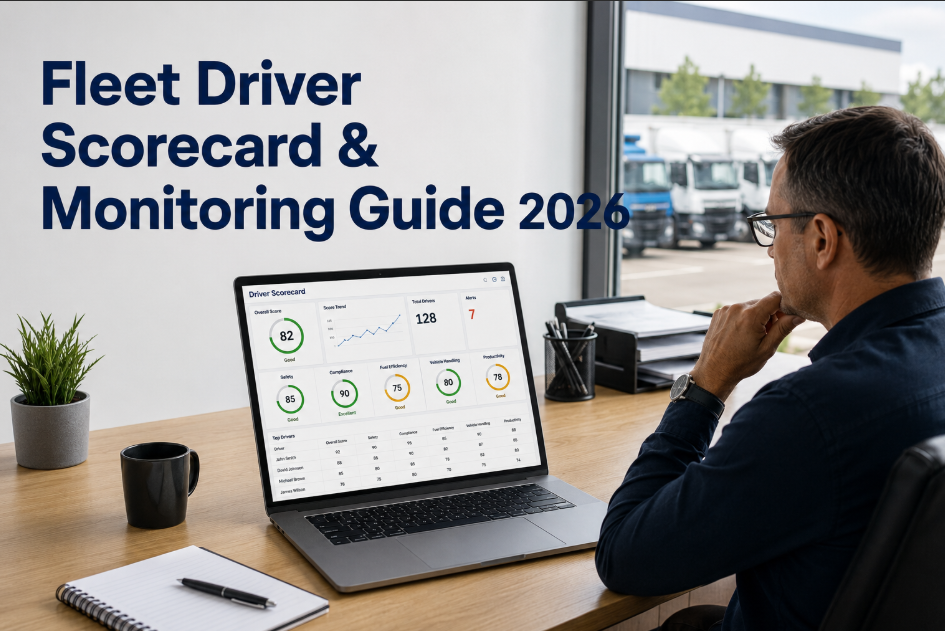
The maintenance platform is not typically part of the fatigue management conversation — but it should be. Driver alertness directly affects inspection quality, defect reporting, and how equipment is operated. OxMaint captures these connections automatically.
OxMaint scores each inspection based on completion time, items checked, and defects reported. Inspections completed in under 2 minutes on a 25-point checklist are flagged as potentially rushed — often correlating with fatigued start-of-shift conditions.
OxMaint analyzes defect reporting patterns by time of day and driver. Consistent drops in defect reporting during early morning shifts indicate potential fatigue-related inspection shortcuts that need fleet manager attention.
When a breakdown occurs, OxMaint cross-references the most recent driver inspection. If the defect was present but unreported, it surfaces the gap — helping fleet managers determine whether fatigue or training was the root cause.
Every inspection in OxMaint is timestamped, geotagged, and digitally signed. In the event of a fatigue-related incident investigation, these records demonstrate that proper inspection processes were in place and being followed — or identify where the gap occurred.
Understanding the connection between driver rest quality and maintenance outcomes gives fleet managers a powerful early warning system. See how your fleet's inspection data reveals fatigue patterns — start a free trial and book a demo to explore the analytics.
Frequently Asked Questions
Is sleep apnea screening mandatory for commercial drivers?
How accurate are AI fatigue detection cameras?
Can OxMaint detect when a driver was fatigued during an inspection?
What is the ROI of a fleet fatigue management program?
Rested Drivers Produce Better Inspections and Fewer Breakdowns
OxMaint connects your inspection data to driver patterns — surfacing the quality gaps that fatigue creates before they become roadside failures or audit findings. See how inspection analytics reveal what HOS logs cannot.




.png)