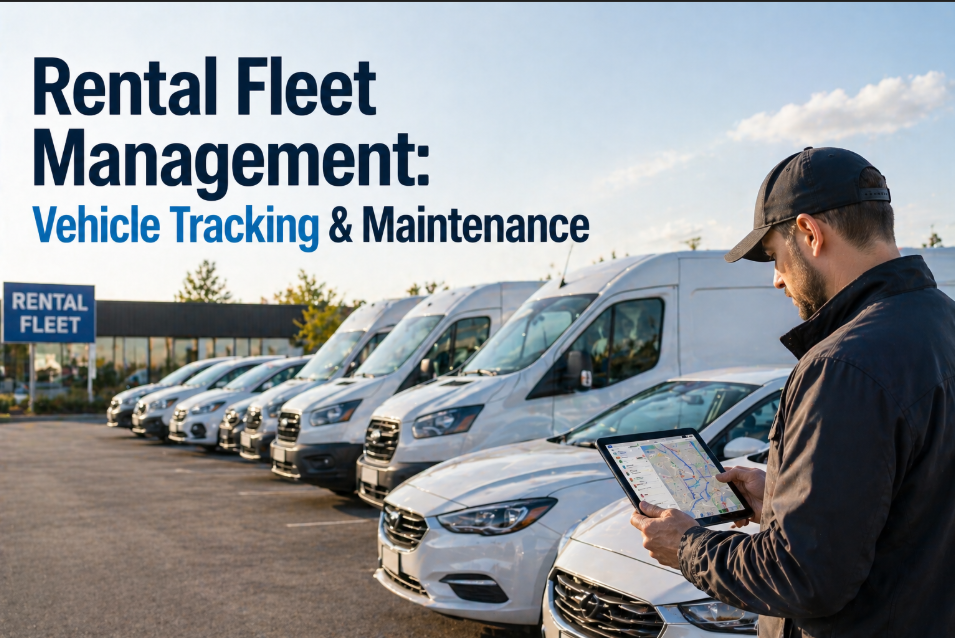
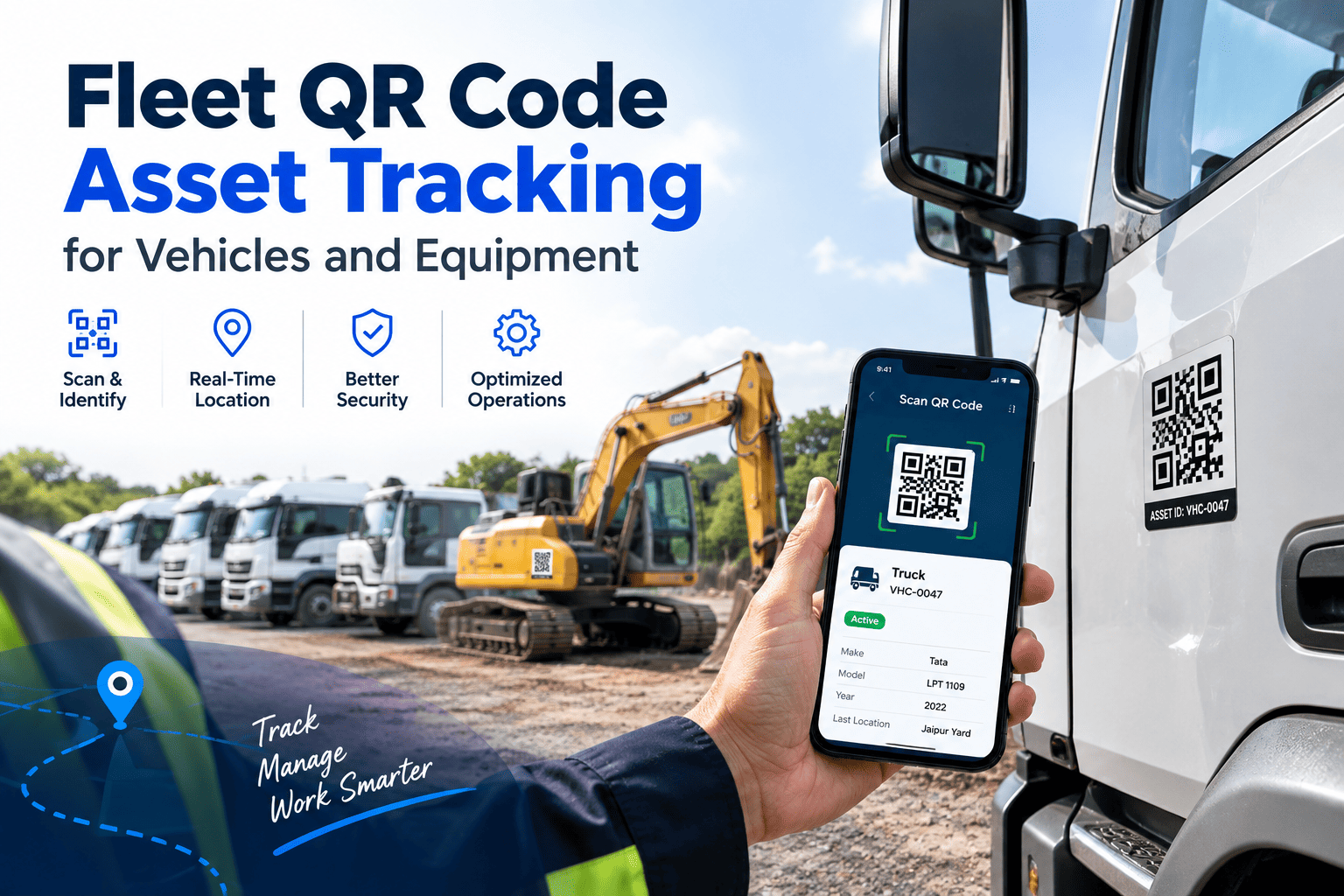
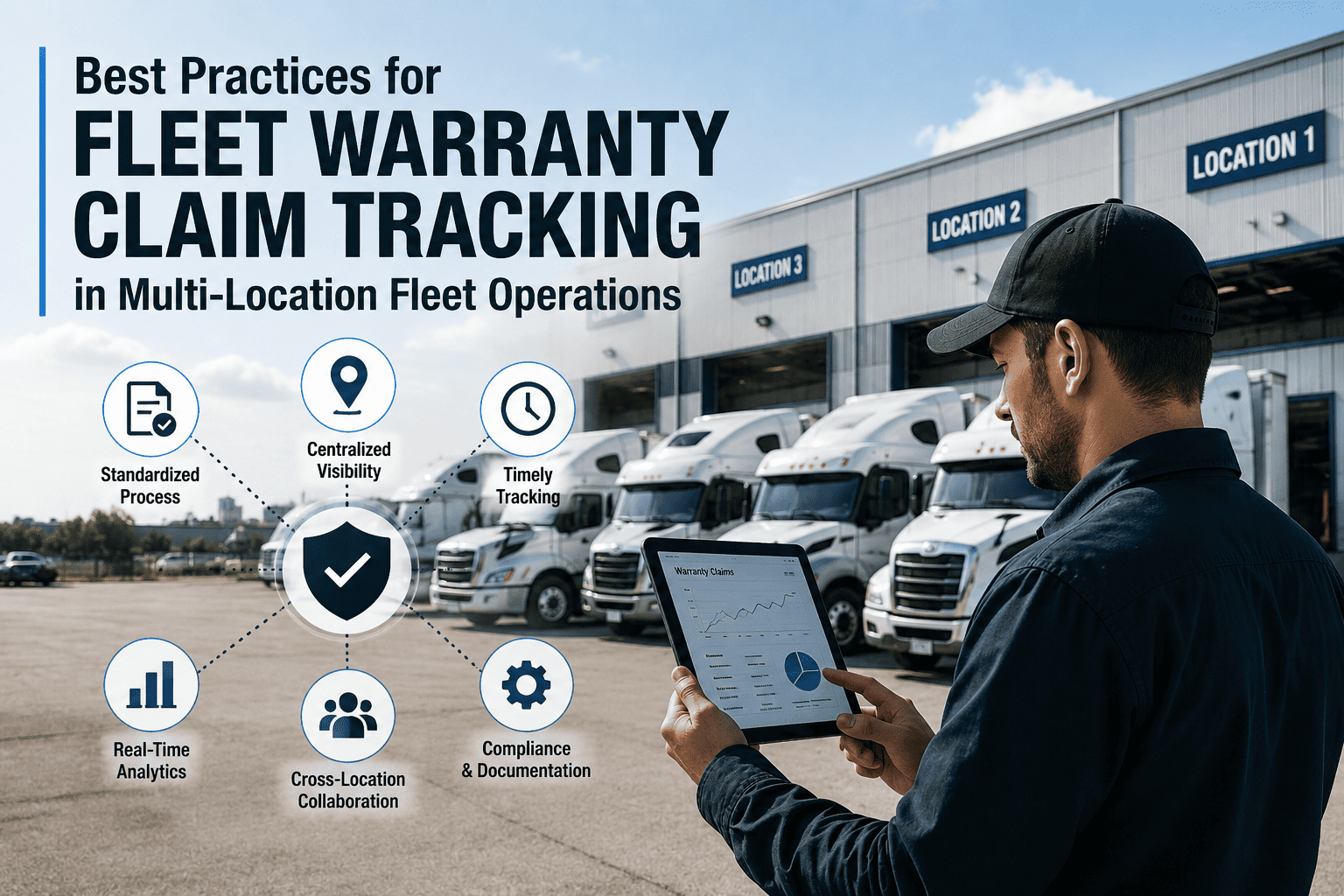
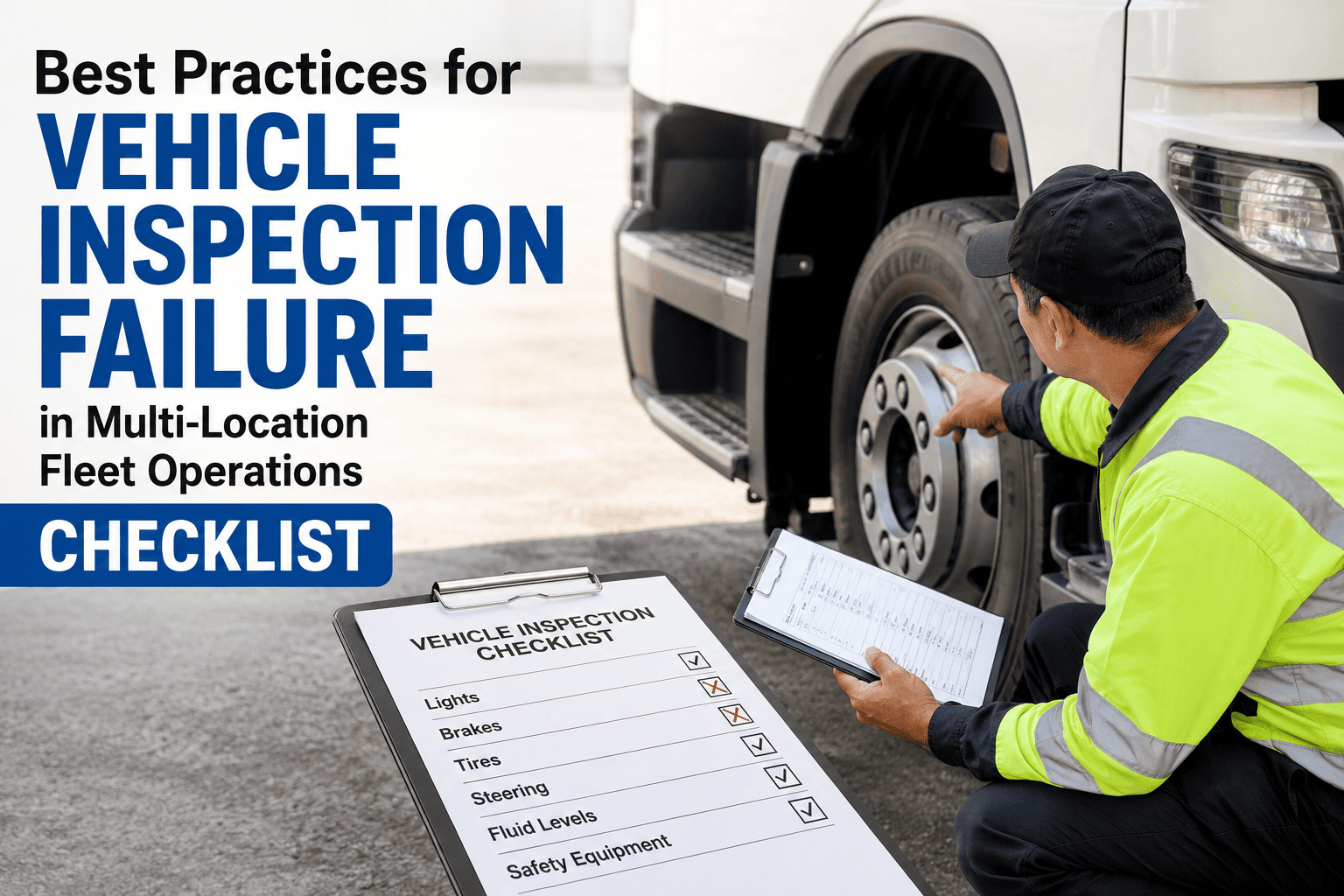
A rental fleet lives and dies on two metrics: utilization rate and turnaround time. Every hour a vehicle sits unrented because it's waiting for a post-return inspection, a brake pad replacement, or a windshield crack repair is lost revenue that can never be recovered. A 500-vehicle rental fleet averaging $45/day per vehicle loses $22,500 for every day that 1% of the fleet is down for unplanned maintenance. At scale, the difference between a 92% utilization rate and an 85% rate is $1.2 million in annual revenue. The rental companies that win aren't the ones with the newest vehicles — they're the ones with the fastest turnaround, the most predictable maintenance costs, and the cleanest vehicle condition documentation. OxMaint delivers all three — with automated turnaround checklists, condition-based PM scheduling, and per-vehicle cost tracking that makes fleet replacement decisions data-driven instead of guesswork-driven.
Every hour a vehicle sits in maintenance is revenue lost forever. CMMS-driven turnaround checklists, condition tracking, and predictive maintenance keep your rental fleet on the road — and on the rental agreement — not in the shop.
The Rental Fleet Lifecycle: 5 Stages CMMS Optimizes
1
Vehicle Onboarding
New vehicle enters fleet: baseline condition report, photo documentation, odometer reading, warranty registration, PM schedule setup, and rental class assignment. Every vehicle starts with a complete digital record from day one — no inherited documentation gaps.
2
Pre-Rental Inspection
Before every rental: mobile checklist covering exterior condition, interior cleanliness, tire pressure, fluid levels, warning lights, and documentation. Photos captured for damage accountability. Vehicle cleared for rental or flagged for service — no guesswork, no customer complaints about pre-existing damage.
3
Active Rental Monitoring
During rental: telematics monitors mileage accumulation, engine health, and upcoming PM thresholds. If a vehicle approaches a service interval during a long-term rental, OxMaint generates a service-due alert so the rental team can coordinate mid-rental service or swap without SLA interruption.
4
Post-Return Turnaround
Vehicle returns: return inspection checklist documents new damage, mileage, fuel level, and interior condition. Any damage flagged generates a repair work order and a customer charge record simultaneously. PM compliance checked — if service is due, vehicle routes to shop instead of wash. Target: inspection complete in 30 minutes, vehicle rental-ready in 4 hours.
5
Fleet Replacement Decision
When cumulative maintenance cost approaches replacement value, OxMaint flags the vehicle for fleet exit analysis. Condition score, maintenance history, revenue generated, and projected remaining useful life feed into a data-driven replace-or-retain recommendation. No more holding vehicles past their profitable service window — or replacing them too early.
Turnaround Operations: The Revenue Multiplier
The fastest rental companies turn vehicles in 2–4 hours from return to rental-ready. The slowest take 24–48 hours. The gap is entirely a process problem — and CMMS solves it by eliminating every manual step, decision point, and communication delay in the turnaround workflow.
Step
Without CMMS
With OxMaint
Return inspection
Paper form, filed later
Mobile checklist + photos, instant
Damage assessment
Walk to office, fill report
Flagged on mobile, WO auto-created
PM check
Manual spreadsheet lookup
Auto-checked against PM schedule
Cleaning dispatch
Radio/verbal handoff
Auto-routed to detail queue
Rental-ready status
Manual status board update
Digital status: available in system
Typical total time
8–24 hours
2–4 hours
Per-Vehicle Financial Analytics
Rental fleet profitability isn't measured fleet-wide — it's measured per vehicle. Some vehicles generate $18,000/year in revenue and cost $2,400 in maintenance. Others generate $14,000 and cost $6,800. Without per-vehicle analytics, both stay in the fleet. With OxMaint, the unprofitable vehicle gets flagged for replacement before it drags down your blended ROI.
Revenue per Vehicle
Track rental revenue per vehicle per month. Identify high-performers and underperformers across your fleet classes.
Maintenance Cost per Vehicle
All labor, parts, and vendor costs roll up to each vehicle's record. Cost trending identifies vehicles approaching replacement threshold.
Utilization Rate per Vehicle
Days rented vs days available. Vehicles consistently below fleet average get reviewed for class change, relocation, or exit.
Net Contribution per Vehicle
Revenue minus all costs (maintenance, insurance, depreciation) = net contribution. The single number that drives fleet composition decisions.
Rental Fleet CMMS
Turn Faster. Track Everything. Know Which Vehicles Make Money.
OxMaint gives rental fleet operators the turnaround speed, condition tracking, and per-vehicle financial analytics that separate high-utilization operations from the rest.
How does CMMS reduce rental vehicle turnaround time?+
OxMaint replaces every manual step in the return-to-rental process with a digital workflow. Return inspection is a mobile checklist with photo capture — no paper forms. Damage flags auto-generate repair work orders. PM compliance is checked automatically against the vehicle's maintenance schedule. Cleaning is dispatched from the inspection screen. The vehicle's status updates to "rental-ready" the moment the last step completes. The typical result is turnaround time compressed from 8–24 hours to 2–4 hours.
Can OxMaint track damage accountability per rental customer?+
Yes — OxMaint's pre-rental and post-return inspection checklists include timestamped photo documentation. When a technician identifies new damage during the return inspection, the system compares it against the pre-rental condition report. The damage is documented with photos, linked to the rental agreement period, and a repair work order with cost estimate is generated. This documentation supports damage charges and resolves disputes with photographic evidence.
How does CMMS help with rental fleet replacement decisions?+
OxMaint tracks cumulative maintenance cost, utilization rate, revenue generated, and condition score per vehicle over its entire service life. When maintenance cost trends upward past a configurable threshold (typically when annual maintenance exceeds 15–20% of vehicle value), the system flags it for fleet exit review. The fleet manager sees a complete financial summary — total revenue, total cost, net contribution, and projected remaining life — enabling data-driven replacement timing instead of age-based or mileage-based replacement rules.
Can OxMaint manage multiple rental locations on one platform?+
Yes — OxMaint's multi-site architecture supports unlimited locations under a single account. Each location manages its own vehicles, technicians, and turnaround workflows while corporate-level reporting aggregates utilization rates, maintenance costs, and fleet performance across all locations. Vehicles transferred between locations carry their full maintenance history, so the receiving location has complete visibility into every vehicle's condition and PM status.
Does OxMaint integrate with rental management software?+
OxMaint provides API integration capability for connecting with rental management systems (RMS), reservation platforms, and telematics providers. Vehicle availability status, PM due dates, and condition flags can sync between systems — so the rental counter never books a vehicle that's in the shop, and the maintenance team never loses sight of vehicles that need service during active rentals.
OxMaint · Rental Fleet Management
Every Vehicle Earning. Every Hour Counted. Every Dollar Tracked.
Rental fleet profitability is a function of utilization rate, turnaround speed, and maintenance cost control. OxMaint optimizes all three — with mobile inspections, automated workflows, per-vehicle analytics, and multi-location visibility on one platform.