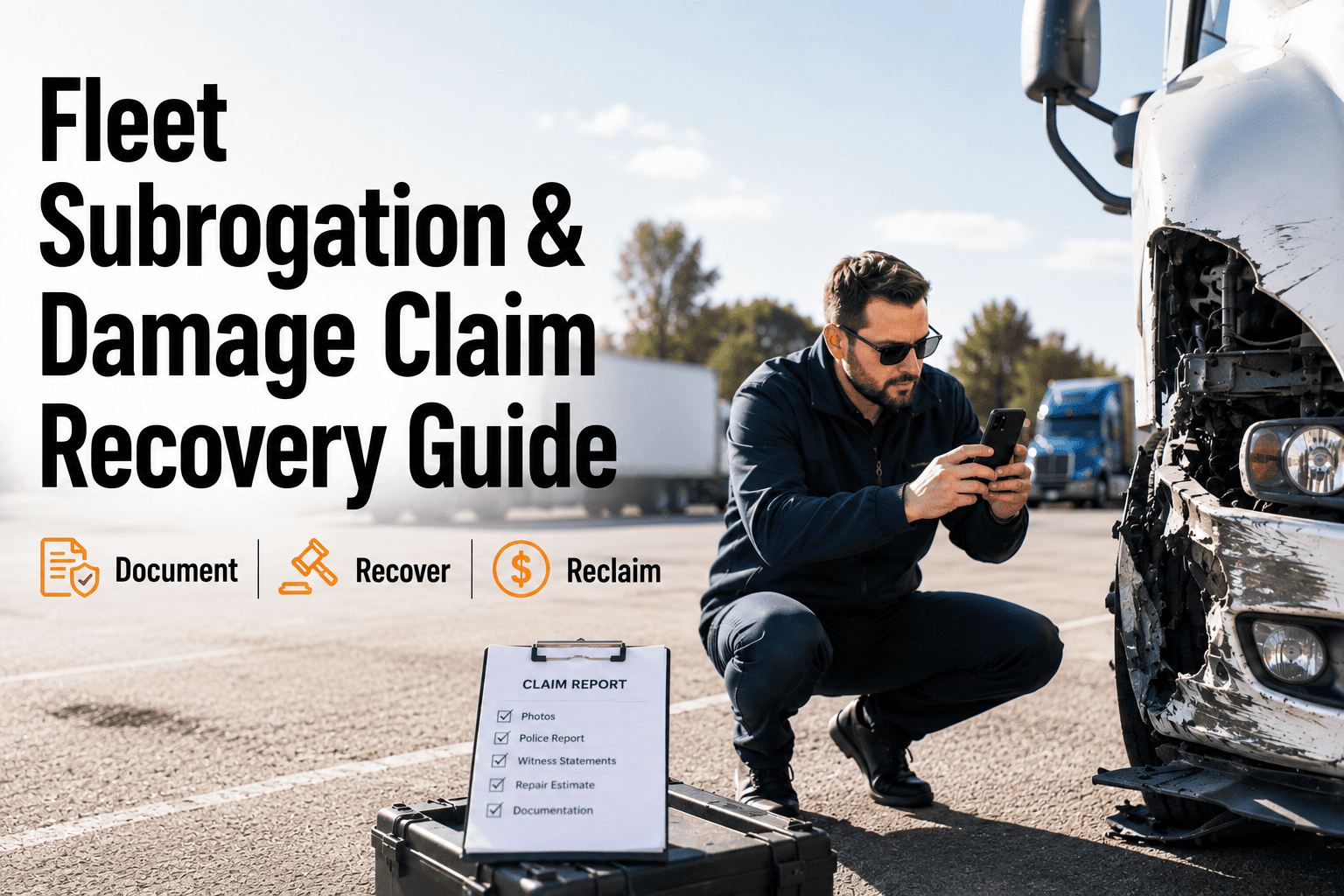
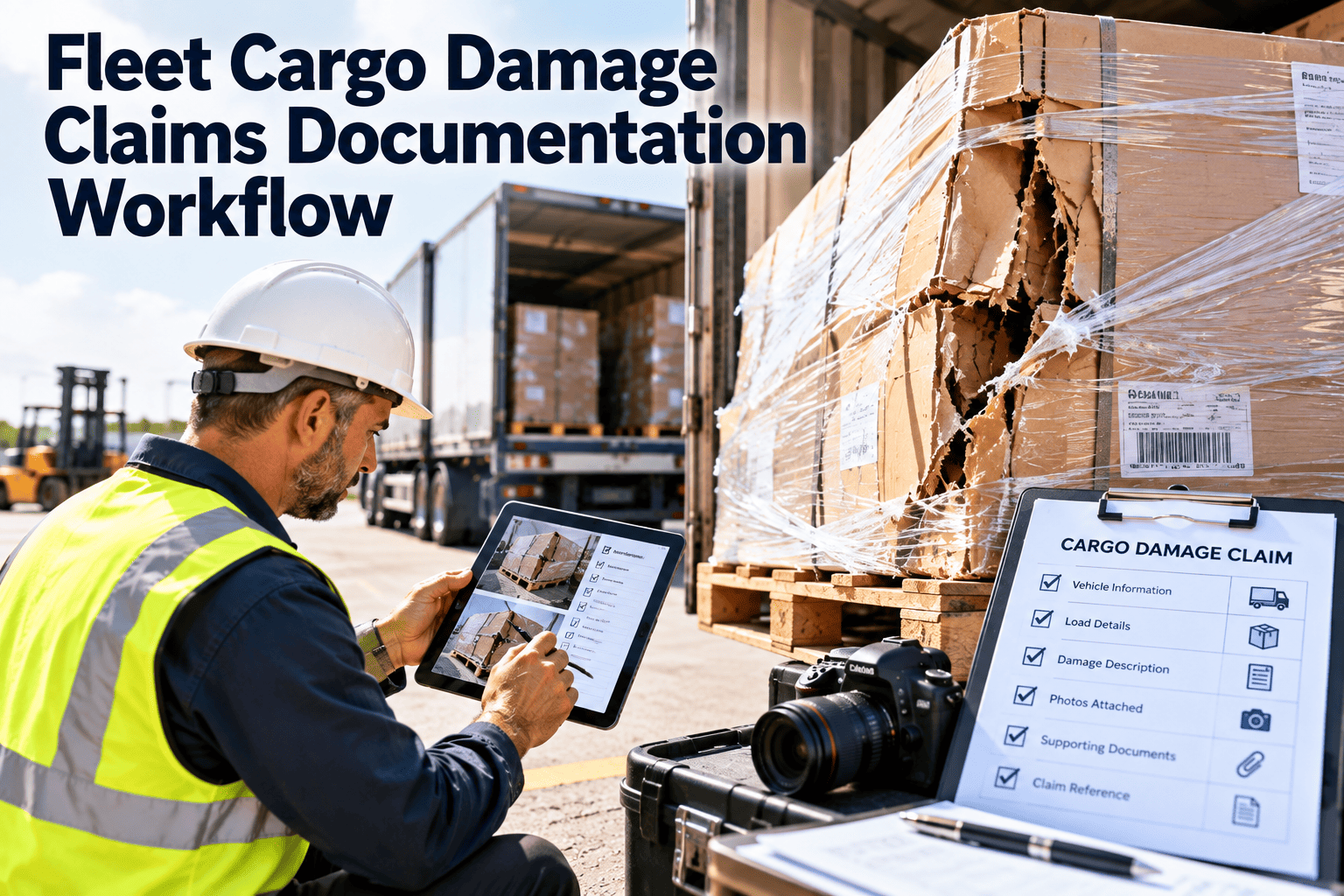
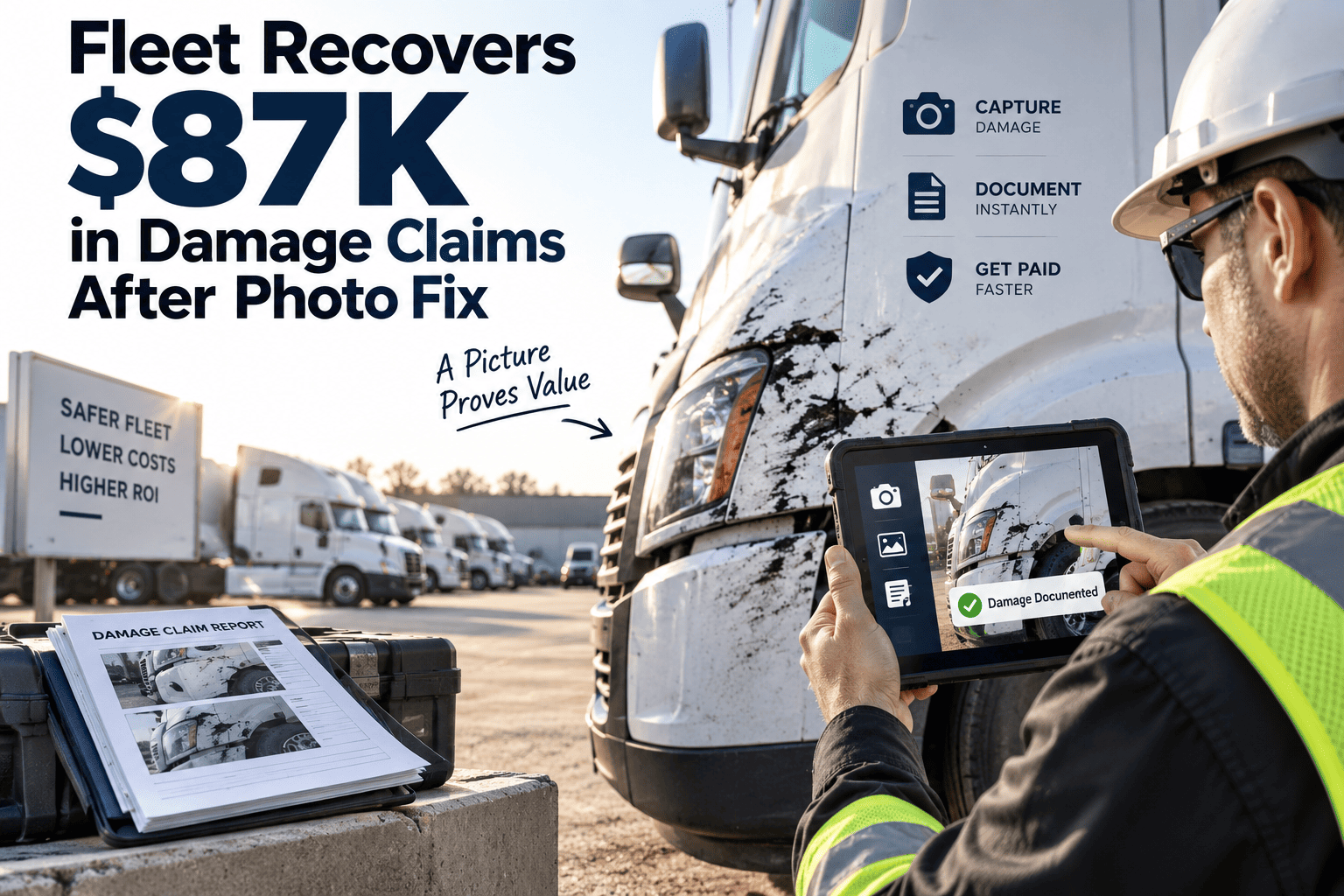
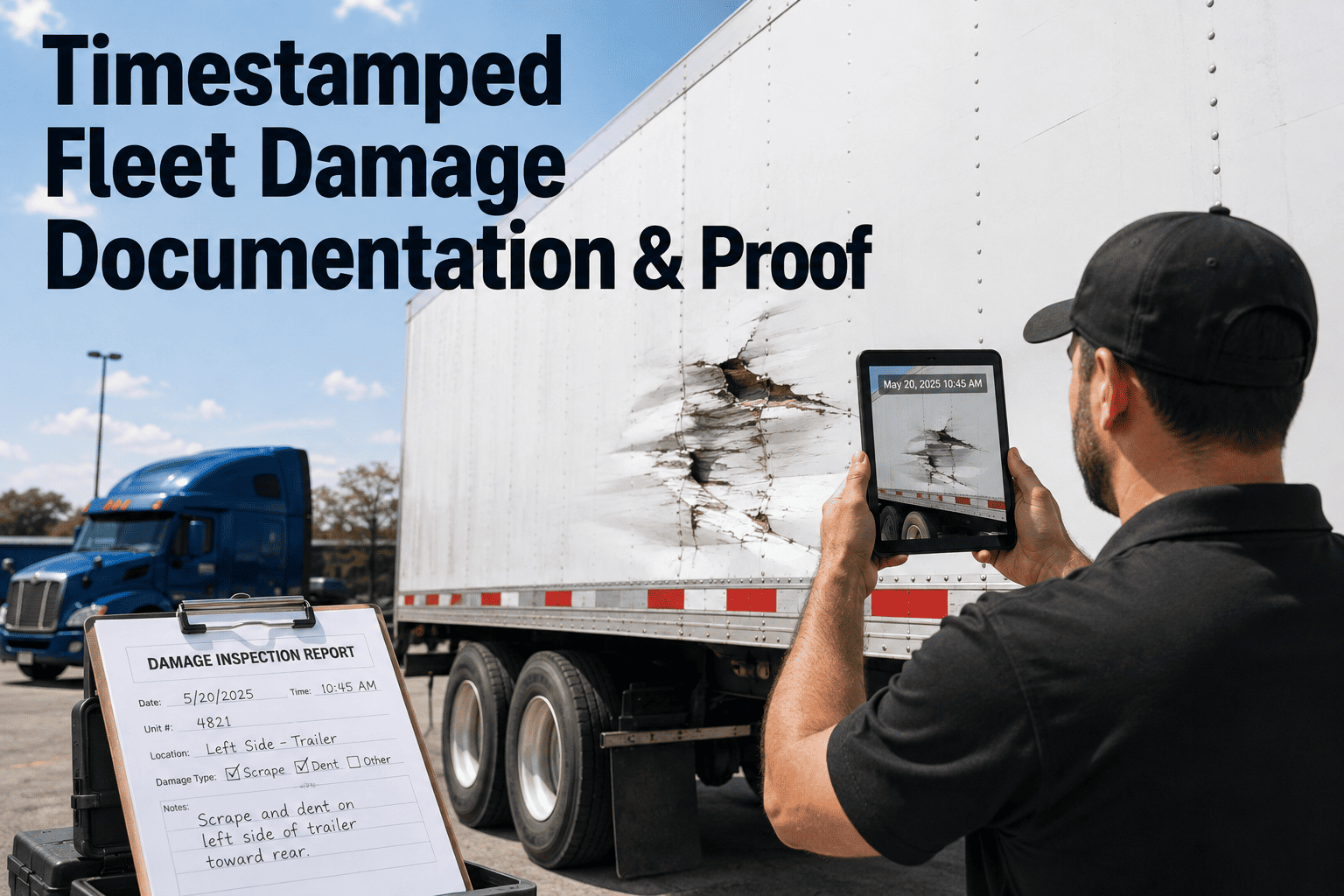
Fleet subrogation and damage claim recovery runs on one rule that most fleets learn the hard way: money that cannot be documented cannot be collected. When a company vehicle is struck by an at-fault third party, the fleet or its insurer pays for repairs first and pursues reimbursement from the responsible party's insurer afterward, and that reimbursement only arrives when maintenance history, odometer readings, driver statements, and incident evidence exist in a form an adjuster can actually verify. Most recoverable dollars are lost not because liability was unclear, but because the paperwork behind the claim was incomplete, scattered across spreadsheets and shop folders, or filed after the evidence window had already closed. Sign in to OxMaint to link maintenance records, inspections, and incident documentation into one subrogation-ready file, or book a demo to see how CMMS-backed evidence shortens recovery cycles.
Claims Recovery · Fleet Risk Management
Fleet Subrogation & Damage Claim Recovery — Turn Absorbed Losses Into Collected Cash
Every unrecorded odometer reading, missing repair invoice, and delayed photo is a dollar an adjuster will not honor. OxMaint keeps asset history, inspection records, and incident evidence connected from the moment damage happens to the day the recovery check clears — so subrogation claims are built on proof, not memory.
2 to 4x
higher recovery typically achieved with complete documentation versus incomplete claim files
30 days
average cycle time fleets report when evidence is centralized and demand packages are built early
60 to 90
day window before witness memory fades and repair receipts go missing from paper trails
100%
of subrogation value depends on evidence a fleet actually kept, not on fault being obvious
Where Fleet Damage Dollars Quietly Disappear
Subrogation is not a legal mystery — it is a documentation exercise. An insurer pursuing a third party needs to prove three things: that the third party was at fault, that the fleet's asset was in the condition the claim describes, and that the cost being demanded is real and itemized. Fleets that recover well treat every incident as a case file from minute one. Fleets that absorb losses tend to make the same four mistakes, repeated across hundreds of vehicles and dozens of shops, until the pattern becomes an invisible tax on the whole operation.
Evidence Captured Too Late
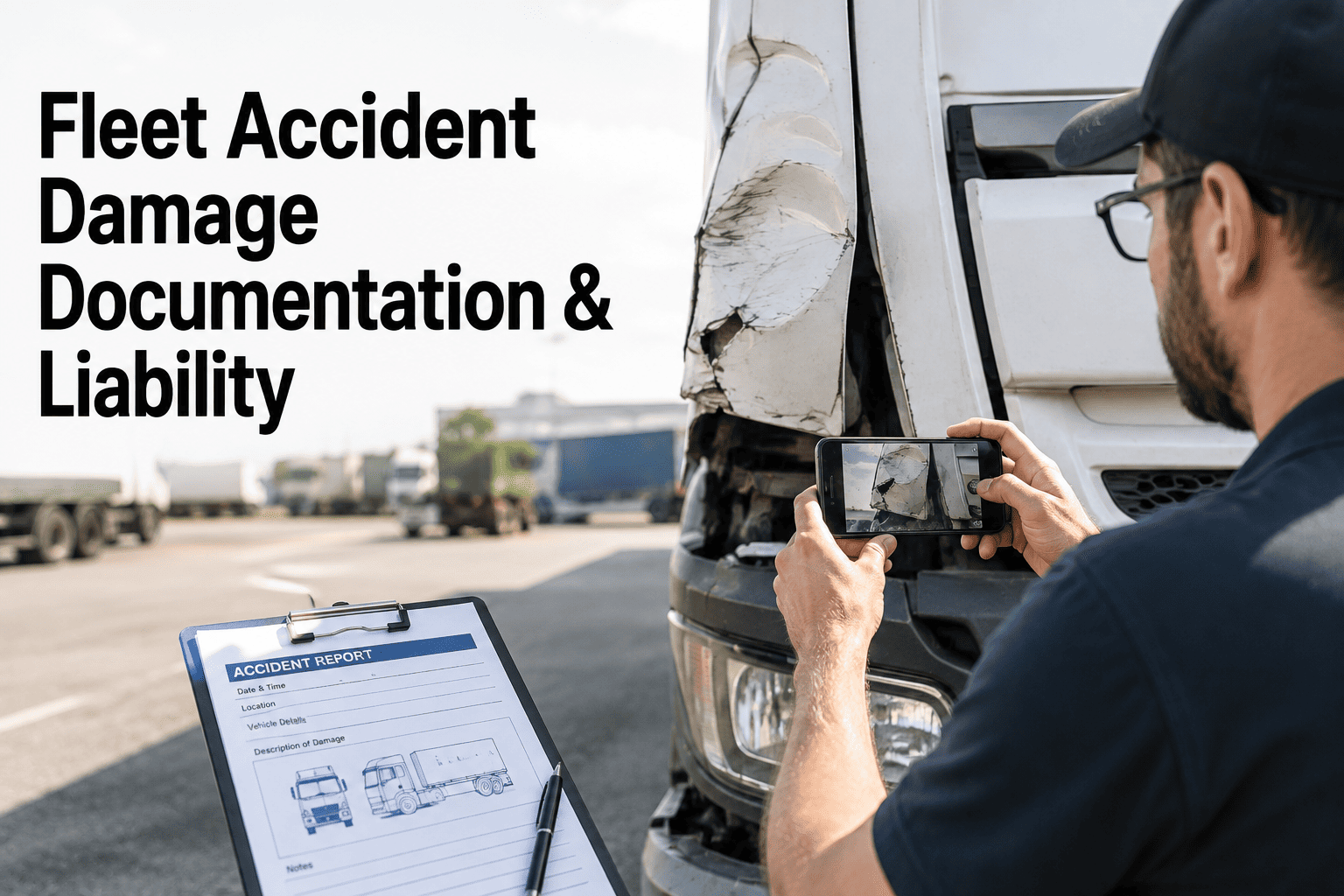
Photos get taken after the vehicle has already been moved, cleaned, or partially repaired, so the visual proof of point of impact and damage extent no longer matches what the adjuster needs to see.
Maintenance History Disconnected From the Claim
Without a verifiable service record, an adjuster cannot confirm the vehicle's pre-incident condition, which opens the door to disputes over pre-existing wear and reduced settlement offers.
No Single Chain of Custody
Police reports sit in one inbox, repair invoices in another, driver statements on paper in a glovebox — by the time someone assembles a demand package, weeks have passed and pieces are missing.
Downtime and Diminished Value Left Unclaimed
Fleets that only claim repair cost, and skip loss-of-use, administrative time, and diminished value, routinely settle for a fraction of what the incident actually cost the operation.
Documented Claims Recover More — Structured Evidence vs Scattered Records
The gap between a fleet that recovers consistently and one that absorbs losses rarely comes down to who had the stronger case. It comes down to who could produce a complete file the first time an adjuster asked for one.
| Claim Factor |
Scattered Records |
OxMaint-Backed Documentation |
| Photo and video capture at scene |
Depends on driver memory and phone storage |
Logged to the asset record at the time of incident |
| Maintenance history for the claim |
Spread across shops, spreadsheets, and paper folders |
Full service and inspection history tied to one asset ID |
| Time to build a demand package |
Days to weeks of chasing documents |
Minutes, pulled from an existing asset file |
| Downtime and loss-of-use tracking |
Rarely itemized, often left off the claim |
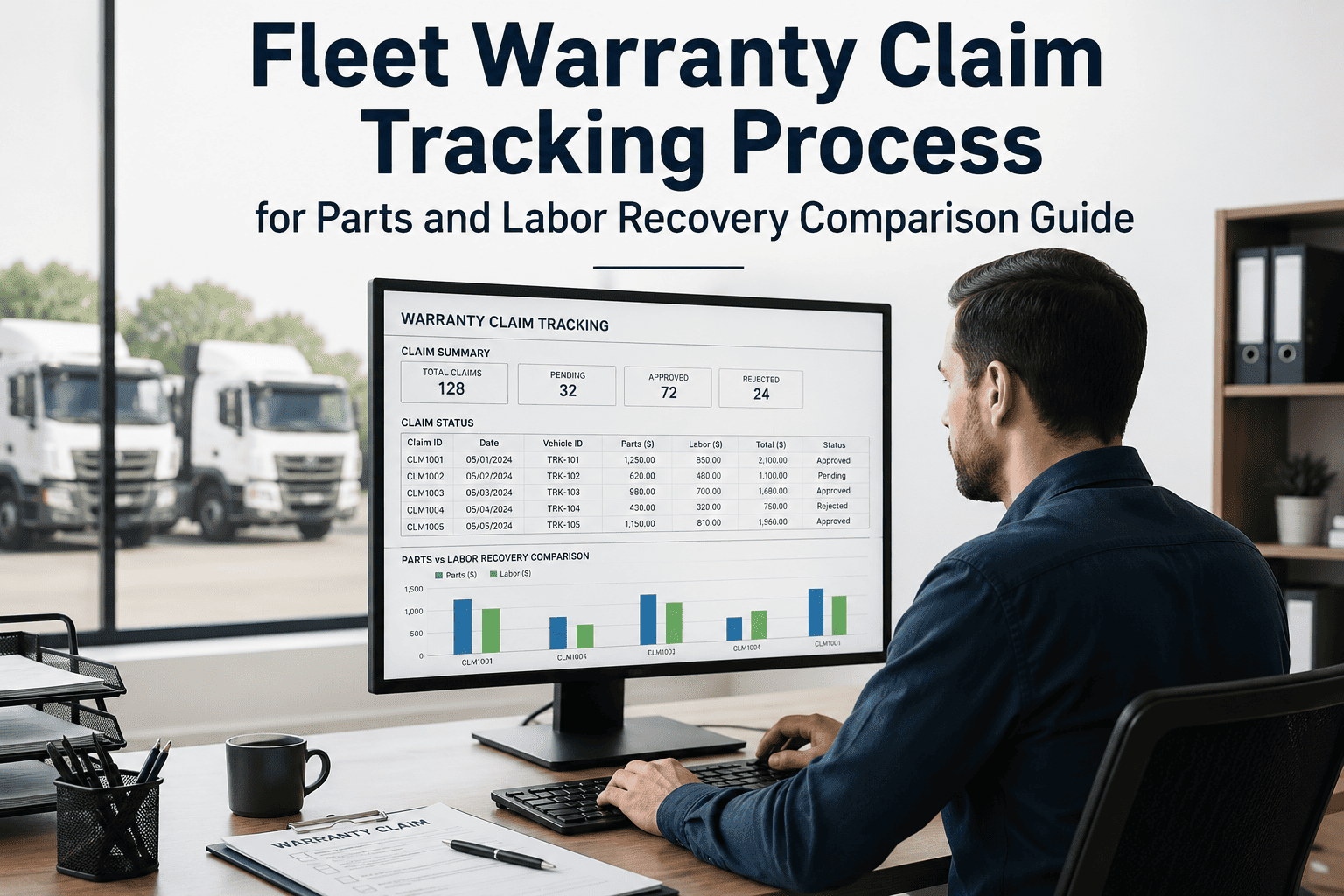
Out-of-service dates and costs recorded automatically |
| Audit trail if a claim is disputed |
Reconstructed after the fact, if possible at all |
Timestamped record available on demand |
| Typical recovery cycle |
Months, with frequent follow-up delays |
Weeks, once evidence is centralized from day one |
Every Incident Should Open a Case File, Not a Search Party
OxMaint attaches incident photos, maintenance history, inspection records, and repair costs directly to the vehicle's asset profile the moment an incident is logged — so the fleet team is never starting a subrogation claim from a blank page weeks after the damage happened.
From Incident to Recovered Check — The Evidence Pipeline
Recovery is a sequence, and each step depends on the one before it being done properly. Skipping or rushing any single stage weakens every stage that follows, which is why fleets that recover consistently treat the pipeline as a fixed routine rather than a reaction to each new incident.
1
Log the Incident
Driver or manager records the incident against the asset — location, time, parties involved, and initial photos captured before the vehicle is moved or repaired.
2
Pull Asset History
Maintenance, inspection, and odometer records tied to that asset ID are compiled to establish verified pre-incident condition.
3
Build the Liability File
Police report, witness statements, and driver account are attached alongside the photo and history record to establish fault.
4
Prepare the Demand Package
Repair estimate, downtime cost, administrative fees, and diminished value are itemized into a single package ready for the adjuster.
5
Track the Recovery
Payment status, follow-ups, and reconciliation are tracked against the case file until the recovered amount is closed out.
What Counts as Subrogation-Ready Evidence
Adjusters do not reward good intentions, they reward complete files. The following evidence types make up the difference between a claim that gets fully honored and one that gets negotiated down.
Visual Proof
Photos and Video
Wide shots of the scene, close-up damage angles, and license plates or markings of the at-fault vehicle, captured before repair work begins.
Condition Record
Maintenance and Inspection History
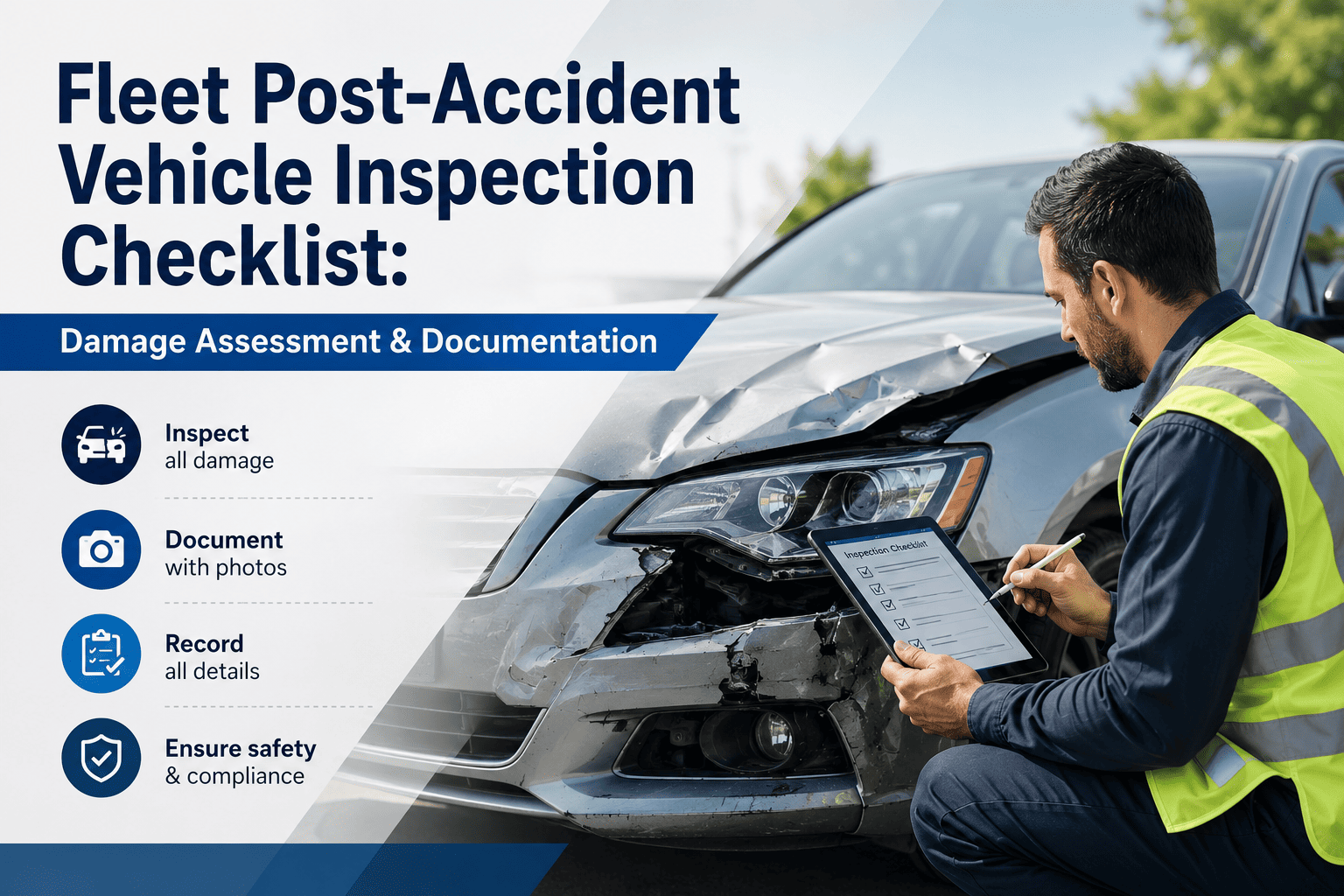
Service dates, part replacements, and pre-trip inspection results that establish the vehicle's verified condition before the incident occurred.
Location Data
Telematics and GPS Logs
Speed, location, and route data at the time of impact that can confirm or dispute the sequence of events described by either party.
Human Account
Driver and Witness Statements
A written account taken as close to the incident as possible, while details are still fresh and consistent with the physical evidence.
Cost Basis
Repair Invoices and Downtime Costs
Itemized repair estimates alongside documented out-of-service days, so the demand package reflects the full financial impact, not just parts and labor.
Matching Documentation Depth to Claim Value
Not every incident needs the same evidence depth. A cracked mirror does not require the same file as a total loss, but fleets that under-document mid-size and major claims are the ones that leave the most money behind.
Minor
Cosmetic Damage
Photos and a basic repair estimate are usually sufficient. Still worth logging to the asset for trend visibility across the fleet.
Moderate
Structural or Mechanical Damage
Requires photos, repair estimate, and maintenance history to confirm the damage was incident-caused rather than pre-existing wear.
Major
Extended Downtime
Full case file needed — liability evidence, repair costs, and documented loss-of-use for every day the asset was out of service.
Total Loss
Vehicle Replacement
Complete history, valuation support, and diminished value documentation are essential — this is the highest-dollar file and the least forgiving of gaps.
Frequently Asked Questions
What is fleet subrogation in simple terms?
It is the process of recovering money from the party actually at fault after a fleet or its insurer has already paid for the damage. The fleet is reimbursed once liability and cost are proven with documentation.
Why do fleets lose money on claims they should have won?
Liability being obvious does not guarantee recovery — the demand still needs photos, maintenance history, and itemized costs.
Sign in to OxMaint to see how connected records close that gap.
How long does a subrogation claim usually take to resolve?
Cycle time varies by complexity, but claims with complete documentation from the start typically resolve in weeks rather than months, since there is no back-and-forth chasing missing records.
Can downtime and diminished value really be claimed alongside repair costs?
Yes, when they are documented with dates and figures. Fleets that only submit repair invoices routinely leave loss-of-use and diminished value on the table unclaimed.
How does OxMaint support subrogation without replacing our claims process?
OxMaint keeps maintenance, inspection, and incident evidence attached to each asset so the file is ready whenever a claim is filed.
Book a demo to see the workflow.
Every Undocumented Incident Is a Recovery You Will Never Collect
OxMaint keeps incident evidence, maintenance history, and inspection records connected to every asset in the fleet, so subrogation claims are built on proof from day one instead of a scramble weeks later.