Fleet tire expenses represent 10-20% of total vehicle operating costs, yet most fleet managers treat tire management as a reactive maintenance issue rather than a strategic optimization opportunity. The harsh reality: improper tire management costs the average commercial fleet $2,500-$4,000 per vehicle annually through premature tire replacement, excessive fuel consumption, unexpected breakdowns, and safety incidents. However, fleets implementing comprehensive tire management programs consistently extend tire life by 25-40%, reduce fuel costs by 3-7%, and eliminate 80-90% of tire-related breakdowns. The difference lies in shifting from scheduled replacements to data-driven tire optimization. By implementing Oxmaint's Tire Management and Programs platform, fleet operators gain real-time visibility into tire pressure, tread depth, rotation schedules, and predictive replacement timing—transforming tires from a consumable expense into a managed asset with measurable ROI.
25-40%
Extended tire life with proper management programs
3-7%
Fuel savings from optimized tire pressure monitoring
85%
Reduction in roadside tire failures with programs
$3,200
Average annual savings per vehicle with optimization
Stop wasting money on premature tire replacements and fuel inefficiency. Sign up for Oxmaint to implement data-driven tire management that extends life and cuts costs.
The Complete Tire Management Framework
Effective fleet tire management requires a systematic approach across five critical disciplines: pressure monitoring, tread depth tracking, rotation scheduling, alignment verification, and lifecycle analysis. Most fleets fail because they address these elements inconsistently or reactively—checking pressure only during scheduled services, rotating tires based on arbitrary mileage intervals, and replacing tires when they fail rather than before optimal retirement points. Oxmaint's Tire Management platform eliminates this fragmentation by centralizing all tire data in one system: automated pressure alerts when PSI drops below manufacturer specs, GPS-tracked tread depth measurements during inspections, mileage-triggered rotation reminders customized per vehicle type, and predictive analytics that calculate optimal replacement timing based on actual wear patterns rather than guesswork. This comprehensive approach doesn't just extend tire life—it optimizes total cost of ownership by ensuring every tire delivers maximum mileage at peak performance. To see how a complete tire management program would transform your fleet's operating costs, schedule a tire optimization assessment with our fleet specialists.
Average Tire Life
78,500 mi
35% Above Industry Average
Pressure Compliance
96.8%
Within Optimal Range
Roadside Failures
0.08/Vehicle
85% Below Industry Rate
Tire Pressure Monitoring: The Foundation of Savings
Tire pressure is the single most critical variable affecting tire life, fuel economy, and safety—yet it's the most neglected aspect of fleet maintenance. Research shows that 55% of commercial vehicles operate with at least one tire 10+ PSI below optimal pressure, reducing tire life by 15-20% per tire and increasing fuel consumption by 2-4% per vehicle. The problem isn't driver negligence; it's the impossibility of manually maintaining optimal pressure across large fleets without systematic tracking. Oxmaint solves this with digital pressure logging during pre-trip inspections: drivers record PSI readings via mobile app, the system flags any tire below manufacturer specs, and maintenance receives automatic work orders to correct deficiencies before the vehicle departs. This simple process eliminates the "I'll check it later" mentality that destroys tires and wastes fuel. Fleet managers gain dashboard visibility showing which vehicles have pressure issues, which drivers consistently report problems, and which tire positions chronically lose pressure—revealing patterns that guide preventive interventions before expensive failures occur.
1
Pressure Monitoring
Daily pre-trip inspections capture tire pressure readings, automatically flagging any PSI below manufacturer specifications for immediate correction.
2
Tread Tracking
Monthly tread depth measurements identify irregular wear patterns, triggering alignment checks or rotation schedules to maximize remaining tire life.
3
Rotation Scheduling
Mileage-based rotation reminders ensure even wear across all tire positions, extending overall tire life and preventing position-specific failures.
✓
Lifecycle Optimization
Predictive replacement timing based on actual wear rates ensures tires retire at optimal points—not too early, never too late.
Inconsistent Pressure Checks
Drivers skip pressure checks or only check visually, allowing tires to run underinflated for weeks. Each 10 PSI drop costs 15% tire life and 2% fuel economy.
Oxmaint Fix: Mobile pre-trip inspection app requires drivers to log actual PSI readings before departing. System alerts management to any below-spec readings, ensuring immediate correction before expensive damage occurs.
Ignoring Irregular Wear Patterns
Tires wearing unevenly signal alignment issues, improper inflation, or suspension problems. Ignoring these patterns wastes the entire tire investment when problems could be fixed early.
Oxmaint Fix: Tread depth tracking by position reveals wear pattern anomalies. System automatically generates alignment check work orders when outside tires wear faster than inside positions, catching problems before tire replacement becomes necessary.
Delayed Tire Rotations
Skipping rotations or extending intervals beyond manufacturer specs causes position-specific wear. Front tires wear out while rears remain serviceable, forcing premature full-set replacements.
Oxmaint Fix: Automated rotation scheduling based on actual vehicle mileage ensures timely service. System tracks which vehicles are overdue and prevents rotation intervals from slipping through scheduling gaps.
Premature Tire Replacement
Replacing tires at arbitrary tread depths (6/32", 5/32") without considering actual wear rates, application, or remaining safe life leaves thousands of usable miles on the table.
Oxmaint Fix: Tread depth history and wear rate calculations determine actual remaining mileage per tire. System recommends retirement based on projected failure point rather than generic depth rules, maximizing safe usable life.
No Tire Cost Analysis
Buying tires based on upfront price rather than total cost of ownership. Cheaper tires often deliver fewer miles per dollar, while premium tires with better warranties reduce total expense.
Oxmaint Fix: Tire lifecycle tracking calculates actual cost per mile by brand and model. Historical data reveals which tire investments deliver best ROI for your specific fleet application and operating conditions.
Ready to Optimize Your Tire Investment?
Stop losing money to preventable tire failures and premature replacements. Start tracking pressure, tread, and rotation with Oxmaint's comprehensive tire management platform.
Real-World Tire Cost Reduction Examples
15-Vehicle Delivery Fleet
$22,500Annual Tire Savings
Previous Annual Tire Cost
$67,500
Life Extension Achievement
28%
New Annual Tire Cost
$45,000
Program Implementation Time
60 Days
Most Common
30-Vehicle Mixed Fleet
$57,600Annual Tire Savings
Previous Annual Tire Cost
$144,000
Life Extension Achievement
35%
New Annual Tire Cost
$86,400
Program Implementation Time
90 Days
75-Vehicle Transportation Fleet
$168,750Annual Tire Savings
Previous Annual Tire Cost
$375,000
Life Extension Achievement
40%
New Annual Tire Cost
$206,250
Program Implementation Time
120 Days
Tread Depth Tracking and Rotation Strategy
Tread depth monitoring reveals more than just when to replace tires—it exposes alignment problems, driver behavior issues, suspension defects, and improper inflation patterns long before catastrophic failures occur. The industry standard of "replace at 4/32" ignores the reality that different applications, weather conditions, and operating environments require different retirement points. A city delivery truck operating in dry climates can safely run tires to 3/32", while long-haul highway trucks in wet regions should retire at 5/32" for safety. Oxmaint's tread tracking system records depth measurements by tire position during routine inspections, calculates wear rates per thousand miles, and projects remaining safe mileage based on actual usage patterns. This data-driven approach ensures tires retire at optimal points—maximizing usable life without compromising safety. The system also identifies irregular wear patterns that signal immediate mechanical issues: outside-edge wear indicates alignment problems, center wear suggests overinflation, and shoulder wear points to underinflation. Catching these issues early prevents destroying entire tire sets and fixes underlying mechanical problems before they cause expensive component failures.
Tire Program ROI Calculator
Extended Tire Life Savings
$48,000
30% Life Extension on 25 Vehicles
Fuel Economy Improvement
$12,500
Optimized Pressure Management
Roadside Failure Reduction
$8,750
85% Fewer Emergency Tire Calls
Expert Tire Management Insights
"The fleets spending the least on tires aren't buying the cheapest products—they're managing tire assets like the significant capital investments they actually are. A comprehensive tire management program isn't about squeezing extra miles from worn rubber; it's about ensuring every tire delivers its designed lifespan through proper pressure, rotation, and alignment. Most fleets leave 25-35% of their tire investment on the table simply because they lack the systematic tracking to identify and correct small problems before they become expensive failures."
TK
Thomas Keller
Fleet Tire Program Specialist
Advanced Tire Analytics and Reporting
The difference between tire expense management and tire asset optimization lies in analytics. Basic programs track when tires were installed and replaced; advanced programs analyze why certain tires failed prematurely, which positions wear fastest, which brands deliver best cost-per-mile, and which vehicles consume tires abnormally fast. Oxmaint's tire analytics dashboard transforms raw inspection data into actionable intelligence: cost per mile by tire brand and model, average life by vehicle type and application, failure rate analysis by position and cause, and wear pattern trends that reveal systemic problems. This visibility enables strategic tire purchasing decisions based on actual fleet performance rather than manufacturer claims or sales rep recommendations. You can identify which vehicles need suspension work based on abnormal tire consumption, which routes accelerate wear and require more frequent rotations, and which drivers exhibit behaviors that destroy tires prematurely. These insights don't just reduce tire costs—they improve overall fleet reliability by catching mechanical and operational problems early. When you're ready to transform tire data into strategic cost reductions, sign up for Oxmaint to access comprehensive tire analytics and reporting tools.
Start Reducing Tire Costs Today
Join successful fleet operators who have cut tire expenses by 25-40% through systematic pressure monitoring, tread tracking, and rotation management with Oxmaint. Start your free trial or schedule a personalized demo to see the tire management platform in action.
No credit card • 14-day trial • Complete Tire Management Suite Included
Frequently Asked Questions
How quickly can we see tire cost reductions with a management program?
Initial savings begin immediately through improved pressure monitoring and delayed premature replacements. Most fleets see 10-15% cost reductions within 90 days as proper pressure reduces fuel consumption and prevents early tire damage. The full 25-40% savings potential materializes over 6-12 months as rotation schedules optimize wear patterns and lifecycle analytics refine replacement timing. The key is starting documentation now—every month without systematic tracking means lost optimization opportunities.
What's the optimal tire rotation interval for commercial fleets?
There's no universal answer—optimal rotation intervals depend on vehicle type, application, mileage patterns, and tire design. Light-duty delivery trucks typically benefit from 6,000-8,000 mile rotations, while heavy-duty highway trucks may extend to 12,000-15,000 miles. Oxmaint's tire tracking calculates optimal intervals based on your actual wear patterns rather than generic manufacturer recommendations, ensuring rotations happen when they deliver maximum benefit without excessive labor costs.
Should we replace tires individually or in complete sets?
This depends on wear patterns and remaining tread depth differential. If one tire fails prematurely but others have 50%+ tread remaining, individual replacement makes sense. However, if the failed tire is part of a set with less than 30% remaining life, replacing the complete set prevents future individual failures and optimizes rotation effectiveness. Oxmaint's tread tracking data shows exactly how much life remains on each tire, enabling informed replacement decisions based on economics rather than guesswork.
How do we justify tire management software costs to upper management?
Calculate your current annual tire spend, then apply conservative 20% savings from basic pressure optimization and rotation management alone. For a 20-vehicle fleet spending $50,000 annually on tires, that's $10,000 in documented savings. Most tire management modules cost $500-1,500 annually, delivering 7-20x ROI in the first year. Present this as recovering money already being wasted rather than adding new expenses—the tire budget doesn't increase, you're simply capturing value currently lost to preventable failures and premature replacements.
Can tire management programs integrate with existing TPMS systems?
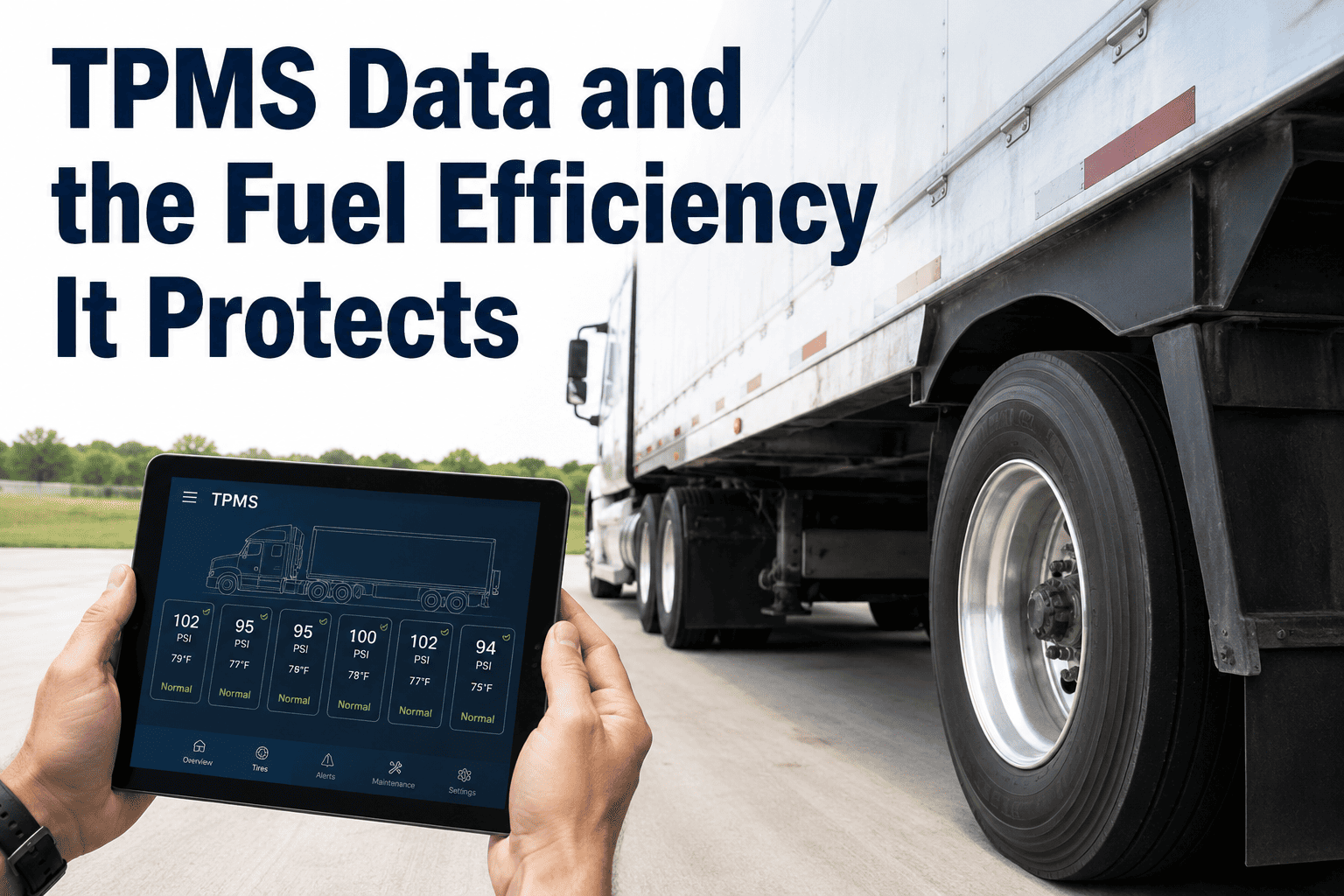
Yes, but integration value depends on your TPMS technology. Basic aftermarket TPMS provides pressure alerts but limited historical data or analytics. Oxmaint complements TPMS by adding tread depth tracking, rotation scheduling, wear pattern analysis, and cost-per-mile calculations that pressure sensors alone can't provide. For fleets with advanced telematics-based TPMS, Oxmaint can import pressure data automatically while adding the broader tire lifecycle management capabilities that optimize total cost of ownership.
What tire tread depth should trigger replacement in different applications?
Minimum legal tread depth is 2/32" in most regions, but safe retirement points vary by application. Long-haul highway trucks in wet climates should retire at 5/32"-6/32" for hydroplaning safety. Local delivery vehicles in dry regions can safely extend to 3/32"-4/32". Off-road or construction applications may retire earlier due to sidewall damage rather than tread wear. Oxmaint's tire tracking helps establish retirement standards based on your specific fleet application, weather conditions, and safety requirements rather than generic industry rules.



-for-commercial-fleets.png)

-(1).png)
