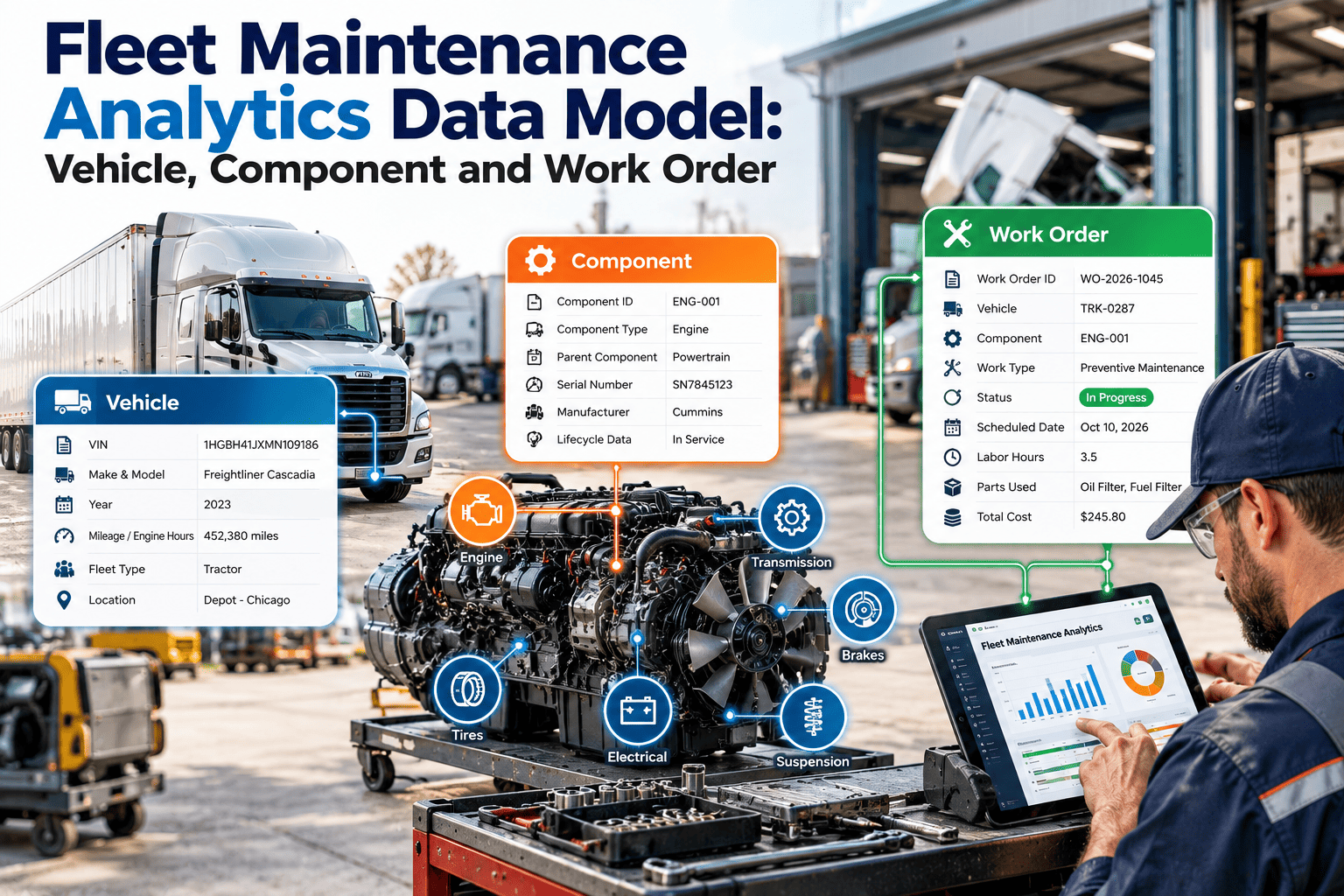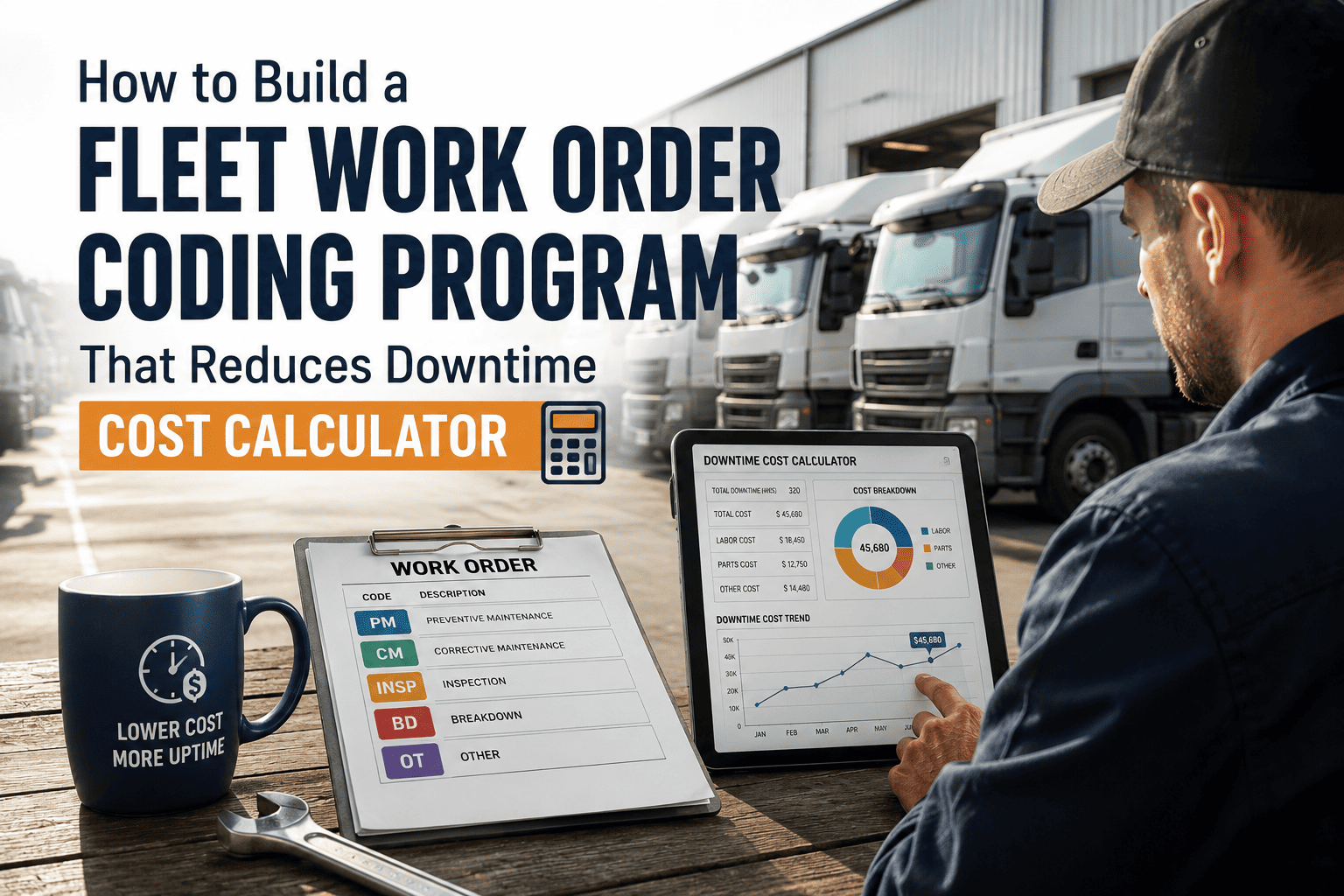
When a work order says "engine repaired" with a $2,200 charge, that tells you almost nothing useful. When it says "P0401 EGR flow fault — replaced EGR valve, part $340, labor 3.2 hrs" linked to asset ID TRK-017 with a cost center code, it tells you everything. Fleet work order coding is the practice of tagging every maintenance event with standardized cost codes, fault categories, and asset identifiers — and it is the difference between a fleet that guesses at its maintenance budget and one that manages it. Oxmaint's work order management system builds coding structure directly into every work order form so data entry is consistent without relying on technician memory. If your reporting still shows lump-sum repair costs instead of actionable cost breakdowns, this guide shows you what to change and why it matters for cost reporting at every fleet size.
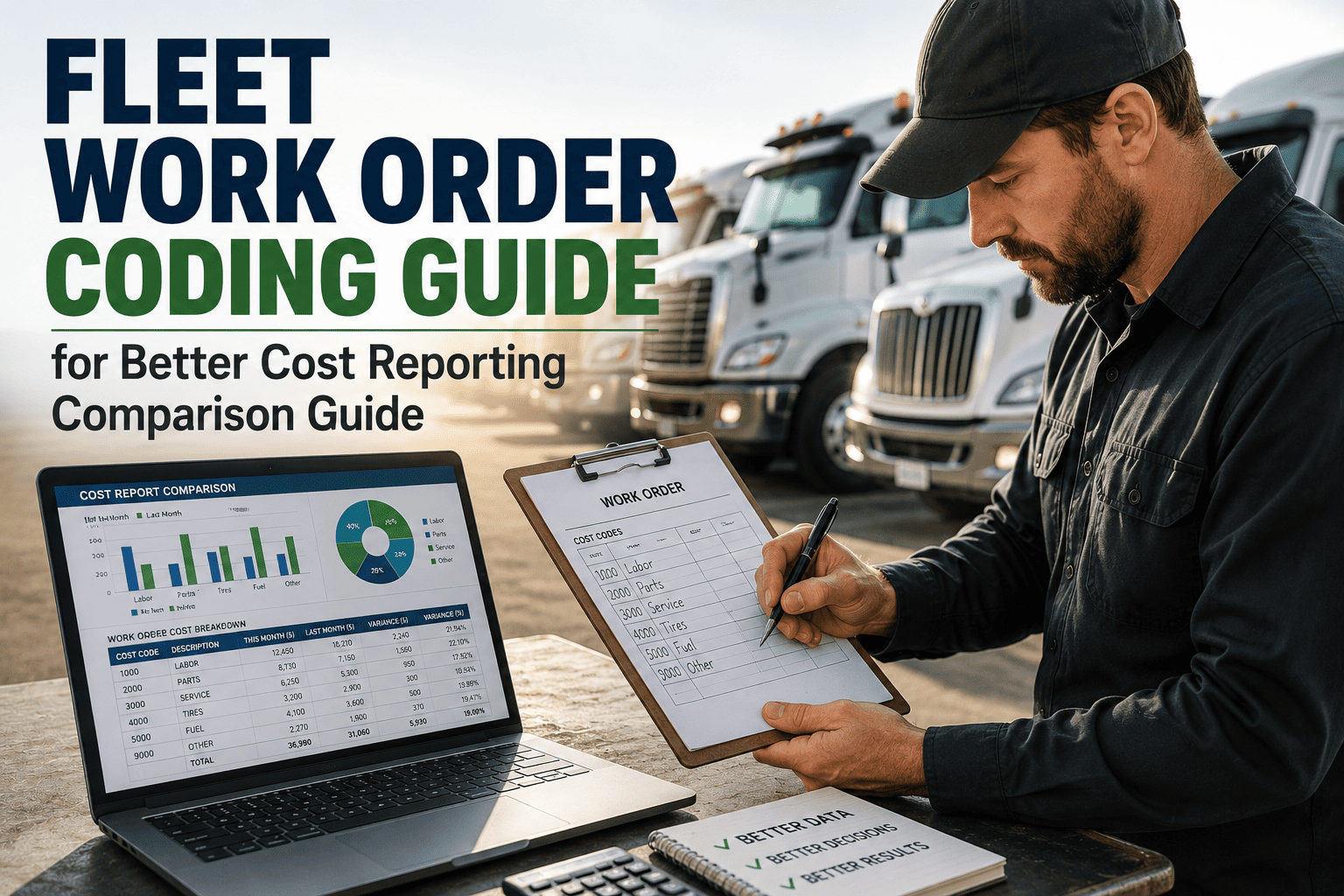
Fleet Work Order Coding Guide for Better Cost Reporting
Compare coding approaches, see what structured data unlocks, and find out how leading fleets use work order codes to cut reporting time by 60% and identify their top cost drivers in minutes.
Why Work Order Coding Breaks Down in Most Fleets
- Technicians use free-text description fields inconsistently
- Same repair gets 6 different code entries across 6 technicians
- No distinction between planned PM and unplanned repair costs
- Cost center codes guessed or skipped at time of entry
- Reporting team spends hours cleaning data before any analysis
- Dropdown-based code entry removes free-text inconsistency
- Fault codes, system codes, and cost centers required before close
- PM vs unplanned vs breakdown clearly separated in every report
- Cost center auto-populated from vehicle assignment
- Reports run in minutes with reliable, filterable data
The 5-Layer Work Order Coding System
Every work order needs five data layers to support meaningful cost reporting. Miss one layer and you lose a dimension of analysis permanently — maintenance history cannot be back-coded after the fact.
Unique identifier for the vehicle or equipment. Drives all lifecycle cost reporting and enables comparison across similar assets in the same class or route.
The vehicle system affected: engine, transmission, brakes, electrical, HVAC, tires, DEF system. Drives system-level cost analysis and identifies high-failure components across the fleet.
The specific failure mode: OBD fault code, complaint category (noise, leak, performance), or inspection finding code. Enables pattern detection when the same fault repeats across multiple vehicles.
PM (scheduled), repair (unplanned), breakdown (roadside), inspection, warranty, or accident. Separates controllable maintenance spend from reactive repair spend in all financial reporting.
The department, depot, route, or business unit responsible for the asset's operating costs. Allows maintenance expense to roll up correctly to the right budget owner in your financial system.
Configure your system codes, fault codes, and cost centers in Oxmaint once — and every work order your team closes will be coded correctly, automatically, with no data-cleaning required before reporting.
Work Order Coding: Approaches Compared
Not all coding approaches deliver the same reporting value. Here is how the most common methods stack up across the metrics that matter for fleet cost management.
| Approach | Data Quality | Reporting Speed | Pattern Detection | Budget Integration | Best For |
|---|---|---|---|---|---|
| Free-text only | Very low | Days of cleaning | Not possible | Manual extraction | Fleets with no reporting needs |
| Basic repair category | Low | Hours of aggregation | Limited | Partial, error-prone | Small fleets, 1–10 vehicles |
| System + cost category only | Medium | 30–60 minutes | System-level only | Moderate | Mid-size fleets without CMMS |
| Full 5-layer coding (manual) | High | 15–30 minutes | Full pattern detection | Strong | Fleets with dedicated analysts |
| Full 5-layer in Oxmaint CMMS | Very high | Instant, auto-generated | Real-time fleet-wide | Direct export to finance | Any fleet size, any operation type |
What Cost Reports Become Possible with Proper Coding
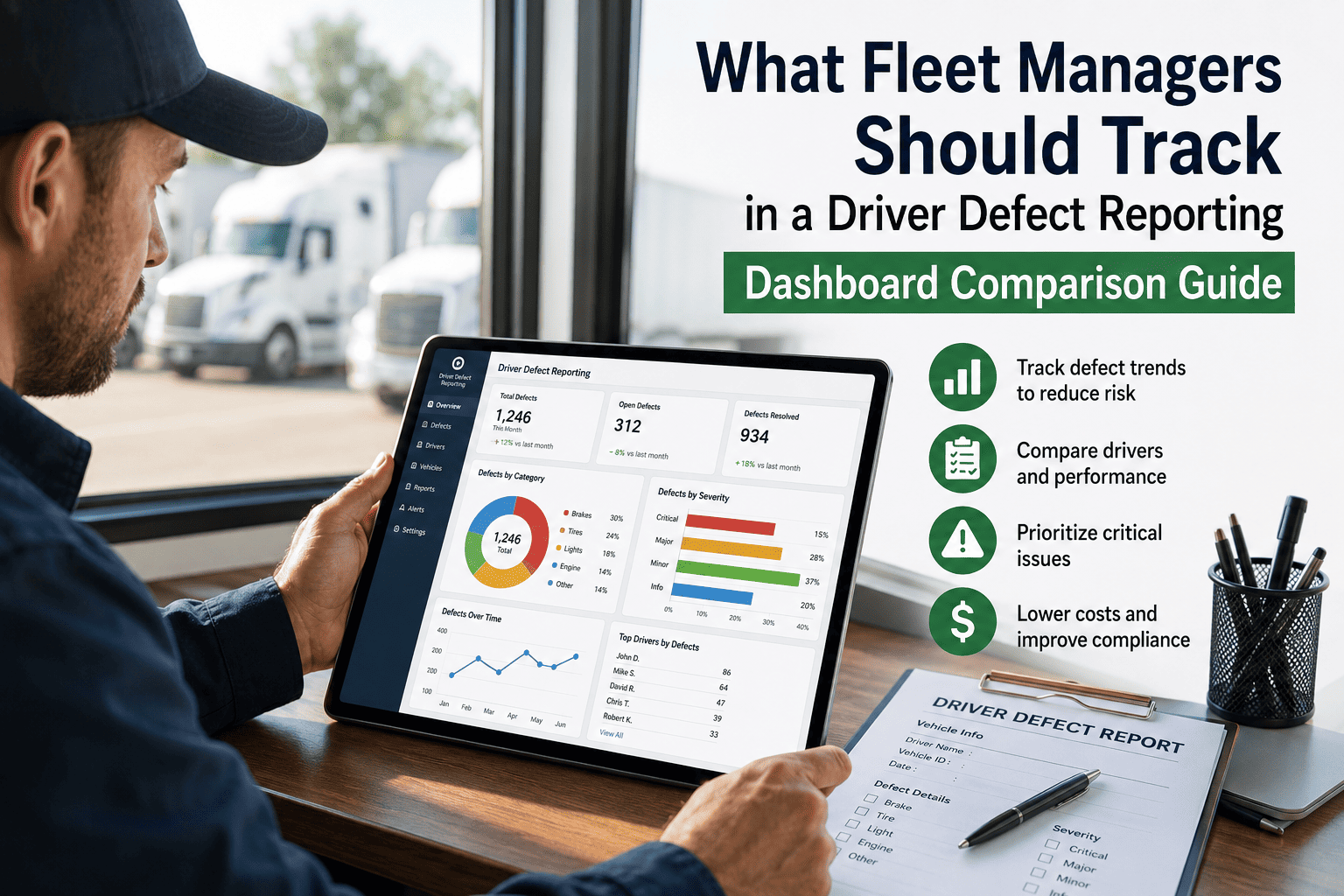
See every vehicle's total maintenance cost divided by miles operated. Identify underperforming assets before they exceed replacement cost thresholds.
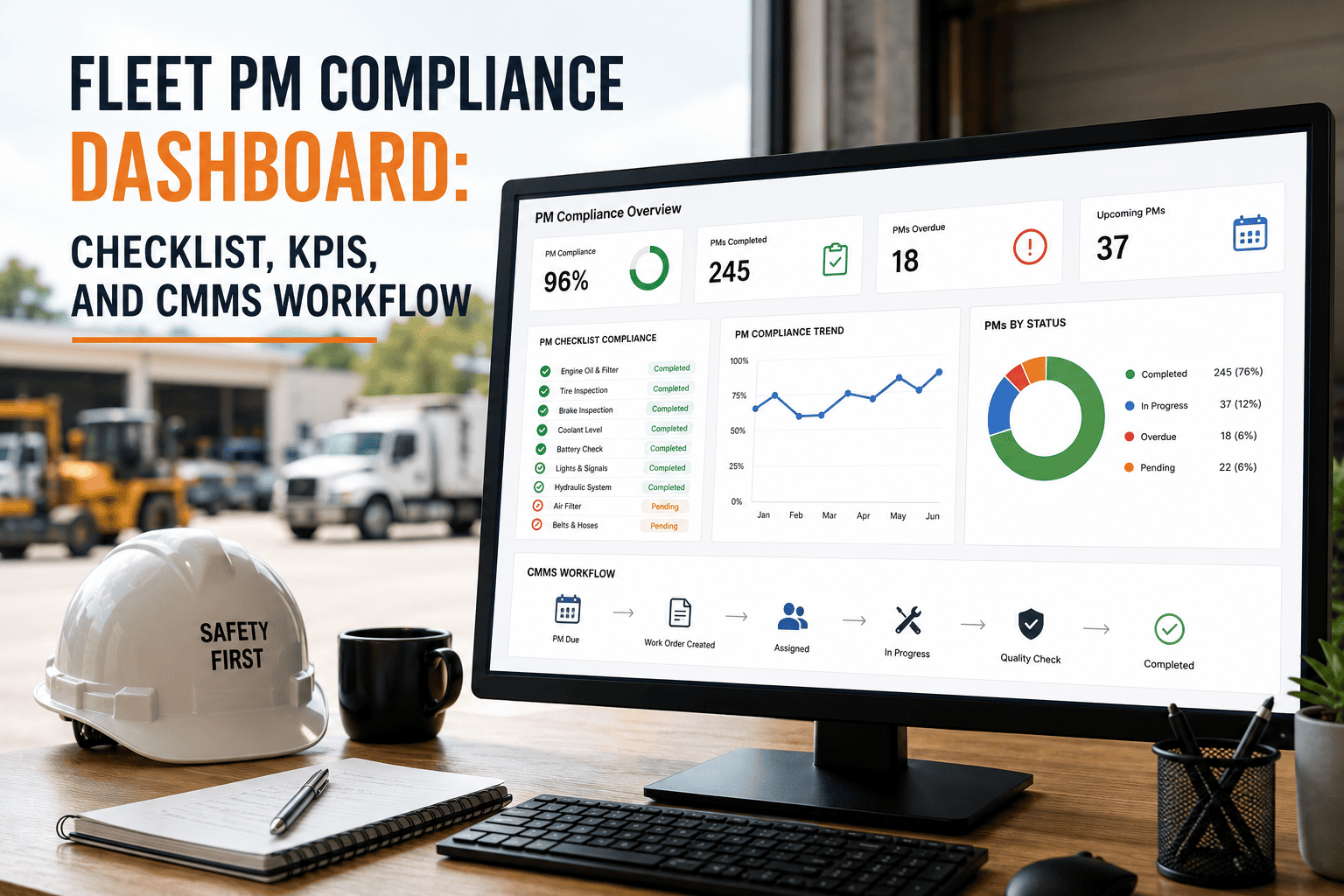
The single most important maintenance KPI. Industry benchmark is 80% planned, 20% reactive. Most fleets starting cost coding discover they are reversed.
Rank your top 5 cost-generating systems across the fleet. Brake, electrical, and engine faults in the top 3 signal different root causes and different solutions.
Flag fault codes that appear 3 or more times on the same vehicle within 12 months. Repeat faults are the leading indicator of misdiagnosis or deferred repair compounding.
Work orders coded as warranty-eligible automatically feed a warranty claims queue. Most fleets without coding leave 8–12% of repair costs unclaimed from manufacturers.
Frequently Asked Questions
How many system codes does a typical fleet need?
Should fault codes follow ATA or OBD standards?
How do we get technicians to code work orders consistently?
Can we import historical work order data into a CMMS with coding applied?
How does work order coding connect to budget forecasting?
Oxmaint gives every work order the structure it needs to generate real cost reports — without adding burden to your technicians. Configured once, it runs correctly every time a work order is closed across your entire fleet.