Fuel System Diagnostics and Uptime: IoT Integration Plan for Waste Collection
By Oxmaint on December 15, 2025
A fuel injector fails on Unit 23 at 7:42 AM—right as your driver begins a 147-stop residential route. Within minutes, you're scrambling: backup truck unavailable, 2,400 households expecting pickup, municipal contract SLA clock ticking. The emergency repair costs $2,800. The SLA penalty adds $1,500. The customer complaints take three staff members off productive work for the rest of the day. Total damage from one preventable breakdown: $6,200 and a reputation hit you can't quantify.
This scenario repeats across waste collection fleets daily—not because operators don't care about maintenance, but because they can't see problems forming. Refuse trucks operate at extremes that accelerate wear invisibly: 1-3 MPG fuel economy (the lowest of any highway vehicle), 53% of operating time spent idling during collections, and hydraulic compactor vibrations that stress every fuel system connection. The difference between fleets losing $85,000+ annually to invisible inefficiencies and fleets running at 96%+ uptime isn't budget or luck—it's visibility. IoT sensors and CMMS automation provide that visibility, transforming fuel system guesswork into predictive certainty.
Fuel System Diagnostics and Uptime: IoT Integration Plan for Waste Collection
Why 1,000+ Fleet Operations Trust Oxmaint for Predictive Maintenance
96%
Fleet Uptime Achieved
70%
Fewer Unplanned Breakdowns
6-8 mo
Average Payback Period
300%+
Typical 2-Year ROI
The Real Cost of Reactive Maintenance in Waste Collection
$531,400
Annual Cost for 40-Truck Fleet
Operating Without Predictive Maintenance
Unplanned Breakdowns
156 incidents × $2,400 avg repair
$374,400
SLA Penalties
48 missed routes × $1,500 avg penalty
$72,000
Fuel Waste
Unmonitored idling, theft, inefficiency
$85,000
With Oxmaint + IoT Integration: $224,830/year
Save $306,570 annually (58% reduction)
Modernize Fleet Management Uptime with Connected Sensors
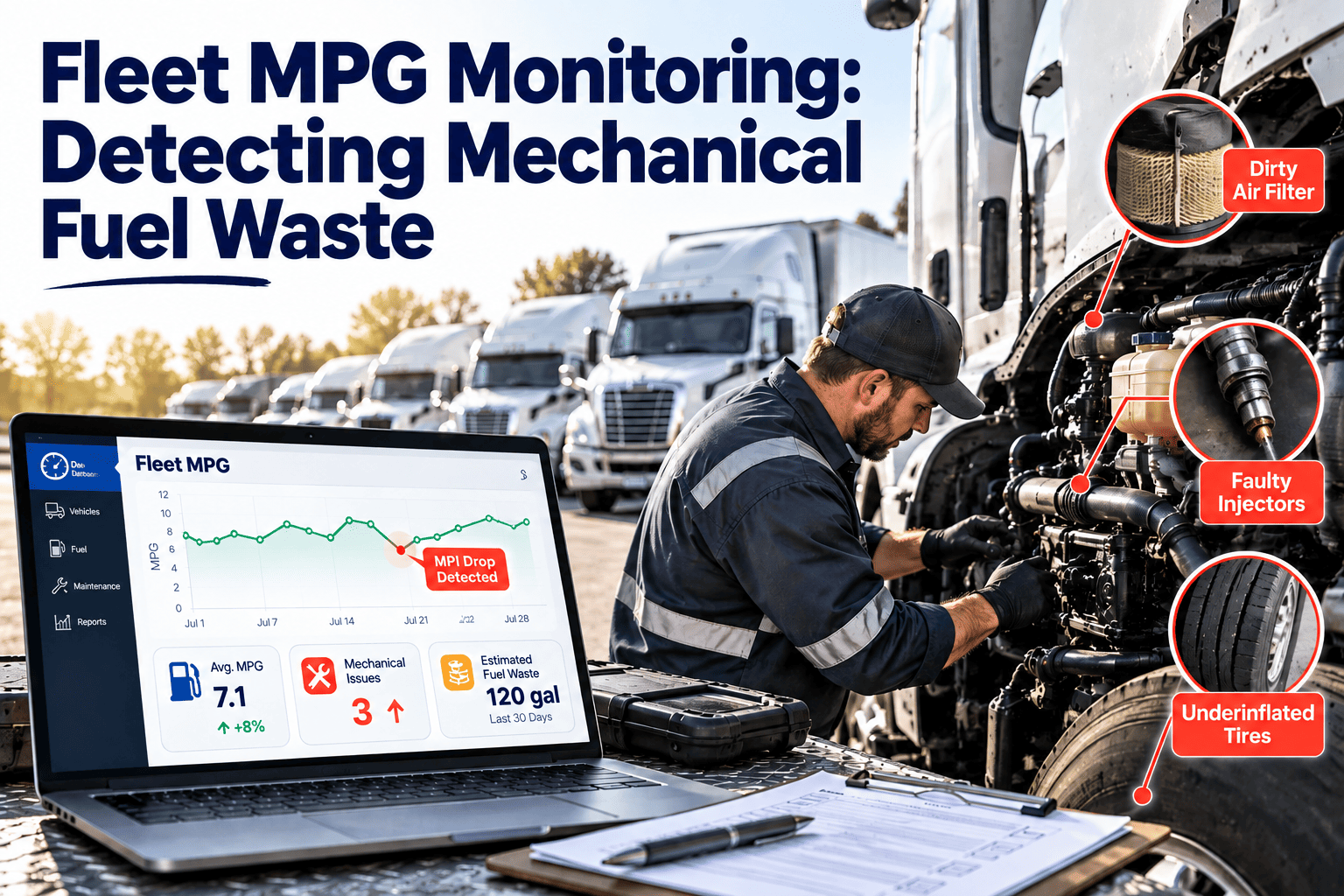
The fuel system in a waste collection truck endures punishment that would destroy a typical commercial vehicle in months. Constant stop-start cycles stress fuel pumps. Contaminated fuel from high-volume municipal tanks introduces water and particulates. Hydraulic compactor operations create vibration that loosens fuel line connections. Without continuous monitoring, these stressors accumulate invisibly until they manifest as roadside failures that derail your entire day's operations.
How IoT Sensors Detect Fuel Problems Before Breakdowns
Sensor Detection
Fuel pressure drops 8% below baseline threshold
CMMS Alert
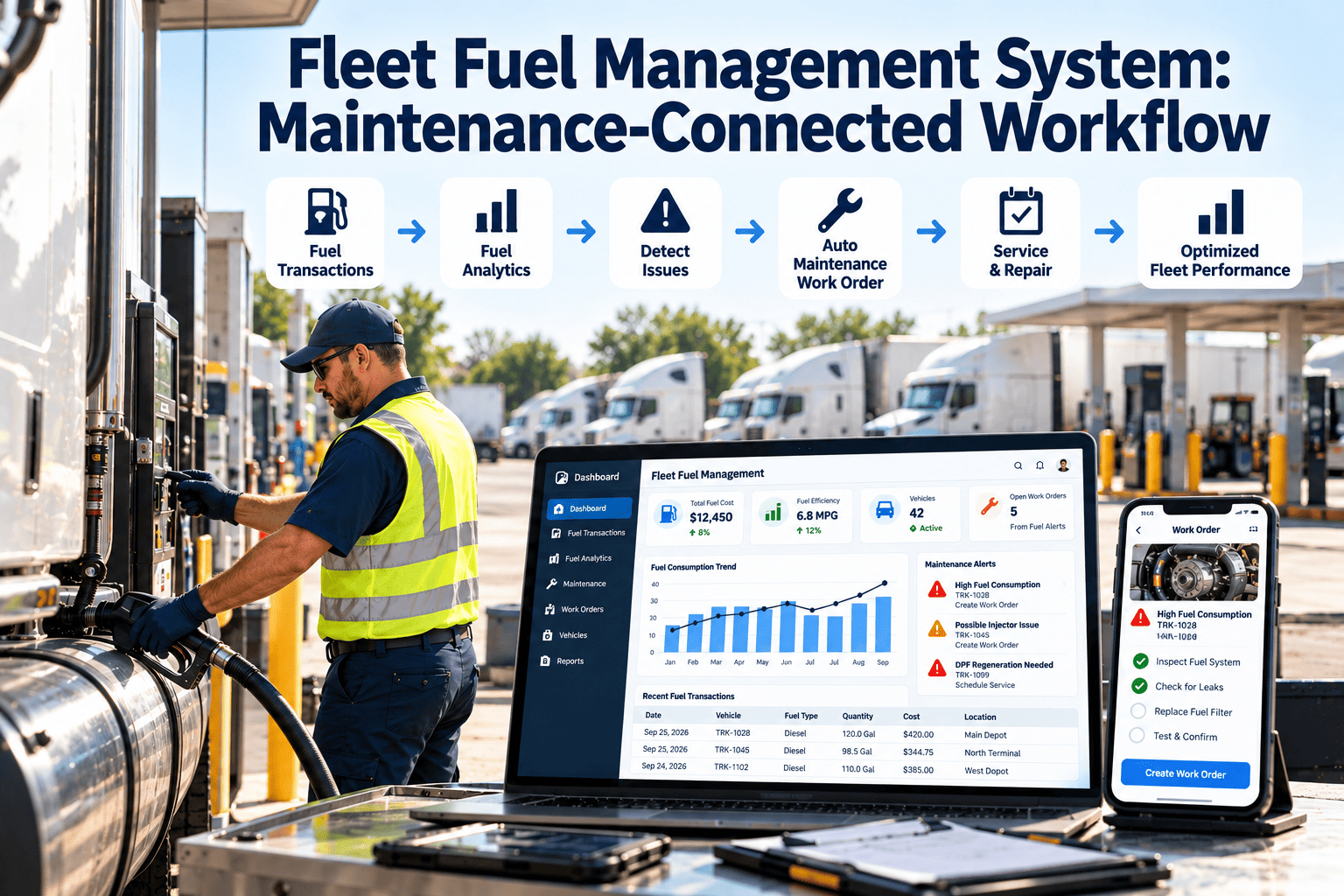
Predictive alert: "Filter restriction likely within 10 days"
Auto Work Order
Work order created, parts verified, technician assigned
Breakdown Prevented
25-min scheduled repair vs. $3,400 emergency + missed route
According to Grand View Research, fleets using sensor-driven diagnostics cut surprise breakdowns by 25% and extend vehicle lifespans by 20%. For waste collection operations where a single breakdown can trigger $5,000+ in combined repair costs, SLA penalties, and operational disruption, predictive maintenance isn't optional—it's survival. When you're ready to see what this looks like for your operation, start your free Oxmaint trial and connect your first vehicle in under an hour.
IoT Sensor Types for Fuel System Monitoring
What each sensor detects and why it matters
Fuel Pressure Sensor
Detects: Filter clogging, pump degradation, line restrictions
Prevents: 14% fuel waste ($12,000+/year per truck)
Fuel Level Sensor
Detects: Theft, unauthorized usage, fill discrepancies
Warning Time: Immediate alerts
Prevents: 6% fuel theft (NAFA industry benchmark)
Fuel Quality Sensor
Detects: Water contamination, particulates, degraded fuel
Warning Time: Immediate detection
Prevents: $2,000-$4,500 injector/pump damage
Cutting Downtime with Foresight — A Fleet Management Lifecycle with Automation
The garbage truck market reached $13.9 billion in 2024 and is growing at 4.7% annually through 2034. This growth is driven by one factor above all others: the shift from reactive to predictive maintenance. Data-driven maintenance is gaining ground across the industry, with engine hours, hydraulic pressures, and vibration signatures alerting teams before failures occur. The fleets winning municipal contracts aren't just buying better trucks—they're implementing smarter maintenance systems.
Stop Losing $306,000/Year to Preventable Breakdowns
Oxmaint CMMS connects your IoT sensors to automated work orders, predictive alerts, and compliance documentation. Setup takes under 1 hour. Results appear in 30 days.
Multi-Site Rollout: The 4-Week Implementation Plan
Whether you operate from a single yard or manage collection across multiple municipalities, Oxmaint scales with your operation. According to industry data, 83% of fleet operators already use telematics—and 93% of fleets with 50+ vehicles have adopted these systems. The question isn't whether to implement IoT-integrated maintenance, but how quickly you can deploy it.
Your 4-Week Path to Predictive Maintenance
1
Week
Foundation Setup
Register assets with QR codes for instant mobile access
Configure user accounts and permission levels
Import existing maintenance history (if available)
Establish fuel consumption baselines per vehicle
Result: Complete digital asset register operational
2
Week
Pilot Deployment
Connect IoT sensors on 5-10 highest-mileage trucks
Configure telematics data flow to Oxmaint
Set alert thresholds for fuel pressure and consumption
Train dispatchers on mobile app and alert response
Verizon Connect's 2024 fleet technology report found that 41% of GPS tracking users report positive ROI in under 12 months—but waste collection fleets typically see results faster due to the extreme operating conditions that accelerate wear. Early wins in fuel savings and idle reduction typically appear within 30-90 days. Ready to see what's possible? Schedule a personalized demo to build an implementation plan for your specific fleet.
SLA Reporting and Compliance Documentation
Municipal waste contracts typically include strict uptime requirements: 95%+ availability, maximum response times for complaints, and documented maintenance records for audits. Manual tracking makes compliance a full-time job. According to Forrester Research, automated compliance documentation eliminates 60-75% of administrative labor while improving accuracy—and dramatically reduces audit failure risk.
What Oxmaint Automates for Waste Collection Compliance
Pre-Trip Inspections (DVIR)
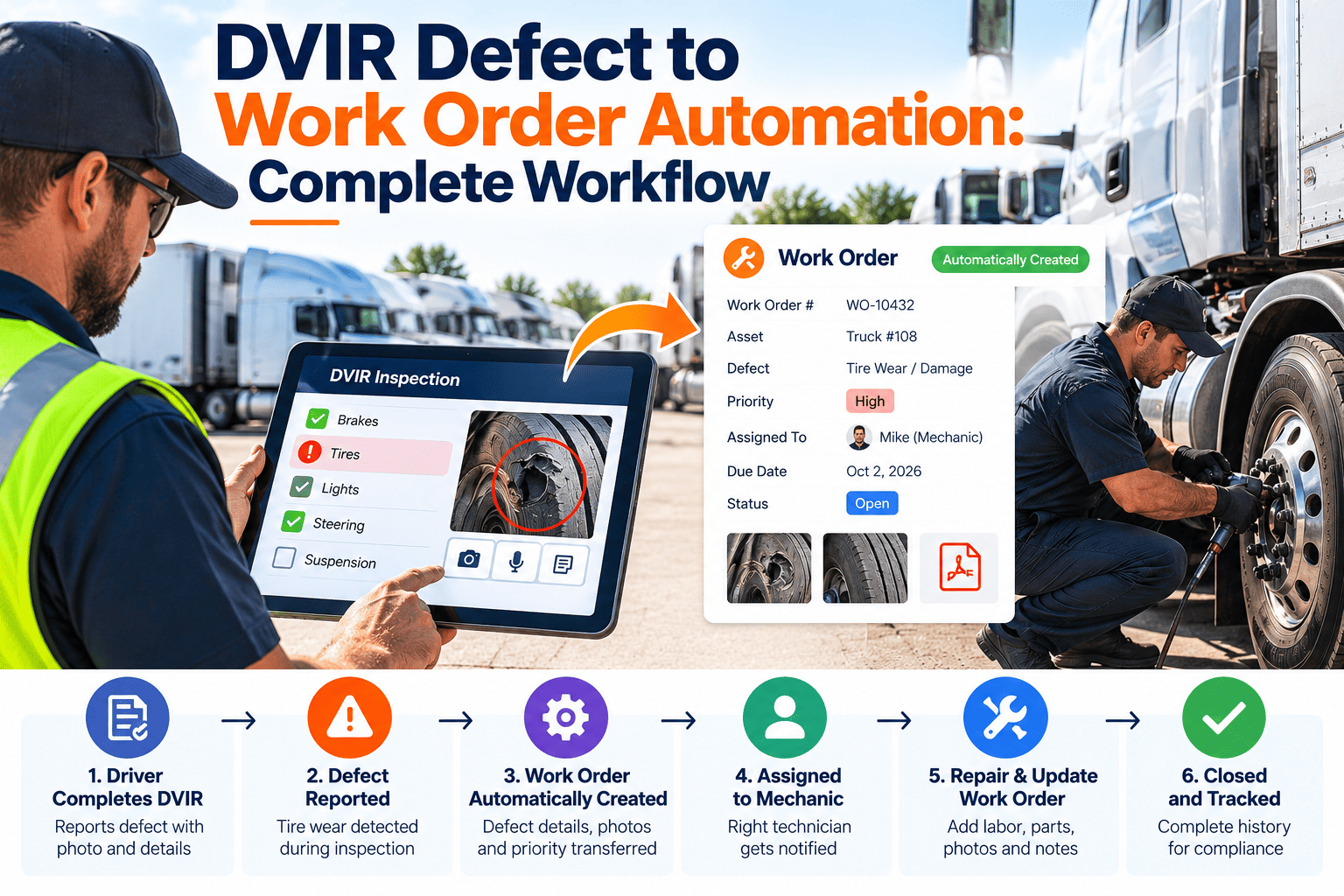
Mobile app inspections with GPS timestamps, photo documentation, and automatic compliance logging
PM Schedule Automation
Trigger maintenance by mileage, engine hours, or calendar with escalation alerts for overdue tasks
Emissions Tracking
DPF regeneration logs, DEF consumption monitoring, and emissions system maintenance records
Route Verification
GPS-verified route completion with time-stamped stop confirmations for SLA reporting
Cost Tracking
Complete work order history with parts, labor, and vendor costs searchable by asset or date
Audit-Ready Reports
One-click PDF export for inspectors, insurance audits, and municipal contract compliance
Expert Review: What the Data Shows About Fleet CMMS ROI
A good CMMS ROI is 300-500% within 2 years. Most organizations see payback within 6-18 months through reduced downtime and maintenance efficiency. CMMS reduces emergency repairs by 75%, administrative time by 30%, compliance penalties by 90%, and equipment downtime by 25% through preventive maintenance.
— Industry benchmark data from TinkerTrak, Forrester Research, and fleet operations analysis
652%
Maximum Reported CMMS ROI
UpKeep Fleet Data
14%
Fuel Cost Reduction
Geotab Telematics
26%
Downtime Reduction
UpKeep Benchmarks
11%
Asset Life Extension
Industry Average
Every day without predictive maintenance is another day of preventable waste.
Your Competitors Are Already Using This
83% of fleet operators already use telematics-integrated maintenance. The fleets winning municipal contracts aren't guessing when trucks will fail—they know. Join them.
1,000+ fleets worldwide99.7% satisfaction50+ countries
Conclusion: From Fuel Guesswork to Predictive Certainty
Waste collection fleets operate in conditions that accelerate fuel system wear faster than any other commercial application: extreme idle percentages (53% of operating time), contaminated fuel sources, constant vibration from compactor operations, and routes designed to maximize stress on every component. The difference between fleets losing $531,000 annually to reactive maintenance and fleets operating at 96%+ uptime with $224,000 in costs isn't luck or budget—it's visibility.
IoT sensors transform fuel system health from a mystery into a dashboard metric. CMMS automation converts sensor alerts into work orders before problems become breakdowns. Together, they create a maintenance operation where predictive replaces reactive, compliance documentation generates itself, and municipal contracts are met consistently because equipment is managed proactively.
The technology is proven. The ROI is documented: 300-500% within 24 months, with payback in 6-8 months. The question isn't whether IoT integration makes sense for waste collection fleets—it's whether you can afford another month of preventable breakdowns. Create your free Oxmaint account now and see what predictive maintenance does for your operation.
Frequently Asked Questions
How much can a waste collection fleet save with IoT-integrated CMMS software?
Waste collection fleets typically achieve 300-500% ROI within 24 months of implementing IoT-integrated CMMS software. Based on industry benchmarks, a 40-truck fleet can expect annual savings of $180,000-$306,000 through reduced unplanned breakdowns (70% reduction), fuel waste elimination (14% savings), and optimized maintenance labor (30% efficiency gain). Most fleets see payback within 6-8 months, with early wins in fuel savings appearing within 30-90 days of implementation. Start your free trial to calculate your specific savings potential.
What fuel system problems do IoT sensors detect in garbage trucks?
IoT sensors detect five critical fuel system issues before they cause roadside breakdowns: clogged fuel filters (via pressure differential monitoring), fuel pump degradation (flow rate and pressure correlation), injector fouling (fuel consumption anomaly detection), fuel line leaks (consumption vs. distance mismatch), and fuel contamination including water intrusion (fuel quality sensors). These sensors can identify 70% of fuel system failures 1,500+ kilometers before breakdown occurs, converting emergency repairs averaging $2,400 into scheduled maintenance stops costing under $900.
How quickly can I implement Oxmaint CMMS for my waste collection fleet?
Oxmaint CMMS can be fully operational within 2-4 weeks for most waste collection fleets. Week 1 covers asset inventory and QR code tagging with system configuration. Week 2 focuses on pilot deployment on 5-10 high-mileage vehicles with telematics integration. Weeks 3-4 complete full fleet rollout with automated work orders and compliance reporting. Most users report basic setup completion in under 1 hour, with mobile apps available immediately on iOS and Android. No credit card is required—start your free account now.
Does Oxmaint integrate with existing telematics and GPS systems?
Yes, Oxmaint CMMS integrates with all major telematics providers and IoT sensor platforms through open APIs. When your telematics system detects a fuel pressure anomaly, engine fault code, or consumption spike, Oxmaint automatically generates a work order, assigns it to available technicians, verifies parts availability, and tracks resolution. Supported integrations include GPS tracking systems, OBD-II diagnostic devices, fuel monitoring sensors, and fleet management platforms. This creates a closed-loop system where sensor data translates directly into prevented breakdowns. Schedule a demo to see how it works with your specific setup.
What ROI can I expect from predictive maintenance on refuse vehicles?
Refuse vehicle fleets implementing predictive maintenance through IoT-integrated CMMS report 285-340% first-year ROI with payback periods of 6-8 months. Specific documented savings include: 70% reduction in unplanned downtime (representing 45-55% of total savings), 25% fewer surprise breakdowns, 14% fuel cost reduction through consumption monitoring, 26% reduction in equipment downtime, and 11% extended asset lifespan. A 40-truck waste collection fleet typically saves $250,000+ annually compared to reactive maintenance approaches. Some operations report up to 652% ROI. See these results for yourself—create your free account today.