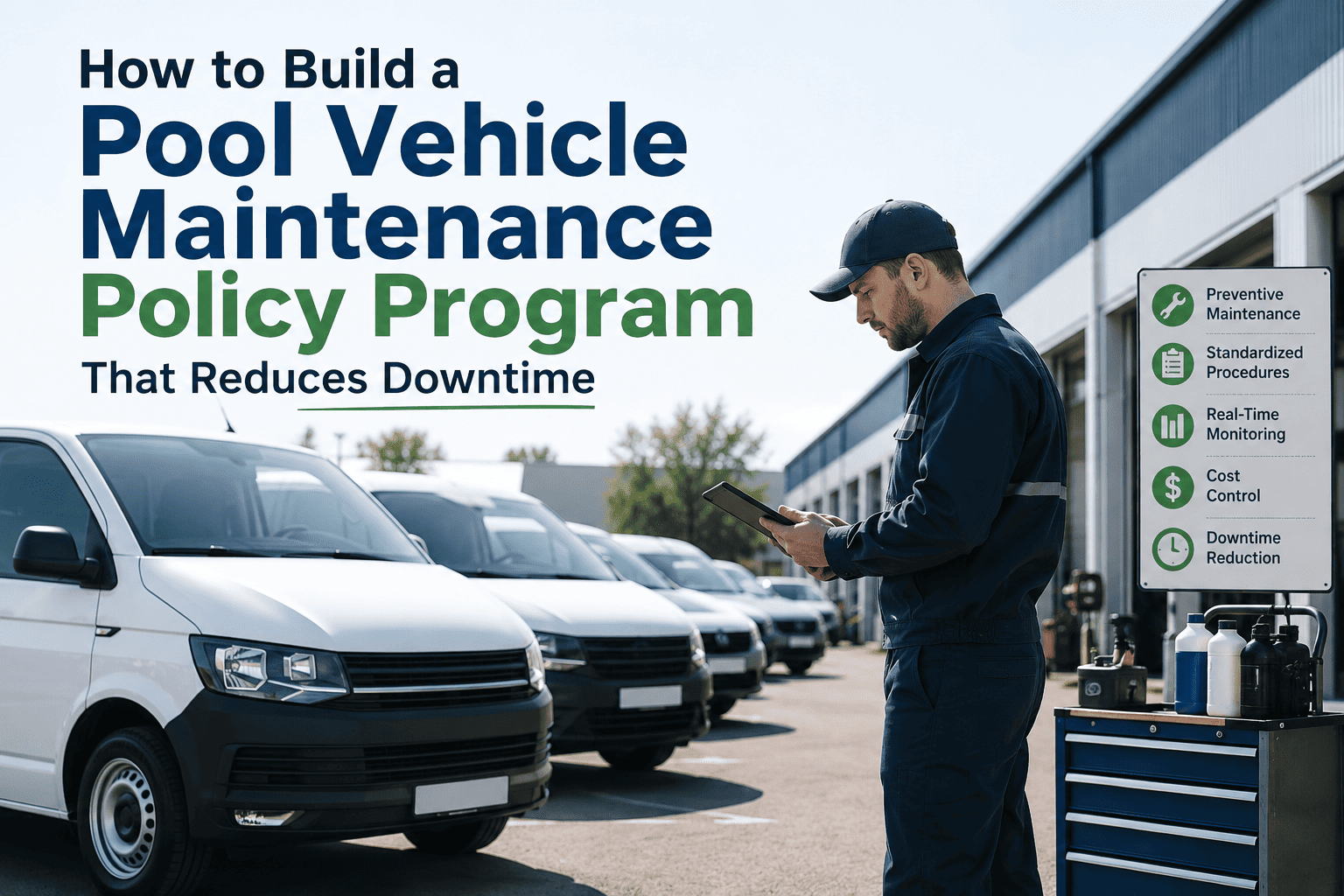
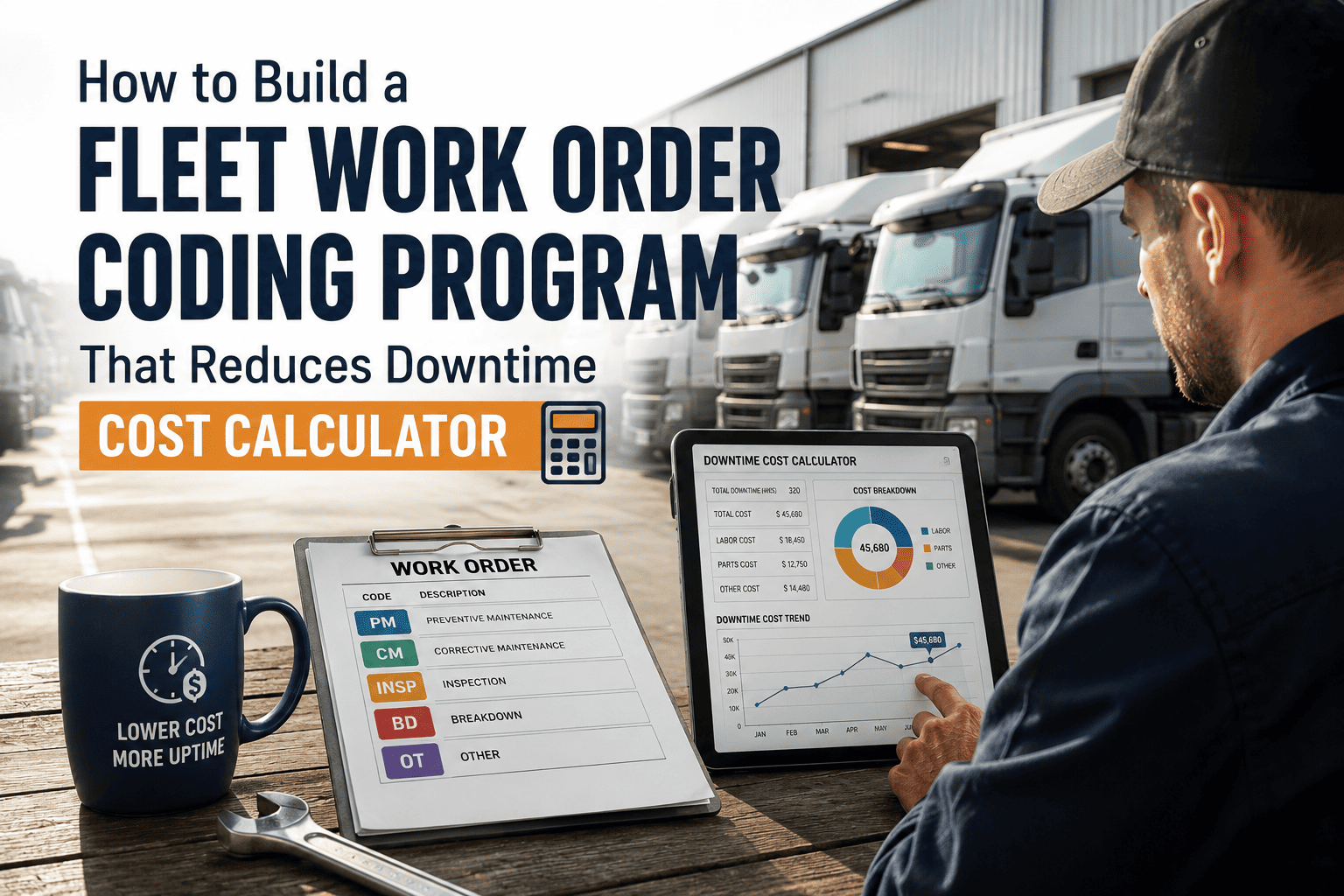
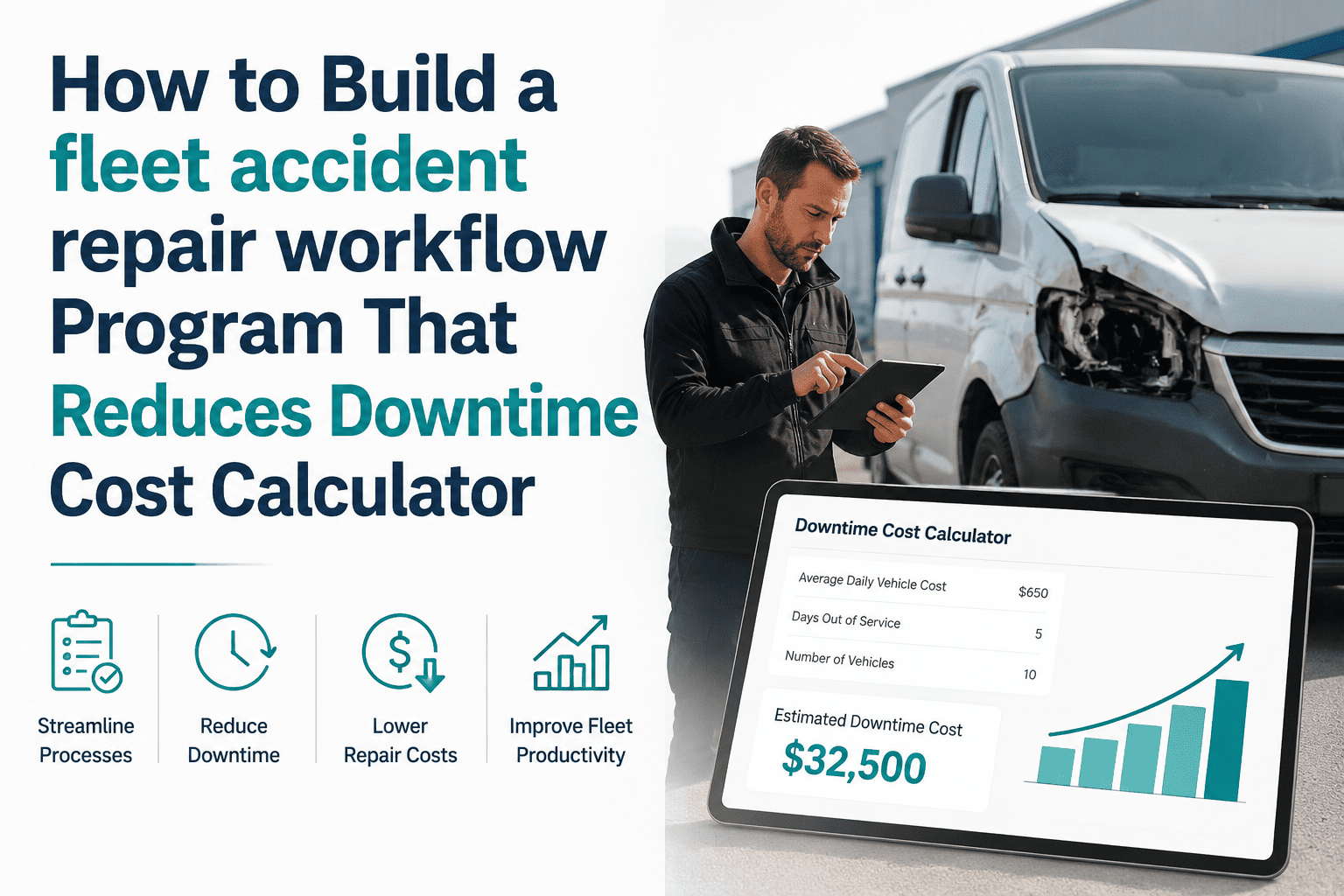
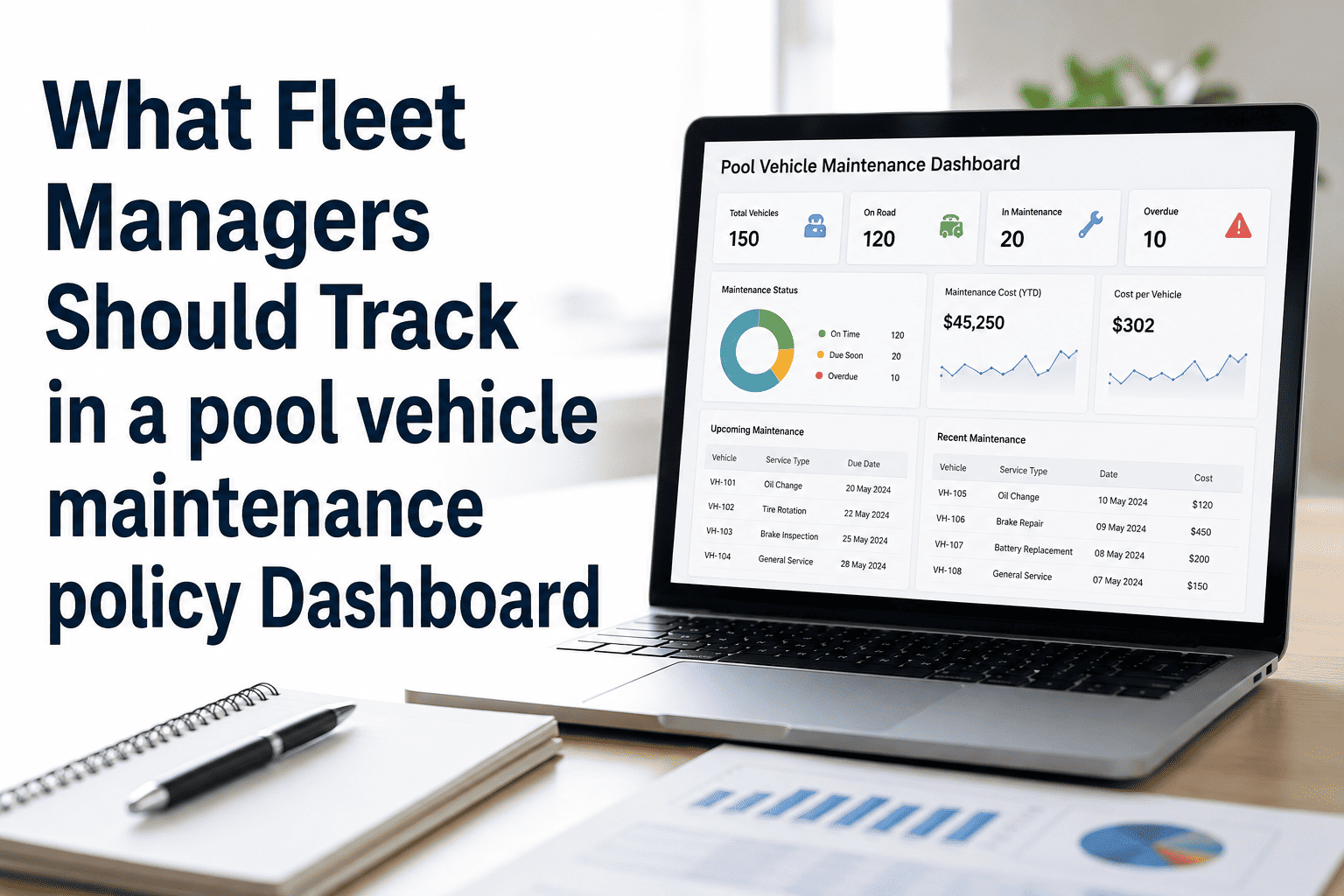
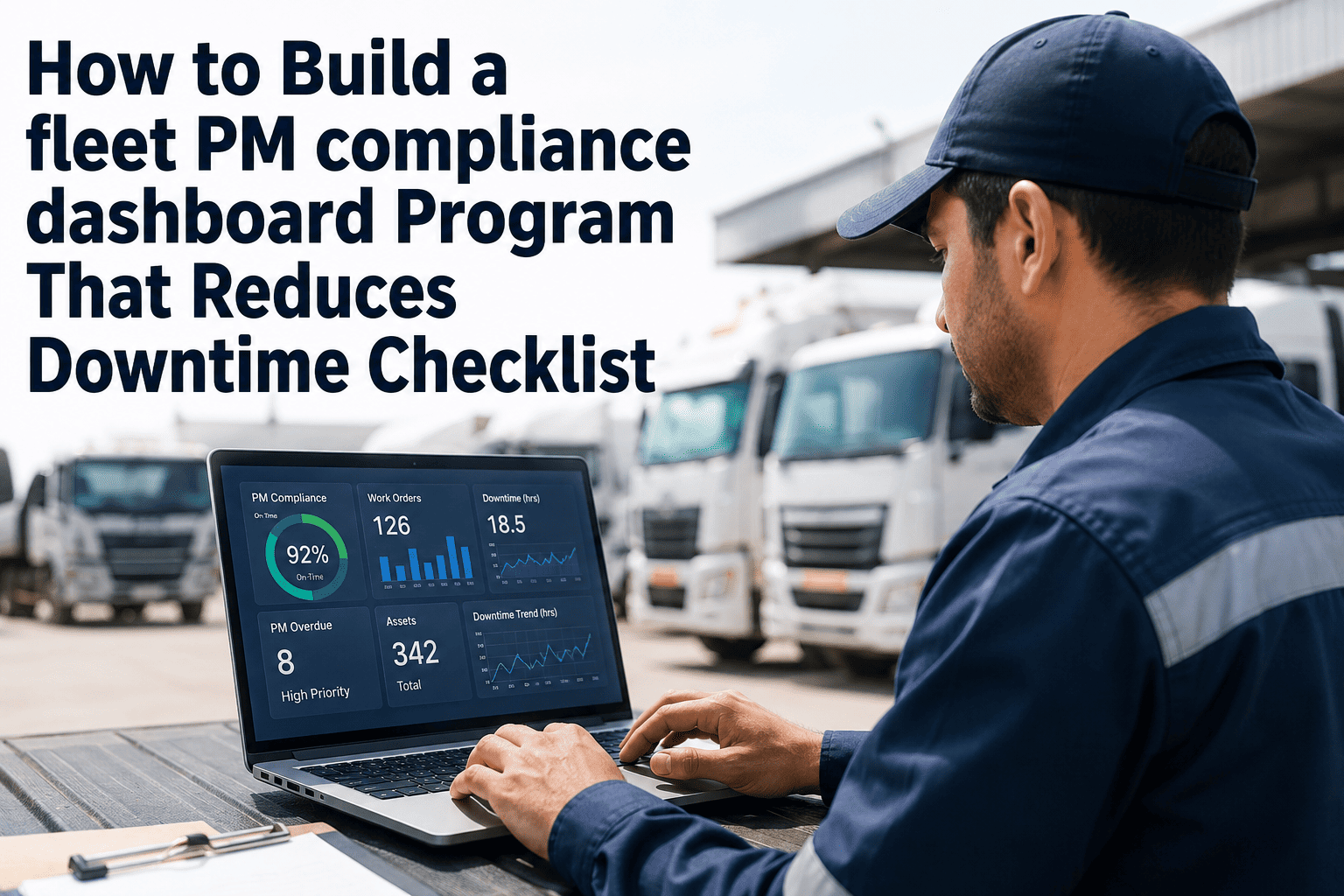
Downtime costs far more than the repair that caused it — lost productivity, missed service commitments, and idle drivers routinely double or triple the invoice on the bench. In a shared pool, one vehicle down doesn't inconvenience one owner; it removes capacity for an entire department. Reactive fleets experience three to five times more unplanned downtime than proactive ones, and the difference is almost entirely a matter of how the maintenance program is built. This guide walks you through building a pool vehicle maintenance policy program — step by step — that keeps vehicles available and drivers moving. Start with your own fleet data and follow the phases below.
OxMaint · Build a Downtime-Reducing Pool Program
A pool maintenance program is not a document you file — it is a repeatable system that catches problems early, schedules service around demand, and keeps vehicles in rotation.
Reactive fleets
3–5× more unplanned downtime
Proactive pool programs
baseline — vehicles stay available
Why Downtime Is the Metric That Matters for Pool Fleets
In a shared pool, availability is the whole point. Before building the program, understand what a vehicle out of rotation actually costs.
The Repair
The invoice on the bench is only the visible cost — often the smallest part of the total.
+
Lost Productivity
A department waiting on a vehicle stalls its own work, multiplying the impact well beyond the shop.
+
Substitution Cost
Rentals, reimbursed personal mileage, or pulling another pool car all add cost and reduce capacity elsewhere.
=
True Downtime Cost
Frequently double the repair itself — and entirely avoidable with a proactive program.
Build the Program in Four Phases
You do not need to transform everything at once. Follow these four phases in order — each one reduces downtime while setting up the next.
Baseline Your Utilization and Failures
Collect trip frequency, distance, and downtime data across every pool vehicle. Identify peak versus average demand so you can distinguish seasonal spikes from true surplus, and pinpoint which vehicles fail most often. This baseline is what every later scheduling decision rests on.
Sign in to OxMaint to load your existing pool data and establish the baseline.
Set Preventive Triggers Around Demand
Configure PM triggers by mileage, time, and usage — then schedule the work into low-demand windows revealed by Phase 1. Servicing a vehicle when demand is naturally low means the pool never loses capacity when it is needed most. Automated alerts bring vehicles in on time, every time.
Capture Issues at the Point of Return
Require drivers to log mileage, fuel, and any mechanical concern when returning a vehicle. Drivers are the first to notice a rattle or warning light; capturing it at return turns a small fix into a scheduled task instead of a roadside failure that strands the next driver.
Book a demo to see the return-inspection workflow.
Automate Out-of-Rotation Control
Connect maintenance status to the reservation system so a vehicle in the shop is automatically unbookable and restored the moment work completes. Reservations only ever land on available cars — the single most effective way to make sure maintenance never becomes an unexpected work stoppage.
Turn the Four Phases Into One System
OxMaint runs the entire program — utilization baselines, demand-aware PM scheduling, driver issue capture at return, and reservation-linked out-of-rotation control — so downtime falls phase by phase to start building or to walk the program with a specialist.
Five Pitfalls That Quietly Reintroduce Downtime
Even a well-designed program erodes if these gaps creep back in. Guard against them as you roll out.
1
Letting drivers self-authorize repairs
Fragments the record and delays proper diagnosis. Fleet staff own repair authorization; drivers report only.
2
Scheduling PM without checking demand
Pulling a vehicle during a peak window creates the exact capacity crunch the program is meant to prevent.
3
Skipping the return inspection
Small issues go unreported and surface later as roadside failures that strand the next reservation.
4
Manual out-of-rotation tracking
A whiteboard or spreadsheet lets a booking land on a car that is already in the shop. Automate the status link.
5
Holding vehicles past their economic life
Aging cars drive escalating repair frequency and downtime. Set data-driven replacement triggers on cost trend, not age.
Frequently Asked Questions
OxMaint · Pool Fleet · Downtime Reduction · CMMS
Downtime in a shared pool is a program problem, not a luck problem. Build it in four phases with OxMaint and every vehicle stays serviced on time, in rotation, and ready when a driver needs it.
Utilization baseline. Demand-aware PM scheduling. Return-time issue capture. Automated out-of-rotation control — the full program in one system.