A pool vehicle gets driven by a different person almost every week, which means nobody feels like it's truly their car to maintain. Service intervals slip because the last driver assumed someone else would book it in, fault reports never reach the maintenance desk, and the same vehicle keeps getting picked because it happens to be parked closest to the door. Without a dashboard tying usage, condition, and policy together, pool fleets quietly drift toward breakdowns that a private-car owner would have caught months earlier. See how a connected policy dashboard would track your own pool fleet by trying Oxmaint free.
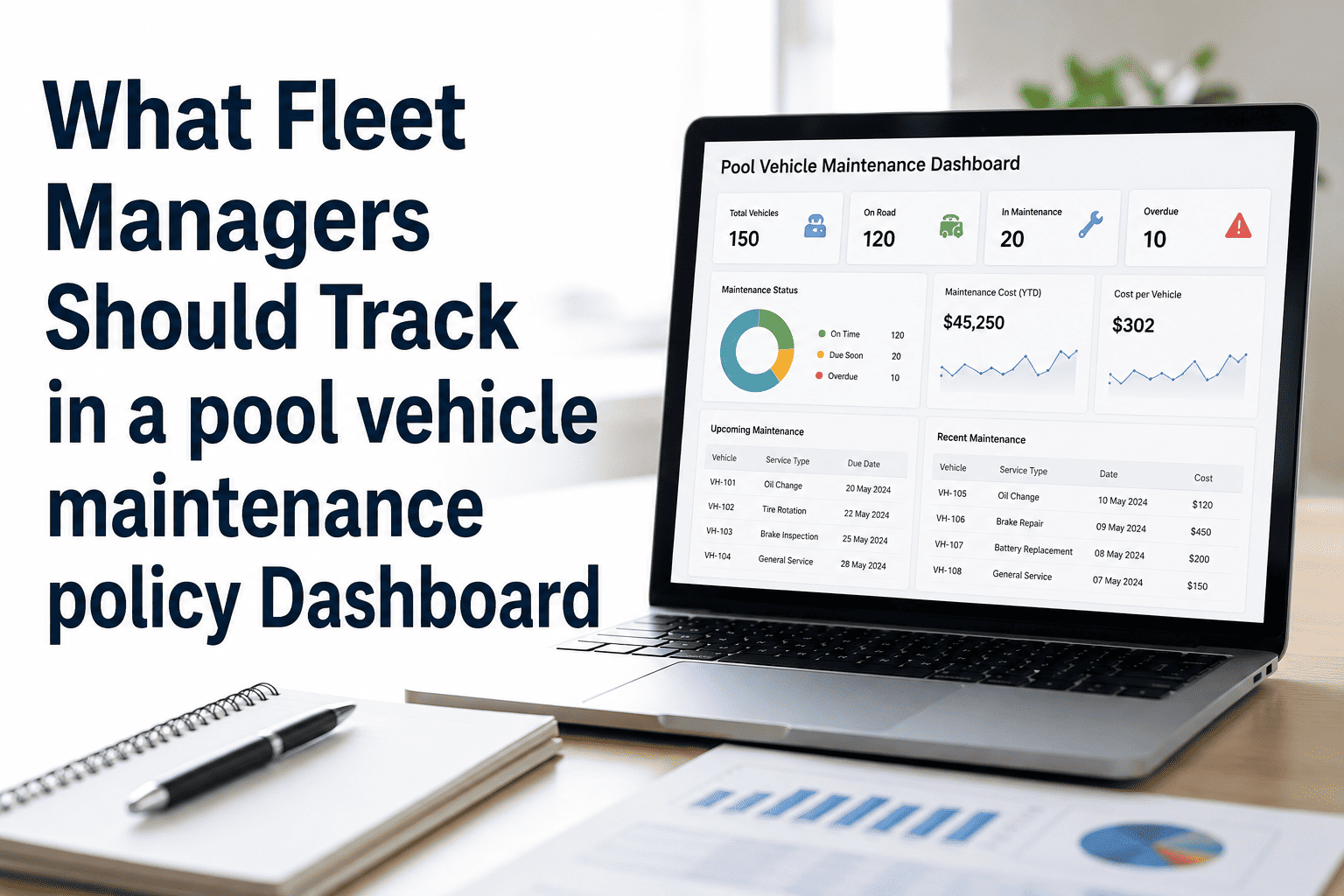
What Fleet Managers Should Track in a Pool Vehicle Maintenance Policy Dashboard
The usage data, condition checks, and policy rules a dashboard needs so shared vehicles stay safe, available, and properly maintained between every driver handoff.
Why Pool Vehicles Break Down Faster Than Assigned Ones
A pool vehicle is everyone's responsibility and therefore nobody's responsibility. Drivers who check it out for one trip have no reason to track its service history, report a strange noise, or flag low fuel before returning the keys. That gap between use and accountability is where pool fleets lose reliability fastest.
8 Things a Pool Vehicle Policy Dashboard Should Track
A policy only works if the system behind it catches what a rotating set of drivers will not.
Driver, mileage, and fuel level logged automatically at pickup and return, no manual logbook needed.
A short digital checklist before keys are released, so existing damage is recorded before the next trip starts.
Vehicles due for maintenance are removed from the booking calendar before anyone can reserve them.
License status and authorization checked at booking, not discovered after the vehicle is already out.
Any issue flagged by a driver routes straight to the maintenance queue with no email or sticky note in between.
Mileage and trip data split fairly across the teams actually using each pool vehicle.
Booking frequency per vehicle, so underused units can be reassigned or retired instead of sitting idle.
Confirmation that every driver accepted usage rules before the vehicle was released to them.
Pool Fleet Risks by Maintenance Stage
Each stage of a pool vehicle's lifecycle carries a different risk if it isn't tracked centrally.
| Stage | What Usually Goes Wrong | What the Dashboard Catches |
|---|---|---|
| Booking | Vehicle reserved despite an open service flag | Service-due vehicles are hidden from the calendar automatically |
| Handover | Existing scratches or dashboard warnings go unrecorded | Condition logged with photos before keys change hands |
| In-Use | Fault noticed by driver is never reported to anyone | In-app fault report creates a work order in real time |
| Return | Low fuel, mileage, and new damage go unnoticed | Return checklist compares current state against checkout state |
| Scheduled Service | Service date passes while the vehicle stays in rotation | Vehicle is auto-blocked and routed to the shop on schedule |
Common Mistakes That Shorten a Pool Vehicle's Life
These four habits show up in almost every unmanaged pool fleet, and each one is preventable with the right tracking in place.
Drivers default to whichever car is closest, so one vehicle ages out years before the rest of the fleet.
A driver notices a warning light, says nothing, and the next person inherits a bigger repair bill.
Keys go straight back in the drawer, so damage and low fuel are blamed on whoever drives it next.
A shared spreadsheet creates double bookings and lets service-due vehicles slip back into rotation.
Pool Fleet Performance, by the Numbers
Give Every Pool Vehicle a Single Source of Truth
Oxmaint connects booking, condition checks, and maintenance scheduling so no pool vehicle slips through a gap between drivers again.
How Oxmaint Runs a Pool Vehicle Policy Dashboard
Drivers see only the vehicles that are actually available, free of service conflicts or double bookings.
Pre-trip and post-trip inspections take under two minutes and attach directly to the vehicle record.
Vehicles due for service are pulled from rotation automatically, no manual override needed.
See which vehicles earn their place in the pool and which ones are costing more than they're used.
Frequently Asked Questions
How is a pool vehicle policy dashboard different from a regular fleet maintenance system?
It adds booking, driver eligibility, and condition handoff tracking on top of standard maintenance scheduling, since pool vehicles change drivers constantly. Start a free trial to see it on your own fleet.
Can it stop a vehicle from being booked when service is due?
Yes. Any vehicle flagged for upcoming or overdue maintenance is automatically hidden from the booking calendar until service is completed.
Does it help identify pool vehicles that are barely used?
Utilization reporting shows booking frequency per vehicle, so low-use units can be reassigned, shared across teams, or retired. Book a demo to walk through your utilization data.
How do drivers report a fault while the vehicle is checked out?
A short in-app report creates a maintenance work order instantly, so issues reach the shop the same day instead of getting lost.
Can costs be split across departments that share the same pool?
Trip and mileage data is logged per booking, so usage costs can be allocated fairly across every team drawing from the pool. Try it free to set up department-level reporting.
Turn Your Pool Fleet Into a Reliable, Tracked Resource
Stop relying on memory and logbooks to keep shared vehicles safe and serviced. Start free with no credit card, or see a live walkthrough built around your own pool fleet.