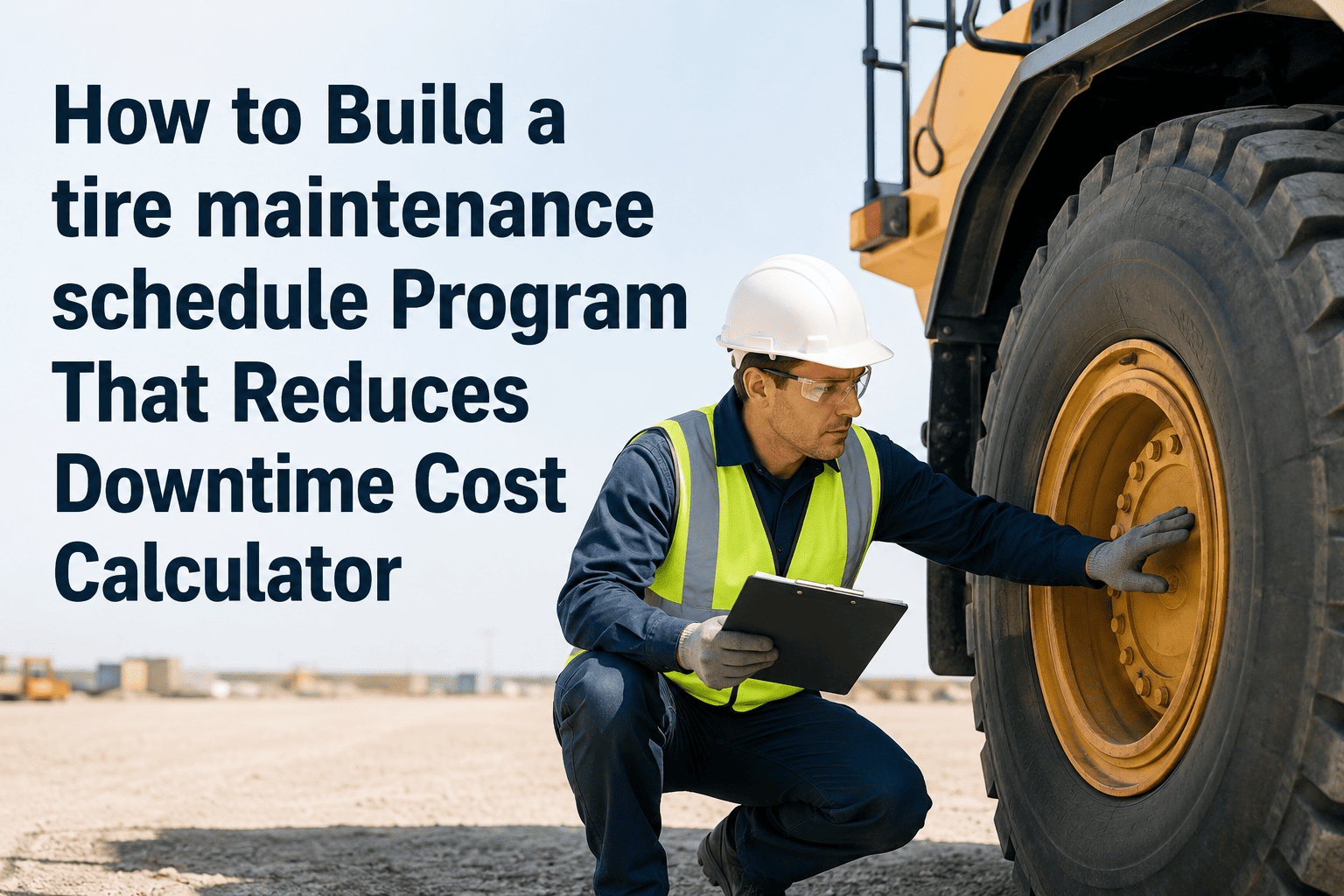
Downtime from tire failures is not random — it is predictable, and more importantly, it is preventable. The average commercial fleet spends $480–$800 per roadside tire incident when you factor in emergency service, driver wait time, delayed deliveries, and towing. Across a 30-vehicle fleet, even three incidents per month adds up to $17,000–$29,000 per year in pure reactive cost. A structured tire maintenance program eliminates most of these events before they happen, shifting your spend from emergency repair to scheduled service at a fraction of the cost. The key is not just having a schedule — it is building one that technicians actually follow, that generates real cost data, and that adapts as your fleet grows. OxMaint AI helps you build, deploy, and track that program across every vehicle in your fleet from day one.
Build the Tire Program That Ends Surprise Breakdowns
Most fleets know they need a tire maintenance program. Few know how to structure one that actually sticks and generates measurable downtime savings. Here is the blueprint.
Step-by-Step: Building a Tire Maintenance Program That Actually Reduces Downtime
A program that reduces downtime is different from a program that exists on paper. These six steps separate the two.
Before building a schedule, know what is failing and why. Pull 12 months of tire-related work orders, roadside calls, and inspection records. Categorize failures by cause: underinflation, overloading, alignment wear, sidewall damage, or aged rubber. Most fleets find 60–70% of failures come from two causes. Your program should attack those first.
One schedule does not fit all vehicles. A Class 8 long-haul truck needs different rotation intervals than a Class 5 delivery van. Set intervals by vehicle group: inspection frequency, rotation schedule, alignment cadence, and replacement triggers. Build in severity adjustments for overweight routes, mountain terrain, and high-heat corridors.
Tire programs fail when ownership is unclear. Drivers own pre-trip pressure checks and visible damage reporting. Shop technicians own rotation, depth measurement, and repair decisions. Fleet managers own replacement approvals and vendor selection. Each role needs a specific, documented responsibility — not a general instruction to "watch the tires."
Paper-based tire programs lose data. Digital work orders create a full maintenance history per tire and per vehicle, enable automated scheduling, and generate the data needed to prove ROI. Every inspection completed, every pressure reading recorded, every repair logged — all searchable and reportable. This is the difference between a program and a system.
The purpose of a tire program is to catch problems at the depot, not on the road. Set automated alerts at defined thresholds: tread depth below 6/32" triggers inspection review, pressure below spec for two consecutive checks triggers immediate work order, mileage approaching rotation interval generates advance scheduling notice. Alerts should reach the right person, not a generic inbox.
A program without metrics is a hope. Review four numbers every quarter: downtime events from tire causes, cost per tire event, average tire lifespan per vehicle class, and retread capture rate. These four metrics tell you whether the program is working and where to tighten it. Share results with drivers and technicians — accountability improves when people see the data.
Setup includes pre-built tire maintenance templates for common fleet types, interval recommendations by vehicle class, and automated alert configuration. Your program is running on day one, not month three.
The Real Cost of Downtime: What Each Tire Failure Actually Costs
Downtime Calculator: What Is Your Fleet's Annual Tire Downtime Costing?
Frequently Asked Questions
How long does it take to build a tire maintenance program?+
What is the ROI timeline for a structured tire program?+
Should drivers or technicians own pre-trip tire inspections?+
How do I get drivers to actually complete tire inspections consistently?+
What metrics should I track to know if my tire program is working?+
Building a tire maintenance program that actually reduces downtime is not complicated — but it requires structure, ownership, and data that paper systems cannot provide. OxMaint gives you all three, pre-configured for commercial fleet operations, ready to deploy in days rather than months.